
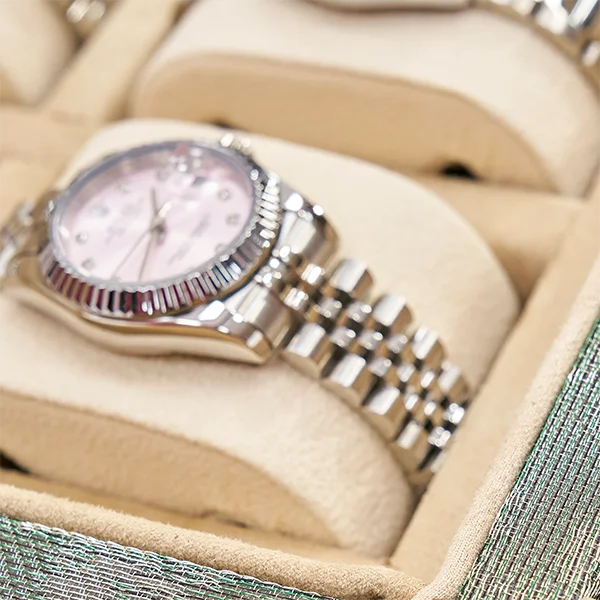
دليل المقتني لأجهزة تدوير الساعات لساعات باتيك فيليب
ساعة باتيك فيليب ليست مجرد ساعة. إنها أصل إرثي، عالم ميكانيكي معقد مصمم ليعيش أطول من حامله الأول. وبالنسبة للجامع المتمرس، خاصة في المناخ الصعب في دبي ومنطقة الشرق الأوسط وشمال إفريقيا الأوسع، فإن الحفاظ عليها لا يقل أهمية عن ذلك. وبالتالي، فإن جهاز لف الساعة لم يعد مجرد إكسسوار. لقد أصبح أداة أساسية للحفظ، تضمن بقاء القلب النابض الدقيق للساعة في حالة مثالية من الجاهزية والصحة الميكانيكية.
يتجاوز هذا الدليل النصائح العامة. نقدم هنا فهمًا أعمق للمبادئ المطلوبة للحفاظ على مجموعة ساعات باتيك فيليب الخاصة بك بشكل صحيح، من موديل أكوانوت الرياضي القوي إلى التعقيد المذهل لـ Grand Complication.
دليل هذه المهمة
- المبادئ الأساسية للعناية بحركة باتيك فيليب
- لماذا تتطلب باتيك فيليب جهاز لف مخصصًا
- فك رموز تقنيات لف الساعة الأساسية
- اختيار جهاز اللف المثالي لمجموعة باتيك فيليب الخاصة بك
معيار Sirae
الحكم الفني: يتطلب الحفاظ على حركات ساعات باتيك فيليب مواصفات لف تتجاوز إعدادات TPD العامة. فهو يتطلب التركيز على بدء تشغيل المحرك منخفض العزم، وأنظمة القيادة الخالية من المغناطيسية، وفترات الراحة القابلة للبرمجة لإدارة لزوجة الزيوت ومنع إجهاد الزنبرك الرئيسي، خاصة لمعايرات التقويم الدائم الحساسة وحركات الروتور الصغير.
فيزياء الحفاظ على الميكانيكية
الوظيفة الأساسية لجهاز اللف هي الحفاظ على منحنى عزم الدوران الأمثل للزنبرك الرئيسي. فالزنبرك الرئيسي الملفوف بالكامل يوفر قوة زائدة، بينما يوفر الزنبرك غير الملفوف تقريبًا قوة غير كافية. يمكن أن تؤثر كلتا الحالتين على دقة ضبط الوقت. يحافظ جهاز اللف المبرمج بشكل صحيح على الحركة ضمن نطاق تشغيلها الأكثر استقرارًا ودقة. وأكثر من ذلك، فإنه يمنع الزيوت الحيوية من الاستقرار والتصلب - وهو أمر بالغ الأهمية في البيئات ذات التقلبات الكبيرة في درجات الحرارة، حيث يمكن أن تتغير اللزوجة في غضون ساعات قليلة.
معلمات لف الساعة الأساسية المعرفة
- عدد اللفات في اليوم (TPD): هذا هو العدد الإجمالي للدورات التي يقوم بها جهاز اللف في دورة 24 ساعة. تمتلك معايرات باتيك فيليب متطلبات دقيقة، تتراوح عادةً من 600 إلى 800 لفة في اليوم (TPD). يؤدي اللف الزائد إلى إجهاد غير مبرر لآلية القابض؛ بينما يسمح اللف الناقص ببساطة باستنزاف احتياطي الطاقة. الدقة ليست خيارًا.
- اتجاه اللف: يمكن تصميم الحركات لللف باتجاه عقارب الساعة، أو عكس اتجاه عقارب الساعة، أو لف ثنائي الاتجاه. فمثلاً، معاير Calibre 324 S C الأيقوني، المحرك داخل العديد من طرازات نوتيلوس وأكوانوت، يتطلب إدخالًا ثنائي الاتجاه. يؤدي تطبيق الاتجاهية الخاطئة إلى عدم اكتساب أي طاقة ويعرض المعاير لحركة ميكانيكية غير ضرورية على الإطلاق.
- هندسة المحرك: يجب أن يستخدم جهاز اللف من فئة المجموعات محركًا صامتًا، تشغيله يكاد لا يسمع، ومناسب لهدوء المكتب الخاص أو جناح ارتداء الملابس. والأهم من ذلك، يجب أن يكون المحرك محميًا لإنتاج تدفق مغناطيسي صفري. فالمجال المغناطيسي الشارد يمكن أن يتلف بشكل دائم الزنبرك الشعري الحساس الملفوف في قلب آلية الهروب، وهو عطل كارثي لأي ساعة.
✍️ نظرة الخبير: أكبر خطر يهدد الحركة الأوتوماتيكية المعقدة ليس الحركة، بل الحركة غير الصحيحة. يجب أن يحاكي جهاز اللف إدخال الطاقة اللطيف والمتقطع للمعصم البشري، وليس الدوران المستمر والعدواني لآلة صناعية. ويتم تحقيق ذلك من خلال دورات الراحة القابلة للبرمجة، والتي لا تقل أهمية عن مراحل اللف نفسها. —— مختبر سيراي للحفظ.
لماذا تحتاج باتيك فيليب إلى جهاز لف مخصص: ما وراء الوظيفة الأساسية
الخلاصة: استخدام باتيك فيليب لتعقيدات بالغة التعقيد، من التقويمات الدائمة إلى ساعات التوقيت العالمي، وأنظمة الدوار الدقيق الحساسة يعني أن استخدام جهاز لف عام يعرضها لخطر التآكل المتسارع. يوفر الحل المخصص مدخلات طاقة دقيقة ومحددة لكل عيار تحترم البنية الفريدة، وغالباً ما تكون دقيقة، للحركة.
يقوم جهاز لف الساعات القياسي بمهمة بسيطة واحدة: تدوير الساعة لتشغيل نظام اللف الأوتوماتيكي. بالنسبة لساعة باتيك فيليب، فإن هذا النهج غير كافٍ على الإطلاق. تتطلب التفاوتات الهندسية والتعقيدات الوظيفية داخل عيار مثل التقويم الدائم 5320G منهجًا أكثر دقة بكثير من حركة قوية لنموذج رياضي مثل أكوانوت 5167A.
الحفاظ على تعقيد كبير يعمل باستمرار على جهاز لف يبسط الحياة لمقتنيه، متجنبًا عملية إعادة الضبط الدقيقة والتي تستغرق وقتًا طويلاً غالبًا للعديد من المؤشرات الفلكية. لا يقتصر الأمر على الراحة وحدها؛ أو بالأحرى، إنه شكل أعمق من الراحة - شكل يقلل من استخدام أزرار التصحيح، التي تؤدي هي نفسها إلى درجة صغيرة ولكن تراكمية من التآكل على مدى عقود. يصبح جهاز اللف المخصص خادمًا صامتًا لا يكل للآلية نفسها.
فك رموز التقنيات الرئيسية: TPD، اللف ثنائي الاتجاه وحماية الدوار الدقيق
الحكم الفني: يتم تحقيق الحفظ الأمثل من خلال محركات مستقلة مع إعدادات قابلة للبرمجة لـ TPD (عادة 600-800) والاتجاه (ثنائي الاتجاه لمعظم العيارات الحديثة). يجب أن يقترن ذلك بآلية بدء تشغيل ناعمة ومنخفضة الاهتزاز مصممة لحماية التروس الدقيقة لحركات الدوار الدقيق الأنيقة من باتيك فيليب.
غالبًا ما يسيطر على الحوار حول لفافات الساعات أرقام TPD البسيطة. بينما هذه الأرقام حاسمة، فإن العلامة الحقيقية لأداة من درجة المجموعة تكمن في جودة حركتها وقدرتها الذكية على التكيف مع الاحتياجات المحددة لكل ساعة في مجموعة متنوعة.
برمجة خاصة بالعيار
قد يمتلك جامع ساعات نوتيلوس 5711، وكالاترافا كلاسيكية، وساعة توقيت عالمية معقدة في نفس الخزانة. كل منها يمتلك قلبًا مختلفًا، توازنًا ووزنًا مختلفين، ومتطلبات لف مختلفة. تعيين إعداد شامل للجميع هو اقتصاد خاطئ. يتطلب الحفاظ الحقيقي محركات مستقلة، مما يسمح للمالك ببرمجة نظام TPD واتجاه دقيق لكل ساعة. وهذا يضمن عدم تعرض إحداها لإجهاد مفرط بينما تفقد الأخرى طاقتها ببطء وصمت.
تحدي الدوار الصغير
تُعد باتيك فيليب رائدة في مجال الحركات ذات الدوار الصغير، المشهورة برقتها وجمالها الأنيق. ومع ذلك، فإن هذه الأوزان المتذبذبة الأصغر حجمًا أكثر حساسية بطبيعتها للبدء المفاجئ وعالي العزم. تتفاعل أداة اللف الفائقة بتسارع لطيف ومتحكم فيه، وهو بدء ناعم يضع الحد الأدنى من الضغط على مجموعة التروس الدقيقة. وهذا يتناقض بشكل حاد مع الوحدات المخصصة للسوق الشامل، والتي غالبًا ما تبدأ في الحركة بقوة، مما يخلق احتكاكًا غير ضروري ويؤدي إلى احتمالية التآكل طويل الأمد لهذه المكونات الحساسة.
كيف تختار جهاز اللف المثالي لمجموعة باتيك فيليب الخاصة بك
الخلاصة: لمجموعة ساعات باتيك فيليب المتعددة، أعطِ الأولوية لخزانة ذات محركات صامتة قابلة للبرمجة بشكل فردي. أصر على بطانات من الألياف الدقيقة أو الجلد المقاوم للصدأ لمنع تآكل العلبة وبيئة دقيقة محكمة الاستقرار. يتجاوز هذا بكثير مواصفات الوحدات الفردية الجاهزة مثل تلك من Barrington Watch Winders.
اختيار جهاز اللف هو عملية تنسيق لبيئة مجموعتك. بالنسبة لمالك العديد من موديلات باتيك فيليب، فإن خزانة الساعات المتعددة ليست مجرد حل للتخزين بل هي نظام حفظ شامل. يجب استيفاء معايير معينة دون مساومة.
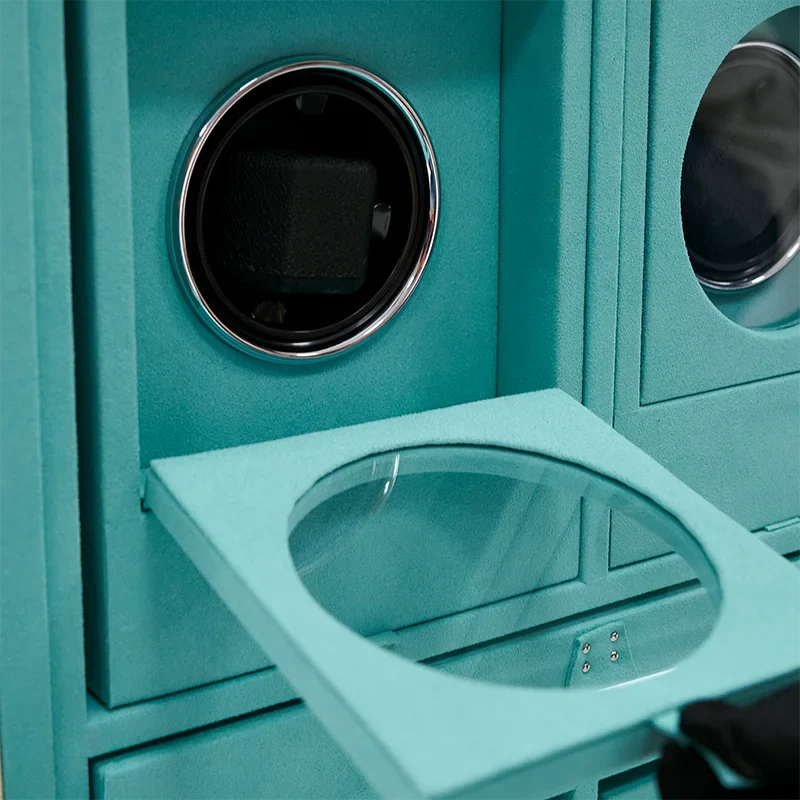
يجب أن تكون العملية الميكانيكية خالية من العيوب. يجب أن تكون المحركات غير مسموعة حقًا، وتعمل تحت 10 ديسيبل لضمان عدم إزعاجها أبدًا هدوء المسكن الخاص. يجب أن يكون الجزء الداخلي مبطنًا بمواد ناعمة وغير نشطة مثل الألكانتارا أو الجلد المعالج، لمنع أي احتمال للخدوش الدقيقة على الحواف المصقولة كالمرآة والأساور المتكاملة للموديلات مثل نوتيلوس.
بينما تقدم العلامات التجارية الكتالوجية حلولًا للساعات المتعددة، يسمح البرنامج المخصص بمستوى من التخصيص يتوافق مع مكانة المجموعة نفسها. فهو يأخذ في الاعتبار الوزن والأبعاد الدقيقة لكل ساعة، مما يضمن توازن كل حامل بشكل مثالي. يمكن دمجه بسلاسة في أعمال النجارة لغرفة تبديل الملابس أو الخزانة، مما يوفر أمانًا سريًا وعرضًا لا تشوبه شائبة. يتجاوز هذا المستوى من التنسيق مجرد الشراء. يصبح استثمارًا في الحيوية طويلة الأمد لأصولك في صناعة الساعات.
تستحق تحفة فنية ميكانيكية أن تُعرض في بيئة بنفس الدقة والتفكير. جهاز لف الساعات المصمم خصيصًا هو المكون الأساسي والأخير في رعاية إرث باتيك فيليب.

اترك تعليقًا
This site is protected by hCaptcha and the hCaptcha Privacy Policy and Terms of Service apply.