
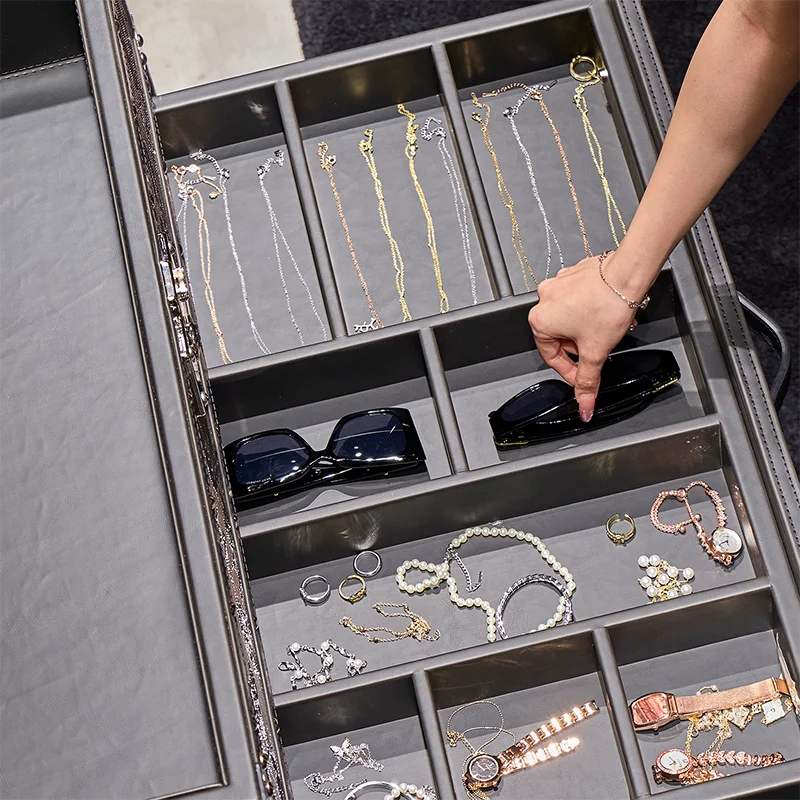
دليل العائلة السعودية: قبو مجوهرات الميراث الإسلامي
بالنسبة للعائلات المرموقة في المملكة العربية السعودية، لا يمثل الإرث مجرد حسابات مالية؛ بل هو أمانة مقدسة، تنتقل عبر الأجيال بعناية ونية عميقتين. ومع ذلك، يمثل التقسيم المادي للمقتنيات الثمينة – خاصة المجوهرات الفاخرة – تحديًا فريدًا وحساسًا. يتطلب مطابقة الأصول المادية مع متطلبات الشريعة الإسلامية الدقيقة والمنظمة إلهيًا أكثر من مجرد خزنة عادية. إنه يتطلب حلاً هندسيًا يضمن الوضوح المطلق، والسرية، والحفاظ على الانسجام العائلي، مما يضمن احترام شروط شهادة حصر الإرث القانونية بسلامة مادية.
دليل هذه المهمة
- معيار Sirae: مبادئ الإدارة المتوافقة مع الشريعة الإسلامية للأصول
- تحدي تقسيم المجوهرات بموجب قانون الميراث الإسلامي
- الخزائن متعددة الأدراج: وصاية منظمة للورثة المتعددين
- دليل للعائلة السعودية: تهيئة خزنة لشهادة حصر الإرث
معيار Sirae: مبادئ الإدارة المتوافقة مع الشريعة الإسلامية للأصول
الخلاصة الفنية: تتحدد بنية الخزائن المتوافقة مع الشريعة الإسلامية بثلاثة مبادئ أساسية: التجزئة المادية عبر نظام الأدراج المعياري، والتحكم في الوصول القابل للتدقيق من خلال المقاييس الحيوية، والحفاظ على قيمة الأصول بموجب فئات أمان VdS المعتمدة.
يتجاوز هذا الإطار مجرد التخزين البسيط. إنه يصبح أداة لتسلسل منظم، يحول الحصص القانونية المجردة إلى واقع مادي منظم بدقة. يوفر سجلًا ماديًا يحترم حصص الميراث المخصصة لكل فرد من أفراد الأسرة، مما يمنع بذكاء النزاعات التي قد تنشأ عن الأصول المختلطة وغير المقسمة.
المبدأ 1: التجزئة والفصل
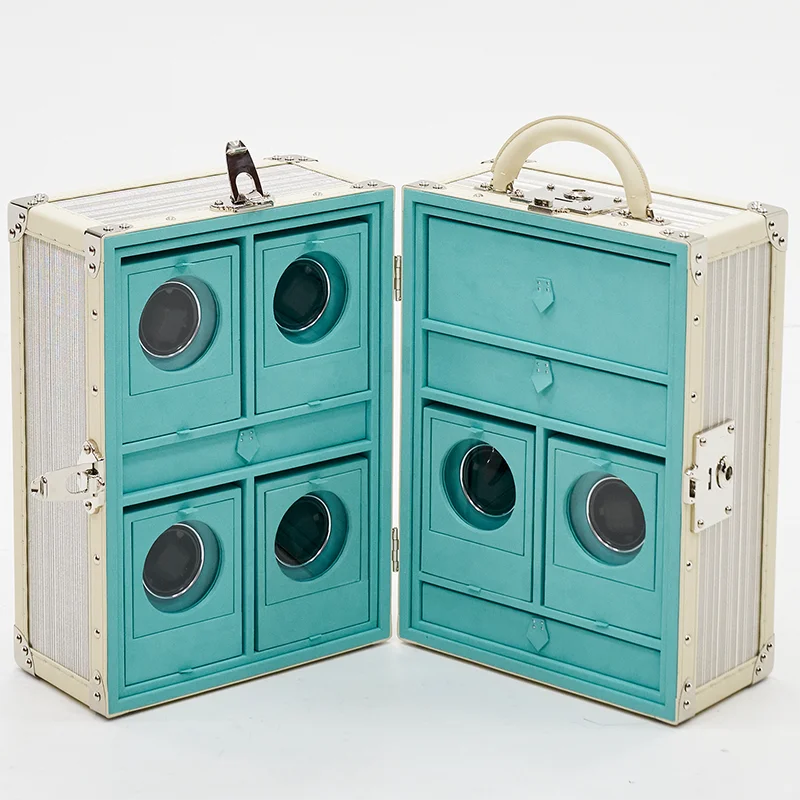
التحدي الأساسي في الميراث الإسلامي هو التقسيم الجزئي للأصول. تفشل الخزنة المتجانسة في هذا الاختبار تمامًا، مما يجبر العناصر غير القابلة للتقسيم على أن تبقى مشتركة، مما قد يؤدي إلى خلافات حول التقييم والتوزيع. يوفر نظام الأدراج المعياري الفصل المادي اللازم. فهو يسمح بتقسيم التركة إلى حجرات منفصلة ومؤمنة بشكل فردي — واحدة لكل وريث أو حصة حسب ما ينص عليه القانون، كل منها عالم خاص به.
المبدأ 2: وصول مستقل وقابل للتدقيق
التحكم في التركة خلال فترة التسوية أمر حاسم. يسمح نظام التحكم البيومتري في الوصول بتعيين حقوق وصول فريدة لكل درج منفصل، يتم تأكيدها بلمسة هادئة من طرف الإصبع. يمكن منح منفذ الوصية وصولًا رئيسيًا، بينما يمكن منح الورثة الفرديين حقوق عرض أو وصول ملكية في النهاية، مع تسجيل كل تفاعل في سجل غير قابل للتغيير وقابل للتدقيق. وهذا يمنع التعامل غير المصرح به ويضمن الشفافية طوال العملية بأكملها.
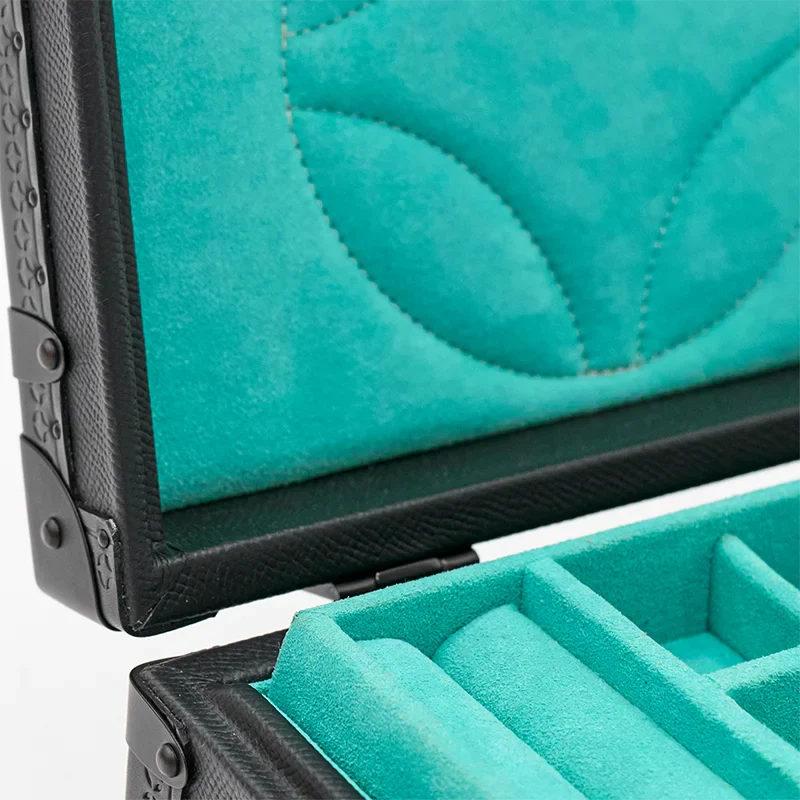
✍️ رؤية الخبير: يتسبب تآكل المعادن الثمينة بشكل رئيسي في تفاعل مركبات الكبريت في الغلاف الجوي مع سطح المعدن. بيئة الخزانة المغلقة والمتحكم فيها مناخيًا تقلل بشكل كبير من هذا التعرض، ولكن البطانات الفردية من المايكروسويد داخل كل درج توفر حاجزًا ثانويًا حاسمًا. تمتص المادة المخملية الناعمة الرطوبة المتبقية وتمنع التآكل الدقيق الخفيف الذي يمكن أن يحدث بين القطع. —— مختبر صيانة Sirae.
المبدأ 3: الأمن المادي المعتمد
يجب أن تكون القيمة الأساسية للتركة بأكملها غير قابلة للجدل. يجب أن يكون هيكل الخزانة نفسه معتمدًا وفقًا للمعايير الدولية المعترف بها، مثل فئات أمان VdS الألمانية. يوفر هذا الاعتماد تحققًا محايدًا من طرف ثالث لمقاومته ضد الهجمات المادية المعقدة، مما يضمن حماية أصول الإرث ليس فقط من الخلافات الداخلية ولكن أيضًا من أي تهديد خارجي أثناء تسوية الميراث.
تحدي تقسيم المجوهرات بموجب قانون الميراث الإسلامي
الخلاصة الفنية: الحصص الثابتة والكسرية للميراث التي فرضتها سورة النساء (مثل حصول الذكور على ضعف نصيب الإناث) دقيقة حسابياً للأصول السائلة. ومع ذلك، فإنها تخلق تعقيدات عملية كبيرة للتقسيم المادي للمقتنيات الأسرية غير القابلة للتجزئة وذات القيمة العالية مثل القلائد والخواتم والساعات.
مبادئ الميراث الإسلامي واضحة وعادلة، مصممة لضمان توزيع الثروة بعدل وإنصاف بين أفراد الأسرة. وكما هو منصوص عليه في القرآن الكريم، يتم تخصيص الحصص بدقة للأبناء والبنات والأزواج والآباء. هذه الكسور سهلة التطبيق على النقود أو الأوراق المالية. ومع ذلك، فإنها تواجه حاجزًا ماديًا عند تطبيقها على قلادة زفاف الجدة أو مجموعة الأب من الساعات النادرة.
لا يمكن تقسيم قطعة واحدة ذات قيمة مادية دون تدمير قيمتها، والأهم من ذلك، إرثها العاطفي. غالبًا ما يدفع هذا الواقع الورثة إلى مفاوضات صعبة، وخلافات محتملة حول التقييم السوقي، أو البيع المبكر لتاريخ العائلة العزيز. أو بالأحرى، ليس الأمر أن العملية نفسها تثير الاحتكاك، بل إنها تكشف الحاجة إلى آلية لإدارة هذه التعقيدات بالتبصر، في وقت يتطلب الوحدة والجلال.
الخزائن متعددة الأدراج: وصاية منظمة للورثة المتعددين
الخلاصة الفنية: تعمل الخزانة متعددة الأدراج المخصصة كمنفذ مادي لشهادة حصر الإرث. وتستخدم نظام أدراج معياري لتخصيص الأصول مسبقًا إلى حصص منفصلة وغير مختلطة، مع تطبيق نظام التحكم البيومتري في الوصول لفرض السلطة القانونية وتسلسل عملية الميراث.
بدلاً من مساحة واحدة مشتركة، يخلق هذا النهج قسمًا خاصًا ومحترمًا لكل حصة وريث. هذا التكوين ليس مجرد للتخزين؛ إنه أداة للدبلوماسية الوقائية، مصممة لمنع النزاعات قبل أن تبدأ. يوفر تمثيلاً ماديًا واضحًا للتوزيع القانوني، محترمًا حرف وروح الشريعة.
تسمح الهندسة المعمارية بتنفيذ الأدوات القانونية المحددة بدقة هادئة. يمكن وضع الجزء من التركة المخصص للوصية – حتى ثلث القيمة الإجمالية – في حجرة خاصة به، يتم التحكم فيها بشكل منفصل. وهذا يضمن احترام رغبات المتوفى الأخيرة دون ارتباك أو تداخل مع الحصص الإلزامية المستحقة للورثة الأساسيين، مما يجلب نظامًا هادئًا للعملية برمتها.
دليل للعائلة السعودية: تهيئة خزنة لشهادة حصر الإرث
الخلاصة الفنية: يعكس التكوين الأمثل الحصص الجزئية المفصلة في شهادة حصر الإرث الصادرة عن المحكمة السعودية مباشرة على تصميم الخزانة الفعلية. يتوافق عدد وحجم الأدراج مع حصة كل وريث القانونية، ويتم برمجة بروتوكولات الوصول لتتناسب تمامًا مع سلطة المنفذ.
تحول هذه العملية الخزانة من حاوية سلبية إلى أداة نشطة لتخطيط الخلافة. فهي توفر مسارًا واضحًا وعمليًا للعائلات في المملكة العربية السعودية لضمان نقل إرثها المادي بسلاسة تامة مثل أصولها المالية، متوافقة تمامًا مع القانون الوطني والمبادئ الإسلامية.
الخطوة 1: مواءمة هيكل الخزانة مع الشهادة
الخطوة الأولى، التي يتم القيام بها بتوجيه هادئ من المستشار القانوني للعائلة، هي تكليف تصميم داخلي للخزانة يعكس الواقع القانوني. إذا كانت شهادة حصر الإرث تحدد خمسة ورثة بحصص متفاوتة، فسيتم تكوين الخزانة بخمسة (أو أكثر) أدراج. يمكن أن تعكس الأبعاد النسبية حتى القيمة التناسبية المخصصة لكل وريث، مما يخلق خريطة مادية بديهية للميراث.
الخطوة 2: التخصيص المسبق والتقييم
مع وجود الهيكل في مكانه، يمكن للعائلة أو منفذ الوصية تخصيص الأصول ماديًا. يتم وضع كل قطعة مجوهرات، كل ساعة، بعناية في الدرج المخصص لحصة وريث معين. هذا الفعل المتمثل في التخصيص المسبق هو تحويلي. يسمح بتقييم العناصر وتسجيلها داخل حصصها المنفصلة، مما يمنع النزاعات حول أي الأصول تنتمي إلى أي حصة. العملية شفافة وموثقة وتحترم حقوق جميع المعنيين.
الخطوة 3: برمجة بروتوكولات الوصول
أخيرًا، يتم برمجة نظام التحكم البيومتري في الوصول. في البداية، قد يحتفظ منفذ التركة ببيانات الاعتماد الإدارية الوحيدة، مما يسمح له بالإشراف على عملية التقييم والتوثيق دون إزعاج. عند الانتهاء القانوني من الميراث، يتم نقل الوصول الكامل والمستقل إلى كل درج إلى الوارث المعني. يوفر هذا تسليمًا منظمًا وآمنًا وكريمًا، ويغلق فصلًا واحدًا من إرث العائلة ويبدأ الفصل التالي بسلاسة.
تُعد الإدارة الدقيقة لتراث العائلة مسؤولية جسيمة، تضمن أن يكون الإرث الذي يتم تمريره إرثًا من الوحدة والاحترام.

اترك تعليقًا
This site is protected by hCaptcha and the hCaptcha Privacy Policy and Terms of Service apply.