
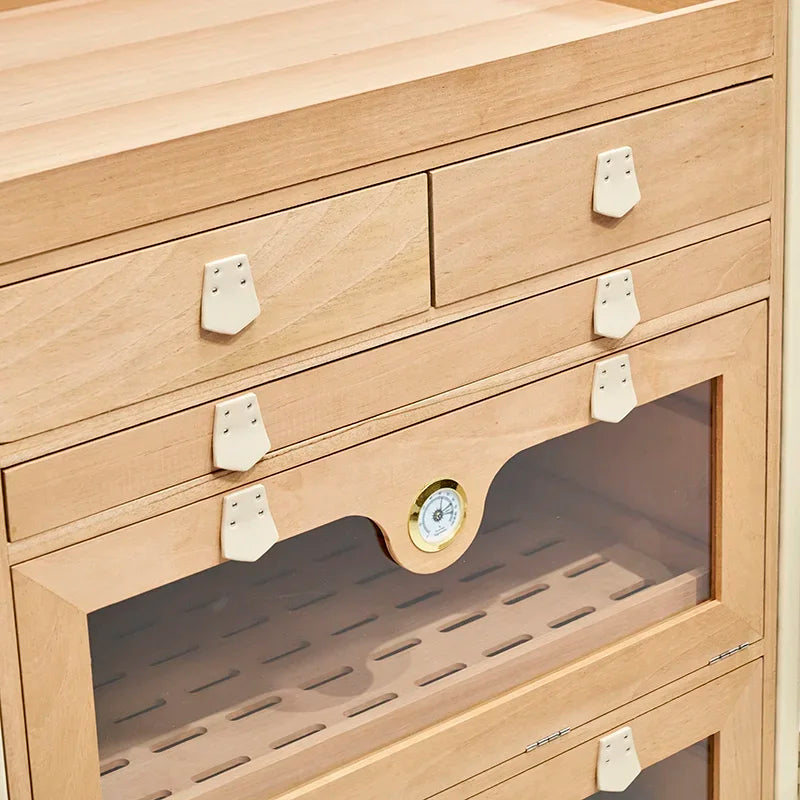
دليل مالك الفيلا لطلب خزانة نبيذ بخاصية التحكم بالمناخ في الإمارات العربية المتحدة
تفويض خزانة نبيذ لفيلا في الإمارات: دليل شامل
تعتبر مجموعة النبيذ المنسقة بعناية علامة على الذوق الرفيع، وأصلاً سائلاً تزداد قيمته بمرور الوقت. ومع ذلك، في المناخ الصعب لدولة الإمارات العربية المتحدة، يتطلب الحفاظ على هذا الاستثمار أكثر من مجرد التبريد القياسي؛ إنه يتطلب فلسفة هندسية مصممة خصيصًا للضغوط البيئية الفريدة للمنطقة. فالحلول الجاهزة، المصممة للمناخات الأوروبية المعتدلة، تفشل حتمًا عند مواجهة الحرارة العالية المستمرة والرطوبة المتقلبة في صيف الخليج.
يقدم هذا الدليل الإطار الضروري لتكليف خزانة نبيذ لا تندمج بسلاسة في الهندسة المعمارية لفيلا خاصة فحسب، بل تم تصميمها لتوفير استقرار مطلق لمجموعتك. وهو يتناول المواصفات الحيوية المطلوبة لمواجهة مناخ المنطقة، مما يضمن أن كل زجاجة تنضج تمامًا كما قصد صانع النبيذ.
دليل هذا التفويض
- معيار سيراي: الهندسة لمناخ الخليج
- لماذا تفشل الخزانات القياسية في الإمارات: الرطوبة، الحرارة، والضوء
- التقنيات الرئيسية لدمج الفيلا: التصميم المدمج والتحكم في الاهتزازات
- السعة واختيار الباب: الموازنة بين المجموعة، الجماليات، وحماية الأشعة فوق البنفسجية
معيار سيراي
الحكم الفني: يجب أن تحافظ خزانة النبيذ ذات الجودة العالية المخصصة للمجموعات في الإمارات العربية المتحدة على استقرار داخلي لدرجة الحرارة بمقدار ±0.5 درجة مئوية ورطوبة نسبية تتراوح بين 55-75%، في مواجهة درجات حرارة خارجية تتجاوز 45 درجة مئوية، باستخدام ضاغط استوائي، وزجاج واقٍ من الأشعة فوق البنفسجية منخفض الانبعاث، ونظام مخصص لإدارة الرطوبة النشطة.
| المعلمة | معيار سيراي المعتمد | نتيجة الأداء |
|---|---|---|
| استقرار درجة الحرارة | ±0.5 درجة مئوية فرق عن النقطة المحددة | يمنع الشيخوخة المبكرة والنكهات "المطبوخة". |
| التحكم في الرطوبة | نظام إدارة الرطوبة النشط (55-75% رطوبة نسبية) | يحافظ على سلامة الفلين؛ يمنع الأكسدة/التسرب. |
| فئة الضاغط | استوائي (فئة T)، منصة منخفضة الاهتزاز | أداء تبريد ثابت فوق 43 درجة مئوية درجة حرارة محيطة. |
| تزجيج الباب | متعدد الطبقات، مملوء بالأرجون، زجاج منخفض الانبعاثات | يحجب >99% من الأشعة فوق البنفسجية؛ يقلل التكثف. |
| التهوية | تهوية أمامية أو خلوص محدد للوحدات المدمجة | يضمن طول عمر المحرك وكفاءة الطاقة. |
| قابلية الخدمة | التشخيص في الموقع والوصول إلى المكونات | يضمن أداء الأصول على المدى الطويل في المنطقة. |
يتناول الجدول التالي حالات الفشل المحددة للبدائل الفاخرة ذات الإنتاج الضخم عند استخدامها في الظروف الصعبة لدبي ومنطقة الشرق الأوسط وشمال إفريقيا.
| فشل شائع في مناخ الإمارات (العَرَض) | المواصفات أو الآلية المطلوبة | التحقق |
|---|---|---|
| الدوران المستمر للضاغط والفشل المبكر | وحدة تبريد استوائية (فئة T) مصنفة لدرجة حرارة محيطة >43 درجة مئوية | تحقق من الورقة الفنية للوحدة لتصنيف فئة المناخ. |
| فلاّت جافة وهشة تؤدي إلى أكسدة النبيذ | نظام إدارة رطوبة نشط (وليس صواني سلبية) | قراءة مقياس الرطوبة الرقمي باستمرار 55-75% رطوبة نسبية. |
| تكثف على الأبواب الزجاجية؛ تقلب درجات الحرارة الداخلية | باب زجاجي متعدد الألواح ومغطى بمادة منخفضة الانبعاثية (Low-E) | المواصفات الفنية تؤكد ترشيح الأشعة فوق البنفسجية >99%. |
| نقص الفنيين المحليين المؤهلين للصيانة | فريق فني مخصص في المنطقة ومخزون قطع غيار | تأكيد اتفاقية مستوى الخدمة للرموز البريدية في الإمارات. |
تشكل هذه المعلمات الأساس غير القابل للتفاوض لأي برنامج جاد لحفظ النبيذ داخل الخليج.
لماذا تفشل خزانات النبيذ القياسية في مناخ الإمارات: الرطوبة والحرارة والضوء
الحكم الفني: خزانات النبيذ القياسية المزودة بضواغط من فئة ST (شبه استوائية) مصنفة لدرجات حرارة محيطة تصل إلى 38 درجة مئوية؛ وهي غير كافية من الناحية الفنية والميكانيكية لصيف الإمارات، مما يؤدي إلى فشل النظام وعدم استقرار درجة الحرارة وتلف لا رجعة فيه للنبيذ الفاخر.
التحدي الرئيسي هو الحرارة الشديدة للبيئة المحيطة. يتم دفع نظام تبريد الخزانة القياسية إلى حالة تشغيل دائمة، غير قادر على الوصول إلى دورة الراحة. هذا لا يزيد بشكل كبير من استهلاك الطاقة فحسب - وهو عامل مهم عند النظر في التكلفة الإجمالية للملكية على مدى عقد من الزمان - بل يؤدي أيضًا إلى فشل ميكانيكي مبكر، مما يترك مجموعة قيمة دون حماية.
نقطة فشل ثانية، لا تقل أهمية، هي الرطوبة. يمكن للهواء الداخلي الجاف الشائع في الفلل المكيفة بقوة أن يجفف الفلين، مما يؤدي إلى انكماشه ويسمح للأكسجين بالتسرب إلى الزجاجة. لذلك، فإن نظام إدارة الرطوبة الأصيل ليس رفاهية بل هو متطلب فني أساسي. يجب أن يقوم بإدخال الرطوبة وتنظيمها بشكل فعال، وهي وظيفة مميزة عن صواني الماء السلبية الموجودة في الوحدات الأقل جودة، والتي تكون غير فعالة في هذا المناخ.
أخيرًا، تشكل شدة الإضاءة في المنطقة تهديدًا مستمرًا. تعمل الأشعة فوق البنفسجية على تكسير الفينولات والتانينات المعقدة التي تمنح النبيذ الفاخر بنيته وقدرته على الشيخوخة. فالزجاج الملون القياسي غير كافٍ؛ فقط باب زجاجي مرشح للأشعة فوق البنفسجية مُصمم خصيصًا بطلاءات متخصصة يمكن أن يوفر الحماية اللازمة مع السماح بالعرض الجمالي للمجموعة.
التقنيات الرئيسية لدمج الفيلا: التصميم المدمج والتحكم في الاهتزاز
الحكم الفني: لدمج سلس في الفيلا، تتطلب خزانة النبيذ المدمجة تهوية أمامية لمنع ارتفاع درجة الحرارة داخل الأعمال الخشبية المخصصة، بينما يعد الضاغط منخفض الضوضاء والمخمّد للاهتزازات (<39 ديسيبل) ضروريًا لوضعه في مناطق المعيشة أو المساحات المفتوحة.
يُعد القرار بين خزانة نبيذ قائمة بذاتها ووحدة مدمجة أمرًا أساسيًا لعملية التصميم. فبينما توفر الخزانة القائمة بذاتها مرونة في التوضع، فإن النهج المدمج يوفر لمسة نهائية معمارية راقية. في سيراي، يمتد هذا ليشمل تحديد كسوات خارجية مصنوعة حسب الطلب، من ألواح القشرة الخشبية الصلبة الفاخرة إلى التشطيبات التي تعكس جمالية واجهة أسلاك النحاس المنسوجة يدويًا المميزة لدينا، مما يضمن أن تصبح الخزانة جزءًا متماسكًا من السرد الداخلي. يعتمد النجاح هنا بشكل كامل على تحديد وحدة مصممة للتركيب بدون خلوص، مع أنظمة تهوية تتنفس من الشبكة الأمامية، وليس من الجانبين أو الخلف. وهذا يمنع تراكم الحرارة الذي يمكن أن يشل نظام التبريد.
✍️ رؤية الخبراء: يمكن للاهتزازات الخفية والمستمرة من ضاغط قياسي أو أجهزة قريبة أن تزعج الرواسب في النبيذ القديم، مما يقلل من تعقيدها بمرور الوقت. تستخدم خزانة النبيذ ذات الدرجة العالية تركيبًا مخمدًا للاهتزاز للضاغط، وغالبًا ما تتميز رفوف نبيذ من الخشب الصلب، حيث يمتص الخشب هذه الاهتزازات الدقيقة بشكل طبيعي بفعالية أكبر بكثير من المعدن. —— مختبر سيراي للحفظ.
للمقتنين الذين يطلبون الصمت المطلق وعدم وجود اهتزازات، مثل التثبيت في جناح رئيسي أو مكتبة، توفر أنظمة التبريد المقسمة الحل الأمثل. تضع هذه التقنية وحدة التكثيف - مصدر الحرارة والضوضاء - عن بعد، غالبًا خارج المنزل، مع وجود وحدة المبخر الصامتة فقط داخل الخزانة. وهذا يسمح بالحفظ المطلق في أكثر مساحات المعيشة حساسية.
السعة واختيار الباب: الموازنة بين المجموعة، الجماليات، وحماية الأشعة فوق البنفسجية
الحكم الفني: يوفر الباب الصلب وغير الشفاف حماية مطلقة من الأشعة فوق البنفسجية وعزل حراري فائق، مما يقلل من تكاليف الطاقة على المدى الطويل. يوفر الباب الزجاجي عالي المواصفات ومتعدد الطبقات والمقاوم للأشعة فوق البنفسجية حماية تصل إلى 99% من الإشعاع الضوئي، مما يوفر توازنًا بين جماليات العرض والحفظ التقني المناسب لمعظم المجموعات.
بالنسبة للمستثمر الجاد الذي يركز بشكل بحت على النضج طويل الأمد، وخاصة نبيذ بورغندي الحساس أو الأنواع القديمة، يعد الباب الصلب الخيار الفني الأفضل. يوفر عزله المقوى البيئة الداخلية الأكثر استقرارًا ضد تقلبات درجات الحرارة الخارجية الشديدة، كتلك التي تشهدها فيلا في نخلة جميرا خلال أغسطس. وتترجم هذه الكفاءة الحرارية مباشرة إلى استهلاك أقل للطاقة على مدار عمر الخزانة.
ومع ذلك، بالنسبة للعديد من هواة جمع النبيذ، فإن التقدير البصري لزجاجاتهم جزء من تجربة الملكية. ويُعد الباب الزجاجي عالي الجودة المقاوم للأشعة فوق البنفسجية إنجازًا هندسيًا، حيث يتكون عادةً من لوحين أو ثلاثة ألواح زجاجية، مملوءة بغاز الأرجون الخامل، ومعالجة بطلاء منخفض الانبعاثية. يوفر هذا التجميع المعقد عزلًا حراريًا استثنائيًا مع حجب طيف الضوء الضار، مما يسمح بعرض واثق حتى في مساحة معيشة مضاءة جيدًا.
عند تكليف قطعة مثل خزانة نبيذ هيريتدج لوكس، يتم التوفيق بين هذه القرارات التقنية واختيار المواد. يمكن تحديد التشطيبات لتكمل المخطط الداخلي الحالي، ودمج تفاصيل مثل تركيبات النحاس الصلبة المصممة بدقة والأجهزة. يسمح النهج المخصص للهاوي بالتخطيط للنمو. فالخزانة التي تكون باستمرار أقل من 75% ممتلئة غير فعالة من حيث الطاقة. بالنسبة للمجموعة المتنوعة، التي تحتوي على كل من نبيذ بوردو للتعمير والشمبانيا للخدمة القريبة الأجل، تعد الوحدة ذات المنطقة المزدوجة أو متعددة درجات الحرارة ضرورية. وهذا يضمن أن كل زجاجة محفوظة في حالتها المثلى، ومحمية داخل قطعة فنية وظيفية تم بناؤها ليس فقط للمجموعة، ولكن للمنزل نفسه.
لتكليف خزانة نبيذ مصممة خصيصًا لمناخ الإمارات العربية المتحدة الفريد والمتطلبات المحددة لمسكنك، يوصى بإجراء استشارة خاصة. يتوفر متخصصونا لمناقشة مجموعتك وخططك المعمارية في صالة عرضنا بدبي على شارع جميرا بيتش رود. لتحديد موعد، يرجى الاتصال بخط VIP على الرقم +971 55 886 6180 أو إرسال استفسارك إلى info@siraecasa.com. تتم إدارة برامجنا المخصصة من معرضنا في الطابق الأول، مجمع الشارفر، شارع جميرا بيتش رود، أم سقيم 1، دبي، مع توفر خدمة التركيب والاعتناء بعد البيع في جميع أنحاء الإمارات العربية المتحدة، والمملكة العربية السعودية، ومنطقة الشرق الأوسط وشمال أفريقيا الأوسع عن طريق الموعد. يمكن الاطلاع على مزيد من التفاصيل على https://www.siraecasa.com.

تعليق واحد
Good morning,
I wanted to enquire further about your wine cabinet solutions for my home. Could you send a brochure and approximate costs?
Many thanks,
Simon
Simon Elliott
اترك تعليقًا
This site is protected by hCaptcha and the hCaptcha Privacy Policy and Terms of Service apply.