
المرطبات الكهربائية مقابل المرطبات الخاملة: دليل هواة جمع السيجار لفلل الإمارات العربية المتحدة
مرطبات كهربائية مقابل خزائن سلبية: دليل للمقتنين في فيلات الإمارات العربية المتحدة
بالنسبة للجامع المميز في الإمارات العربية المتحدة، فإن الحفاظ على مجموعة السيجار الفاخرة ليس مجرد مسألة تخزين بسيط، بل هو إدارة بيئية دقيقة. تشكل الحرارة المحيطة الشديدة في المنطقة وتقلبات الرطوبة تحديًا فريدًا، وهو ما غالبًا ما تفشل الحلول القياسية في تلبيته. لذا، فإن الاختيار بين مرطب كهربائي وخزانة سلبية تقليدية هو أمر بالغ الأهمية، وله تداعيات دائمة على سلامة ونضج مقتنياتك الثمينة.
يقدم هذا الدليل توضيحًا للاختلافات التقنية والاعتبارات الجمالية لاختيار برنامج تكييف السيجار المثالي لفيلا خاصة في الإمارات العربية المتحدة.
دليل هذه المهمة
- معيار سيراي: مقاييس الأداء القابلة للتحقق
- المناخ كعامل حاسم: لماذا تتطلب الإمارات العربية المتحدة تحكمًا نشطًا
- التكييف النشط مقابل السلبي: التكنولوجيا الأساسية
- من القبو إلى الدراسة: تكليف بالحل الأمثل لمنزلك
معيار سيراي
الحكم التقني: يجب أن توفر خزانة المرطب الموكلة مناخات دقيقة مستقرة، منخفضة الاهتزازات، ومبردة بشكل نشط، مع التحقق من الرطوبة النسبية بحدود ±1% والرطوبة النسبية ودرجة الحرارة بحدود ±1 درجة مئوية، بغض النظر عن دورات تكييف الهواء السكنية المتقطعة الشائعة في الإمارات العربية المتحدة.
يوضح الجدول أدناه الإخفاقات الشائعة الملاحظة في المرطبات القياسية ضمن مناخ الخليج والمواصفات الهندسية المطلوبة للحفاظ على مجموعة السيجار بمستوى احترافي حقيقي.
| العرض (فشل ملحوظ) | السبب الأساسي / الآلية | مواصفات سيراي والتحقق |
|---|---|---|
| تفشي العفن أو خنفساء التبغ | ارتفاع غير متحكم فيه لدرجة الحرارة عند إيقاف تشغيل مكيف الفيلا، متجاوزًا 24 درجة مئوية | نظام تبريد نشط (ضاغط أو حراري كهربائي) للحفاظ على بيئة مستقرة أقل من 21 درجة مئوية. |
| سيجار جاف، متصدع، أو مفكك | ترطيب سلبي يغلبه الجفاف المحيط | ترطيب منظم نشط مع تدوير هواء قسري، مما يضمن رطوبة نسبية متسقة عبر جميع الرفوف. |
| شيخوخة متسارعة أو غير متساوية | تقلبات واسعة في درجة الحرارة والرطوبة (دورات يومية) | مستشعرات بمعيار مخبري مع وحدات تحكم PID تتحقق من استقرار الرطوبة النسبية/درجة الحرارة ضمن نطاق ضيق وقابل للبرمجة. |
| أزيز أو اهتزاز مزعج في مساحات المعيشة | مكونات ضاغط أو مروحة من السوق الشامل | منصة ضاغط صامتة ومنخفضة الاهتزازات؛ تشغيل موثوق به بمستوى ضوضاء منخفض مناسب للدراسات الخاصة أو الأجنحة الرئيسية. |
| استهلاك عالٍ للطاقة | عزل ضعيف ودورات تبريد غير فعالة | عزل عالي الكثافة، أختام أبواب دقيقة، ومنطق تبريد فعال لتقليل استهلاك الطاقة. |
هذه المقاييس ليست مجرد ميزات، بل هي الركائز الأساسية لحماية الأصول على المدى الطويل، ويتحقق منها فريق التركيب الرئيسي لدينا قبل التسليم في أي سكن خاص.
المناخ كعامل حاسم: لماذا تتطلب الإمارات العربية المتحدة تحكمًا نشطًا
خلاصة القول: حرارة الإمارات العربية المتحدة المحيطة، مع تجاوز درجات الحرارة الداخلية 25 درجة مئوية غالبًا عند تخفيض تكييف الهواء المركزي، تجعل المرطبات السلبية غير قادرة على منع العفن، أو تفشي خنافس التبغ، أو تدهور النكهة.
قاعدة 70/70 الكلاسيكية—الحفاظ على السيجار عند حوالي 70 درجة فهرنهايت (21 درجة مئوية) و 70% رطوبة نسبية—هي المعيار المقبول عالميًا للشيخوخة المثالية. في المناخات الأوروبية المعتدلة، يمكن لخزانة سلبية جيدة الصنع مصنوعة من خشب الأرز الإسباني غالبًا أن تحافظ على الرطوبة. ومع ذلك، لا تملك القدرة على تبريد الداخل.
في فيلا في دبي، وخاصة في نخلة جميرا أو في تلال الإمارات حيث قد تكون الغرف غير مشغولة ويتم إلغاء تنشيط تكييف الهواء لفترات، سترتفع درجة الحرارة الداخلية للمرطب السلبي حتماً لتتوافق مع الحرارة المحيطة. هذا يخلق بيئة دافئة ورطبة خطرة، وهي أرض خصبة مثالية لخنافس التبغ والعفن، والتي يمكن أن تدمر مجموعة السيجار بشكل لا رجعة فيه في أيام.
لذلك، فإن العامل المحدد ليس مجرد الترطيب، بل التحكم في درجة الحرارة. يمكن فقط لمرطب مزود بتبريد نشط أن يخلق مناخًا دقيقًا مستقلًا ومستقرًا، عازلاً مجموعة قيمة من الحقائق القاسية لبيئة الخليج.
التكييف النشط مقابل السلبي: التكنولوجيا الأساسية
خلاصة القول: تستخدم المرطبات النشطة تبريدًا حراريًا كهربائيًا أو أنظمة تعتمد على الضاغط لتنظيم دقيق لدرجة الحرارة، بينما تعتمد الخزائن السلبية فقط على المواد الماصة والظروف المحيطة، ولا توفر أي حماية من الحرارة.
يعد فهم التمييز الميكانيكي بين هذين المفهومين أمرًا بالغ الأهمية عند التخطيط لمجموعة طويلة الأجل. المرطب السلبي، بغض النظر عن مدى روعته في الصنع من قبل صانعين مثل Elie Bleu، هو في الأساس صندوق محكم الإغلاق يمكنه فقط إضافة الرطوبة. أما المرطب النشط أو الكهربائي فهو قطعة متطورة من الآلات البيئية.
أنظمة الترطيب النشط
تدير خزانة الترطيب الكهربائية درجة الحرارة والرطوبة بشكل فعال. هناك تقنيتان أساسيتان لتحقيق ذلك:
- التبريد الكهروحراري: تستخدم هذه الطريقة ذات الحالة الصلبة تأثير بلتييه لنقل الحرارة. وهي هادئة للغاية وخالية من الاهتزازات، مما يجعلها مثالية للدمج في غرف الدراسة، غرف المعيشة، أو أجنحة غرف النوم حيث تكون السرية الصوتية ذات أهمية قصوى.
- التبريد القائم على الضاغط: يشبه هذا النظام قبو النبيذ الفاخر، ويوفر تبريدًا أقوى، مناسبًا للخزائن الكبيرة أو الوضع في المناطق الأكثر دفئًا من المنزل. تستخدم برامج سيراي المصممة خصيصًا ضواغط من درجة الاستوديو منخفضة الاهتزازات لضمان التشغيل الصامت المتوقع في فيلا خاصة.
على عكس العروض الجاهزة، تم تصميم المرطب النشط المصنوع حسب الطلب ليناسب الانسجام السكني، معالجة القضايا الحاسمة المتعلقة بالضوضاء التشغيلية واستهلاك الطاقة التي غالبًا ما يتم تجاهلها من قبل العلامات التجارية ذات الإنتاج الضخم.
✍️ رؤية الخبراء: الدور الأساسي لأرز الأسباني ليس مجرد الترطيب، بل المساهمة في النكهة. إنه يضفي رائحة مميزة حارة تتناغم بشكل جميل مع التبغ على مدى عقود. ومع ذلك، فإن خصائصه الماصة للرطوبة ثانوية بالنسبة للتحكم النشط في المناخ في بيئة ذات حرارة عالية. —— مختبر سيراي للحفظ.
حالة مرطب السيجار الكبير (Walk-In Humidor)
بالنسبة للمجموعات الكبيرة، قد يفكر المقتني في اقتناء مرطب سيجار كبير (Walk-in humidor). بينما يوفر سعة هائلة، تتطلب الغرفة المصممة خصيصًا دمجًا هيكليًا كبيرًا، ومحطة تحكم مخصصة في المناخ، ومصروفات طاقة أعلى بكثير على مدى عقد مقارنة بخزانة كبيرة مستقلة. بالنسبة للدراسة الخاصة في منزل في أبوظبي، توفر خزانة مدمجة بالكامل بجودة الأثاث سعة مماثلة لغرفة صغيرة للمرطب الكبير ولكن بكفاءة صوتية وجمالية فائقة، مع تجنب الحاجة إلى أعمال بناء مزعجة. يقدم المصنعون الرائدون مثل مرطبات واكوتا مثل هذه الغرف المخصصة، ولكن يجب موازنة تكاليف التشغيل والصيانة على المدى الطويل بعناية مقابل دقة وكفاءة خزانة جمع عالية الجودة.
من القبو إلى الدراسة: اختيار المنتج الأمثل لمنزلك
خلاصة القول: خزانة السيجار المخصصة تتجاوز مجرد كونها جهازًا، لتكون قطعة فنية وظيفية متناسقة صوتيًا وجماليًا وبعديًا مع التصميم الداخلي لفيلا سكنك.
بينما يقدم تجار التجزئة مثل Hemingway.ae مجموعة مختارة من المرطبات الكهربائية الجاهزة مع ضمان محلي وخدمة، فإن ذروة الحفاظ على السيجار تكمن في قطعة مصنوعة حسب الطلب. يسمح هذا النهج بحل ليس مجرد وضع في الغرفة، بل جزء لا يتجزأ من هندستها المعمارية وأجوائها.
تشمل اعتبارات الخزانة المصممة حسب الطلب ما يلي:
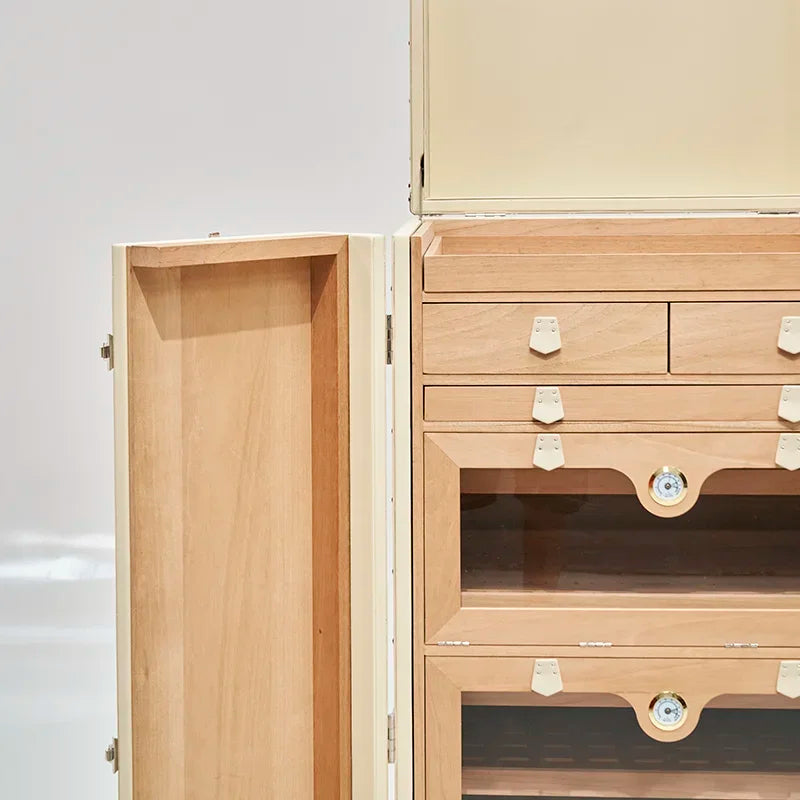
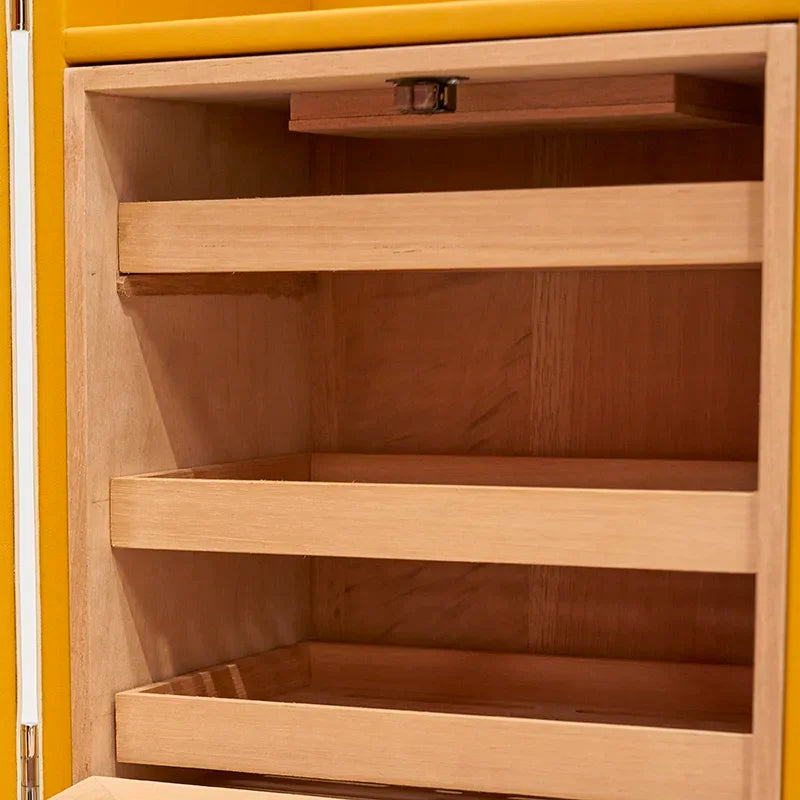
- السعة والتكوين: تُصنع الرفوف والأدراج من خشب الأرز الإسباني الصلب، وتُكوّن لتناسب مجموعتك الخاصة — من السيجار الفردي إلى صناديق كاملة من الأنواع الكوبية النادرة.
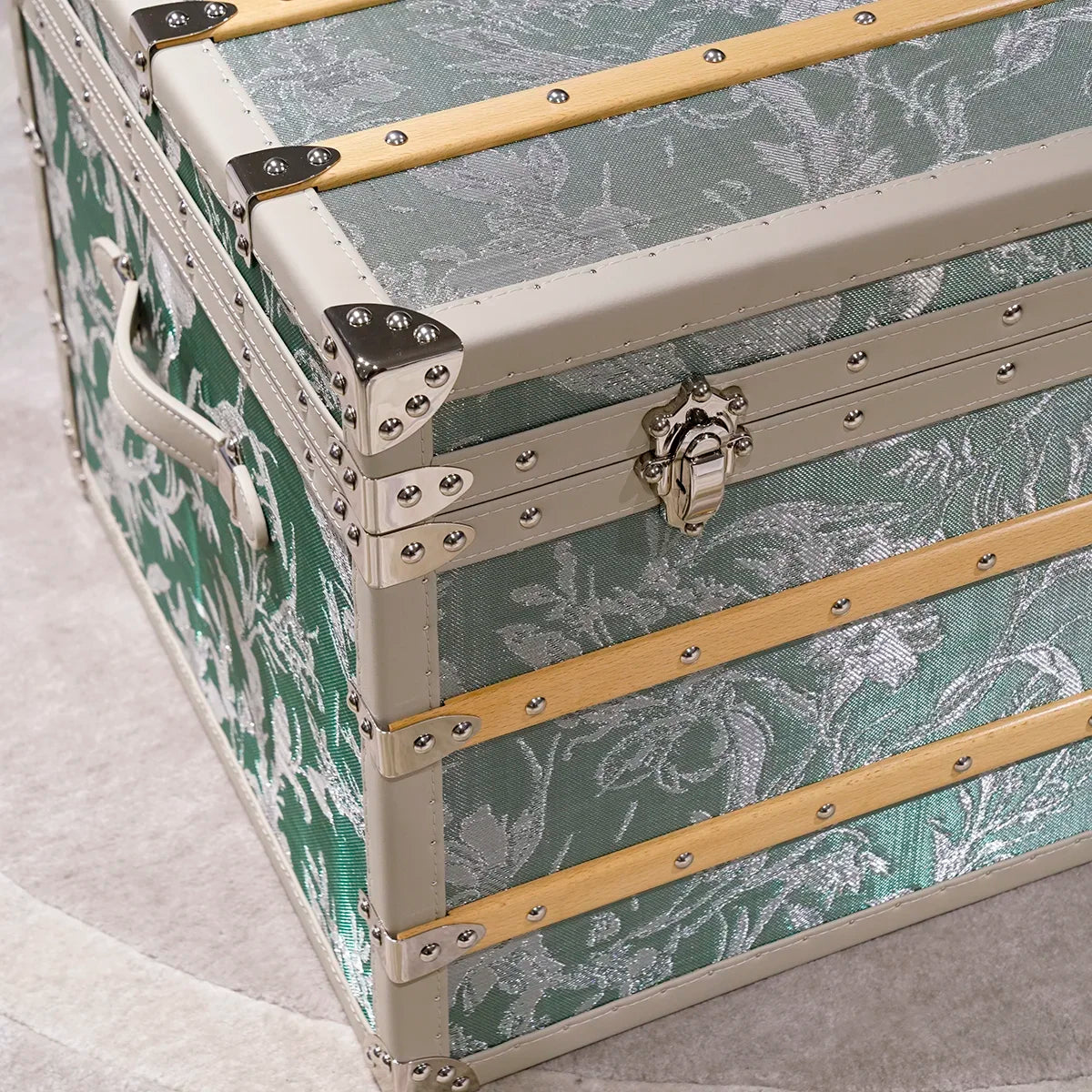
- المواد والتشطيب: يمكن تشطيب الجزء الخارجي ليتناسب مع الأعمال الخشبية الموجودة أو ليكون قطعة مميزة. على سبيل المثال، يتميز خزانة سيجار أوروم لوم - فضي بلوري من سيراي بواجهة فريدة من الأسلاك النحاسية المنسوجة يدويًا، مما يوفر لمعانًا معدنيًا خفيًا يكمل التصميمات الداخلية العصرية.
- الأبعاد والموقع: تُبنى القطعة المصممة حسب الطلب بأبعاد دقيقة (تبلغ أبعاد خزانة أوروم لوم 61 × 56 × 132 سم)، مما يتيح دمجها بسلاسة في جدار مكتبة أو مكتب أو صالة خاصة دون أي تنازلات.
- السرية والأمان: بالإضافة إلى التحكم في المناخ، يمكن للخزانة المصممة حسب الطلب أن تتضمن أقفالًا بيومترية وزجاجًا للخصوصية، مما يضمن أمان المجموعة وصيانتها بسرية.
في النهاية، قرار تكليف بتصميم مرطب هو استثمار في اليقين — يقين الحفاظ المثالي، والتكامل الجمالي السلس، والثقة الهادئة بأن مجموعتك محمية بهندسة مصممة لتلبية المتطلبات الفريدة لحياتك ومناخك.
لاستكشاف برنامج تكييف السيجار المخصص، ندعوك لحضور استشارة خاصة. يتوفر أخصائيونا لمناقشة مجموعتك ومتطلبات سكنك في صالة عرضنا بدبي على شارع جميرا بيتش رود. لترتيب موعد، يرجى الاتصال بخط كبار الشخصيات على +971 55 886 6180 أو البريد الإلكتروني info@siraecasa.com. يمكن الاطلاع على النطاق الكامل لأعمالنا على https://www.siraecasa.com، مع تركيبات مختارة من صالة عرضنا في الطابق الأول، مجمع الشفار، شارع جميرا بيتش رود، أم سقيم 1، وتسليمها للعملاء المميزين في جميع أنحاء الإمارات العربية المتحدة.

اترك تعليقًا
This site is protected by hCaptcha and the hCaptcha Privacy Policy and Terms of Service apply.