
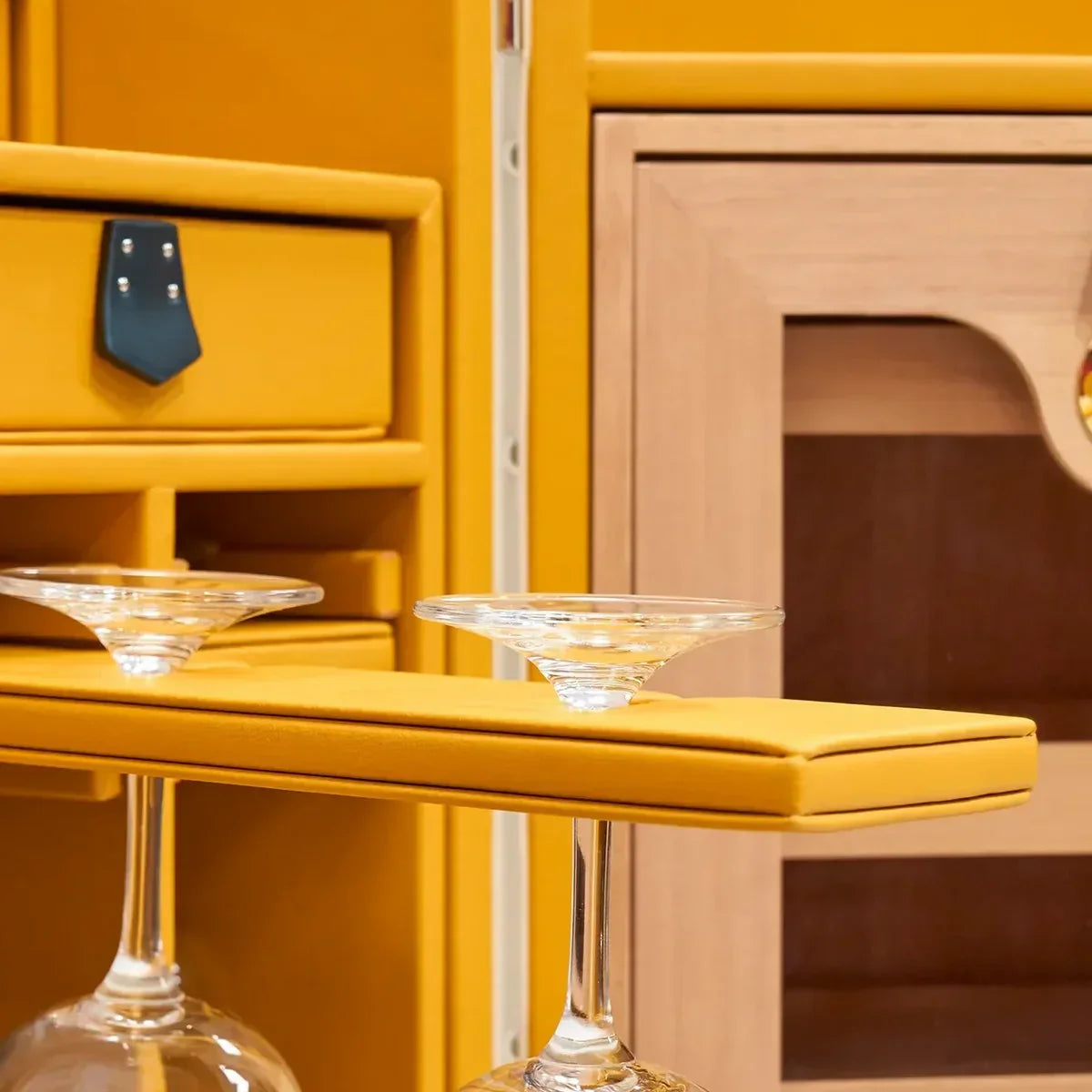
أفكار لتصميم البار المنزلي والجزيرة في فلل دبي (2026)
أفكار تصميم جزيرة ومنضدة بار منزلي لفلل دبي (2026)
لقد حلت منضدة البار المنزلية بهدوء محل طاولة الطعام الرسمية كنقطة ارتكاز اجتماعية في فيلا دبي. وخلال عام 2025 وحتى عام 2026، تحول الموجز الذي يصل إلى صالة عرضنا في أم سقيم من "مكان لتخزين الزجاجات" إلى برنامج صالة كامل: جدار للويسكي في الدراسة، وركن للسيجار مع تحكم مناسب في الرطوبة، وجزيرة بار في المجلس يدور الضيوف حولها كما كانوا يدورون حول البوفيه في السابق. يرسم هذا الدليل ستة تصاميم مجربة – مع الحد الأدنى من المساحات، وارتفاعات المنضدة، وخيارات المواد – بحيث يشغل البار مساحته الخاصة بدلاً من استعارتها.
لماذا تحل مناضد البار المنزلية محل تناول الطعام الرسمي في فلل دبي؟
إجابة سريعة: تحول الترفيه في فلل دبي من العشاء الجالس إلى الضيافة المتنقلة والوقوف. تخدم منضدة البار المنزلية 8-12 ضيفًا من مساحة 1-2 متر مربع، وتدعم اتجاه صالة الويسكي والسيجار لعام 2026، وتتضاعف كخزانة عرض للمجموعات - وهي ثلاث وظائف لا تستطيع طاولة الطعام القيام بها.
هناك ثلاث قوى تدفع هذا التحول. أولاً، تفضل تقاليد المجلس بالفعل الخدمة المتنقلة على الجلوس الثابت، لذلك فإن نقطة ارتكاز بارتفاع منضدة تتناسب مع ثقافة الغرفة. ثانياً، أصبحت المشروبات الروحية والسيجار القابلة للجمع فئات عرض بحد ذاتها: يريد المالكون رؤية الزجاجات والقنينات والملحقات خلف الزجاج، وليس مخبأة في خزانة المطبخ. ثالثاً، تتضمن مخططات فلل ما بعد عام 2020 بشكل متزايد صالة عائلية أو غرفة ألعاب حيث تكون طاولة البار المنزلية هي المحور الطبيعي.
القيود هي المناخ. تجلس الأجواء الداخلية المكيفة في دبي بالقرب من 25% رطوبة نسبية بينما يصل الهواء الصيفي الخارجي إلى 80-90% رطوبة نسبية عند 45 درجة مئوية وما فوق، وفقًا للمركز الوطني للأرصاد الجوية في الإمارات العربية المتحدة National Center of Meteorology. يتم تصفية كل قرار مادي أدناه من خلال هذا التقلب.

ستة تصاميم لمنضدة و جزيرة بار تعمل في 2026
1. جزيرة البار في المجلس
تتيح جزيرة البار المستقلة الموضوعة بين مجموعات الجلوس وصولاً للخدمة من جميع الجهات (360 درجة). خصص مساحة 150 × 70 سم للجزيرة نفسها بالإضافة إلى 100-120 سم من المساحة الحرة على كل جانب، بحيث تحتاج المنطقة الكاملة حوالي 9 أمتار مربعة. ارتفاع المنضدة البالغ 105 سم يناسب الضيوف الواقفين؛ وتحتوي الرفوف الداخلية على الأواني الزجاجية والزجاجات الاحتياطية. واجهة من الأسلاك النحاسية المنسوجة يدويًا - كما في خزانة جزيرة Aurum Loom Display Island باللونين الأبيض والأسود المزخرفة بالزهور المصنوعة من النحاس - تحافظ على المحتويات مرئية من جميع الجوانب الأربعة بينما يحميها الهيكل المتين من الغبار.
2. بار زاوية غرفة المعيشة
حيث يجب أن يبقى المجلس رسميًا، يعمل تصميم متناسق مع الجدار في غرفة المعيشة بدءًا من 120 × 45 سم. القاعدة التخطيطية: حافظ على المنضدة في حدود 4 أمتار من أماكن الجلوس ولكن خارج خط المشي الرئيسي. لوحة ألوان أفتح مثل جزيرة Blossom Pink النحاسية تقرأ كأثاث عرض في النهار ومنضدة خدمة في الليل — مفيد عندما يشارك البار الغرفة مع الحياة الأسرية.
3. ركن الويسكي والسيجار في الدراسة
الطلب المميز لعام 2026. المواصفات: خزانة مغلقة بحجم 100 × 45 سم مع رف تذوق بارتفاع 95-100 سم، توضع بعيدًا عن النوافذ (تضر الأشعة فوق البنفسجية بالويسكي والأرز). يحتاج السيجار إلى مرطب خاص يتم الحفاظ عليه عند رطوبة نسبية تتراوح بين 65-70%؛ لا تقم أبدًا بتخزينه داخل خزانة البار نفسها، حيث تتبع الرطوبة تكييف الهواء. قطعة مثل خزانة بار Aurum Loom من النحاس الفضي المصنفر تحافظ على الزجاجات منتصبة ومحكمة الغلق وخالية من الغبار، مع أجهزة نحاسية صلبة وأبواب ذات إغلاق ناعم تناسب غرفة هادئة.
4. طاولة بار دائرية بجانب غرفة الطعام
للمقبلات قبل العشاء، تستوعب طاولة بار دائرية بقطر 70-80 سم وارتفاع 105-110 سم مقعدين إلى ثلاثة مقاعد وتتطلب حوالي 3 أمتار مربعة فقط بما في ذلك مساحة المقاعد. يلغي السطح الدائري تصادمات الزوايا في مناطق العبور - وهو السبب الرئيسي الذي يجعل الأشكال الدائرية تتفوق على الأشكال المربعة بالقرب من غرف الطعام.
5. بار تراس السطح (اقرأ التحذيرات)
تفشل بارات التراسات في دبي أكثر من أي تصميم آخر. القواعد: لا تستخدم الرخام الطبيعي الدائم أو الخشب المدهون بالزيت في الهواء الطلق (الحفر، التبييض، والحركة خلال صيف واحد)؛ اختر الحجر الملبد أو المعدن المطلي بالمسحوق؛ قم بتخزين جميع الزجاجات والأواني الزجاجية في الداخل وقدم المشروبات من عربة متنقلة بحجم حوالي 75 × 45 سم. تعامل مع التراس كنقطة خدمة، وليس نقطة تخزين.
6. منضدة بار منزلية صغيرة للشقق
تُصمم منضدة البار المنزلية الصغيرة في شقة في وسط المدينة أو مرسى دبي بشكل عمودي: خزانة طويلة على مساحة 60 × 45 سم تحمل الزجاجات في مستوى العين، والأواني الزجاجية أسفلها، وسطح تقديم بارتفاع 105 سم. توضح خزانة عرض الجزيرة الجلدية المنطق المدمج البديل — جزيرة منخفضة تتضاعف كطاولة كونسول عندما لا تكون قيد الخدمة.
| السيناريو | الشكل الموصى به | الحد الأدنى للمساحة | ارتفاع المنضدة |
|---|---|---|---|
| قطعة مركزية في المجلس | جزيرة بار قائمة بذاتها | 150 × 70 سم + 100 سم فراغ | 105 سم |
| زاوية غرفة المعيشة | منضدة بار محاذاة بالجدار | 120 × 45 سم | 105 سم |
| ركن الويسكي في غرفة الدراسة | خزانة بار مغلقة + رف تذوق | 100 × 45 سم | 95–100 سم |
| بجانب غرفة الطعام | طاولة بار دائرية | Ø 70–80 سم | 105–110 سم |
| شرفة السطح | عربة متنقلة (لا يوجد بار ثابت) | 75 × 45 سم | 90 سم |
| شقة مدمجة | خزانة طويلة/ منضدة بار صغيرة | 60 × 45 سم | 105 سم |
جزيرة البار أم خزانة الحائط: أي تصميم أفضل في الحركة؟
الخلاصة الفنية: تتفوق جزيرة البار المستقلة على منضدة البار المنزلية المثبتة على الحائط عندما تسمح الغرفة بمسافة 100 سم من جميع الجوانب: فهي تخدم الضيوف من أربعة وجوه في وقت واحد وتخفض أوقات الانتظار إلى النصف في أوقات الذروة. أما بالنسبة لغرفة مساحتها أقل من 16 مترًا مربعًا تقريبًا، فتفوز خزانة الحائط - فهي تحافظ على مسار دوران واحد نظيف.
فكر في الأمر كهندسة مرور. تخلق الجزيرة حلقة: يقترب الضيوف ويجمعون ويخرجون من جوانب مختلفة، بحيث يمكن خدمة شخصين أو ثلاثة في وقت واحد. تخلق خزانة الحائط طريقًا مسدودًا: خط اقتراب واحد، وخط تراجع واحد، وهو أمر جيد لأسرة من المستخدمين اليوميين ولكنه يتوقف عند تجمع 15 ضيفًا. الإجابة الهجينة التي يستقر عليها العديد من مالكي فلل دبي هي كلاهما - خزانة حائط مغلقة لحفظ المخزون والمشروبات، بالإضافة إلى جزيرة تنبض بالحياة في ليالي الاستضافة.

ما هي مادة منضدة البار التي تصمد أمام مناخ دبي؟
الخلاصة: في الداخل، يعمل الرخام الطبيعي وواجهات الأسلاك النحاسية فوق الخشب الصلب بشكل جيد عند درجة حرارة ثابتة تبلغ 24 درجة مئوية / 25% رطوبة نسبية. يحتاج الخشب الصلب إلى إعادة التزييت مرتين سنويًا مع دورات الرطوبة. في الهواء الطلق، فقط الحجر الملبد والمعدن المطلي بالبودرة يصمدان أمام حرارة 45 درجة مئوية والأشعة فوق البنفسجية والغبار دون تلف موسمي؛ يجب ألا توضع الرخام والأخشاب المدهونة بالزيت أبدًا في الشرفة.
| سطح المنضدة | تحمل الحرارة والأشعة فوق البنفسجية | تقلبات الرطوبة النسبية 25↔90% | روتين التنظيف | أفضل مكان |
|---|---|---|---|---|
| رخام طبيعي | مقاوم للحرارة؛ الكحول والحمضيات تحفر التلميع | مستقر | منظف متعادل الحموضة؛ إعادة الإغلاق سنويًا | جزر داخلية |
| خشب مصمت (جوز/بلوط) | يتغير لونه في ضوء الشمس المباشر | يتحرك مع دورات التكييف؛ قد يتشقق | امسح الانسكابات بسرعة؛ أعد التزييت مرتين سنويًا | زوايا الدراسة |
| أسطح نحاسية / برونزية | مقاومة للحرارة؛ تتأكسد بأناقة في الداخل | يتسارع التآكل في الهواء الطلق | فقط الألياف الدقيقة الجافة؛ لا مواد كاشطة | بارات العرض الداخلية |
| حجر ملبد / كوارتز | الأفضل في فئته في الهواء الطلق | خامل | أي منظف منزلي | تراسات السطح |
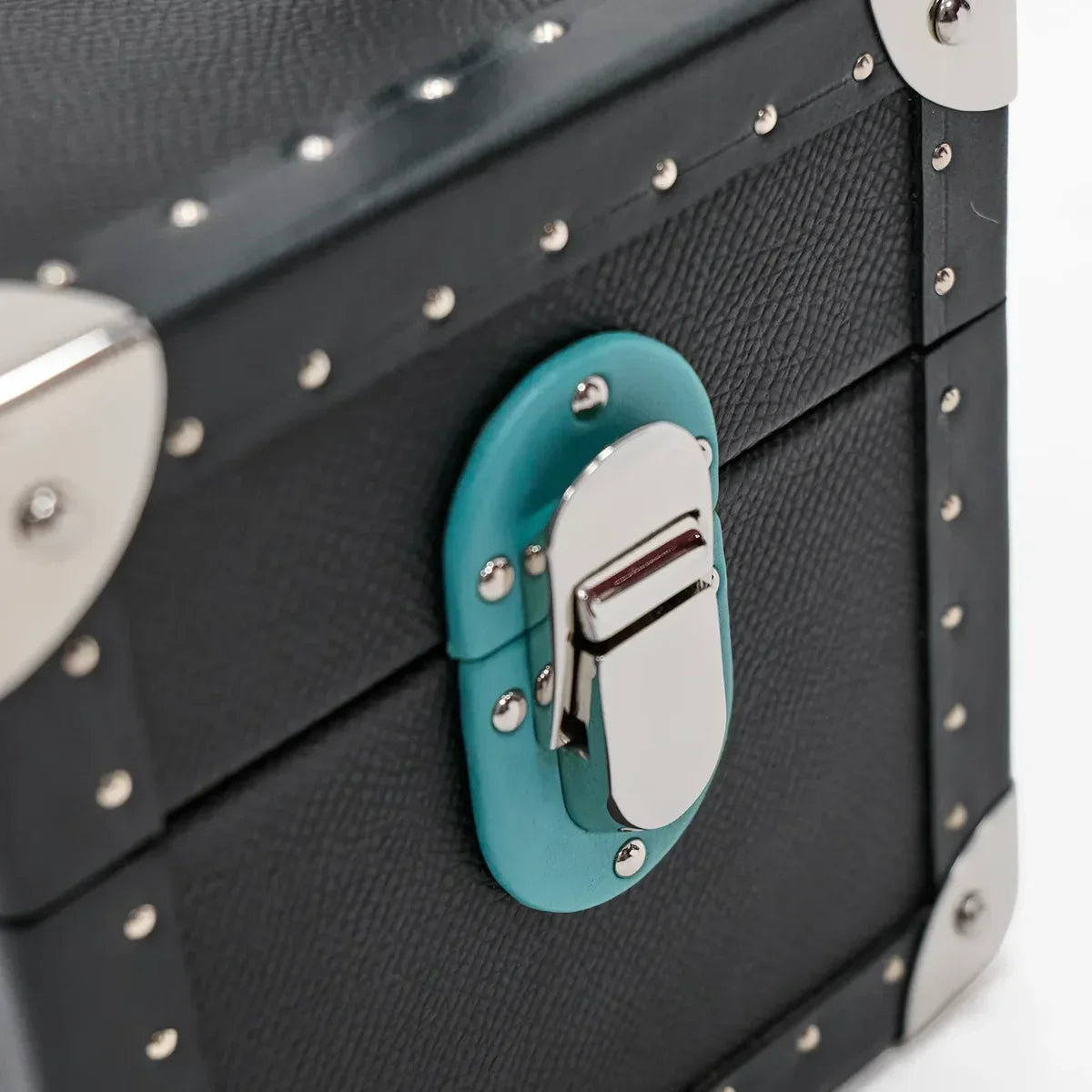
بالنسبة لهيكل الخزانة بدلاً من الجزء العلوي، يتمتع الهيكل الصلب المصنوع من الأسلاك النحاسية المنسوجة يدويًا بميزة هيكلية في دول مجلس التعاون الخليجي: فالواجهة المعدنية المنسوجة لا تتشوه أو تتفكك أو تتلاشى بالطريقة التي يمكن أن تفعلها القشرة الخشبية، وتحافظ البطانة الداخلية المصنوعة من جلد المايكروفايبر المقاوم للتآكل على الأواني الزجاجية والملصقات خالية من الغبار الناعم الذي يستقر حتى في الأماكن المغلقة.
الإضاءة والعرض: اجعل المنضدة تبدو كواجهة عرض
حتى أفضل منضدة بار منزلية تُقرأ كأثاث عادي حتى يتم إضافة طبقات الإضاءة. الصيغة العملية: إضاءة بيضاء دافئة بدرجة حرارة 2700-3000 كلفن في جميع أنحاء المكان؛ إضاءة داخلية للرفوف داخل أي خزانة زجاجية بحيث تتوهج الزجاجات بعد حلول الظلام؛ إضاءة متدلية أو إضاءة صور فوق سطح التقديم بارتفاع 70-80 سم فوق المنضدة؛ وكل ذلك على مفتاح خافت للضوء، لأن البار المضاء بالكامل يبدو كالمطبخ. رتب الزجاجات في صفوف مفردة متجهة للأمام — التخزين العميق هو تخزين، وليس عرض — وامنح القناني والكريستال رفًا خاصًا بهما حيث يمكن للضوء الداخلي أن يمر من خلالهما.

الأسئلة الشائعة
ما هو الارتفاع الصحيح لمنضدة البار المنزلية؟ 105–110 سم لبار الوقوف الذي يقدم مع مقاعد البار (ارتفاع المقعد 75 سم). إذا كنت تفضل مقاعد المائدة بارتفاع 65 سم، فخفض السطح إلى 90 سم. حافظ على بروز 25–30 سم حيث توضع المقاعد.
ما هي المساحة التي يحتاجها شريط بار منزلي صغير؟ يعمل التنسيق العمودي "طويل القامة" من مساحة 60 × 45 سم بالإضافة إلى 90 سم من مساحة الوقوف - حوالي 1.2 متر مربع إجماليًا. تحتاج جزيرة التقديم إلى حوالي 9 أمتار مربعة بمجرد احتساب مساحة 100 سم من جميع الجوانب.
هل يمكنني الاحتفاظ بمنضدة بار رخامية على تراس سطح في دبي؟ لا ينصح بذلك. درجات حرارة السطح في الصيف، والأشعة فوق البنفسجية، والغبار المحمول بالهواء يحفران ويبيضان الرخام الطبيعي خلال موسم واحد، وتسرع الرطوبة النسبية بنسبة 80-90% من عملية التصبغ. استخدم الحجر الملبد أو المعدن المطلي بالمسحوق في الهواء الطلق وقم بتخزين الزجاجات في الداخل.
هل يجب تخزين السيجار داخل خزانة البار؟ لا. تتتبع الأجزاء الداخلية من خزانة البار الرطوبة المكيفة بالقرب من 25% رطوبة نسبية؛ يتطلب السيجار رطوبة نسبية تتراوح بين 65-70%. احتفظ بمرطب خاص بجانب الخزانة واحتفظ بالخزانة للزجاجات والأواني الزجاجية والإكسسوارات.
شاهد جزر وخزائن البار شخصياً
نادراً ما تتطابق مخططات الأرضيات مع الكتيبات، ولهذا السبب يصبح اتخاذ أي قرار بشأن منضدة بار منزلية أسهل عند الوقوف بجانب القطعة. يعرض صالة عرض Sirae في مجمع الشفر، أم سقيم 1، دبي جزر وخزائن البار المصنوعة من الأسلاك النحاسية المذكورة في هذا الدليل، ويمكن ترتيب مواعيد مشاهدة خاصة لتناسب قياسات فيلتك. اتصل على الرقم +971 55 886 6180 أو راسل info@siraecasa.com لحجز جلسة تقييم خاصة.
%0A%D9%84%D9%82%D8%AF%20%D8%AD%D9%84%D8%AA%20%D9%85%D9%86...)
اترك تعليقًا
This site is protected by hCaptcha and the hCaptcha Privacy Policy and Terms of Service apply.