
تأمين محتويات المنزل في الإمارات العربية المتحدة: حدود المادة الواحدة، الخزائن وجدولة مقتنياتك الثمينة (2026)
تأمين محتويات المنزل في الإمارات العربية المتحدة: ما الذي تغطيه بوليصتك حقًا للمقتنيات الثمينة
نادرًا ما يغطي تأمين محتويات المنزل في الإمارات العربية المتحدة مجموعة المجوهرات الفاخرة أو الساعات بالطريقة التي يفترضها أصحابها — وتظهر الفجوة في أسوأ لحظة ممكنة، عند تقديم مطالبة. تتعامل بوليصات محتويات المنزل القياسية مع المجوهرات والساعات والذهب كعناصر "عالية المخاطر" وتحد من قيمتها ضمن حد لمادة واحدة وحد فرعي إجمالي للمقتنيات الثمينة. القطعة التي تزيد قيمتها بكثير عن هذا الحد لا تُغطى إلا جزئيًا ما لم يتم "تحديدها" بشكل فردي (تخصيصها) مع شركة التأمين، وعادة ما يدعمها تقييم وتحفظ في مكان آمن قابل للقفل. يشرح هذا الدليل كيفية عمل هذه الآليات للمقيمين في الخليج — الحدود الفرعية، وعملية التخصيص، وشرط التخزين الآمن، وما يحدث بالفعل وقت المطالبة.
كيف يتعامل تأمين محتويات المنزل في الإمارات العربية المتحدة مع المجوهرات؟
إجابة سريعة: بوليصة تأمين محتويات المنزل في الإمارات العربية المتحدة تؤمن المحتويات العامة لمنزلك حتى مبلغ تأمين إجمالي، ولكنها تقسم المجوهرات والساعات والمقتنيات الثمينة الأخرى إلى فئة "عالية المخاطر" منفصلة ذات سقف خاص بها. يطبق حدان في وقت واحد: حد لمادة واحدة (أقصى ما تدفعه البوليصة لأي مادة واحدة) وحد فرعي للمقتنيات الثمينة (أقصى ما تدفعه لجميع المقتنيات الثمينة مجتمعة). القطع ذات القيمة العالية التي تتجاوز حد المادة الواحدة لا تُغطى بالكامل ما لم يتم تحديدها بشكل فردي.
تتبع معظم بوليصات المحتويات المباعة في الإمارات العربية المتحدة — سواء كانت موزعة عن طريق البنوك، أو مرتبة من قبل وسطاء، أو مباشرة من شركة التأمين — هذا الهيكل. قد يصل إجمالي مبلغ تأمين المحتويات إلى 150,000 درهم إماراتي، أو 250,000 درهم إماراتي، أو أعلى في الفئات المميزة، ولكن يتم تقييد الجزء الخاص بالمقتنيات الثمينة ضمنه. والمنطق هو اكتواري: المجوهرات والساعات صغيرة، محمولة، سهلة الإخفاء، وتستهدف بشكل غير متناسب، لذا فإن شركات التأمين تحيط تعرضها.
النتيجة العملية هي أن الرقم 250,000 درهم إماراتي في جدول البوليصة ليس هو الرقم الذي يحمي ساعة واحدة بقيمة 180,000 درهم إماراتي. هذه الساعة تقع ضمن حد المادة الواحدة — وإذا كان هذا الحد، على سبيل المثال، 20,000 درهم إماراتي، فإن القيمة المتبقية البالغة 160,000 درهم إماراتي ببساطة غير مؤمنة حتى يتم تحديد القطعة. لمعالجة شاملة لكيفية تقييم القطع الفردية وإعادة تقييمها بمرور الوقت، راجع دليلنا المصاحب، تأمين وتقييم المجوهرات في الإمارات العربية المتحدة؛ تركز هذه المقالة على آليات بوليصة المحتويات التي تدور حول هذا التقييم.
يرجى ملاحظة: هذه المقالة معلومات عامة، وليست نصيحة تأمينية أو مالية. تختلف صيغ البوليصات والحدود والشروط بين شركات التأمين في الإمارات العربية المتحدة وتتغير بمرور الوقت — دائمًا تأكد من الشروط والحدود الفرعية ومتطلبات التخزين الدقيقة مع شركة التأمين الخاصة بك أو الوسيط المرخص قبل الاعتماد على التغطية.
ما هو حد المادة الواحدة — ولماذا هو مهم جدًا؟
الخلاصة: حد المادة الواحدة هو الحد الأقصى الذي ستدفعه بوليصة المحتويات لأي مادة غير محددة، بغض النظر عن قيمتها الحقيقية. يتم التعبير عنه عادة إما كمبلغ ثابت أو كنسبة مئوية من إجمالي مبلغ تأمين المحتويات (عادة حوالي ربع إلى ثلثه). إذا تجاوزت هذه القطعة الحد، فإن القيمة الزائدة غير مؤمنة — تدفع البوليصة الحد الأقصى ولا شيء أكثر.
هذا هو الشرط الأكثر سوء فهم في البوليصة. يرى المالك مبلغًا إجماليًا مؤمنًا جيدًا ويفترض أن كل بند مغطى بقيمته الكاملة. في الواقع، يحكم حد المادة الواحدة كل قطعة بشكل مستقل. يوضح الجدول أدناه كيفية تفاعل الحدين لمجموعة افتراضية على بوليصة بحد ثابت للمادة الواحدة يبلغ 20,000 درهم إماراتي وحد فرعي للمقتنيات الثمينة يبلغ 60,000 درهم إماراتي.
| القطعة | القيمة الحقيقية | حد القطعة الواحدة | التغطية إذا تركت غير محددة | النقص |
|---|---|---|---|---|
| خاتم الخطوبة | 45,000 درهم إماراتي | 20,000 درهم إماراتي | 20,000 درهم إماراتي | 25,000 درهم إماراتي |
| سوار التنس | 30,000 درهم إماراتي | 20,000 درهم إماراتي | 20,000 درهم إماراتي | 10,000 درهم إماراتي |
| ساعة ميكانيكية | 180,000 درهم إماراتي | 20,000 درهم إماراتي | 20,000 درهم إماراتي | 160,000 درهم إماراتي |
| قطع ذهب يومية | 15,000 درهم إماراتي | 20,000 درهم إماراتي | 15,000 درهم إماراتي (كامل) | لا يوجد |
| إجمالي المجموعة | 270,000 درهم إماراتي | — | يتم تحديدها بحد أقصى 60,000 درهم إماراتي للحد الفرعي | 210,000 درهم إماراتي |
الحسابات تبعث على التأمل. حتى القطع التي تقل قيمتها بشكل فردي عن حد المادة الواحدة تُقيد مرة أخرى بالحد الفرعي الإجمالي للمقتنيات الثمينة — هنا 60,000 درهم إماراتي مقابل قيمة مجموعة حقيقية تبلغ 270,000 درهم إماراتي. المسار غير المحدد يترك أكثر من ثلاثة أرباع المجموعة معرضة للخطر. هذا هو بالضبط السبب في أنه يجب إخراج القطع عالية القيمة من فئة "غير محددة" وتحديدها بشكل فردي، وهو موضوع القسم التالي.
كيف تقوم بجدولة (تحديد) المقتنيات الثمينة ذات القيمة العالية؟
الخلاصة الفنية: الجدولة - وتسمى أيضًا التحديد - تعني إدراج عنصر معين في البوليصة بقيمته المقدرة بحيث يتم تغطيته بالكامل بهذا المبلغ بدلاً من حد القطعة الواحدة. يتم وصف كل قطعة مجدولة، وتقييمها (عادةً بواسطة مثمن معتمد)، وتسجيلها بالصور الفوتوغرافية وإثبات الملكية. تزداد الأقساط بما يتناسب مع القيمة المجدولة، ولكن يتم بعد ذلك تأمين العنصر بقيمته الفعلية.
بالنسبة لخاتم خطوبة واحد، فإن الجدولة ضمن بوليصة محتويات قائمة تكون عادةً مباشرة وأكثر الطرق اقتصادية. أما بالنسبة لمجموعة متعددة القطع من المجوهرات الفاخرة والساعات، فإن ترتيبًا مخصصًا لمحتويات عالية القيمة أو ترتيب "عميل خاص" ضد جميع المخاطر يكون أفضل عمومًا — حيث يحمل سقوفًا أعلى لقطعة واحدة، وتغطية عالمية للخسارة العرضية، وشركات تأمين معتادة على التقييمات وشروط الأمان.
توجد المستندات التي تطلبها شركة التأمين عادةً قبل الجدولة في الجدول أدناه. ترجئ Sirae عمق خطوة التقييم والتقدير إلى دليل تأمين وتقييم المجوهرات في الإمارات العربية المتحدة؛ النقطة هنا هي أن بوليصة المحتويات تعامل تلك المستندات كشرط مسبق للتغطية الكاملة.
| ما تطلبه شركات التأمين عادةً للعناصر ذات القيمة العالية | لماذا يهم | أين يوجد |
|---|---|---|
| شهادة تقييم / تقدير حالية | تحدد مبلغ التأمين المجدول | مع القطعة، يتم تحديثها بشكل دوري |
| صور فوتوغرافية عالية الدقة لكل قطعة | تحدد العنصر وتدعم المطالبة | ملف المخزون، يُنسخ خارج الموقع |
| إثبات الشراء / مصدر الملكية | يُثبت الملكية والقيمة عند المطالبة | يُحفظ مع التقييمات |
| تخزين آمن وقابل للقفل (غالبًا ما يكون خزنة مصنفة) | شرط للتغطية، وليس اقتراحًا | الخزانة أو الخزنة المنزلية |
| جرد مفصل للمجموعة | يسرع ويدعم أي مطالبة | يُحتفظ به جنبًا إلى جنب مع القطع |
| إعادة تقييم دورية (غالبًا سنوية) | يحافظ على التغطية متناسبة مع أسعار الذهب/الأحجار الكريمة | تذكير مجدول |
لاحظ الموضوع المتكرر: المستندات والأمان لا ينفصلان عن التغطية. تقييم موضوع في درج مع قطعة غير مؤمنة لا يفيد البوليصة؛ تقييم محفوظ مع القطعة في خزانة موثقة وقابلة للقفل يلبي شرط التأمين ويستمر حتى المطالبة.
جميع المخاطر مقابل المخاطر المحددة: أي تغطية تشتريها فعلاً؟
إجابة سريعة: تغطي بوليصة "المخاطر المحددة" الخسائر الناجمة عن أحداث محددة فقط — مثل الحريق، والسرقة بعد الدخول القسري، وتسرب المياه وما شابه ذلك. أما بوليصة "جميع المخاطر" فتغطي الخسائر أو الأضرار العرضية من أي سبب لم يُستثنى صراحة، ويمكنها أن تتبع المجوهرات التي ترتديها عند السفر حول العالم. المجموعات عالية القيمة دائمًا ما تكون أفضل تغطية بموجب بوليصة "جميع المخاطر"؛ أما "المخاطر المحددة" وحدها فتترك العديد من الخسائر الحقيقية اليومية غير مؤمنة.
يقرر هذا التمييز ما إذا كانت الخسارة الأكثر احتمالاً للمجوهرات مشمولة بالتأمين. لا تُسرق معظم القطع في عملية اقتحام درامية؛ بل تسقط في مصرف، أو تُفقد من مشبك في حفل زفاف، أو تُوضع في غير مكانها في غرفة فندق بالخارج. تغطية محتويات "المخاطر المحددة"، التي تركز على السرقة بعد الدخول القسري إلى المنزل، قد لا تدفع شيئًا في تلك السيناريوهات. تغطية "جميع المخاطر" — أساس معظم بوليصات العملاء الخاصين — مصممة لمثل هذه الحالات.
بالنسبة للمقيمين في الخليج الذين يسافرون بشكل متكرر بين الإمارات العربية المتحدة والمملكة المتحدة وأوروبا، فإن الامتداد العالمي لبوليصة "جميع المخاطر" لا يقل أهمية عن الحد الأقصى نفسه. الساعة التي تُرتدى في عشاء في لندن لا تُغطى خارج المنزل إلا إذا نصت البوليصة على ذلك. قراءة الحدود الإقليمية والحد الفرعي خارج المنزل لا يقل أهمية عن قراءة حد المادة الواحدة؛ كلاهما يحدد الحماية الحقيقية.
لماذا تشترط شركات التأمين في الإمارات العربية المتحدة وجود خزنة أو تخزين آمن؟
الخلاصة: بالنسبة للمجوهرات والساعات ذات القيمة العالية، تشترط معظم شركات التأمين في الإمارات العربية المتحدة تخزينًا آمنًا وقابلًا للقفل كشرط مكتوب للتغطية — ويطلب العديد منها خزنة مصنفة أو ما يعادلها من أماكن التخزين للعناصر التي تتجاوز حدًا معينًا. تذهب بعض شركات التأمين أبعد من ذلك وتحدد سعر الخطر بناءً على نمط الارتداء، حيث تفرض سعرًا أقل للقطع المحفوظة في خزانة أو خزنة مقفلة مقارنة بتلك التي تلبس أو تُترك فضفاضة. لذلك، يعتبر التخزين شرطًا ورافعة لسعر التأمين.
هنا تلتقي بوليصة المحتويات بالمنزل المادي. تدير شركة التأمين نفس الخطر الذي يواجهه المالك: قطعة محمولة ذات قيمة عالية في درج غير مؤمن هي أسهل هدف ممكن وأصعب مطالبة يمكن إثباتها. صندوق مغلق وموثق يغير صورة التأمين بثلاث طرق في آن واحد — يلبي شرط التخزين، ويمكن أن يقلل السعر على القطع المجدولة، ويحافظ على المخزون والتقييمات معًا بحيث يمكن إثبات المطالبة.
يضيف المناخ الإماراتي حجة أكثر هدوءًا. يسجل المركز الوطني للأرصاد الجوية رطوبة ساحلية تزيد عن 80% رطوبة نسبية (ncm.gov.ae)، تتأرجح مقابل الأجزاء الداخلية المكيفة بالقرب من 25% رطوبة نسبية. تتسبب هذه الدورة في تشويه الفضة، وتجفيف الأربطة الجلدية، وتجهد الحركات الميكانيكية — تدهور ستتعامل معه شركة التأمين على أنه تآكل، وليس خطرًا مؤمنًا عليه. يحمي الصندوق المغلق والمعدّل للمناخ القيمة التي بُنيت عليها البوليصة. لمزيد من العادات التي تدعم كل هذا، تعمق في الأسئلة الشائعة حول تخزين المقتنيات الثمينة في المنزل في الإمارات العربية المتحدة و الأسئلة الشائعة حول أمان تخزين المجوهرات في الإمارات العربية المتحدة.
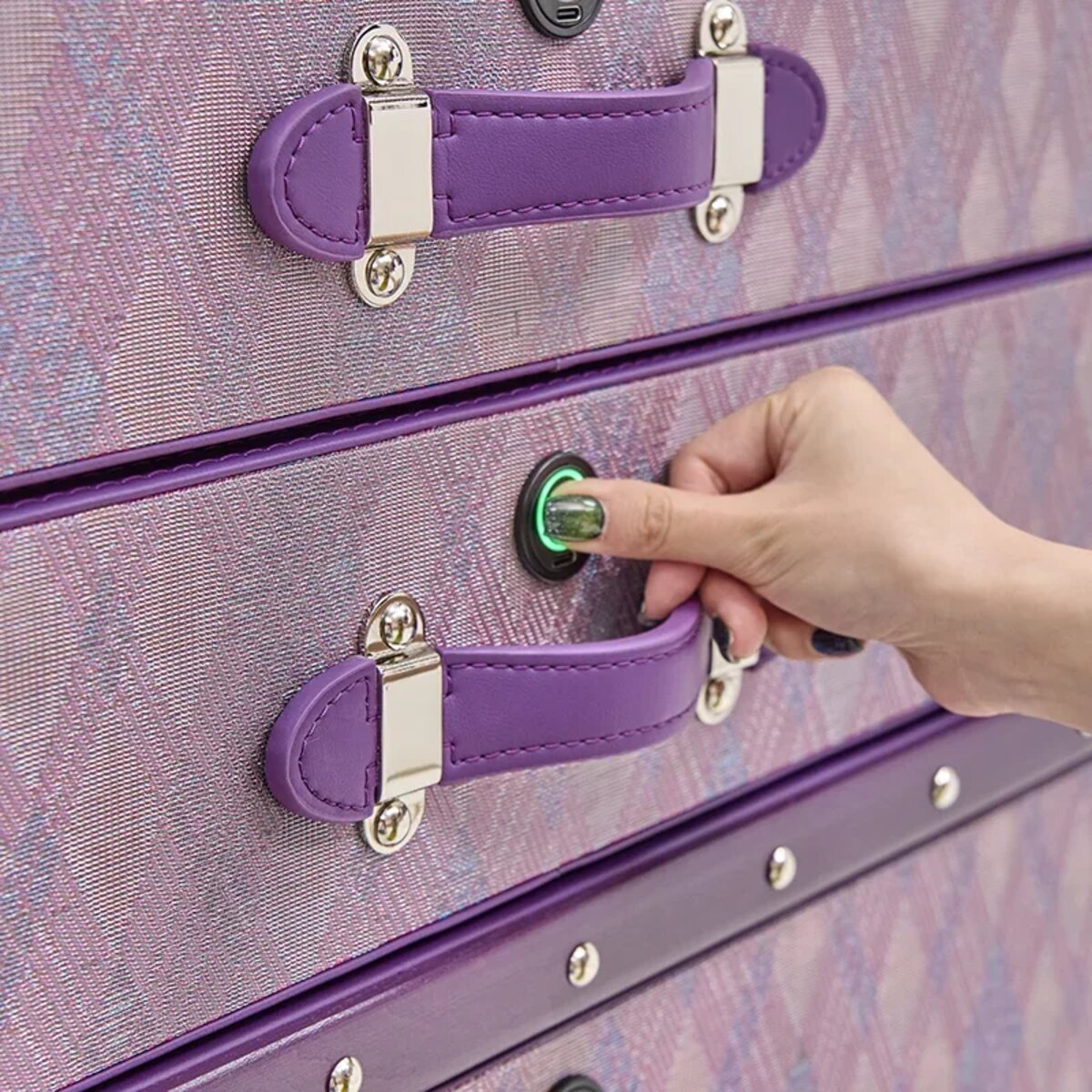
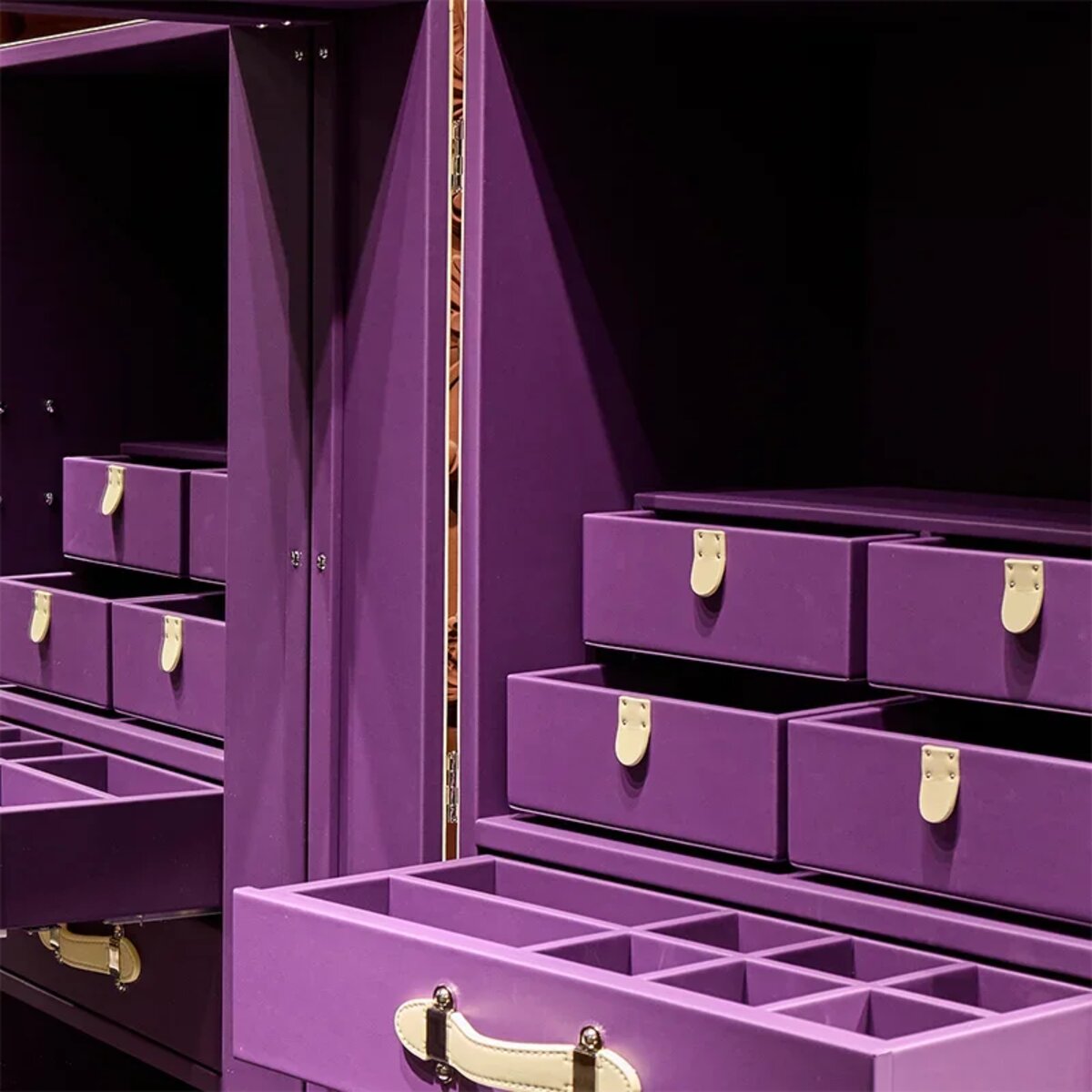
الخزانة البيومترية هي الإجابة العملية على شرط التأمين. توفر خزانة مجوهرات العنبر - الذهب الرملي تخزينًا قابلاً للقفل والتحكم بالوصول الذي تبحث عنه شركات التأمين، مع تصميمات داخلية مقسمة تحافظ على كل قطعة مجدولة — وبطاقة التقييم الخاصة بها — في مكانها. لمجموعة المجوهرات الفاخرة، تقدم خزانة مجوهرات سيليست - الأزرق الماسي نفس الأمان بدرجة الحفظ بتصميم يناسب غرفة الملابس، وبالنسبة للساعات المجدولة، فإن منظم ساعات سيغنيتشر - الفضي المصنفر يحافظ على الحركات محمية ومعزولة وسهلة الجرد.
ماذا يحدث وقت المطالبة — وكيف يقرر التخزين النتيجة
إجابة سريعة: تتحول مطالبة تأمين محتويات المنزل للمجوهرات إلى ثلاثة أسئلة: هل تم جدولة العنصر (أو كان ضمن الحد غير المحدد)، وهل تم استيفاء شرط التخزين، وهل يمكنك إثبات الملكية والقيمة؟ القطع المجدولة المدعومة بتقييم وصور فوتوغرافية ومخزون موثق تُسدد بسرعة وبالقيمة الكاملة. القطع غير المحددة التي لا يوجد لها سجل تُسدد عند حد القطعة الواحدة، إن وجدت — وقد يؤدي انتهاك شرط التخزين إلى تقليل المطالبة أو إبطالها بالكامل.
لا تدفع شركات التأمين على أساس التأكيدات. المالك الذي يمكنه تقديم شهادة تقييم، وصور فوتوغرافية مؤرخة، وسجل شراء، ودليل على أن القطعة كانت محفوظة في التخزين الآمن المطلوب، قد كتب المطالبة بشكل فعال مسبقًا. المالك الذي يعتمد على الذاكرة وصورة هاتفية من سنوات مضت يتفاوض من موقف ضعف بالضبط عندما يكون التفاوض أصعب.
هذا هو الجسر بين الخزانة والبوليصة. الساعات والمجوهرات التي تُترك فضفاضة في درج يمكن أن تتعرض لانتهاك شرط التخزين وتُحدد أو تُرفض؛ بينما القطع نفسها المحفوظة في خزانة مغلقة وموثقة — مع التقييمات والمخزون بجانبها — تستوفي الشرط وتسرع التسوية. الخزانة ليست رفاهية بجانب التأمين؛ من الناحية التأمينية، إنها جزء منه. الحفاظ على القطع، وتقييماتها، والمخزون معًا في حاوية واحدة ذات درجة حفظ هو العادة الوحيدة التي تحسن التغطية والمطالبة إلى أقصى حد.
الأسئلة المتداولة
هل يغطي تأمين محتويات المنزل القياسي في الإمارات العربية المتحدة مجوهراتي؟ جزئياً، وعادة ما يكون أقل بكثير مما يتوقعه الملاك. تغطي بوليصة محتويات المنزل القياسية المجوهرات فقط حتى حد قطعة واحدة لكل قطعة وحد فرعي إجمالي للمقتنيات الثمينة، وكلاهما يقع أدنى بكثير من قيمة مجموعة جادة. القطع التي تتجاوز حد القطعة الواحدة غير مؤمنة للزيادة ما لم يتم تحديدها بشكل فردي. لتأمين خاتم أو ساعة أو مجموعة ذات قيمة عالية بقيمتها الحقيقية، يجب عليك تحديد كل قطعة - عادة بتقييم - أو ترتيب بوليصة مخصصة لجميع المخاطر ذات القيمة العالية.
ما هو حد القطعة الواحدة في بوليصة المحتويات؟ هو المبلغ الأقصى الذي ستدفعه البوليصة لأي سلعة غير محددة، بغض النظر عن قيمتها الفعلية. يتم تحديده إما كمبلغ ثابت أو كنسبة مئوية من إجمالي مبلغ تأمين المحتويات. إذا كانت قيمة القطعة تزيد عن هذا الحد، فإن البوليصة تدفع فقط الحد الأقصى والباقي غير مؤمن — ولهذا السبب يجب جدولة السلع عالية القيمة بشكل منفصل بقيمتها المقدرة لتغطيتها بالكامل.
هل أحتاج إلى خزنة لتأمين المجوهرات في المنزل في الإمارات العربية المتحدة؟ بالنسبة للقطع الثمينة، غالبًا ما تكون الإجابة نعم. تشترط معظم شركات التأمين في الإمارات العربية المتحدة توفير تخزين آمن قابل للقفل كشرط للتغطية للمقتنيات التي تتجاوز حدًا معينًا، ويطلب الكثير منها خزنة مصنفة أو ما يعادلها من أمازن التخزين. تقوم بعض شركات التأمين أيضًا بتقييم المجوهرات بناءً على نمط الارتداء، وتطبيق سعر أقل للقطع المحفوظة في مكان مقفل. تلبي الخزانة البيومترية أو الخزنة المصنفة شرط التخزين، ويمكن أن تقلل من قسط التأمين على العناصر المجدولة، وتحافظ على التقييمات والمخزون معًا لتسريع المطالبة.
ما الفرق بين تغطية جميع المخاطر وتغطية المخاطر المسماة للمقتنيات الثمينة؟ تغطي المخاطر المسماة الخسائر الناجمة عن أحداث محددة فقط، مثل الحريق أو السرقة بعد الدخول القسري. تغطي جميع المخاطر الخسارة أو الضرر العرضي لأي سبب غير مستثنى صراحة، وعلى نطاق عالمي يمكن أن تتبع المجوهرات التي ترتديها في الخارج. معظم خسائر المجوهرات اليومية - خاتم سقط، مشبك مفقود، قطعة في غير مكانها أثناء السفر - مغطاة ضمن جميع المخاطر ولكن قد تقع خارج نطاق المخاطر المسماة، وهذا هو السبب في أن هواة الجمع يختارون جميع المخاطر بشكل عام.
أمن وخزن بثقة — قم بزيارة صالة عرض سيراي في دبي
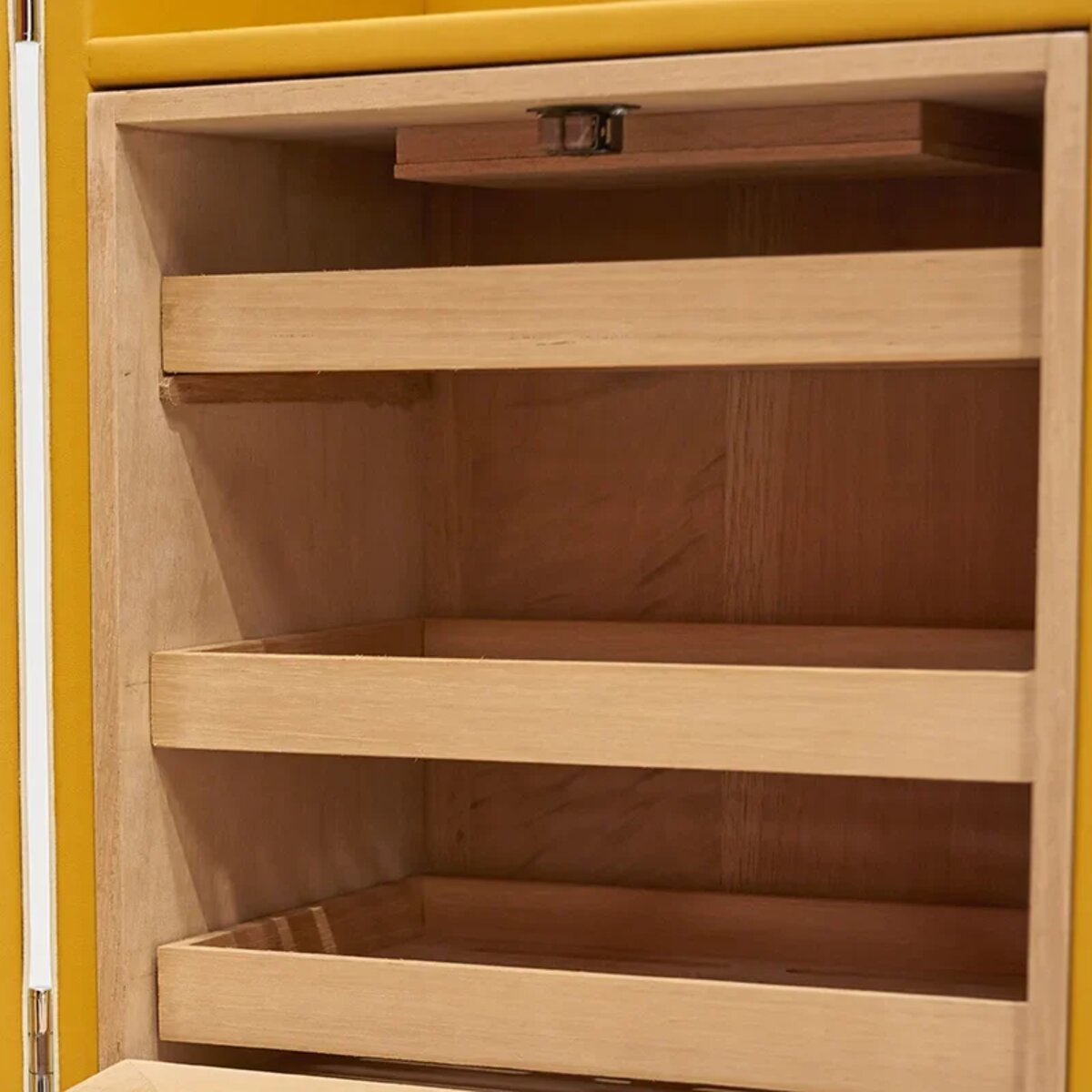
يكافئ تأمين محتويات المنزل في الإمارات العربية المتحدة التخزين الموثق والقابل للقفل — وأسهل طريقة لتلبية شروط شركة التأمين الخاصة بك هي الاحتفاظ بكل قطعة مجدولة وتقييمها ومخزونها معًا في حاوية واحدة من درجة الحفظ. الفرق بين الدرج والخزانة البيومترية يظهر في آلية القفل، وإحكام غلق الباب، وتنظيم المساحة الداخلية، وليس في صورة فوتوغرافية. احجز موعدًا خاصًا في صالة عرض سيراي، مجمع الشفار، أم سقيم 1، دبي. اتصل على 971558866180+ أو اكتب إلى info@siraecasa.com، وسيقوم فريقنا بمطابقة خزانة مجوهرات بيومترية أو علبة ساعة لمجموعتك ومتطلبات التخزين في بوليصتك.

تعليق واحد
Thanks for sharing such useful insights about property all risk insurance . This was a helpful read.
property all risk insurance
اترك تعليقًا
This site is protected by hCaptcha and the hCaptcha Privacy Policy and Terms of Service apply.