
كيفية تزيين طاولة القهوة: دليل دبي للتصميم الداخلي (2026)
كيفية تنسيق طاولة القهوة في ديكور داخلي بدبي (دليل 2026)
معرفة كيفية تنسيق طاولة القهوة هي أسرع طريقة لإضفاء الرقي على غرفة المعيشة — وهي مهارة يكتسبها معظم سكان دبي بالتجربة والتكرار والازدحام العرضي. يبدو ديكور طاولة القهوة سهلاً عندما يكون ناجحًا لأن المنطق الأساسي غير مرئي: تسلسل هرمي منظم للارتفاعات، صينية تثبيت واحدة، ومساحة سلبية كافية لجعل الترتيب يبدو هادئًا بدلاً من الفوضى. يشرح هذا الدليل هذا المنطق طبقة تلو طبقة، ويكيفه مع ثقافة الضيافة في المجالس التي تشكل الترفيه في الإمارات العربية المتحدة، ويتناول حقائق المناخ في الخليج — الغبار وجفاف تكييف الهواء — التي تؤثر على النباتات الحية والمنتجات الورقية على حد سواء.

طريقة الطبقات الثلاث: كيفية ترتيب ديكور طاولة القهوة
إجابة سريعة: قم ببناء كل ترتيب طاولة قهوة في ثلاث طبقات عمودية — مرساة أساسية في القاعدة، جسم متوسط الارتفاع يجذب العين، ولمسة علوية صغيرة تكسر الشكل الظلي. حافظ على الطبقات الثلاث داخل صينية واحدة أو منطقة ضمنية لكي يبدو الترتيب كتكوين واحد بدلاً من مجموعة من العناصر غير المرتبطة. عند الشك، قم بإزالة الطبقة العلوية أولاً: الترتيب ذو الطبقتين يكون دائمًا أقوى من الترتيب المزدحم بثلاث طبقات.
تترجم الطبقات الثلاث إلى فئات معينة من العناصر. الطبقة الأساسية هي الصينية نفسها، أو مجموعة من كتابين أو ثلاثة من كتب طاولة القهوة، أو طبق منخفض — أي شيء مسطح يحدد منطقة. الطبقة المتوسطة هي العنصر الذي ترغب حقًا في أن يراه الناس: مزهرية منحوتة، صندوق مزخرف، نبتة صغيرة في إناء خزفي. الطبقة العليا هي شيء رفيع وعمودي — ساق واحدة في مزهرية صغيرة، شمعة مدببة، قطعة فنية طويلة — يضيف ارتفاعًا دون كتلة. التسلسل الرأسي مهم لأن العين البشرية تقرأ الأشياء من الأطول إلى الأقصر؛ امنحها مسارًا متعمدًا بدلاً من نثر عشوائي.
نسب الارتفاعات التي تعمل باستمرار: يجب أن تصل القطعة الأطول إلى ما يقرب من 35-45 سم فوق سطح الطاولة؛ والقطعة المتوسطة، 20-28 سم؛ والطبقة الأساسية، 8-12 سم. هذه ليست قواعد للقياس عليها — إنها نقاط معايرة للتصحيح بالعين عندما يبدو شيء ما غير صحيح.
لماذا تُعد الصينية أهم قطعة في تنسيق طاولة القهوة
الخلاصة: تقوم الصينية بثلاثة أشياء لا يمكن لأي قدر من الترتيب الدقيق للعناصر أن يكررها: فهي تجمع العناصر المتناثرة في وحدة بصرية واحدة، وتجعل الترتيب بأكمله قابلاً للرفع في ثوانٍ عندما تحتاج الطاولة إلى الاستخدام، وتحدد الحد الذي يبقى السطح بعده خاليًا. في منزل إماراتي حيث قد تتحول طاولة القهوة بين مرساة للمحادثات في المجلس وسطح عملي لتقديم الشاي في غضون دقائق، فإن قابلية الرفع هذه وظيفية وليست جمالية.
اختر صينية تتناسب مع حوالي ثلث إلى نصف سطح الطاولة — كبيرة بما يكفي لتثبيت الترتيب دون استهلاك السطح بأكمله. المواد التي تبدو جيدة في التصميمات الداخلية بدبي: الخشب المطلي باللكر، المعدن المنسوج، الجلد المنسوج، المركبات الحجرية غير اللامعة. تجنب الصواني العاكسة كمرساة مهيمنة؛ فهي تتنافس مع كل عنصر يوضع عليها وتتدهور حالتها بسرعة بسبب بصمات الأصابع التي ينتجها غبار دبي والتعامل المتكرر.
داخل الصينية، تنطبق نفس منطق الطبقات الثلاث على نطاق أصغر: رصة أفقية واحدة (كتب أو مجلات)، عنصر متوسط واحد، ولمسة علوية واحدة. يجب أن يكون كل شيء خارج الصينية إما مساحة فارغة متعمدة أو قطعة جانبية — عنصر ثانوي منخفض يوضع على مسافة قصيرة لتثبيت الزاوية البعيدة للتكوين دون ربطه بمجموعة الصينية.

الكتب والنباتات والمنحوتات: الحصول على النسب الصحيحة لتزيين طاولة القهوة
الخلاصة الفنية: إن ثلاثية الكتاب-النبات-المنحوتة هي الصيغة الأكثر موثوقية لتزيين طاولة القهوة، لأن كل عنصر يخدم سجلًا حسيًا مختلفًا — الوزن واللون من الكتب، والنسيج العضوي والرائحة من النباتات، والشكل والمادة المثيرة للاهتمام من المنحوتة. الخطأ ليس في الثلاثية نفسها، بل في قياس الثلاثة بالتساوي؛ يجب أن تكون الكتب هي الحضور البصري الأثقل، والنباتات الأخف، والشيء المنحوت هو النقطة المحورية بينهما.
الكتب: قم بتكديس كتابين أو ثلاثة، الأكبر في الأسفل، مع توجيه ظهورها باتجاه اتجاه الجلوس الأساسي. الأكوام التي تتجاوز ثلاثة كتب تقلب النسب وتبدو كجزء من رف كتب. قم بإزالة أغلفة الغبار للحصول على مظهر أنظف — عادةً ما تكون الأغطية القماشية تحتها أكثر إثارة للاهتمام. في سياق دبي، فإن عناوين الفن والهندسة المعمارية ذات الصلة الإقليمية (الهندسة المعمارية الخليجية، الفن الهندسي الإسلامي، التصميم العربي المعاصر) تثبت الترتيب ثقافيًا وبصريًا.
النباتات: الزهور الطازجة هي الخيار الأكثر سخاءً ولكن الأكثر تطلبًا في الإمارات العربية المتحدة — تكييف الهواء عند درجة حرارة 22-24 درجة مئوية يجفف السيقان المقطوعة أسرع من المناخات المعتدلة، ويسجل المركز الوطني للأرصاد الجوية في الإمارات العربية المتحدة رطوبة خارجية تتجاوز 80% رطوبة نسبية بشكل روتيني في الصيف (NCM)، مما يعني أن الهواء خارج باب الفيلا رطب بينما الهواء على مستوى الطاولة جاف بقوة. غيّر الماء كل 48 ساعة، أبقِ السيقان بعيدًا عن تدفق مكيف الهواء، واختر أنواعًا قوية: شقائق النعمان، بروتيا، ليوكاديندرون، أعشاب البامباس المجففة. النباتات العصارية المزروعة والنباتات الاستوائية منخفضة الماء (زاميوكولكاس، سانسيفيريا) هي البديل المناخي الصادق — فهي تتحمل الرطوبة الداخلية المنخفضة دون الحاجة إلى عناية.
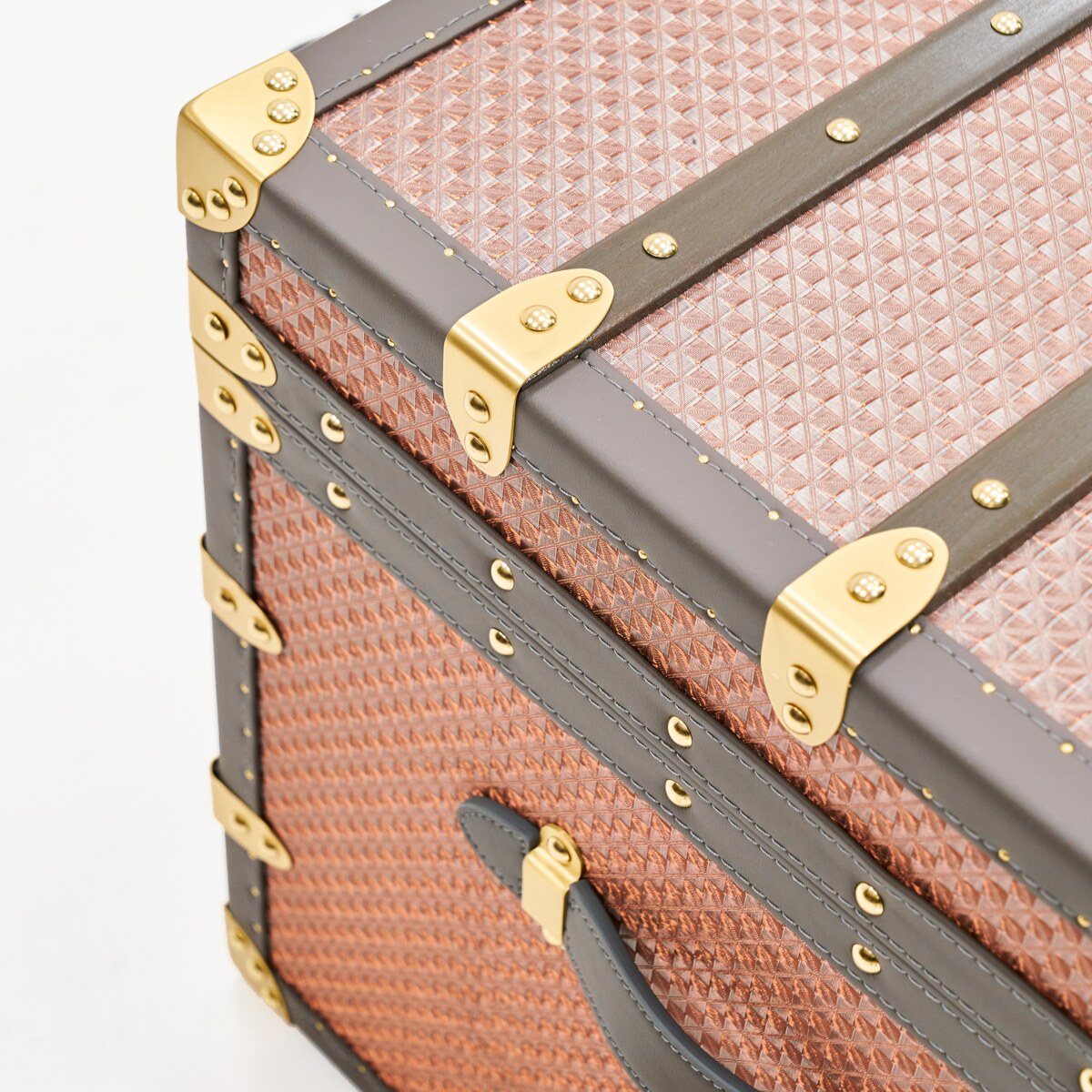
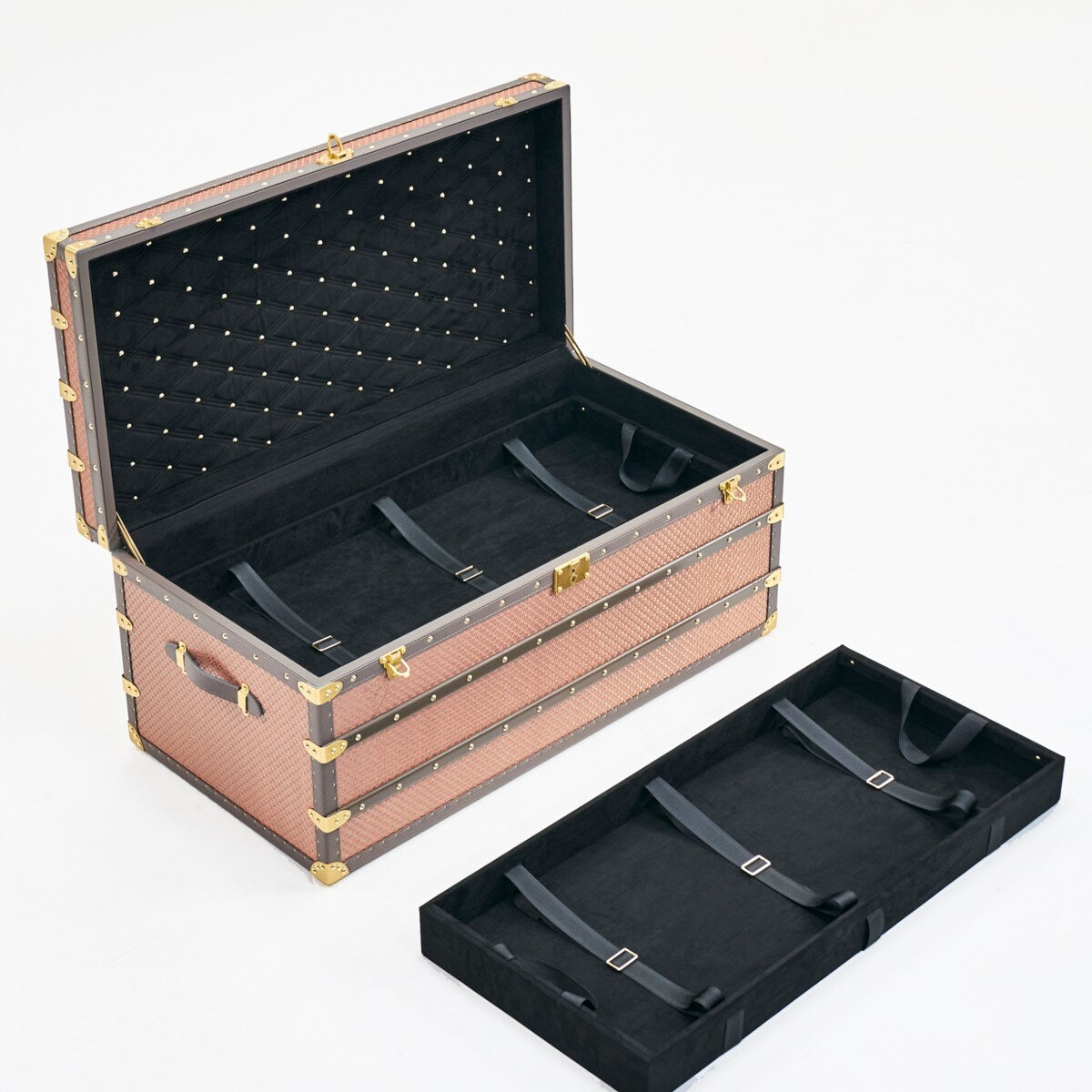
المنحوتات والأشياء: قطعة نحتية واحدة لكل تكوين هي الحد الأقصى قبل أن يبدو الترتيب وكأنه خزانة عرض بدلاً من غرفة معيشة. يجب أن يكون هو العنصر الذي ترغب أكثر في أن يمد الضيوف أيديهم إليه ويفحصوه — وهذا بدوره يحدد المادة: شيء ذو اهتمام ملموس، وليس بصريًا بحتًا. إن البناء السلكي النحاسي المنسوج يدويًا لطاولة القهوة Aurum Loom – النحاس العتيق هو دعوة ملموسة بحد ذاتها؛ يجب ألا يتنافس الترتيب على سطحه مع الطاولة في التعقيد المادي، مما يتطلب أشياء نحتية ناعمة وغير لامعة بدلاً من تلك ذات القوام الثقيل.
| العنصر | الدور في الترتيب | ملاحظة على المقاس |
|---|---|---|
| مكدس كتب (2-3 مجلدات) | مرساة للوزن الأساسي واللون | أكبر بعد ≤ 60% من عرض الصينية |
| وعاء خزفي أو حجري منخفض | طبقة أساسية ثانوية؛ يحمل أشياء صغيرة فضفاضة | قطر 8-15 سم |
| مزهرية أو قطعة فنية نحتية | الطبقة الوسطى؛ نقطة التركيز الأساسية | ارتفاع 20-28 سم |
| ساق مفردة أو مزهرية برعم | لمسة علوية؛ يضيف ارتفاعًا، ينعم الأشكال الهندسية | ارتفاع 35-45 سم |
| شمعة أو حامل شموع | لمسة علوية اختيارية؛ يضيف دفئًا في المساء | تجنب قرب تدفق مكيف الهواء |
| صينية | مرساة التكوين ووحدة قابلة للرفع | 1/3 إلى 1/2 من سطح الطاولة |
المساحة السلبية والعملية في المجلس: القاعدتان اللتان تتفوقان على كل شيء
إجابة سريعة: اترك 40% على الأقل من سطح طاولة القهوة خاليًا في جميع الأوقات. في المجلس أو غرفة المعيشة الرسمية حيث يجتمع الضيوف ويتم تقديم الشاي والتمور والقهوة العربية، تعتبر طاولة القهوة سطح عمل أولاً وسطح عرض ثانيًا — أي ترتيب لا يمكن أن يستوعب دلة وصحن معمول دون الحاجة إلى تحريك الأشياء هو ترتيب سيتم تفكيكه في كل مرة يصل فيها الضيوف.
المساحة السلبية هي أسهل مبدأ يمكن تحديده وأصعب ما يمكن الالتزام به عند التنسيق. الغريزة تدفع إلى الملء — شمعة أخرى، قطعة صغيرة أخرى — وكل إضافة تبدو ضئيلة حتى يبدو السطح كعرض متحفي يخشى الضيوف لمسه. الاختبار العملي: ضع صينية تقديم بحجم 30 سم على الطاولة. إذا لم يتمكن ترتيب طاولة القهوة من استيعاب صينية تقديم دون نقل شيء ما، فقلل الترتيب، وليس الضيافة.
بالنسبة للمجلس تحديدًا، تضاعف قاعدة الصينية الواحدة هذا الأمر: حافظ على الترتيب الزخرفي بأكمله داخل صينية واحدة أو منطقة محددة تشغل ما لا يزيد عن نصف الطاولة. يبقى النصف المتبقي خاليًا دائمًا للخدمة. هذا ليس تسوية — إنه التصميم الذي يحترم كيفية عمل المنازل في الإمارات العربية المتحدة بالفعل.
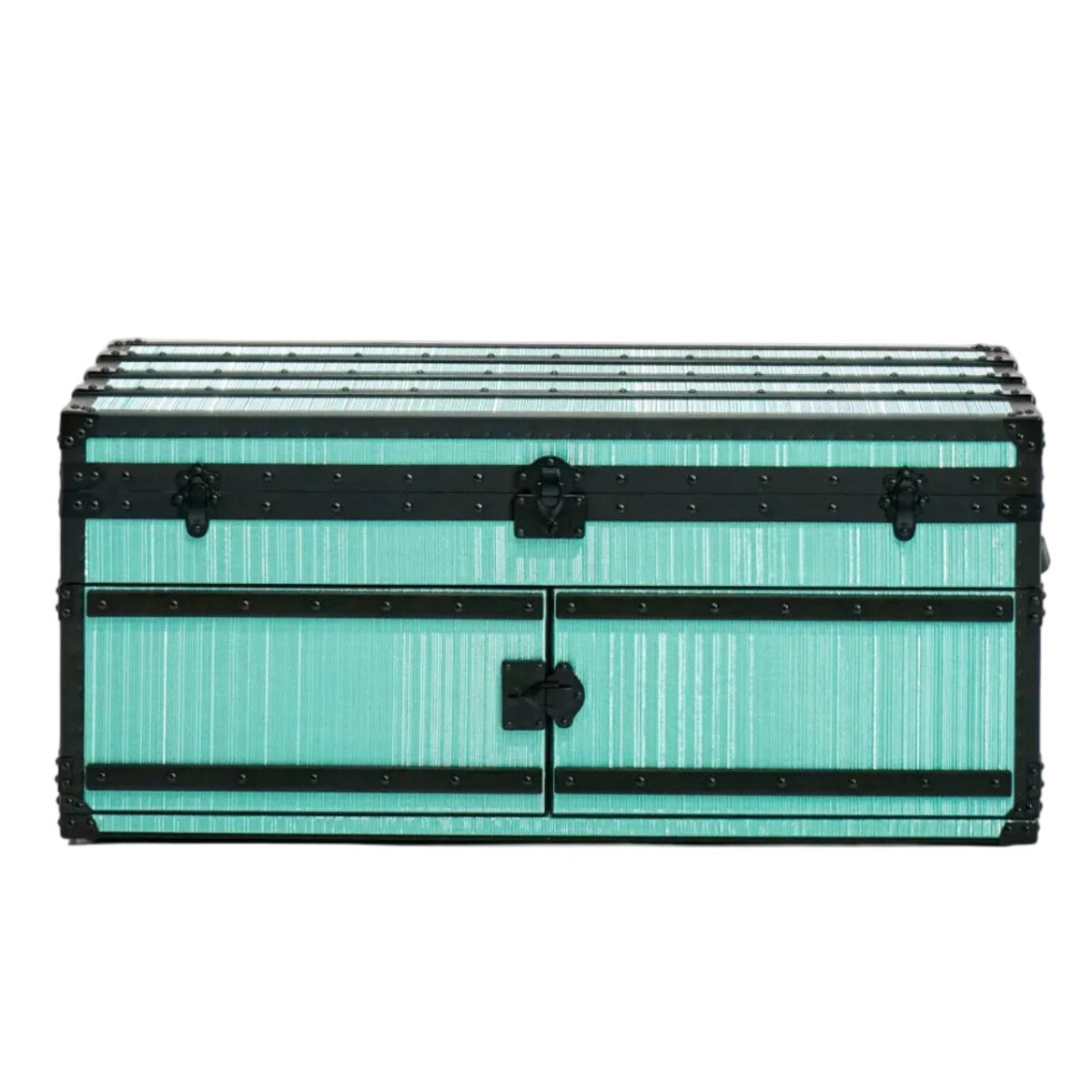
تم تصميم مجموعة Sirae Aurum Loom مع وضع هذا في الاعتبار: طاولة القهوة Aurum Loom – Monochrome وطاولة القهوة Aurum Loom – Tiffany Blue تتميزان بمساحة سطح كافية واهتمام بصري في سطح المعدن المنسوج لتبدو مصممة بشكل أنيق حتى عندما يكون الترتيب الزخرفي مقيدًا بشكل متعمد. الطاولة تقوم بعمل ديكوري بمفردها؛ يجب أن تكمل الأشياء الموجودة عليها بدلاً من أن تعوض.

التجديد الموسمي والمناسباتي: كيف تغير تصميم طاولة القهوة دون البدء من جديد
الخلاصة: قم ببناء الترتيب حول مرساة دائمة واحدة — الصينية، الكتب، القطعة النحتية — وقم بتدوير النقطة العالية والنبات فقط لتغيير الشعور بين المواسم والمناسبات والحالات المزاجية. إعادة التنسيق الكاملة كل بضعة أشهر تضيع المعايرة التي قمت بها بالفعل؛ تبديل عنصر واحد يكفي لجعل الترتيب يبدو جديدًا.
تنقسم فصول الإمارات العربية المتحدة عمليًا إلى حالتين مزاجيتين داخليتين بدلاً من أربع مناخات. من أكتوبر إلى أبريل (أبرد، مزيد من الترفيه في الهواء الطلق، رمضان والتجمعات الاحتفالية): اتجه نحو الألوان الغنية — الأخضر الداكن، الطين، المعدن الدافئ؛ الزجاج العنبري؛ النباتات المجففة ذات النسيج والحجم؛ مجموعة شموع أكثر سمكًا خلال التجمعات المسائية. من مايو إلى سبتمبر (موسم التكييف الكامل، لحظات أقل في الهواء الطلق، يصل الضيوف مباشرة من الحرارة): خفف الألوان — أقمشة الكتان الفاتحة، السيراميك الأبيض أو الأخضر الفاتح، نبتة استوائية منخفضة واحدة، أشياء بلون أزرق. طاولة القهوة Aurum Loom – Tiffany Blue هي القاعدة الطبيعية للوحة الألوان الصيفية؛ طاولة القهوة Aurum Loom – النحاس العتيق هي مرساة الخريف والشتاء.
بالنسبة للمناسبات الخاصة — تجمعات العيد، وجبات العشاء العائلية، الترفيه التجاري — يكون التبديل أبسط: قم بإزالة النبات الدائم واستبدله بشيء احتفالي (ترتيب منخفض من الورود البيضاء، حامل شموع ذهبي اللون، مبخرة صغيرة مناسبة للتجمع). تبقى الصينية والكتب، وتسجل المناسبة من خلال النقطة العالية وحدها.
| المناسبة / الموسم | لوحة الألوان الموصى بها | تبديل العنصر الرئيسي |
|---|---|---|
| أمسيات رمضان | الذهب الدافئ، العنابي الغامق، العنبر | فانوس أو مبخرة كنقطة علوية |
| عيد الفطر / عيد الأضحى | أبيض، ذهبي، وردي فاتح | ترتيب زهور بيضاء طازجة؛ إزالة النبات الدائم |
| الصيف (مايو-سبتمبر) | أبيض بارد، أخضر مريمي، أخضر مائل للزرقة | نبتة استوائية منخفضة واحدة؛ عدد قليل من الكتب |
| الخريف-الشتاء (أكتوبر-أبريل) | الطين، البرونزي، الأخضر الداكن | أعشاب البامباس المجففة أو بروتيا؛ كتب فنية مكدسة |
| الترفيه التجاري | أحادي اللون، مقيد | إزالة النباتات؛ قطعة نحتية واحدة فقط |
| تجمع عائلي عادي | مريح، ملون | إضافة طبق صغير من التمر أو الفاكهة كعنصر وظيفي |
إذا كانت جزيرة العرض Aurum Wire · The Vivienne - Blossom Pink ترسيخ غرفة معيشة ذات مخطط مفتوح بالقرب، فاجعل ترتيب طاولة القهوة في حوار معها — كرر لونًا واحدًا أو مادة واحدة، وليس كليهما، بحيث ترتبط القطعتان دون أن تتطابقا.
أسئلة متكررة
كيف تنسق طاولة قهوة في شقة صغيرة بدبي؟ استخدم صينية واحدة، ومكدسًا من كتابين، وعنصرًا نحتيًا واحدًا فقط — لا شيء يتجاوز الصينية. طاولة قهوة صغيرة في شقة تتبع قاعدة الثلاثة عناصر هذه تبدو منسقة بدلاً من أن تكون فارغة. الخطوة الحاسمة هي اختيار قطعة قوية متوسطة الارتفاع (سيراميك، صندوق زخرفي، نبات صغير) بدلاً من ملء الصينية بالعديد من الأشياء الصغيرة. قم بتناسب الصينية لتصل إلى ثلثي سطح الطاولة كحد أقصى.
ما هو أفضل نهج لتزيين طاولة القهوة للمجلس الرسمي؟ احتفظ بما لا يقل عن نصف سطح الطاولة للخدمة — الشاي والقهوة العربية والتمر والحلويات جزء من طقوس المجلس ويتوقع الضيوف أن تستوعبهم الطاولة. حافظ على الترتيب الزخرفي داخل صينية واحدة في أحد الأطراف. اختر عناصر ذات صدى ثقافي ومادي: سيراميك يدوي الصنع، إكسسوارات بخور، كتاب فني عن العمارة الإسلامية أو التصميم الإقليمي. تجنب أي شيء هش على مستوى حافة الطاولة.
كم عدد الأشياء التي يجب أن توضع على طاولة القهوة؟ من ثلاثة إلى خمسة أشياء هو النطاق الموثوق به. أقل من ثلاثة، يبدو الترتيب غير مقصود ما لم تكن الطاولة نفسها مزخرفة للغاية. أكثر من خمسة، تتوقف العين عن تسجيل القطع الفردية وتقرأ الفوضى. العدد المهم هو الأشياء فوق مستوى الصينية: الصينية حاوية، وليست عنصرًا في التسلسل الهرمي. كتابان، عنصر متوسط واحد، ونقطة عليا واحدة هي أربعة — وهذا يكفي لمعظم الطاولات.
هل تأتي طاولات القهوة من Sirae بالخشب أو الحجر أو الزجاج؟ لا — بصراحة، لا تأتي. مجموعة طاولات القهوة Aurum Loom مصنوعة من أسلاك النحاس المنسوجة يدويًا على إطار صلب، مع تفاصيل جلدية. لا توجد خيارات بأسطح خشبية أو حجرية أو زجاجية في المجموعة الحالية. هذا التحديد المادي يشكل كيفية تنسيقها: سطح المعدن المنسوج له ملمس ودفء متأصلان، لذا يجب أن تكون الأشياء الموجودة فوقه أكثر نعومة وهدوءًا بدلاً من التنافس في النمط والتشطيب.
قم بزيارة صالة عرض Sirae في دبي
تنسيق طاولة القهوة هو تخصص فيزيائي — تتضح النسب فقط عندما تقف فوق الطاولة وتعدلها بالعين. لمشاهدة مجموعة طاولات القهوة Aurum Loom بكامل حجمها والعمل على خيارات الترتيب مع فريق Sirae، احجز موعدًا خاصًا في صالة عرضنا، مجمع الشفار، أم سقيم 1، دبي. اتصل على الرقم +971 55 886 6180 أو راسلنا على info@siraecasa.com، وسوف نوجهك خلال كل تشطيب، وملمس سطح، وسؤال عن النسب قبل أن يغادر أي شيء صالة العرض.
%0A%D9%85%D8%B9%D8%B1%D9%81%D8%A9%20%D9%83%D9%8A%D9%81%D9%8A%D8%A9%20%D8%AA%D9%86%D8%B3%D9%8A%D9%82...)
اترك تعليقًا
This site is protected by hCaptcha and the hCaptcha Privacy Policy and Terms of Service apply.