
تصميم المجالس في دبي: التنسيق بين التخزين والعرض في المجلس الحديث (2026)
تصميم المجلس في دبي: تنسيق التخزين والعرض في المجلس الحديث (2026)
يُناقش تصميم المجلس في دبي دائمًا تقريبًا كمشكلة جلوس — الأرائك، والتصميم على شكل حرف U، والوسائد، ولوحة الألوان — ونادرًا ما يُناقش كمشكلة تخزين وعرض، وهو ما يؤدي إلى تدهور معظم غرف المجالس ذات النوايا الحسنة بصمت. يتم تحديد المقاعد بالسنتيمتر بينما لا يوجد مكان مخصص للدلة والفناجين، وتجف السيجار في درج المكتب، وتقع عين الضيف على جدار فارغ بدلاً من مجموعة منسقة. يقدم هذا الدليل لعام 2026 الطبقة التي تتجاهلها شركات التصميم الداخلي: كيفية تخطيط مجلس حديث حول قطع التخزين والعرض الخاصة به — أين يتم وضع خدمة القهوة، وأين يتم عرض المجموعة، وكيف تبقى الأشياء المعروضة في مناخ الخليج، وكيفية الحفاظ على الفوضى اليومية بعيدًا عن الأنظار دون فقدان الطابع الترحيبي للغرفة.

ما هو المجلس، ولماذا يُحدد التخزين جودة المجلس؟
إجابة سريعة: المجلس هو غرفة الاستقبال الرسمية في المنزل الخليجي — حيث يتم استقبال الضيوف، وتقديم القهوة، وممارسة الضيافة. يحل تصميم المجلس الجيد ثلاث مهام في وقت واحد: أين يجلس الضيوف، وأين يتم تجهيز خدمة القهوة والشاي، وأين يتم عرض مجموعات المنزل ومقتنياته الثمينة أو تخزينها بشكل سري. تحصل المقاعد على كل الاهتمام، لكن طبقة التخزين والعرض هي التي تفصل المجلس المكتمل عن المجلس المفروش فقط.
كلمة مجلس تعني "مكان الجلوس"، ولم تتغير طقوسه منذ أن حلت الأرائك المنخفضة محل الوسائد الأرضية. ما لا تُوليه أدلة المجلس الحديثة اهتمامًا كافيًا هو كل ما ليس الأريكة — أطقم الدلة، والمباخر، وصواني التقديم، والسيجار أو المشروبات الروحية التي تُقدم للضيوف، وكلها تحتاج إلى مكان يسهل الوصول إليه أثناء الخدمة وجاهز للعرض عندما لا يكون قيد الاستخدام. وقد حلت المجالس التراثية هذه المشكلة باستخدام فتحات في الجدران؛ أما الفيلا في دبي فتحلها بأثاث تخزين وعرض قائم بذاته يتم اختياره بعناية تمامًا مثل المقاعد.
الأدوار الخمسة للتخزين والعرض التي يحتاجها كل مجلس
الخلاصة: يؤدي المجلس الكامل خمسة أدوار متميزة للتخزين والعرض: محطة للقهوة والشاي، وواجهة عرض للمجموعة والدلة، وصندوق ترطيب أو خزانة بار لما يُقدم للضيوف، وقطعة تخزين منخفضة تعمل كسطح، وخزانة جانبية سرية للفوضى اليومية. نادرًا ما تقوم قطعة واحدة بعملين من هذه المهام بشكل جيد — ومحاولة جعلها تفعل ذلك هي السبب الأكثر شيوعًا وراء شعور المجلس بالفوضى أو الفراغ الغريب.
لكل دور مواصفات وموضع مختلف في تدفق الغرفة؛ يمنع تخطيطها قبل التسوق النتيجة المعتادة — مجموعة جلوس جميلة محاطة بتخزين غير متناسق تم شراؤه بشكل متفرق.
| دور المجلس | ما يحتويه | أين يجلس | نوع قطعة سيراي |
|---|---|---|---|
| محطة القهوة والشاي | دلة، فنجان، خدمة شاي، صواني | في متناول المضيف، بالقرب من فتحة حرف U | خزانة شاي / بار |
| عرض المجموعة | مقتنيات ثمينة، دلة معروضة، قطع زخرفية | جدار مرئي يقع عليه نظر الضيف | واجهة عرض برجية |
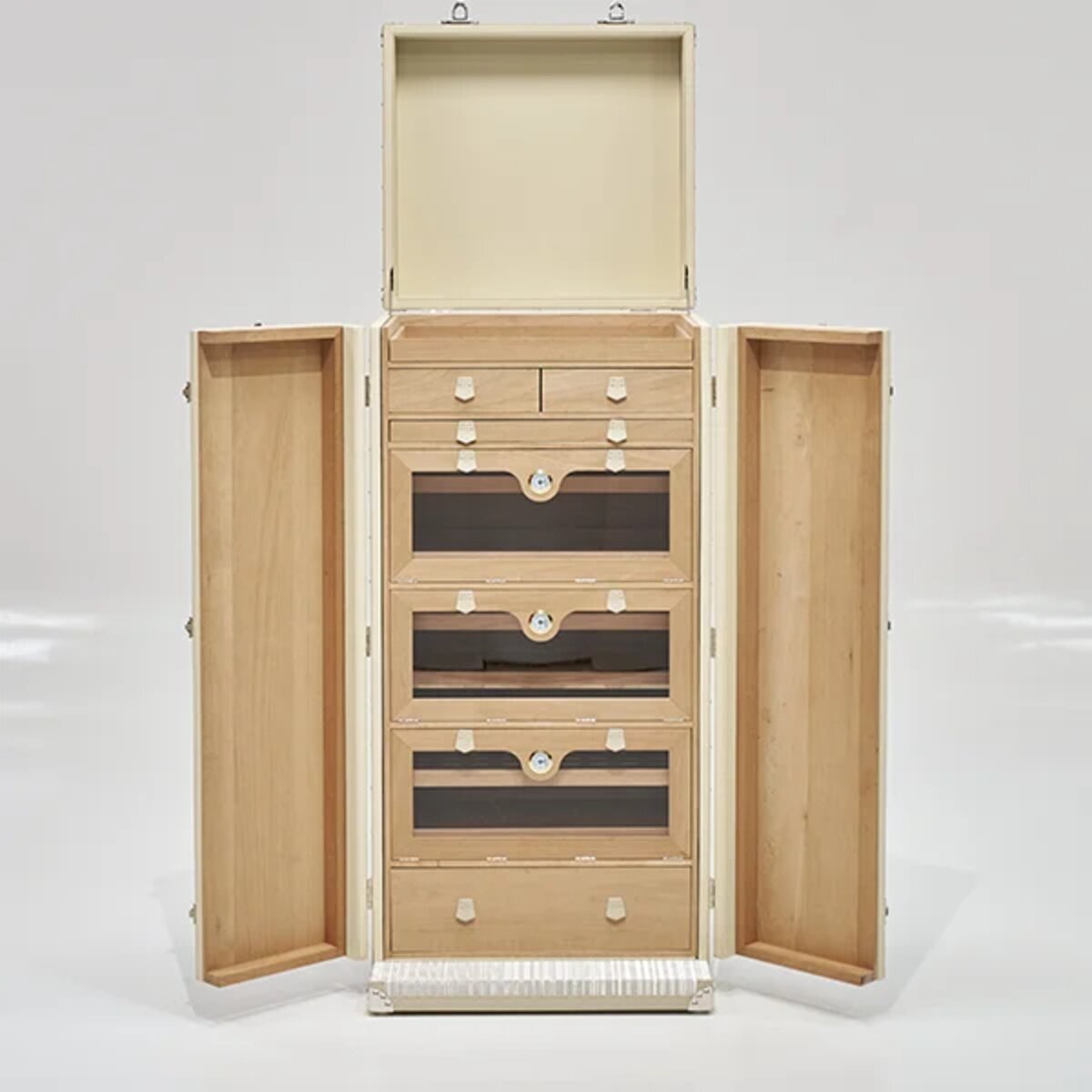
| خزانة التقديم | سيجار، مشروبات روحية، أواني زجاجية | بجانب المقاعد، يُقدم واقفًا | صندوق ترطيب / خزانة بار |
| سطح + تخزين | وسائد، عناصر موسمية؛ يعمل أيضًا كطاولة منخفضة | أمام أو بين الأرائك | صندوق تخزين |
| فوضى يومية | أجهزة تحكم عن بعد، شواحن، مفروشات، فوضى | بمحاذاة جدار، هادئ بشكل متعمد | خزانة دوارة / جانبية |
المبدأ في جميع الأدوار الخمسة: يجب أن تُصمم القطع التي يُقصد للضيف رؤيتها — واجهة العرض، وخدمة القهوة المجهزة — للحضور وتوضع في خط رؤية، بينما يجب أن تكون القطع التي تستوعب الحياة اليومية سرية وتوضع حيث لا يستقر النظر. إذا خلطت بين الفئتين، فإما أن يخفي المجلس أفضل مقتنياته أو يعرض فوضاه.
تصميم خدمة القهوة والشاي: قلب الضيافة في المجلس
إجابة سريعة: خدمة القهوة هي أهم طقس يستضيفه المجلس، لذا يجب التخطيط للتخزين الذي يدعمها أولاً، وليس أخيرًا. ضع خزانة شاي أو قهوة مخصصة في متناول المضيف من فتحة الجلوس — قريبة بما يكفي للتقديم دون مغادرة الغرفة، وجاهزة للعرض بما يكفي للبقاء مفتوحة أثناء التجمع. تعيش الدلة والفناجين وطقم الشاي هنا؛ الخزانة تُجهز الطقوس بدلاً من إخفاء المعدات.
تقديم القهوة العربية هو فعل ترحيب — حبوب محمصة بالهيل، تُحضّر في الدلة، تُصب في الفناجين المملوءة حتى الثلث للحفاظ على القهوة ساخنة، وتُعاد التعبئة حتى يهز الضيف الفنجان. في المنزل الحديث، يتم التحضير عادةً في المطبخ، لكن التقديم لا يزال ينتمي إلى المجلس، وهذا ما يجب أن يدعمه الأثاث.
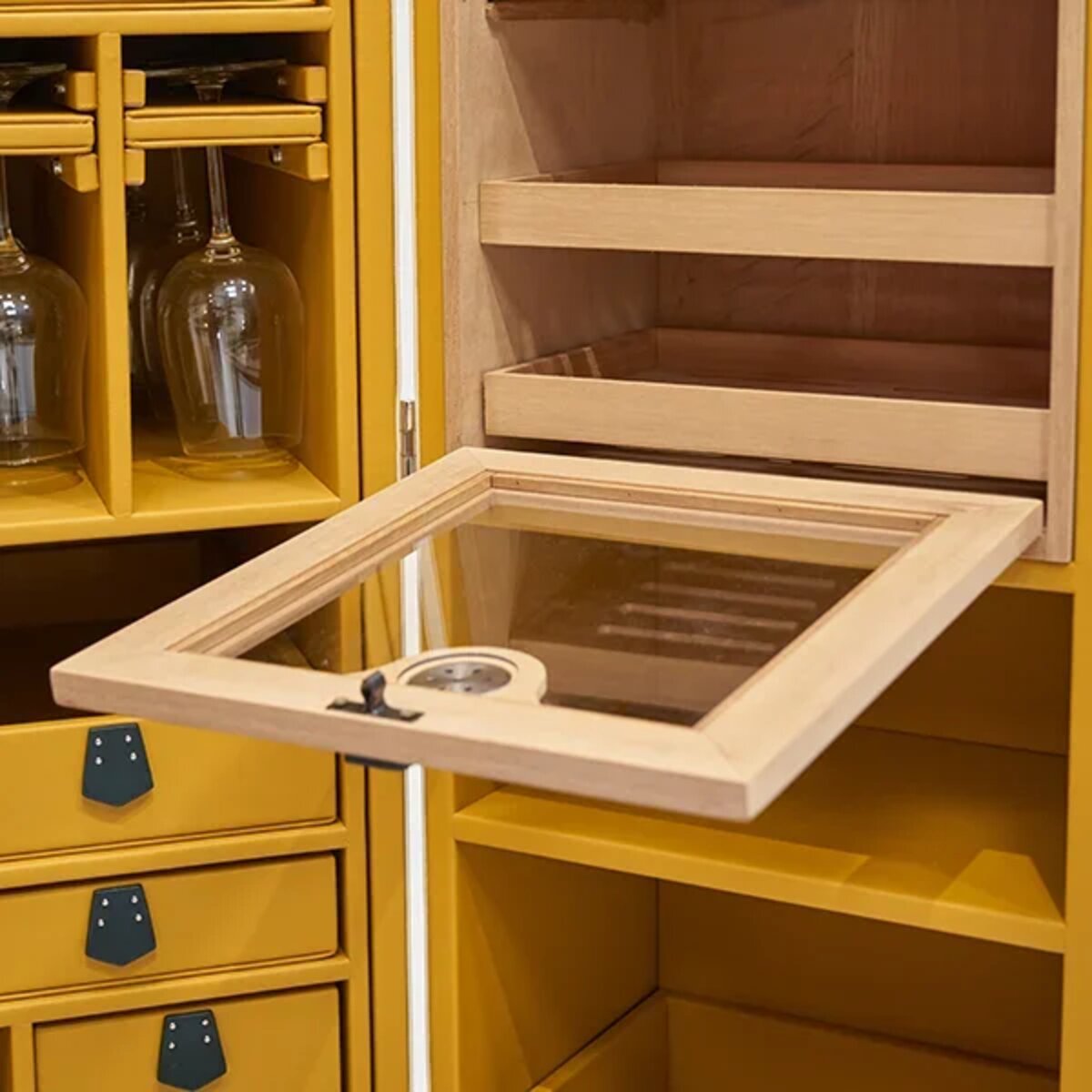
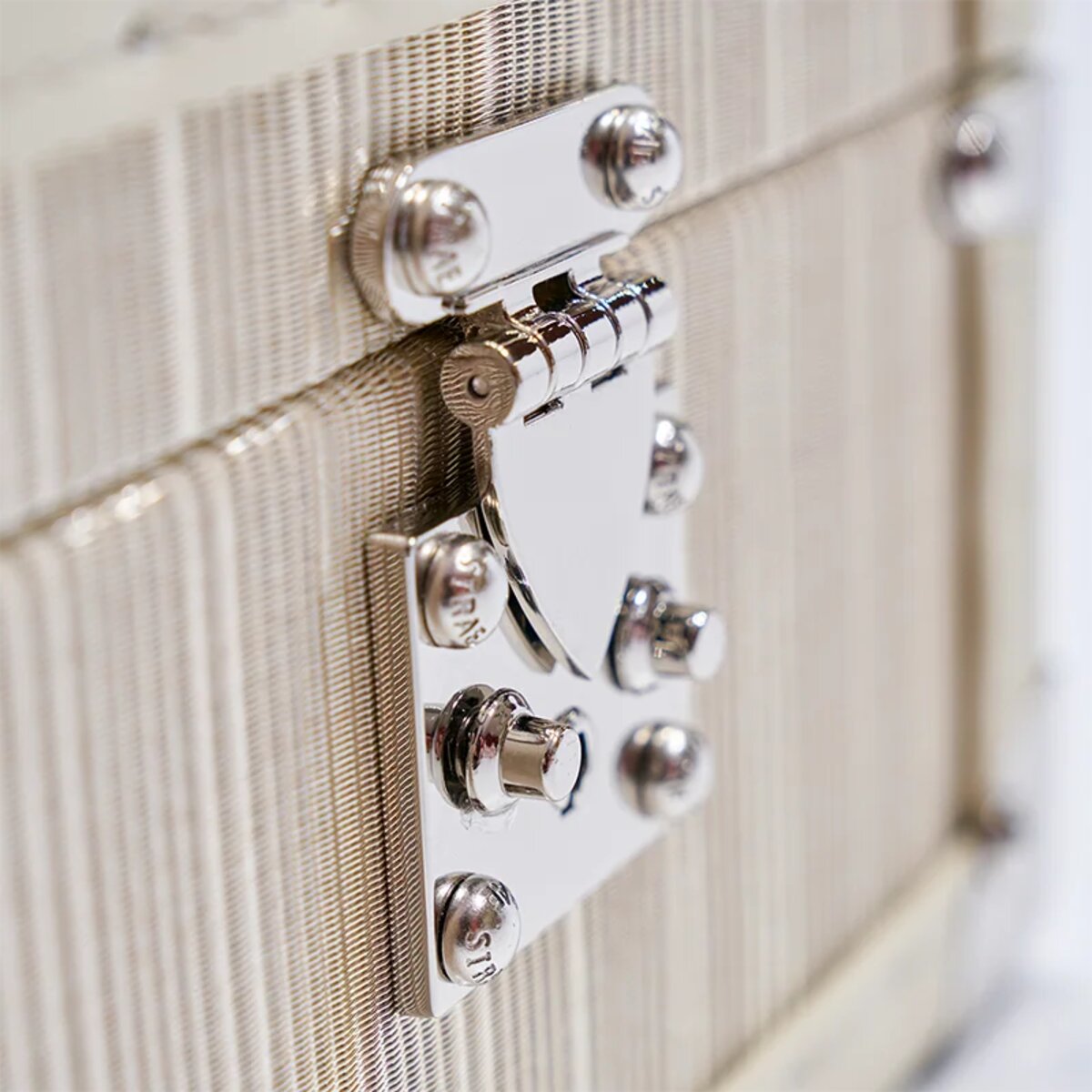
تقوم خزانة الشاي أو البار المصممة خصيصًا بثلاثة أشياء لا تستطيع طاولة الكونسول فعلها: فهي تحافظ على الخدمة الكاملة في متناول اليد حتى لا يضطر المضيف إلى عبور الغرفة بين الصبات؛ وتقدم الدلة والأكواب كجزء من تكوين الغرفة؛ وتوفر تخزينًا مغلقًا أدناه لما لا يجب أن يكون معروضًا. إن خزانة شاي البار "الإمبراطورة" من أوروم واير - بلوسوم بينك مصممة خصيصًا لهذا الغرض: خزانة من الأسلاك النحاسية المنسوجة يدويًا ذات هيكل صلب مستقر الأبعاد في رطوبة الخليج، مع سطح عرض للخدمة وتخزين مغلق أسفله.

بالنسبة لجانب تقديم الضيافة — السيجار بعد الوجبة، المشروبات الروحية في مجلس عائلي خاص — فإن المخاطر المناخية أعلى. تتطلب مجموعة السيجار رطوبة ثابتة، ويحافظ صندوق ترطيب السيجار "الخبير" من أوروم واير - فروستد سيلفر على الظروف التي لا يستطيع درج المكتب توفيرها. يغطي جانب البار دليلنا حول اختيار خزانة بار فاخرة لمجلس دبي، وعملية صندوق الترطيب في دليل جامع السيجار لخزانة ترطيب السيجار الفاخرة. حدد ما يقدمه مجلسك، ثم امنحه خزانة مصممة للحفاظ على هذا العرض في حالة جيدة.
حيث يقع نظر الضيف: واجهات العرض وجدار المجموعة
الرأي الفني: في أي غرفة استقبال، تنتقل عين الضيف بشكل متوقع — إلى الجدار المواجه للمدخل الرئيسي، إلى السطح خلف مقعد المضيف، إلى أي شيء مضاء أو مرتفع. يجب أن يضع المجلس واجهة عرضه على أحد هذه الخطوط البصرية ويترك الجدران الأخرى هادئة. ترفع واجهة العرض الزجاجية المجموعة، والدلة العائلية، أو المقتنيات الأثرية إلى مستوى العين الواقف، وتحول الجزء السفلي إلى تخزين مغلق، وتحمي القطع المعروضة من الغبار الذي يميز الحياة الداخلية في الخليج.
حل تصميم المجلس التراثي مشكلة العرض بفتحات جدارية مصممة لعرض الكتب الإسلامية، ولوحات الخط العربي، والفخار اليدوي، والدلة نفسها. تُعد واجهة العرض القائمة بذاتها المعادلة المعاصرة، وتستحق مكانها لسبب خاص بالمنطقة: الزجاج المغلق يحافظ على الغبار الناعم بعيدًا عن القطع المعروضة، حيث تتطلب الأرفف المفتوحة اهتمامًا مستمرًا ضد غبار دبي المحمول في الهواء ودورة تكييف الهواء.
إن واجهة عرض برج فيرايسون من هيرتيج برينت - إيميرالد مصممة لدور الخط البصري — واجهة عمودية تجذب العين إلى الأعلى، وتعرض مجموعة خلف الزجاج، وتوفر تخزينًا مخفيًا أسفلها. الأهمية الرأسية مهمة في مجلس فيلا دبي النموذجي، حيث تترك الأسقف التي يبلغ ارتفاعها 3.5-4 أمتار الحجم العلوي فارغًا؛ تستخدم الواجهة الطويلة هذا الارتفاع وتعتبر مقصودة. ضعها حيث تصل العين بشكل طبيعي وهي تجيب على "ماذا أنظر إليه" و "أين تذهب الأواني الصينية الجيدة" في قطعة واحدة.

هناك مبدأ واحد يحافظ على جدار التجميع من التحول إلى الفوضى: التعديل. واجهة تعرض ست قطع مختارة بعناية تُعتبر مجموعة منسقة؛ نفس الواجهة المكدسة بثلاثين قطعة تُعتبر خزانة بباب زجاجي. اترك المساحة السلبية، أضئ الواجهة إذا استطعت، وقم بتدوير ما يُعرض.
المناخ والمواد: ما الذي يصمد في مجلس الخليج
الحكم الفني: يدور المجلس في فيلا مكيفة في دبي بين حوالي 25% رطوبة نسبية في الداخل و80-90% رطوبة نسبية في ظروف السواحل الصيفية المسجلة من قبل المركز الوطني للأرصاد الجوية بدولة الإمارات العربية المتحدة (ncm.gov.ae). يتسبب هذا التغير في تمدد وانكماش المواد المسامية، ورفع الطبقة الرقيقة، وتسريع التآكل على المعادن غير المحمية — لذا يجب تحديد قطع تخزين وعرض المجلس بناءً على استقرارها الأبعاد، وليس فقط مظهرها. يصمد المعدن الصلب، والأسلاك النحاسية المنسوجة يدويًا، والأسطح المغلقة، والزجاج المقوى؛ بينما لا يصمد القشرة الرقيقة على MDF والتزيين المجوف المطلي.
تتعرض طبقة العرض أكثر من المقاعد، لأن الخزائن غالبًا ما تكون موضوعة على الجدران الخارجية وتحت النوافذ المواجهة للغرب الشائعة في بناء الفلل في دبي، حيث يمكن أن ترتفع درجات حرارة الأسطح الداكنة إلى أكثر من 50 درجة مئوية في فترة ما بعد الظهر الصيفية. يوضح الجدول أدناه المواد المحتملة للمجلس مقابل الظروف الداخلية في الخليج.
| المادة | خطر مجلس الخليج | ما يجب فحصه |
|---|---|---|
| سلك نحاسي منسوج يدويًا (بناء سيراي) | منخفض — المعدن مستقر الأبعاد | نسيج صلب؛ لا يوجد انتفاخ أو رفع للقشرة |
| إطار من النحاس الصلب / الفولاذ المصقول | منخفض — يتكون طبقة عتيقة، لا يفشل هيكليًا أبدًا | قطعة صلبة، ليست أنبوبًا مطليًا مجوفًا |
| لوح عرض زجاجي مقوى | منخفض | مركب بالمطاط في الإطار؛ 8 مم كحد أدنى |
| سطح مغلق بنمط تراثي | منخفض — تحقق من اللحامات والحواف | وجه مغلق؛ حواف مشدودة، غير مرفوعة |
| تفاصيل جلد كامل الحبوب | متوسط — يجف تحت التكييف | يُشحم بانتظام؛ يحفظ على بعد 1 متر من مخرج تكييف الهواء |
| خزانة من الخشب الصلب | متوسط — حركة موسمية | مجفف في الفرن، بلمسة نهائية غير لامعة |
| قشرة رقيقة على MDF | عالية — رفع الحواف في دورة الرطوبة | تجنبها للخزائن المعرضة للدورات |
| تزيين من الزنك المطلي المجوف | عالية — تآكل خلال 12-18 شهرًا | تجنبه تمامًا |
يعد الموضع مهمًا بقدر المادة. احتفظ بأي قطعة جلدية أو خشبية على بعد متر واحد من مخرج هواء الإمداد، حيث تعمل تدفقات الهواء الجافة والباردة على تعتيق الأسطح بسرعة أكبر، واحتفظ بصندوق الترطيب أو الشاشة الحساسة للرطوبة بعيدًا عن الجدران الغربية — حيث يؤدي الحمل الشمسي بعد الظهر إلى زعزعة الظروف التي وُجدت هذه القطع للحفاظ عليها. يجب التخطيط لصندوق ترطيب السيجار بشكل خاص حول درجة الحرارة والرطوبة المستقرة أولاً، والجماليات ثانيًا — وهو المبدأ الأساسي في دليل جامع السيجار لطلب خزانة ترطيب السيجار الفاخرة.
التخزين السري والقطع متعددة الأغراض: الحفاظ على هدوء المجلس
إجابة سريعة: المجلس الذي يستضيف الضيوف غالبًا ما يتراكم فيه الفوضى اليومية — أجهزة التحكم عن بعد، الشواحن، الوسائد الإضافية، البياضات — والطريقة للحفاظ على هدوئه هي استيعاب هذه الفوضى في قطعتين هادئتين: صندوق تخزين منخفض يعمل أيضًا كسطح أمام المقاعد، وخزانة جانبية أو دوارة موضوعة على جدار حيث لا يستقر النظر. يجب أن يكون التخزين المرئي جميلًا؛ يجب أن يكون التخزين اليومي غير مرئي. الخلط بين الاثنين هو ما يجعل المجلس يبدو مزدحمًا.
يعد صندوق التخزين القطعة الأكثر كفاءة متعددة الأغراض التي يمكن أن يحتويها المجلس. يوضع أمام أو بين الأرائك، ويوفر سطحًا منخفضًا لوظيفة طاولة القهوة بينما يبتلع داخله الوسائد الإضافية والعناصر الموسمية التي تتراكم في الزوايا. إن صندوق التخزين التراثي من أوروم واير - أميثيست ملكي مصمم لهذا الدور: صندوق من الأسلاك النحاسية المنسوجة يدويًا يبدو كطاولة منخفضة مدروسة بينما يخفي المفروشات الناعمة التي تولدها غرفة الاستضافة. بالنسبة للأسر التي تزن صندوقًا مقابل طاولة منخفضة تقليدية، يوضح دليلنا طاولات القهوة الفاخرة في الإمارات التوازن بين المزايا.

القطعة الهادئة الثانية هي خزانة جانبية أو دوارة على الحائط، تحمل الفوضى غير الجذابة — أجهزة التحكم عن بعد، والشواحن، والبياضات. تناسب خزانة كوتور الدوارة من هيريتج برينت - مونوكروم هذا النمط لأن وصولها الدوار يركز التخزين في مساحة صغيرة. توضع حيث لا يقع النظر، وتمتص الحياة اليومية حتى تتمكن واجهة العرض ومحطة القهوة من حمل الغرفة. اجعل السجلين مرتبطين ولكن غير متطابقين: تخزين هادئ يتشارك لغة المواد مع قطع العرض — نفس المفردات من الأسلاك النحاسية أو الطباعة التراثية — بينما يختلف في الحجم يبدو كغرفة مجمعة بدلاً من مجموعة معرض.
المجلس الرسمي مقابل مجلس العائلة: متطلبات تخزين مختلفة
الخلاصة: المجلس الرسمي المخصص للضيوف والمناسبات والمجلس العائلي المستخدم يوميًا هما نوعان مختلفان من متطلبات التخزين، حتى لو بدت المقاعد متشابهة. الغرفة الرسمية تعطي الأولوية للعرض وخدمة القهوة المجهزة — الحضور على السعة. غرفة العائلة تعطي الأولوية للسعة والسرية — يجب أن تستوعب الحياة اليومية وتُعاد ترتيبها بسرعة قبل وصول الضيوف. العديد من فيلات دبي تحتوي على كليهما، وتحديد كل منهما لاستخدامه الفعلي يمنع غرفة العائلة من الشعور وكأنها متحف والغرفة الرسمية من الشعور وكأنها غرفة تخزين.
في الغرفة الرسمية، تُخصص الميزانية للعرض والخدمة المجهزة، حيث لا تُستخدم بين التجمعات؛ بينما تحتاج غرفة العائلة إلى تخزين مغلق يُعيد ترتيب الحياة اليومية ليصبح جاهزًا في دقائق. يلخص الجدول أدناه هذا الانقسام.
| الحاجة | المجلس الرسمي | مجلس العائلة |
|---|---|---|
| أولوية التخزين الرئيسية | العرض والخدمة المجهزة | السعة وإعادة الضبط السريع |
| واجهة العرض | مركزية، على خط الرؤية الرئيسي | اختيارية، ثانوية |
| محطة القهوة / الشاي | بارزة، موجهة نحو العرض | عملية، موجهة نحو الاستخدام اليومي |
| تخزين يومي مغلق | محدود — خزانة واحدة هادئة | سخي — صندوق بالإضافة إلى خزانة جانبية |
| صندوق ترطيب / خزانة بار | غالبًا ما يكون موجودًا، يُقدم بشكل رسمي | اختياري، تقدير العائلة |
| سجل المواد | الحضور والتشطيب أولاً | المتانة وإعادة الضبط السريع أولاً |
بالنسبة للغرفتين، تتبع قرارات البار وصندوق الترطيب نفس المنطق المتعلق بمدى الحفظ، بغض النظر عن الرسمية — تحديد الحجم والتحكم في المناخ والموضع أولاً. تغطي هذه القرارات بشكل كامل في دليلنا لخزانة البار الفاخرة في الإمارات العربية المتحدة، وهو القراءة التالية الطبيعية بمجرد أن ينتقل تصميم المجلس إلى تحديد القطع الفردية.
الأسئلة المتكررة
ما هو الأثاث الذي يحتاجه المجلس بخلاف الأرائك؟ بالإضافة إلى المقاعد، يحتاج المجلس الكامل إلى طبقة تخزين وعرض: خزانة قهوة أو شاي لتجهيز خدمة القهوة في متناول المضيف، وواجهة عرض على خط رؤية للدلة ومجموعة المنزل، وخزانة تقديم مثل صندوق ترطيب أو خزانة بار لما يُقدم للضيوف، وصندوق تخزين منخفض يعمل كسطح، وخزانة جانبية سرية للفوضى اليومية. تحديد هذه القطع بجانب الأرائك يميز المجلس المكتمل عن المجلس المفروش فقط.
أين يجب تخزين الدلة وخدمة القهوة في المجلس؟ جهز الدلة والفناجين على خزانة شاي أو قهوة مخصصة توضع في متناول المضيف من فتحة المقاعد، بحيث تتدفق الخدمة دون مغادرة الغرفة. يجب أن تقدم الخزانة الخدمة كجزء من تكوين الغرفة مع توفير تخزين مغلق أسفلها للأكواب والبياضات الإضافية. غالبًا ما تُعرض دلة العائلة أيضًا في واجهة عرض زجاجية على خط الرؤية الرئيسي للغرفة، حيث يحافظ الزجاج المغلق على الغبار الناعم في الخليج بعيدًا عنها بين التجمعات.
كيف أحمي المعروضات والسيجار في مجلس دبي؟ تحدد المادة والمكان مدى بقائها. اختر وحدات تخزين ثابتة الأبعاد، مثل الأسلاك النحاسية المنسوجة يدويًا، أو المعادن الصلبة، أو الزجاج المقسّى، أو الأسطح محكمة الغلق، بدلًا من القشرة الرقيقة التي تتقشر بسبب تقلبات الرطوبة. احتفظ بقطع الجلد والخشب على بعد متر واحد من مخرج تكييف الهواء، وأبعد مرطبات السيجار والمعروضات الحساسة للرطوبة عن الجدران الغربية، حيث تؤدي أشعة الشمس في الصيف إلى زعزعة استقرار الظروف. تتطلب مجموعة السيجار بشكل خاص خزانة ترطيب حقيقية تحافظ على درجة حرارة ورطوبة ثابتتين، وليس رفًا مفتوحًا أو درج مكتب، نظرًا للتقلبات بين الأماكن الداخلية الجافة المكيفة والهواء الساحلي الرطب في الخليج.
ما الفرق بين المجلس الرسمي ومجلس العائلة؟ المجلس الرسمي مخصص للضيوف والمناسبات ويعطي الأولوية للعرض وتقديم القهوة المنظم، مع التركيز على المظهر العام أكثر من الاستيعاب، وتخصيص الميزانية لواجهة العرض ومحطة القهوة المرئية. أما مجلس العائلة فيُستخدم يوميًا ويعطي الأولوية للاستيعاب وسرعة الترتيب، ويتطلب تخزينًا مغلقًا واسعًا مثل صندوق أو خزانة جانبية لاستيعاب مستلزمات الحياة اليومية قبل وصول الضيوف. تحتوي العديد من الفلل في دبي على كليهما، ويجب تحديد كل منهما بناءً على استخدامه الفعلي بدلًا من اعتبارهما متطلبًا واحدًا.
قم بزيارة معرض سيراي في دبي
يكتمل تصميم المجلس فقط عندما تُرى قطع التخزين والعرض متناسبة مع المقاعد، مثل ارتفاع خزانة العرض مقابل سقف بارتفاع 4 أمتار، والمسافة للوصول إلى محطة القهوة من الضيف الجالس، وكيفية حفاظ مرطب السيجار على ظروفه. لتخطيط تصميم مجلسك ورؤية التراكيب المصنوعة من الأسلاك النحاسية المنسوجة يدويًا والمطبوعات التراثية التي تثبت هذه القطع في مناخ الخليج، احجز موعدًا خاصًا في صالة عرض سيراي، مجمع الشفار، أم سقيم 1، دبي. اتصل على +971 55 886 6180 أو راسلنا على info@siraecasa.com، وسيساعدك فريقنا في تنسيق طبقة التخزين والعرض لمجلسك الحديث.
%0A%D9%8A%D9%8F%D9%86%D8%A7%D9%82%D8%B4%20%D8%AA%D8%B5%D9%85%D9%8A%D9%85%20%D8%A7%D9%84%D9%85%D8%AC...)
اترك تعليقًا
This site is protected by hCaptcha and the hCaptcha Privacy Policy and Terms of Service apply.