
طاولات جانبية وطاولات قهوة لغرف معيشة إماراتية: دليل المشتري (2026)
الطاولات الجانبية وطاولات الأركان لغرف المعيشة في الإمارات: دليل المشتري (2026)
تُعد الطاولة الجانبية - أو طاولة الأركان لغرفة الرسم - هي القطعة الأقل تحديداً في غرفة المعيشة الإماراتية، وهي التي تسبب أكبر قدر من الاحتكاك اليومي عندما تكون خاطئة. اشترِ واحدة منخفضة جداً بمقدار 10 سم وتشعر أن كل مشروب يوضع عليها غير آمن؛ اشترِ واحدة تتعارض مع طاولة القهوة ويظهر ترتيب الجلوس وكأنه تم تجميعه من غرف منفصلة. يغطي هذا الدليل لعام 2026 هندسة مطابقة الارتفاع، ومنطق التنسيق الفردي مقابل التنسيق المزدوج، وما هي المواد التي تتحمل الظروف المناخية الخليجية في الداخل، وكيفية اختيار طاولة أركان تكمل طاولة القهوة الرئيسية التي ترتكز عليها مجموعة جلوسك بدلاً من أن تتنافس معها.

ما هو الارتفاع المناسب للطاولة الجانبية أو طاولة الأركان؟
إجابة سريعة: يجب أن تكون الطاولة الجانبية على بعد 5 سم من ارتفاع مسند ذراع الأريكة - متساوية أو أقل بقليل، ولا تزيد أبداً. عادةً ما تحتوي الأرائك المقطعية ذات المقاعد العميقة في الإمارات على مساند ذراع بارتفاع 55-65 سم؛ وتغطي الطاولة الجانبية في نطاق 50-65 سم معظمها. عند الشك، قم بقياس مسند الذراع قبل اختيار الطاولة.
توجد قاعدة الارتفاع بسبب طريقة استخدام الطاولة الجانبية بالفعل: تضع كوباً دون أن تنظر، أو تتناول شاحن هاتف، أو تضع كتاباً في نهاية أمسية طويلة. عندما يكون سطح الطاولة على مستوى مسند الذراع، يكون هذا الحركة سهلة ومستقرة. عندما تكون الطاولة منخفضة بشكل ملحوظ، تشعر أن كل عنصر يوضع عليها قد وضع على الأرض؛ وعندما تكون أعلى، يكون الوصول محرجاً وتكون الكؤوس عرضة للسقوط بضربة ذراع عابرة. التفاوت ضيق حقاً - ضمن 5 سم وصول مريح، وتجاوز 8 سم في أي اتجاه يبدأ الشعور بالخطأ في الاستخدام اليومي.
تقدم غرف المعيشة في الإمارات متغيراً ثانياً: الأريكة المقطعية الكبيرة التي أصبحت تنسيق الجلوس الافتراضي في فلل دبي. العديد من الأرائك المقطعية ذات المقاعد العميقة تكون منخفضة عن الأرض أكثر من الأرائك الأوروبية - ارتفاعات المقاعد الشائعة هي 38-42 سم - مما يسحب مساند الذراع إلى 55-60 سم. إذا كنت تشتري طاولة جانبية لزوايا غرفة الرسم لأريكة مقطعية، فقم بالقياس أولاً واستخدم الجدول أدناه كفحص.
| نوع الأريكة / مسند الذراع | الارتفاع النموذجي لمسند الذراع | ارتفاع الطاولة الجانبية الموصى به |
|---|---|---|
| أريكة كلاسيكية بمسند ذراع ملفوف | 62–68 سم | 58–65 سم |
| أريكة معاصرة بمسند ذراع منخفض | 55–62 سم | 52–60 سم |
| أريكة مقطعية عميقة المقعد في الإمارات | 55–60 سم | 50–58 سم |
| كرسي بأجنحة ظهر مرتفع | 65–72 سم | 60–68 سم |
| جلسات منخفضة على طراز المجالس | 40–50 سم | 38–48 سم |
لاحظ أيضاً أن الطاولة الجانبية المستخدمة بشكل أساسي كمحطة للمشروبات ترغب في أن تكون ذات مساحة سطح أكبر قليلاً - قطر 35-45 سم أو مربع مكافئ - حتى يتمكن كوب كامل ووقاء وفيه جهاز تحكم عن بعد من التعايش دون أن تبدو الطاولة فوضوية.

طاولة جانبية مفردة أم زوج متطابق - أيهما الأفضل؟
الخلاصة: يؤدي زوج متطابق من الطاولات الجانبية إلى تثبيت الأريكة بشكل متماثل ويظهر كقرار مدروس؛ تكون الطاولة الجانبية المفردة الموضوعة في أحد الطرفين صحيحة عندما يكون الطرف الآخر ملاصقاً للحائط، أو يشغله مصباح أرضي، أو عندما ترغب حقاً في عدم التماثل كخيار تصميمي. الخطأ هو شراء طاولة واحدة بهدف إضافة ثانية لاحقاً - حيث تختلف الأبعاد والتشطيبات بين الفصول، ويصبح عدم التوافق دائماً.
تُعد فكرة الزوج قوية في أي ترتيب جلوس رسمي: فوجود أريكة بثلاثة مقاعد محاطة بطاولتين جانبيتين متطابقتين يظهر كشيء مكتمل، متوازن، ومقصود - وهو ما يعادل بصرياً طاولة معدة بشكل صحيح. كما أنه يحل مشكلة عملية في المنازل التي يشغل فيها شخصان الأريكة معاً عادةً ويحتاج كلاهما إلى سطح لوضع كوب أو جهاز. أما بالنسبة لثقافة الضيافة في الإمارات، حيث قد تتسع أريكة المجلس لأربعة إلى ستة ضيوف، فإن زوجاً من الطاولات الجانبية المحيطة هو الحد الأدنى - تترك المقاعد الوسطى بدون سطح، وهو ما تحله طاولة القهوة، لكن الأطراف تحتاج إلى قطع تثبيت خاصة بها.
تكون الطاولة الجانبية المفردة صحيحة ومقصودة في ثلاث حالات: أن تنتهي الأريكة عند جدار وستبدو غير متوازنة إذا وضعت طاولة مقابل ذلك الجدار؛ أو أن مصباح أرضي أو قطعة نحتية تشغل أحد الطرفين بالفعل؛ أو أن تتطلب فكرة التصميم عدم تماثل مدروس، وفي هذه الحالة يجب أن تكون للطاولة المفردة حضور بصري أكبر مما تحتاجه أي قطعة من الزوج المتطابق بمفردها.
ماذا يوضع على الطاولة الجانبية؟ التخطيط للسطح للاستخدام اليومي
إجابة سريعة: تؤدي الطاولة الجانبية في غرفة المعيشة الإماراتية عادة دوراً أساسياً واحداً - محطة للمشروبات، قاعدة مصباح، نقطة شحن للأجهزة، أو رف لأشياء الزينة - ويجب أن تكون بحجمها وتشطيبها وموقعها المناسب لهذا الدور قبل النظر في أي شيء آخر. فالطاولة التي تؤدي ثلاث وظائف بسطح 30 سم ستؤديها جميعاً بشكل سيء.
تتمتع كل وظيفة من وظائف الطاولات الجانبية الأربعة بمواصفات مختلفة:
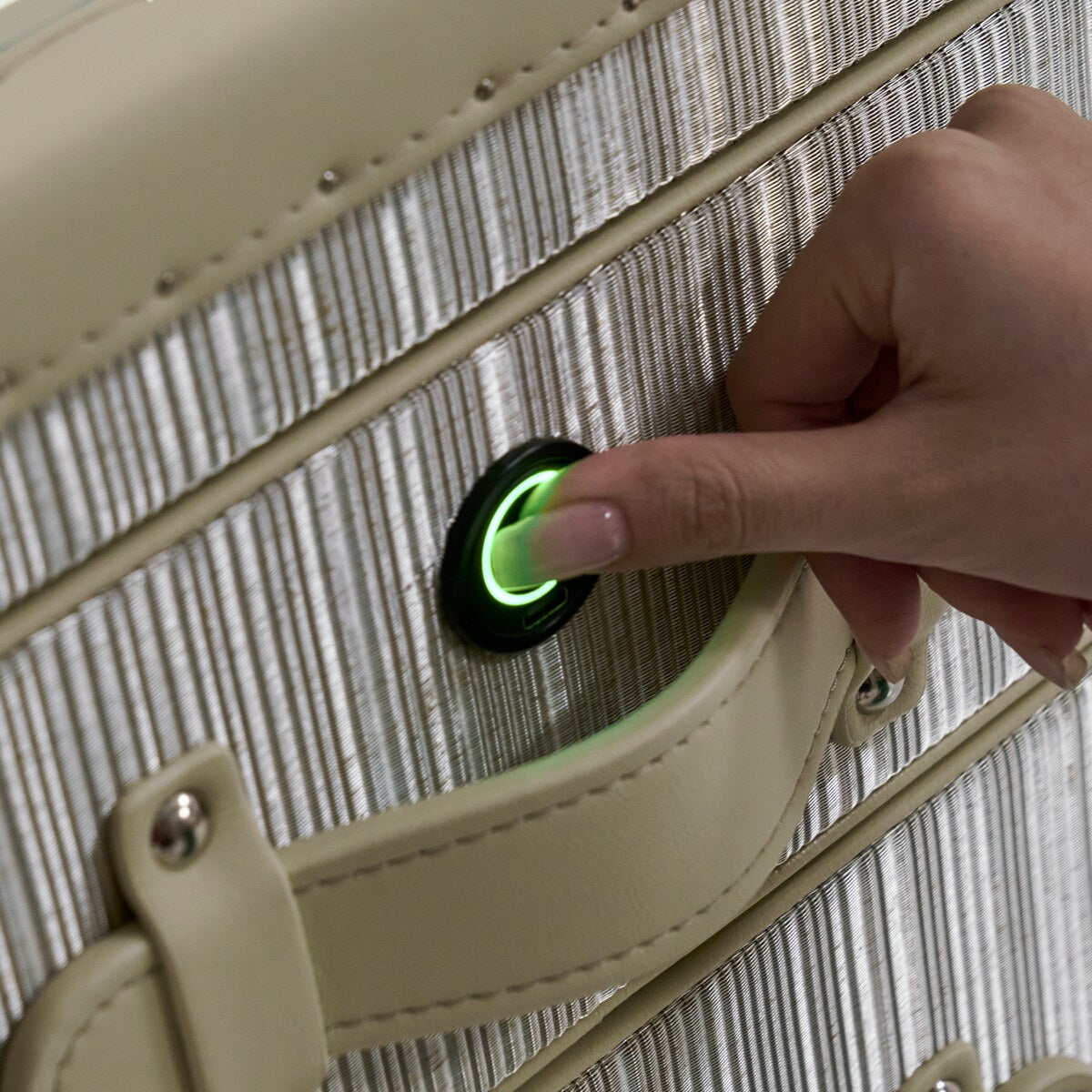
محطة للمشروبات: سطح لا يقل عن 35 سم في أحد الأبعاد، تشطيب سهل التنظيف أو مختوم، وموضوع مباشرة بجانب مكان الجلوس دون الحاجة إلى الوصول عبر مساند الذراعين. يعمل خزانة Aurum Loom الجانبية - الفضي المطفي و خزانة Aurum Loom الجانبية - الأزرق السماوي - وهي قطع السلك النحاسي المنسوجة يدوياً من سيراي - بشكل جيد هنا لأن الواجهة المنسوجة الصلبة مستقرة الأبعاد في رطوبة الإمارات وسطحها على مستوى مسند الذراع؛ يضيف الجزء السفلي المغلق مساحة تخزين سرية لأكواب الوقاية وأجهزة التحكم عن بعد دون أن يزيد من الحجم.
قاعدة المصباح: الارتفاع هو الأولوية - يجب أن ترفع الطاولة غطاء المصباح إلى 140-150 سم من الأرضية النهائية، وهو ما يعادل تقريباً مستوى العين لشخص بالغ جالس. تحقق الطاولة الجانبية بارتفاع 60 سم مع مصباح بقاعدة إلى غطاء 85-90 سم هذا الغرض. يمكن أن تكون مساحة الطاولة صغيرة - 30 سم مربع كافية - لأن المصباح هو الغرض الوظيفي.
شحن الجهاز: تصميم منخفض، سطح قريب من المقعد لسهولة الوصول إلى الكابلات، ويفضل أن يكون له رف سفلي أو درج لإخفاء الأسلاك المتدلية. طاولة جانبية بدرج واحد صغير تحقق فائدتها في هذا الدور.
مرساة زخرفية: متحررة من المتطلبات الوظيفية الصارمة، يمكن لهذه الطاولة أن تعطي الأولوية للوزن البصري - قاعدة نحتية، مادة غير عادية أو تشطيب متباين. يعتبر طاولة القهوة Cuir Luxe – الجمشت الملكي قطعة بحجم طاولة قهوة، ولكن منطق بناء الجلد والمعدن الذي تمثله يمكن أن يخبرنا بما يجب أن تكون عليه القطعة الجانبية المطابقة في نفس الغرفة: لغة مادية متسقة، ومقياس متكامل بدلاً من أن يكون مطابقاً.
ما هي المواد التي تتحمل الظروف الداخلية في الإمارات؟
الخلاصة الفنية: تواجه طاولة جانبية توضع في غرفة مكيفة في الإمارات تقلبات في الرطوبة النسبية تبلغ حوالي 25٪ في الداخل مقابل 80-90٪ في الظروف الساحلية الصيفية التي سجلها المركز الوطني للأرصاد الجوية في الإمارات (ncm.gov.ae). يؤدي هذا التناوب إلى تمدد وانكماش المواد المسامية - الأسطح الخشبية الرقيقة، الخشب الخام، MDF - ويسرع من تشوه المعادن غير المحمية. المواد التي تصمد هي تلك المستقرة الأبعاد: المعدن الصلب، هياكل الأسلاك النحاسية المنسوجة، الأحجار المختومة، الزجاج المقوى والجلد الطبيعي المدبوغ بشكل صحيح.
| المادة | مستوى المخاطر في الإمارات | ماذا يجب التحقق منه |
|---|---|---|
| أسلاك نحاسية منسوجة (تصنيع سيراي) | منخفض — المعدن مستقر الأبعاد | هيكل صلب منسوج يدوياً؛ لا يوجد انتفاخ أو تقشر للكسوة |
| نحاس صلب / قاعدة فولاذ مصقول | منخفض — يكتسب طبقة عتيقة، لا يفشل هيكلياً أبداً | جزء صلب، وليس أنبوباً مجوفاً مطلياً |
| سطح رخام أو حجر مختوم | منخفض — تحقق من الفواصل / اللحامات | مختوم ضد الزيت والماء؛ تجنب الترافرتين غير المختوم |
| سطح زجاج مقوى | منخفض | مثبت بالمطاط على الإطار؛ 8 مم كحد أدنى |
| سطح جلد طبيعي | معتدل — يجف تحت التكييف | يعالج بانتظام؛ يحفظ على بعد 1 متر من مخرج التكييف |
| خشب صلب | معتدل — حركة موسمية | مجفف في الفرن، تشطيب منخفض اللمعان؛ تجنب اللمعان العالي |
| قشرة رقيقة على MDF | مرتفع — تقشر الحافة في دورات الرطوبة | تجنبها للأسطح الرئيسية؛ مقبولة فقط لظهر الرفوف |
| أرجل مجوفة من الزنك المطلية | مرتفع — تآكل خلال 12-18 شهراً | تجنبها تماماً |
يعد الموقع بنفس أهمية المادة: احتفظ بأي طاولة جانبية خشبية أو جلدية على بعد متر واحد على الأقل من مخرج الهواء المباشر. تدفع نوافذ دبي الغربية درجات حرارة سطح الأثاث الداكن إلى ما يزيد عن 50 درجة مئوية في فترة ما بعد الظهر الصيفية - ستفشل طاولة بقشرة داكنة مباشرة تحت نافذة غربية أسرع من نفس الطاولة في الطرف الآخر من الغرفة.

كيفية تنسيق طاولة جانبية مع طاولة القهوة الخاصة بك دون تضارب
إجابة سريعة: يجب أن تشارك الطاولة الجانبية عنصراً تصميمياً واحداً على الأقل مع طاولة القهوة الرئيسية - المادة، تشطيب الأرجل، أو عائلة الألوان - مع اختلاف متعمد في الحجم والخطوط. قطعتان متطابقتان بارتفاعات مختلفة تبدوان خطأً؛ قطعتان بنفس اللغة المادية بأشكال مختلفة بشكل متعمد تبدوان كقرار.
يعمل منطق التنسيق في ثلاث خطوات. أولاً، حدد المادة السائدة في طاولة القهوة: سطح حجري، قاعدة معدنية، سطح جلدي، واجهة منسوجة. ثانياً، كرر هذه المادة في الطاولة الجانبية - لا تكرر القطعة بأكملها، بل استمر في الفكرة. طاولة القهوة Cuir Luxe – الجمشت الملكي في المنتصف تتناسق مع خزانة جانبية من الأسلاك النحاسية على الجانب لأن كلاهما يتحدث لغة المعدن والحرفية، حتى لو بأحجام مختلفة. ثالثاً، فرق عمداً في الشكل - تتناسق طاولة القهوة الدائرية بشكل أفضل مع طاولة جانبية مربعة أو مستطيلة من دائرة أخرى؛ تكتسب طاولة القهوة المستطيلة المنخفضة اهتماماً بصرياً من قطعة جانبية أطول وأكثر نحافة.
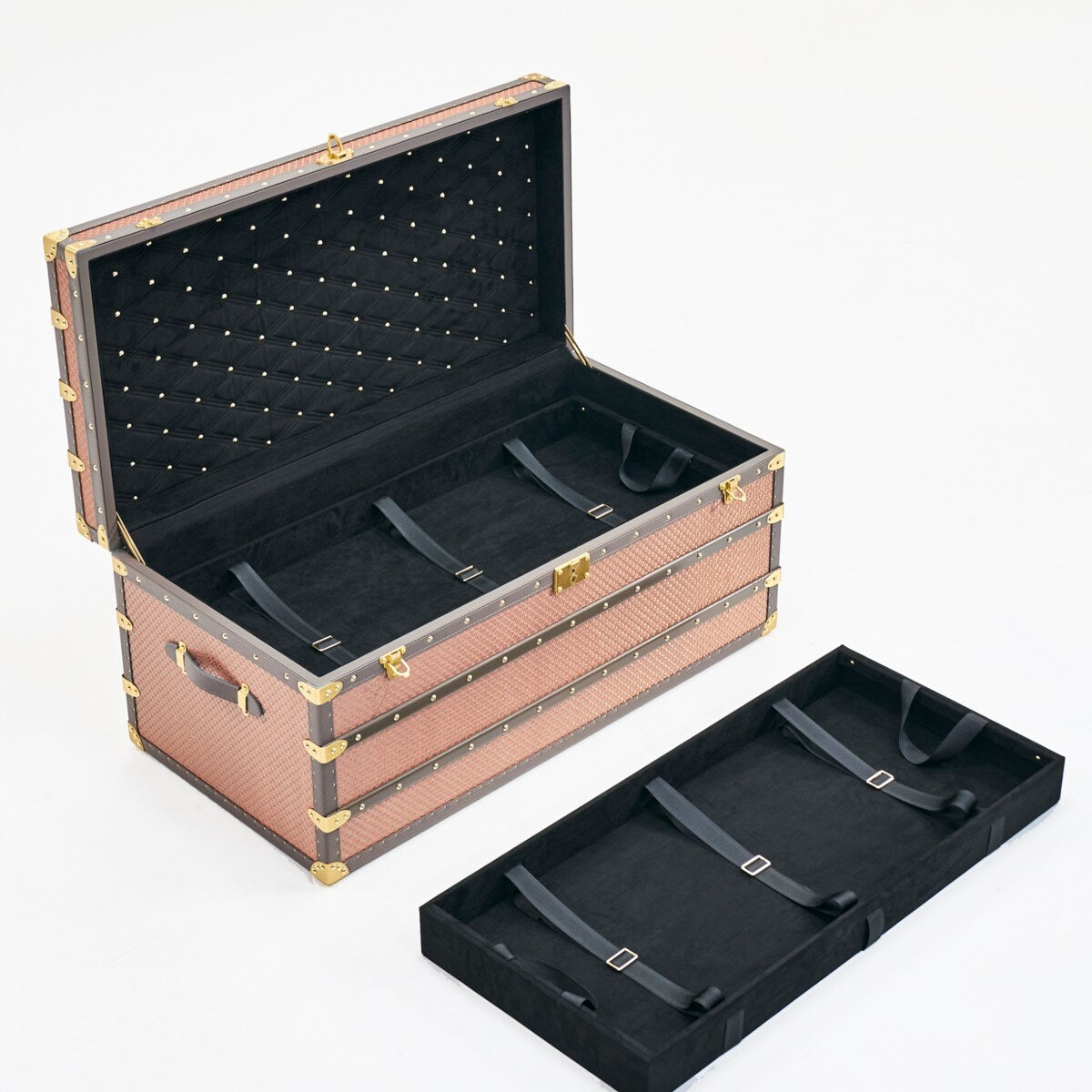
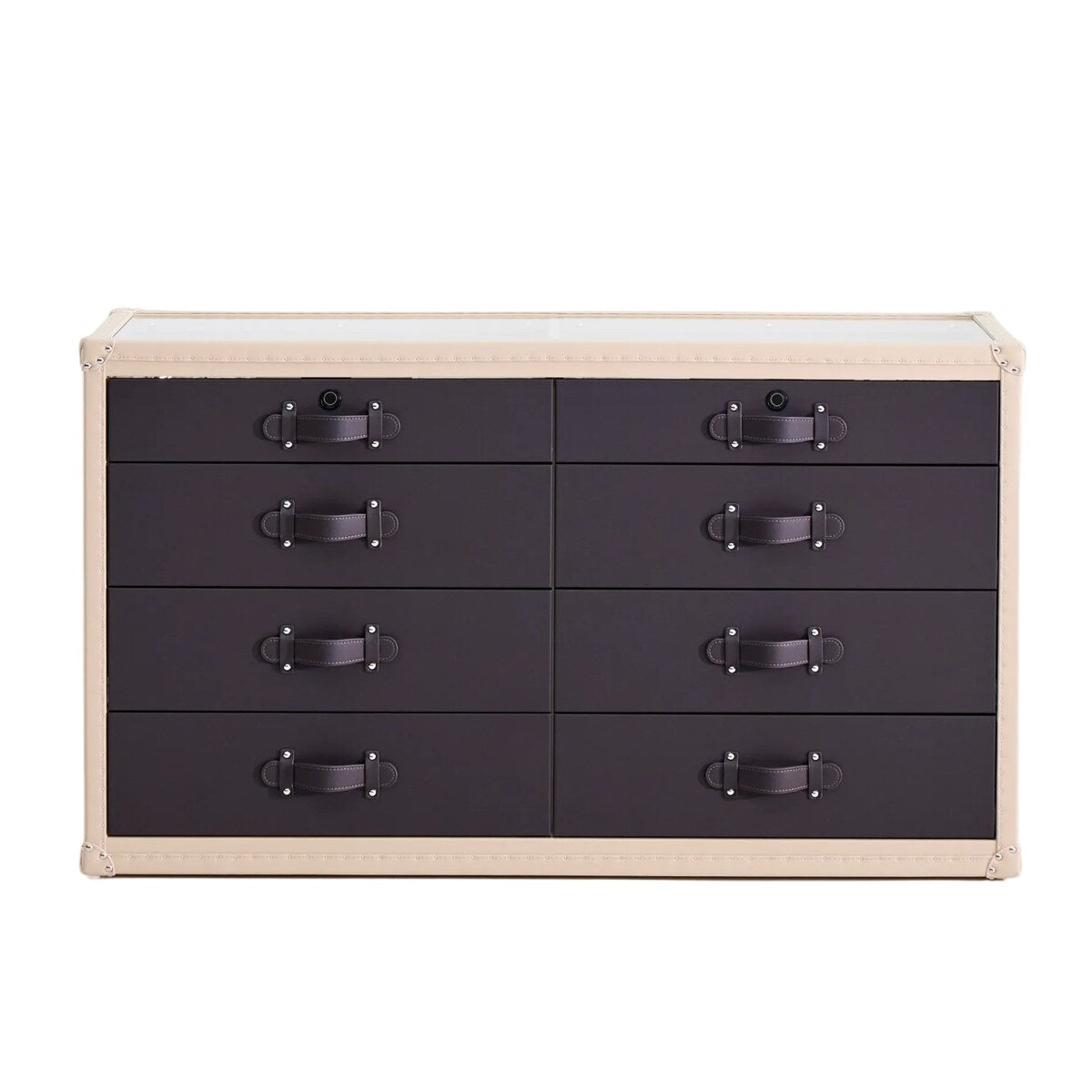
توضح خزانة Heritage Luxe Tallboy – Noir & Crème الطرف المقابل لطيف التنسيق: قطعة عمودية طويلة تستخدم كعنصر جانبي مميز بدلاً من طاولة جانبية منخفضة تقليدية، ترسي زاوية من مجموعة الجلوس بالارتفاع والحضور. في غرف المعيشة في الإمارات ذات الأسقف التي يتراوح ارتفاعها من 3.5 إلى 4 أمتار - وهو أمر قياسي في العديد من الفلل في دبي - يبدو هذا النهج العمودي مقصوداً بدلاً من أن يكون غير متناسق، ويحرر خطوط الرؤية السفلية لطاولة القهوة الرئيسية لتستحوذ على كامل الانتباه البصري.
القاعدة التي تنطبق على جميع التنسيقات: تجنب مطابقة تشطيب أرجل الطاولة الجانبية بإطار الأريكة إذا كانت طاولة القهوة ذات تشطيب مختلف. يجب أن تنتمي السطوح الأفقية - طاولة القهوة والطاولة الجانبية - إلى نفس العالم؛ أما إطار الأريكة فهو عنصر ثالث ولا يجب إقحامه في المعادلة.
الأسئلة المتكررة
ما هو الفرق بين طاولة جانبية وطاولة أركان؟ في متاجر التجزئة والتصميم الداخلي في الإمارات، تستخدم المصطلحات بالتبادل - كلاهما يصف الطاولة العرضية الصغيرة الموضوعة في نهاية الأريكة أو بجانب الكرسي بذراعين. يميل مصطلح "طاولة أركان" للظهور أكثر في المواصفات المتأثرة بالبريطانية؛ و"طاولة جانبية لغرفة الرسم" هو التعبير الأكثر شيوعاً في شروط التصميم السكنية في الإمارات. وظيفياً، هما نفس القطعة: سطح يوضع في متناول اليد للشخص الجالس.
هل يجب أن تكون الطاولة الجانبية بنفس ارتفاع مسند ذراع الأريكة؟ يجب أن تكون متساوية أو أقل بـ 5 سم هو الهدف الصحيح. يعتبر التساوي مثالياً للمشروبات والأجهزة؛ أما أن تكون أقل قليلاً فهو مريح ويمنع سقوط الأشياء من سطح مائل. أما أن تكون أعلى من ارتفاع مسند الذراع فيخلق وصولاً غير مريح ويجعل الكؤوس عرضة للسقوط. يحدد ارتفاع مسند ذراع الأريكة المواصفات - قم بالقياس دائماً قبل الشراء.
هل يمكنني استخدام طاولة جانبية واحدة لمقعدين في أريكة مقطعية زاوية؟ فقط إذا كان كلا المقعدين في متناول اليد المريح - حوالي 60-70 سم من حافة الطاولة. يمكن لطاولة جانبية مفردة تتوسط زاوية مقطعية أن تخدم المقعدين المتجاورين، ولكنها تحتاج إلى سطح أكبر (45-55 سم) من القطعة الجانبية القياسية لاستيعاب كوبين وجهاز في نفس الوقت. أما بالنسبة لثلاثة مقاعد أو أكثر تشترك في طاولة واحدة، يصبح السطح غير عملي وتبرر الحاجة إلى قطعة ثانية.
ما هو التشطيب الجيد للطاولة الجانبية لفيلا في الإمارات ذات أرضيات رخامية؟ تشطيب غير لامع أو منخفض اللمعان على طاولة جانبية معدنية أو ذات سطح حجري يبدو أكثر هدوءًا على أرضيات الرخام المصقولة من طلاء شديد اللمعان، الذي يتنافس مع انعكاسية الأرضية نفسها. يميل النحاس المصقول أو الواجهة المعدنية المنسوجة الخام إلى الظهور بشكل جيد لأن الملمس يتناقض مع نعومة الرخام دون الإخلال بجمالية المواد. تجنب الأرجل الكرومية - حيث يعزز تشطيب المرآة انعكاس الرخام ويجعل المزيج يبدو مزدحماً.
زوروا معرض سيراي في دبي
ارتفاع الطاولة الجانبية 58 سم لا يعني شيئًا حتى تضع ذراعك عليها. لاختبار مطابقة الأريكة بالسطح مع ارتفاع مقعدك المحدد، ولرؤية هياكل الأسلاك النحاسية والجلد التي ترسي قطعنا الجانبية في مناخ الخليج، احجز موعدًا خاصًا في صالة عرض سيراي، مجمع الشافار، أم سقيم 1، دبي. اتصل على الرقم +971 55 886 6180 أو اكتب إلى info@siraecasa.com، وسيقوم فريقنا بإرشادك عبر خيارات التنسيق لتصميم غرفة المعيشة الخاصة بك.
%0A%D8%AA%D9%8F...)
اترك تعليقًا
This site is protected by hCaptcha and the hCaptcha Privacy Policy and Terms of Service apply.