
طاولات قهوة صغيرة وعصرية لشقق دبي (2026)
طاولات قهوة صغيرة وعصرية لشقق دبي (2026)
تُعد طاولة القهوة الصغيرة أكثر قطعة أثاث حساسة من حيث التناسب عند شرائها لشقة في دبي؛ فقد يؤدي الخطأ في القطر بمقدار 15 سم إلى أن تبدو الأريكة وكأنها تطفو، وتتقلص الغرفة، وتبدو الطاولة وكأنها مجرد قطعة مؤقتة. تتراوح الشقق في دبي من استوديوهات بمساحة 45 مترًا مربعًا في قرية جميرا الدائرية إلى شقق من غرفتي نوم بمساحة 95 مترًا مربعًا في وسط المدينة، وتصميمات المساحات المفتوحة التي يفضلها المطورون تعني أن منطقة المعيشة نادرًا ما تحددها الجدران وحدها. يغطي هذا الدليل لعام 2026 موضوعات مثل تناسب حجم الأريكة مع الطاولة، ومتى تتفوق مجموعة الطاولات المتداخلة على قطعة واحدة، وكيفية قراءة الوزن البصري مقابل مساحة الأرضية، والحلول متعددة الوظائف—مثل العجلات، والتداخل، والاقتران بخزانة جانبية—التي تسمح لطاولة قهوة الأريكة المدمجة بأداء وظيفة طاولة أكبر دون أن تشغل مساحة كبيرة.

ما هو حجم طاولة القهوة المناسب لشقة في دبي؟
إجابة سريعة: يجب أن تشغل طاولة القهوة الصغيرة لأريكة شقة دبي النموذجية ما يقارب 50-65% من طول الأريكة، وأن لا تقترب أكثر من 35-40 سم من وسائد المقعد — بما يكفي لوضع مشروب دون الانحناء، وقريبة بما يكفي للوصول إليها دون الوقوف. لأريكة بطول 200 سم، تكون الطاولة بطول 100-130 سم في أطول أبعادها؛ لأريكة شقة بطول 160 سم، الطول المناسب هو 80-100 سم. الطاولات المستديرة أو البيضاوية التي يتراوح قطرها بين 60-80 سم تناسب الاستوديوهات والترتيبات الضيقة على شكل حرف L حيث قد تعيق الزوايا حركة المرور.
قاعدة 50-65% تنطبق على جميع أطوال الأرائك لأنها تحافظ على الطاولة من أن تطغى على منطقة الجلوس عند رؤيتها من المدخل — وهي الرؤية الأكثر أهمية في الشقة ذات المخطط المفتوح. اختيار طاولة أعرض يبدو سخيًا على الورق ولكنه يضيق الممر بين الأريكة والطاولة إلى أقل من الحد الأدنى 80 سم الذي يمنح شعورًا بالراحة في الحياة اليومية. اختيار طاولة أصغر يجعلها تبدو كحامل صينية. غالبًا ما تحتوي الشقق المدمجة في مشاريع دبي مثل الخليج التجاري ودبي مارينا على هذا الممر الذي يبلغ 80 سم كطريق وحيد إلى الشرفة، لذا فإن عرض الطاولة ليس تفضيلًا جماليًا بل حقيقة تتعلق بالتنقل.
الارتفاع ثابت بنفس القدر: 35-45 سم يضع السطح 3-8 سم تحت ارتفاع مقعد الأريكة القياسي البالغ 43-46 سم — وهو النطاق الذي يبقى فيه كوب القهوة أو جهاز التحكم عن بعد في متناول اليد دون الحاجة إلى الانحناء الذي قد يقلب كوبًا ممتلئًا. تجنب الطاولات التي يزيد ارتفاعها عن 48 سم في ترتيب أريكة عصرية منخفضة الارتفاع؛ فهي تبدو وكأنها ارتفاع طاولة طعام وتفسد الهدوء الأفقي الذي يجعل الغرفة المدمجة تبدو مدروسة.
| طول الأريكة | طول/قطر الطاولة الموصى به | الخلوص إلى الأريكة | ملاحظة الترتيب |
|---|---|---|---|
| 140–160 سم (مقعد لشخصين / استوديو) | 70–90 سم | 35 سم كحد أدنى | مستدير أو بيضاوي لتجنب حوادث الزوايا |
| 180–200 سم (قياسي 3 مقاعد) | 90–115 سم | 38–40 سم | مستطيل يناسب الترتيبات المتوازية |
| 220–240 سم (3 مقاعد كبيرة، شكل L) | 110–130 سم | 40 سم | بيضاوي أو مستدير لتليين زاوية L |
| مقطعي / شكل U | 80–100 سم مستدير أو بيضاوي في الوسط | 40–45 سم | المستدير في الوسط يبدو أفضل من جميع المقاعد |
مجموعة طاولات متداخلة أم طاولة قهوة واحدة: أيهما أفضل لشقة صغيرة؟
الخلاصة: تتفوق مجموعة من طاولتين أو ثلاث طاولات على قطعة واحدة ثابتة كلما استضافت الشقة أحجامًا متغيرة من المجموعات، أو ضاعفت منطقة المعيشة كمنطقة طعام إضافية، أو ببساطة احتاجت إلى أرضية خالية في يوم التنظيف. عادة ما تكون المساحة المشغولة مجتمعة عند تكديسها أصغر بنسبة 20-30% من مساحة السطح المفردة المكافئة، وتقدم المجموعة مستويين للسطح — وهو مفيد عندما تحتاج صينية المشروبات وجهاز الكمبيوتر المحمول إلى ارتفاعات مختلفة في نفس اللحظة.
تفوز طاولة القهوة المدمجة الواحدة بالهدوء البصري. قطعة واحدة ذات شكل نظيف تبدو كهدف مقصود؛ أما المجموعة، حتى لو كانت جميلة، فتبدو كنظام. في الاستوديوهات التي تقل مساحتها عن 50 مترًا مربعًا، حيث تكون طاولة القهوة مرئية من كل موضع في الغرفة، فإن طاولة واحدة ذات تصميم مدروس — نسيج منسوج، أو شكل غير عادي — تؤدي عملًا مكانيًا أكبر من مجموعة عملية.
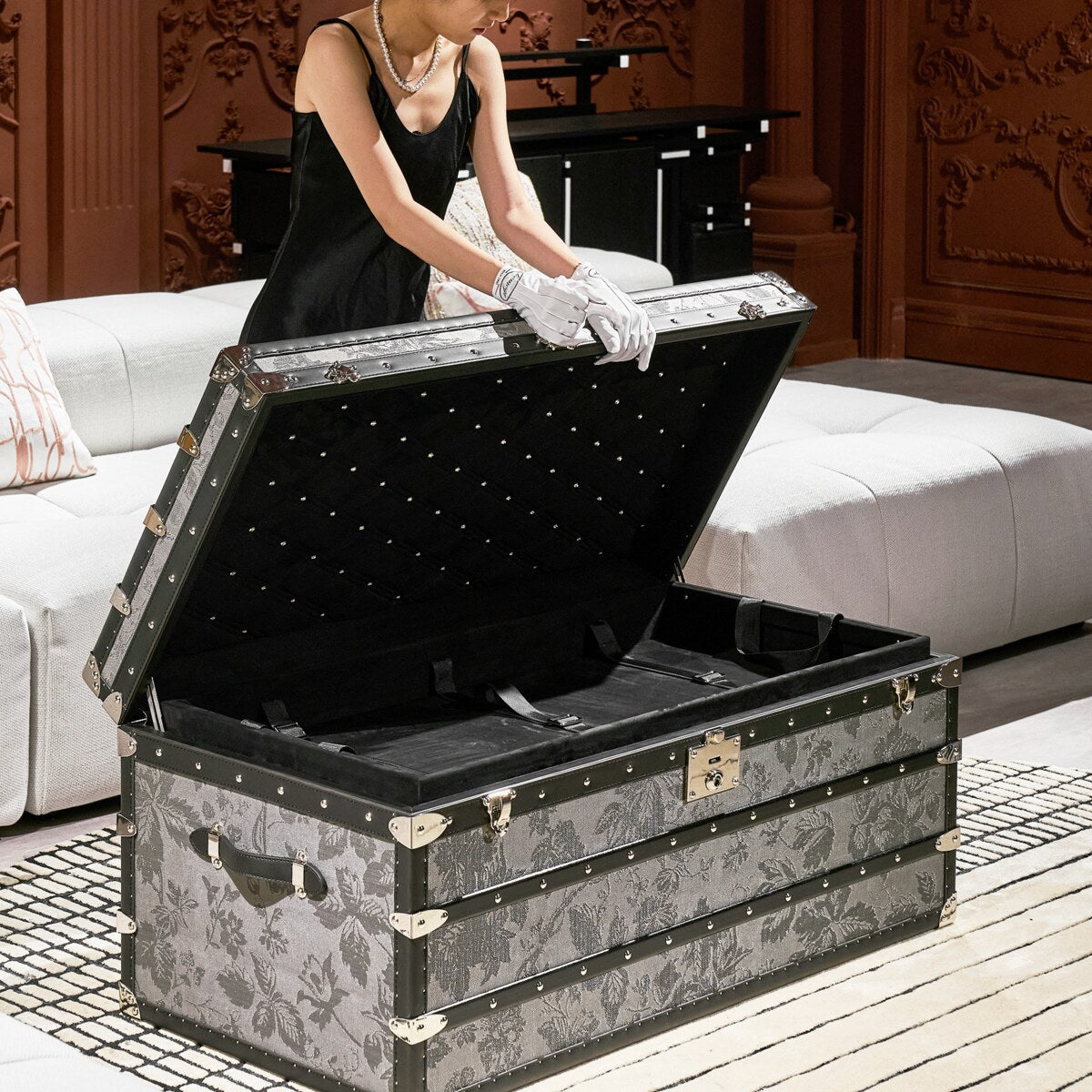
التقسيم العملي في شقق دبي يعتمد على نمط الاستخدام: إذا كانت الأريكة تستوعب من أربعة إلى ستة أشخاص لتجمع في عطلة نهاية الأسبوع، فإن مجموعة الطاولات تستحق مكانها في كل مرة. تُسحب الطاولتان الجانبيتان، وتوزع مساحة السطح على طول قوس الجلوس، ثم تعاد إلى مكانها دون الحاجة إلى إعادة تزيين الغرفة. تعمل خزانة Aurum Loom الجانبية – فضي مصنفر كمرساة دائمة في هذا المخطط — قطعة تخزين وسطح مدمجة توضع في نهاية الأريكة، بحيث تخدم الطاولات المتداخلة المركز دون التنافس مع قطعة أثاث قائمة بذاتها أخرى.

كيف تجعل طاولة القهوة الصغيرة تبدو أكبر — وتجعل الغرفة تبدو أوسع
إجابة سريعة: الخفة البصرية — الأرجل المفتوحة، الهياكل الشفافة أو المنسوجة، الأسطح العاكسة أو ذات الألوان الفاتحة — تجعل طاولة القهوة الصغيرة تختفي بصريًا بينما لا تزال تؤدي وظيفتها بالكامل. الطاولة التي تبدو ثقيلة على الأرض تثبت العين وتجعل الغرفة تبدو أصغر؛ أما الطاولة التي تكشف عن مساحة الأرضية تحتها فتوسع المجال البصري وتجعل الشقة تبدو بحجمها الكامل.
أربعة قرارات تتحكم في الوزن البصري أكثر من أي قرارات أخرى:
ارتفاع الأرجل: تبدو طاولة القهوة ذات الأرجل التي ترفع السطح 35 سم عن الأرض وتكشف 20+ سم من المساحة الواضحة تحتها أخف من طاولة ذات قاعدة صلبة أو مكعب تخزين بنفس الأبعاد. في غرفة مدمجة، هذه المساحة المكشوفة من الأرضية هي هدية بصرية — العين ترى الشقة وكأن لديها مساحة أكبر مما هي عليه.
لون السطح: الألوان الفاتحة الدافئة — الأبيض المائل للصفرة، المعادن الطبيعية، أو الأسطح المنسوجة الفاتحة — تعكس الضوء المحيط وتنسجم مع الأرضيات الحجرية الفاتحة السائدة في دبي. الطاولات ذات الأسطح الداكنة تحتفظ بوجودها في الغرف الأكبر؛ في شقة تقل مساحتها عن 60 مترًا مربعًا، يمكن أن يبدو السطح الداكن ككتلة.
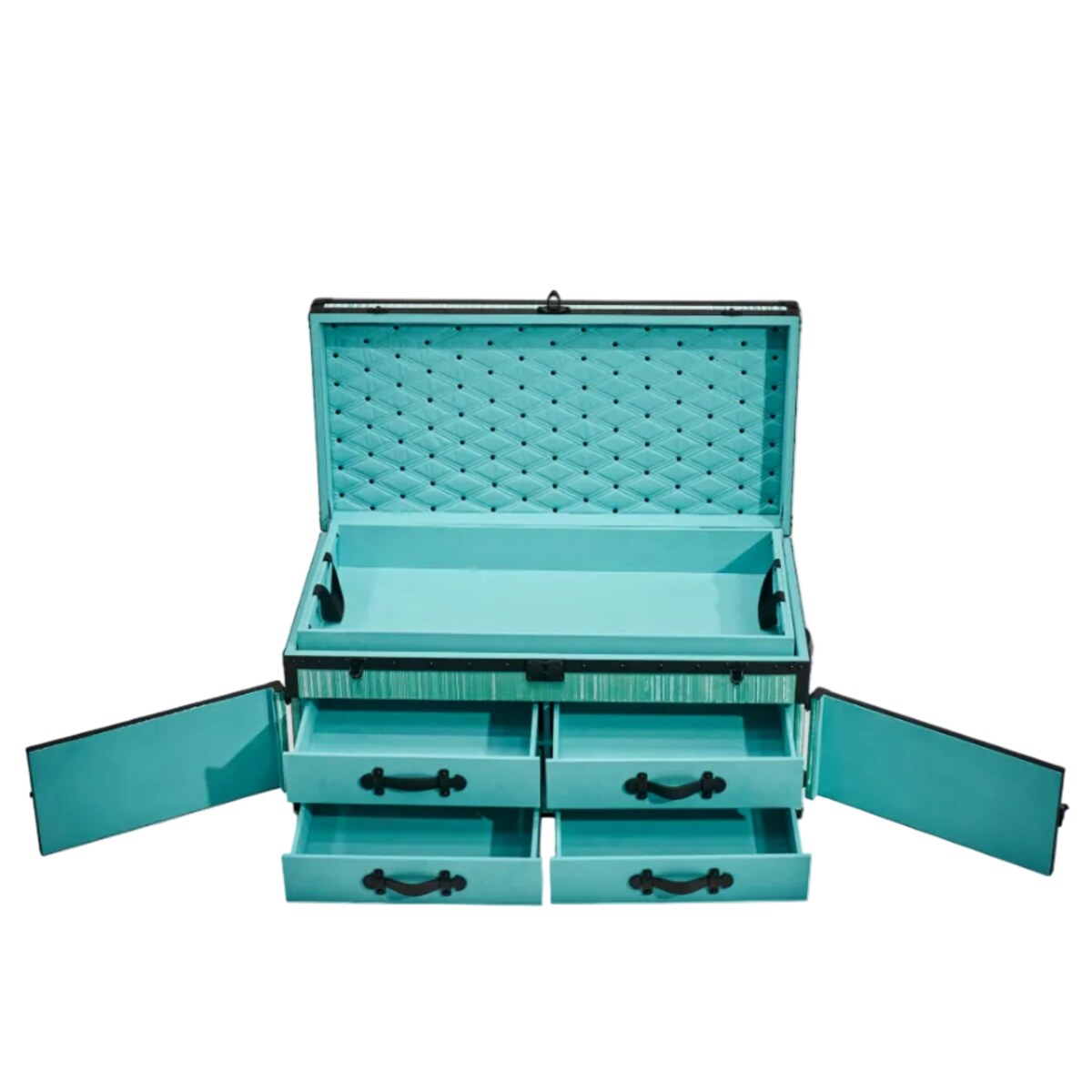
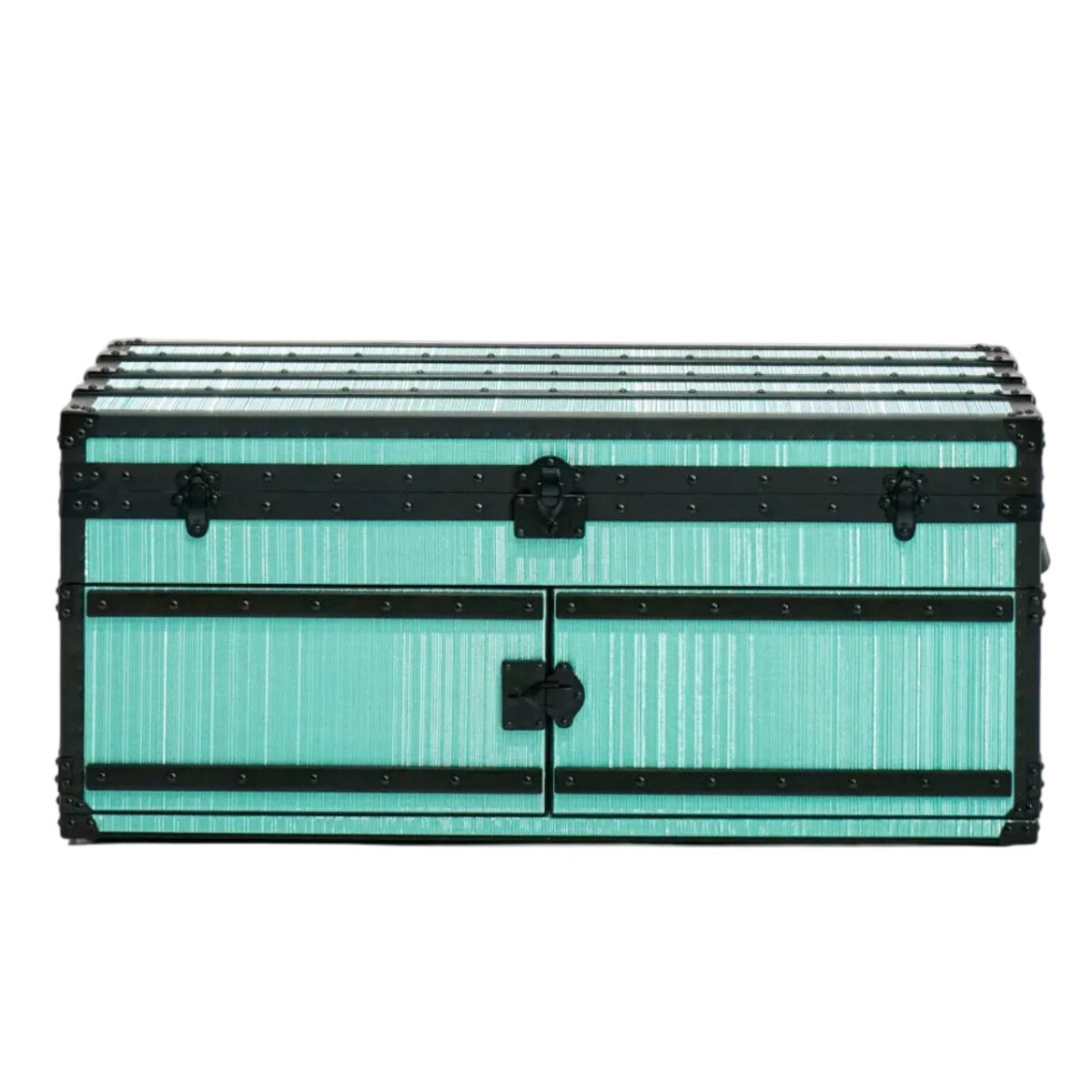
شفافية أو نسيج المواد: البناء النحاسي المفتوح المنسوج في طاولة القهوة Aurum Loom Coffee Table – Tiffany Blue من سيراي يفعل شيئًا لا تستطيع طاولة ذات لوح صلب أن تفعله: الشبك المنسوج يسمح بالرؤية من خلاله، لذا تسجل العين الطاولة ككيان موجود دون تسجيل مساحتها الكاملة. هذه الخدعة الإدراكية تعادل 10-15 سم من المساحة الأرضية الظاهرة في غرفة مدمجة — أي ما يعادل الانتقال إلى طاولة أصغر دون فقدان مساحة السطح فعليًا.
الشكل مقابل المخطط: الطاولة المستديرة أو البيضاوية تتناسب بشكل طبيعي أكثر في مثلث الحركة الواضح الذي تخلقه معظم تصميمات شقق دبي بين المدخل والأريكة وباب الشرفة. الطاولات المربعة تناسب الشبكة؛ الطاولات المستديرة تناسب المسار.
مواد طاولة القهوة العصرية لمناخ دبي
الخلاصة الفنية: مناخ دبي الداخلي — 22-25 درجة مئوية، حوالي 25% رطوبة نسبية تحت التكييف — أكثر جفافًا من أي سوق لإنتاج الأثاث تقريبًا على وجه الأرض، وتجاوز ذروة الصيف في الهواء الطلق 45 درجة مئوية مع رطوبة ساحلية تزيد عن 80% رطوبة نسبية (المركز الوطني للأرصاد) يعني أن الهواء الذي يتدفق عبر الشقة في كل مرة يفتح فيها باب الشرفة يكون شديدًا بمعايير المواد. النتيجة العملية لطاولات القهوة هي أن أسطح القشرة الخشبية والأسطح الحجرية الطبيعية على قواعد غير محكمة الإغلاق تتطلب عبئًا أكبر من الصيانة هنا مما تتطلبه في الظروف الأوروبية.
من المهم أن نكون مباشرين بشأن ما هي طاولات قهوة سيراي وما ليست عليه. مجموعة Aurum Loom مبنية على هيكل نحاسي صلب منسوج يدويًا بأسلاك نحاسية مع سطح جلدي — لا خشب، لا حجر، لا زجاج. هذا قرار هندسي متعمد: المعدن المنسوج مستقر الأبعاد عبر أي تغير في الرطوبة تنتجه الإمارات العربية المتحدة، وشبك الأسلاك النحاسية يهوي بدلاً من حبس الحرارة، والجلد الطبيعي على ركيزة صلبة يتحمل الداخل الجاف المكيف دون خطر التصدع الذي تحمله تنجيد الجلد غير المدعم. إذا كانت المواصفات تتطلب الرخام أو الحجر الصناعي أو الزجاج أو الخشب الصلب أو القشرة، فهذه ليست مواد سيراي — ونحن نذكر ذلك بوضوح لتكون المقارنة صادقة.
| المادة | مخاطر مناخ الإمارات | ملاحظة الصيانة |
|---|---|---|
| أسلاك نحاسية منسوجة يدوياً (علبة صلبة) | منخفضة — مستقرة الأبعاد | مسح ناعم عرضي؛ يتطور الصدأ الطبيعي ببطء |
| سطح جلد طبيعي (ركيزة صلبة) | منخفضة إلى متوسطة — تُحفظ على بعد متر واحد من مخرج مكيف الهواء | تُلمع سنوياً؛ تُتجنب أشعة الشمس المباشرة بعد الظهر |
| حجر طبيعي (رخام / ترافرتين) | متوسطة — يلزم إغلاقها سنوياً | خطر التآكل من الانسكابات الحمضية؛ ثقيلة على أرضيات الشقق |
| خشب صلب | متوسطة — حركة موسمية تحت مكيف الهواء | تشطيب بالزيت أو الشمع؛ تُتجنب الألواح العريضة من قطعة واحدة |
| سطح زجاجي | منخفض (حرارياً) / متوسط (شروخ الحواف) | مُقوّى 8 مم كحد أدنى؛ مثبت بالمطاط؛ سهل التنظيف |
| قشرة على MDF | عالية — رفع الحواف في دورات الرطوبة | مقبول للاستخدامات الخفيفة أو الأسطح المواجهة للداخل فقط |
| حجر صناعي / متكلس | منخفضة — الخيار الأكثر مقاومة للتآكل | ثقيل؛ تُفحص حمولة الأرضية فوق الطابق الأرضي |

الجمع بين طاولة القهوة وخزانة جانبية في تصميم الشقة
إجابة سريعة: في شقة بدبي ذات مساحة حائط محدودة، تقوم طاولة قهوة منخفضة مقترنة بخزانة جانبية أو طاولة جانبية قائمة على الأرض عند زاوية الأريكة بعمل طاولة قهوة أكبر دون حجب خط الرؤية عبر الغرفة. تتولى الخزانة الجانبية الفائض — أجهزة التحكم عن بعد، الكتب، مصباح صغير — مما يحرر سطح طاولة القهوة ليظل واضحًا ويبدو كقطعة فنية بدلاً من مكان لتجميع الأشياء.
يتبع منطق الاقتران تصميمات الشقق التي يكررها مطورو دبي: مطبخ غائر على جانب واحد، باب شرفة مستقيم للأمام، أريكة تتوسط الجدار الطويل. يترك هذا الترتيب أحد طرفي الأريكة مقابل جدار جزئي أو عمود — وهو المكان الذي تبدو فيه الخزانة الجانبية وكأنها موضوعة عمدًا بدلاً من كونها مجرد إضافة. ضع طاولة قهوة Aurum Loom – أحادية اللون في المنتصف وخزانة Aurum Loom الجانبية – فضي مصنفر في الطرف الأيمن من الأريكة، وستكون النتيجة البصرية مجموعة متكاملة تغطي وظائف أكثر مما تؤديه كل قطعة بمفردها مع الحفاظ على الممر المركزي — وإطلالة الشرفة — دون عوائق.
العلاقة في الارتفاع مهمة: حافظ على خزانة التخزين الجانبية أو الطاولة الجانبية في حدود 5 سم من ارتفاع طاولة القهوة، أعلى أو أسفل، بحيث تراها العين كزوج مقصود بدلاً من قطع غير متناسقة من غرف مختلفة.
بالنسبة لطاولة القهوة Aurum Loom – تيفاني الأزرق، يعمل شبك النحاس بلون الفيروز كبيان لوني وحيد في الغرفة؛ اقرنها بأريكة محايدة وخزانة أحادية اللون، وستلفت الطاولة الانتباه دون أن تتنافس مع خلفية أفق دبي في الشقة.
مقارنة بين تنسيقات طاولات القهوة المدمجة
| التنسيق | الأفضل لـ | المساحة المشغولة | المقايضة |
|---|---|---|---|
| طاولة دائرية مفردة، قطر 65–75 سم | الاستوديوهات، الأرائك على شكل حرف L، المخططات المفتوحة | 0.33–0.44 م² | مساحة سطح أقل؛ لا توجد زوايا مربعة |
| طاولة بيضاوية مفردة، 90–110 سم × 55 سم | أرائك قياسية بثلاثة مقاعد في شقق بغرفة نوم واحدة | 0.50–0.60 م² | أصعب قليلاً في التنسيق المتماثل |
| مستطيلة، 90–100 سم × 50 سم | ترتيبات أريكة-تلفزيون خطية، شبكات | 0.45–0.50 م² | تتسبب الزوايا في إعاقة الحركة إذا كان الممر ضيقًا |
%0A%D8%AA%D9%8F%D8%B9%D8%AF%20%D8%B7%D8%A7%D9%88%D9%84%D8%A9%20%D8%A7%D9%84%D9%82%D9%87%D9%88%D8%A9%20%D8%A7%D9%84%D8%B5%D8%BA%D9%8A%D8%B1%D8%A9%20%D8%A3%D9%83%D8%AB%D8%B1%20%D9%82%D8%B7%D8%B9%D8%A9%20%D8%A3%D8%AB%D8%A7%D8%AB%20%D8%AD%D8%B3...)
اترك تعليقًا
This site is protected by hCaptcha and the hCaptcha Privacy Policy and Terms of Service apply.