
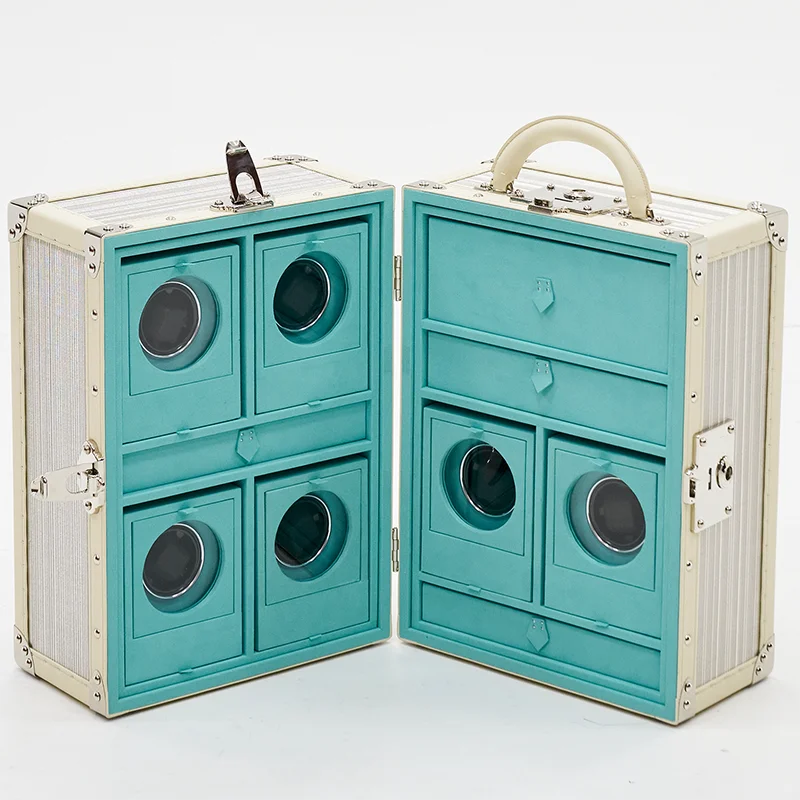
مهمة الهاوي: الحفاظ على الساعات الميكانيكية في مناخ الخليج القاسي
بالنسبة للجامع المتميز في دبي ومنطقة الخليج الأوسع، فإن الساعة الميكانيكية الفاخرة هي أكثر من مجرد أداة لإخبار الوقت. إنها أصل تراثي، أعجوبة من الهندسة الدقيقة، وقطعة ملموسة من التاريخ الشخصي. ومع ذلك، فإن المناخ الذي يحدد هذا الجزء من العالم—بحرارته العالية المستمرة ورطوبته المسببة للتآكل—يشكل تهديدًا صامتًا لا هوادة فيه للتوازن الدقيق للتروس والمواد التشحيمية والمواد النادرة التي تشكل هذه الكنوز الزمنية.
خزانة العرض القياسية، بغض النظر عن مدى جودتها في الصنع، لا توفر سوى القليل من الحماية السلبية. يتطلب الحفظ الحقيقي في هذه البيئة تدخلًا نشطًا وذكيًا: خزانة تحكم بالمناخ مصممة ليس فقط للتخزين، بل لإنشاء بيئة دقيقة مستقرة. يحدد هذا الدليل المبادئ الأساسية للحفظ الزمني، متجاوزًا التخزين البسيط إلى علم حماية القيمة على المدى الطويل.
دليل هذه المهمة
- مناخ الخليج: تهديد صامت للأصول الزمنية
- الحفظ النشط: ما وراء التخزين إلى التدخل المناخي
- المقاييس الفنية الرئيسية للحماية على مستوى جامعي التحف
معيار Sirae
الحكم الفني: يتطلب الحفظ الأمثل للساعات الميكانيكية في المناخات عالية الرطوبة نظامًا نشطًا ومحكم الإغلاق يحافظ على رطوبة نسبية (RH) بنسبة 45-55% ودرجة حرارة مستقرة. يتحقق ذلك عن طريق التبريد الكهروحراري ذي الحالة الصلبة ويتم التحقق منه بواسطة مستشعرات رقمية زائدة عن الحاجة، مما يمنع تدهور مواد التشحيم، وأكسدة المعادن، وتحلل المواد—وهي مخاطر لا تخففها أنظمة التخزين السلبية القائمة على المجففات.
تميز المعايير التالية خزانة الحفظ المصممة خصيصًا عن خزانة العرض الفاخرة القياسية. إنها تمثل الحد الأدنى من المتطلبات الفنية لحماية مجموعة مهمة ضد التحديات البيئية المحددة في منطقة الشرق الأوسط وشمال إفريقيا.
مواصفات الحفظ الأساسية
| المعلمة الفنية | معيار Sirae المصمم حسب الطلب | النتيجة القابلة للتحقق |
|---|---|---|
| آلية التحكم بالرطوبة | إزالة الرطوبة الكهروحرارية من نوع بلتييه (حالة صلبة) | رطوبة نسبية مستقرة 45-55%؛ تشغيل صامت وباهتزاز منخفض |
| تدفق الهواء وسلامة الإغلاق | ختم مطاطي محكم من EPDM مع نظام مزلاج ضغط | عزل عن المناخ المحيط؛ تقليل حمل النظام |
| المراقبة والازدواجية | مستشعرات مزدوجة لدرجة الحرارة والرطوبة (RH/T) | بيانات مناخ داخلية في الوقت الفعلي؛ كشف الانحراف |
| بروتوكول الأمان | وصول بيومتري؛ مفصل مخفي؛ أمان من فئة الخزائن | السرية والحماية ضد الوصول غير المصرح به |
| منصة محرك اللفاف | محرك سويسري الصنع، شبه صامت مع TPD قابل للبرمجة | لفافات ساعات مدمجة ذات دورات دقيقة ومنخفضة التآكل |
الموازنة بين الحفظ والسلامة الميكانيكية
| العرض الملحوظ (المشكلة) | المواصفات والآلية (الحل) | طريقة التحقق |
|---|---|---|
| أحزمة التمساح/الجلد المتدهورة (متصلبة، متشققة، أو متعفنة) | نظام تحكم نشط في الرطوبة يحافظ على الرطوبة النسبية أقل من عتبة العفن 65%، مما يمنع تحلل المواد العضوية. | فحص بصري؛ يبقى الحزام مرنًا وخاليًا من العيوب. |
| توقيت غير متناسق (كسب/خسارة غير منتظمة) في بيئة رطبة | الرطوبة النسبية المستقرة تمنع انجراف لزوجة المزلقات وتكاثف التكثف الصغير على ميزان الساعة والزنبرك الشعري. | أداء متناسق على جهاز قياس الوقت؛ فترات خدمة ممتدة تم التحقق منها من قبل صانع الساعات. |
| تآكل غير ضروري على الحركات الأوتوماتيكية من اللف المستمر | دورات الدوران القابلة للبرمجة فرديًا (TPD) تضمن توترًا أمثل للزنبرك الرئيسي دون إجهاد ميكانيكي مستمر. | يتم تطبيق إعدادات TPD المحددة من الشركة المصنعة؛ تقليل إجهاد المكونات بمرور الوقت. |
تشكل هذه المواصفات أساس نظام حفظ حقيقي، مصمم لمواجهة التهديدات البيئية بنشاط بدلاً من مقاومتها بسلبية.
مناخ الخليج: تهديد صامت للأصول الزمنية
الخلاصة: تتجاوز الرطوبة النسبية المحيطة في المدن الساحلية الخليجية 70% في كثير من الأحيان، مما يسرع أكسدة المعادن، ويفكك زيوت الحركة عالية الأداء، ويسبب أضرارًا لا رجعة فيها للمواد العضوية مثل الجلد والحشوات المطاطية. لا توفر خزائن العرض القياسية غير محكمة الإغلاق أي حماية ذات معنى ضد تسرب الرطوبة هذا المنتشر.
يحمل هواء دبي أو أبو ظبي أو جدة تركيزًا عاليًا من الرطوبة والملوحة وهو عدائي بطبيعته للميكانيكا المعقدة للساعة الفاخرة. بمرور الوقت، تشق هذه الرطوبة طريقها حتى عبر أختام مقاومة الماء الأكثر متانة، مما يؤدي إلى سلسلة من العمليات الخفية ولكن المدمرة. يمكن أن تظهر على العقارب المصقولة بقع مجهرية من الأكسدة، ويمكن أن تتعرض مكونات الحركة الدقيقة لتآكل مماثل، مما يضر بالكمال الجمالي والدقة الميكانيكية على حد سواء.
بالنسبة لجامع يمتلك ساعة باتيك فيليب بحزام من جلد التمساح، يشكل هذا المناخ تهديدًا مزدوجًا. فالهواء الرطب سيشبع الجلد حتمًا، مما يتسبب في انتفاخه وتشوهه، ليصبح في النهاية بيئة خصبة للعفن. إن مجرد صندوق يحتوي على أكياس هلام السيليكا هو لفتة عقيمة في هذا السياق؛ فالمجفف سرعان ما يتشبع ويصبح خاملًا، مما يوفر شعورًا زائفًا بالأمان بينما يستمر الضرر دون رؤية. كما أن زيوت الحركة معرضة للخطر بنفس القدر، حيث يمكن أن تتسبب تقلبات درجة الحرارة في تغيير لزوجتها، مما يضعف الأداء الزمني للساعة قبل فترة طويلة من موعد خدمتها المجدول.
الحفظ النشط: ما وراء التخزين إلى التدخل المناخي
الحكم الفني: تُدير خزانة الساعات الاحترافية مناخها الداخلي بنشاط باستخدام نظام تحكم نشط في الرطوبة، والذي يزيل بخار الماء من الهواء ماديًا. هذا يتناقض بشكل صارخ مع الطرق السلبية، التي تمتص الرطوبة مؤقتًا فقط وتُغمر بسرعة في بيئة الخليج.
الحفظ الزمني الحقيقي هو انضباط استباقي. بدلاً من مجرد حاوية، يتطلب الجامع بيئة مصممة هندسياً. في قلب هذه التقنية تقع إزالة الرطوبة الكهروحرارية بتقنية بلتييه، وهي عملية حالة صلبة تستخدم فرق درجة الحرارة لتكثيف الرطوبة المحيطة من الغلاف الجوي المغلق للخزانة. يتم بعد ذلك تصريف هذا الماء المحتجز بصمت، مما يزيل التهديد ماديًا بدلاً من احتباسه. يتحكم في النظام مستشعرات دقيقة لدرجة الحرارة والرطوبة (RH/T) التي تراقب المناخ الداخلي باستمرار، وتقوم بتنشيط وحدة بلتييه فقط عند الحاجة للحفاظ على بيئة مثالية ومستقرة.
هذا المستوى من التحكم مستحيل بدون سلامة هيكلية مطلقة. يجب أن يغلق باب الخزانة بإحكام كالقبو، مؤمنًا بواسطة ختم مطاطي محكم من EPDM. يضمن هذا الحشية من الدرجة الصناعية أن الهواء الداخلي المكيف بعناية معزول تمامًا عن البيئة الخارجية، مما يحمي المجموعة مع تقليل الطاقة المطلوبة للحفاظ على الاستقرار.
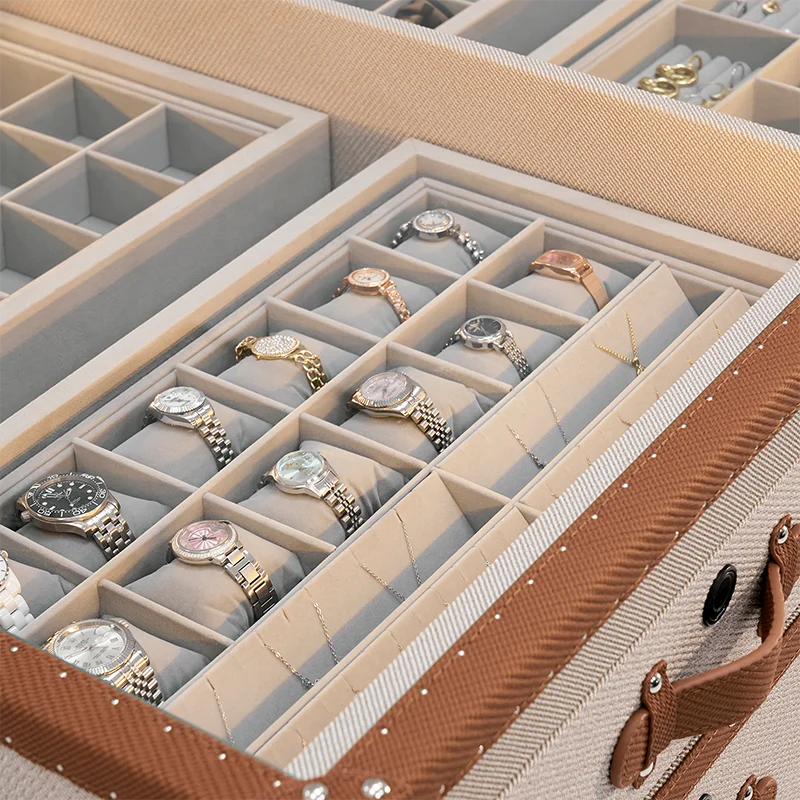
داخل هذا الفضاء المحمي، العرض هو الأهم. تُصنع قطع Sirae المصممة خصيصًا، مثل خزانة Turntable، من قشرة الخشب الصلب مع حواف من جلد المايكروفايبر وبطانة من الشمواه الناعم. بقياس 960 مم × 560 مم بارتفاع 1240 مم، تم تكوين تصميمها الداخلي لإيواء مجموعة كبيرة، مع تقديم كل ساعة على وسادتها الخاصة داخل مساحة متحكم بها تمامًا ومضاءة بشكل جميل.
المقاييس الفنية الرئيسية للحماية على مستوى جامعي التحف
الحكم الفني: تشمل الميزات الأساسية لخزانة من الدرجة الجامعية لفافات ساعات مدمجة قابلة للبرمجة لمنع استقرار زيوت التشحيم دون تآكل مفرط، تصميم توسعة معياري لاستيعاب مجموعة متنامية، وبروتوكولات أمان من درجة الخزائن مثل الوصول البيومتري والتحصينات المخفية.
في حين أن التحكم في المناخ هو الوظيفة الأساسية، فإن الحل الشامل حقًا يعالج دورة حياة المجموعة بأكملها. يتضمن ذلك التوازن الدقيق للحفاظ على حركات الساعات الأوتوماتيكية جاهزة للارتداء دون فرض إجهاد ميكانيكي غير ضروري. تدمج خزائن سيراي محركات لف سويسرية الصنع وشبه صامتة يمكن برمجتها بشكل فردي. يسمح هذا لجامع التحف بتعيين عدد الدورات الدقيقة في اليوم (TPD) والاتجاه المطلوب لكل عيار محدد، مما يضمن بقاء الزنبرك الرئيسي مشدودًا بشكل مثالي ولكنه لا يتعرض للتآكل المستمر لجهاز أقل جودة يدور باستمرار. هذا يعالج نقطة التوازن الحرجة بين الحفاظ والتعب الميكانيكي.
✍️ رؤية الخبراء: الهدف ليس الحركة الدائمة، بل الحيوية المُدارة. من خلال برمجة اللفافات وفقًا لمواصفات الشركة المصنعة، نقوم بتدوير مواد التشحيم بالقدر الكافي لمنع الترسب والحفاظ على الاستقرار الزمني، مما يطيل عمر الحركة بشكل فعال بين الخدمات. - معمل سيراي للحفظ.
بالنسبة للجامع الجاد، النمو أمر لا مفر منه. يسمح تصميم التوسعة المعياري بإضافة أقسام تخزين جديدة بسلاسة، مما يضمن معيارًا جماليًا وفنيًا متسقًا مع تطور المجموعة. تمنع هذه الرؤية حلول التخزين غير المتطابقة والمؤقتة التي يمكن أن تضر بالأمان والعرض على حد سواء.
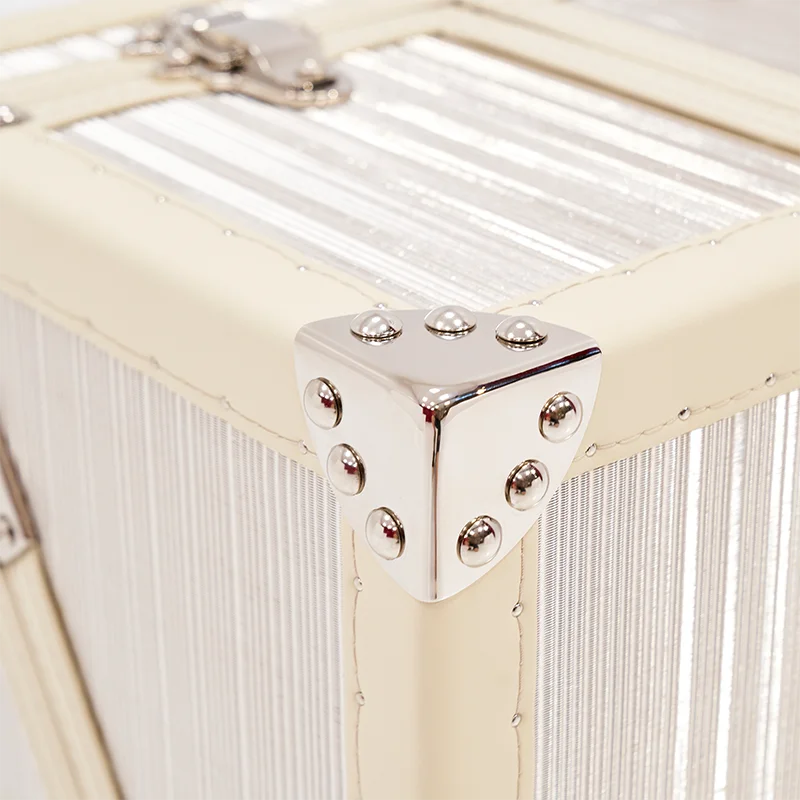
أخيرًا، الأمن المادي لهذه الأصول غير قابل للتفاوض. بالنسبة للمجموعات الموجودة في الفيلات الخاصة أو اليخوت أو البنتهاوس، تمتد الحماية إلى ما هو أبعد من المناخ. تتضمن طلبات Sirae أمانًا من درجة الخزائن، بما في ذلك الماسحات البيومترية، وهياكل الخزائن المقواة، وآليات القفل السرية. بالنسبة للبيئة البحرية، مثل يخت يضم مجموعة من ساعات ريتشارد ميل، تتناول برامجنا المخصصة تحديات محددة. يتضمن ذلك الهندسة لامتصاص الاهتزازات والصدمات، واستخدام أجهزة بحرية ذات تشطيبات مطلية بالكهرباء لمقاومة تآكل الرذاذ الملحي، ومعايرة نظام بلتيير للأداء الخالي من العيوب وسط حركة السفينة، مما يضمن الحفاظ على رطوبة نسبية مستقرة بنسبة 50% حتى في البحر.
لإنشاء خزانة مخصصة توفر ملاذاً لا مثيل له لمجموعتك، ندعوك لترتيب استشارة خاصة في صالة عرضنا في دبي. فريقنا متاح لمناقشة المتطلبات الفنية المحددة لحفظ وعرض ساعاتك، مع برامج مقدمة لعملاء مميزين في جميع أنحاء الإمارات العربية المتحدة والمملكة العربية السعودية ومنطقة الشرق الأوسط وشمال إفريقيا. يرجى توجيه الاستفسارات إلى مكتب عملائنا الخاص عن طريق الهاتف على الرقم +971 55 886 6180 أو عن طريق البريد الإلكتروني على info@siraecasa.com. لاستكشاف خطوطنا الرئيسية، يرجى زيارتنا على https://www.siraecasa.com، أو تحديد موعد لزيارة صالة عرضنا الفعلية في الطابق الأول من مجمع الشفار، طريق شاطئ جميرا، أم سقيم 1، دبي.

اترك تعليقًا
This site is protected by hCaptcha and the hCaptcha Privacy Policy and Terms of Service apply.