
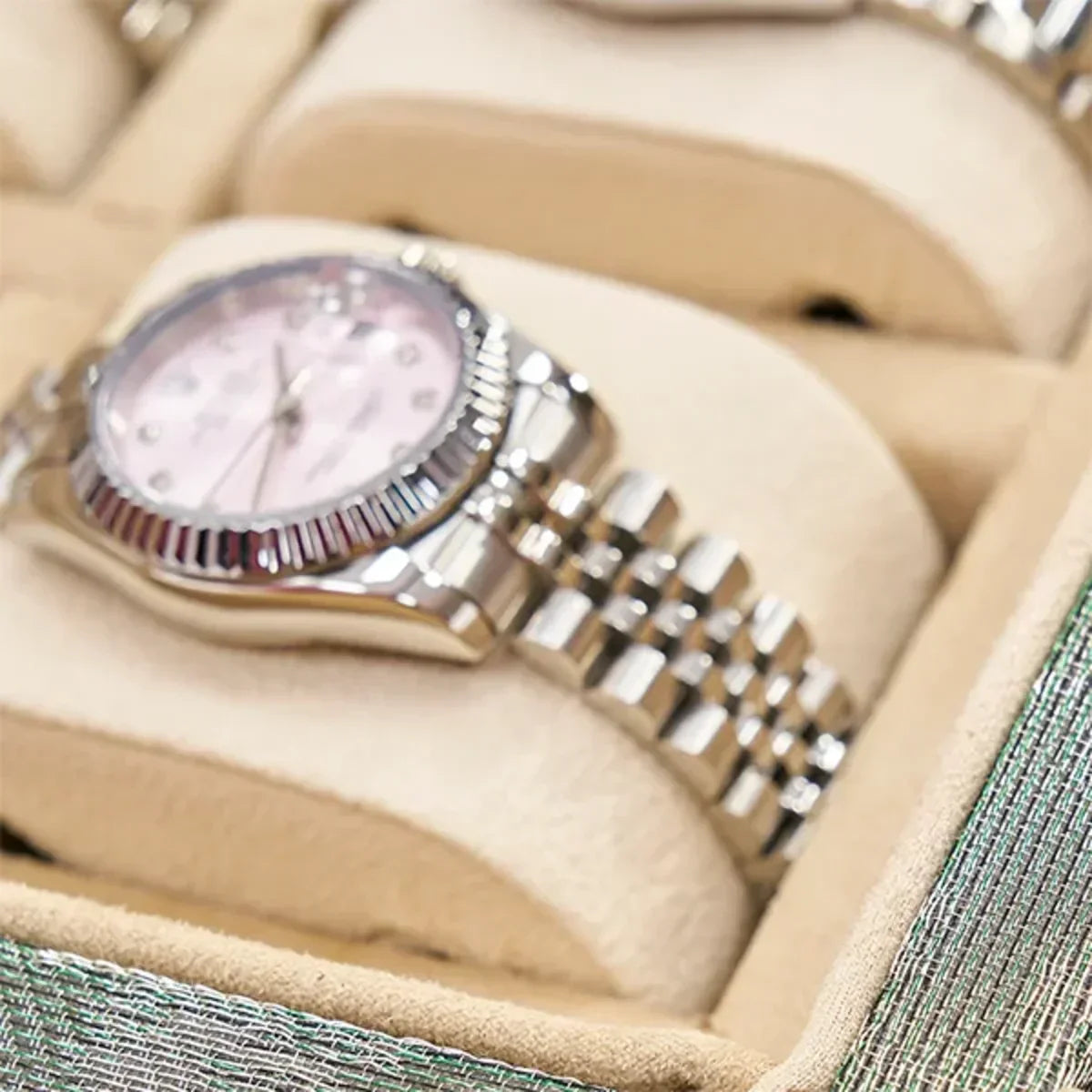
إعدادات لفافة الساعة (TPD): جدول ودليل الماركات (2026)
إعدادات جهاز لف الساعة (TPD): جدول العلامات التجارية الكامل (2026)
تحدد إعدادات جهاز لف الساعة (TPD) عدد الدورات التي يوفرها الجهاز في 24 ساعة - وما إذا كانت تلك الدورات تحافظ بالفعل على احتياطي الطاقة في حركة الساعة الأوتوماتيكية، أو ببساطة تضيف سنوات من الاستهلاك غير الضروري لدوّار الساعة. يرث معظم هواة جمع الساعات جهاز لف مضبوطًا على إعدادات المصنع الافتراضية ولا يغيرونها أبدًا. نادرًا ما يكون هذا الإعداد الافتراضي خاطئًا بدرجة كافية لإحداث ضرر، ولكنه نادرًا ما يكون صحيحًا أيضًا: كرونوغراف Valjoux 7750 الذي يتم لفه ببرنامج ثنائي الاتجاه يهدر نصف دوراته، بينما قد تتوقف ساعة بمحرك دقيق على 650 TPD بهدوء بحلول اليوم الثالث. يوحّد هذا الدليل لعام 2026 عدد الدورات الموصى بها في اليوم واتجاه الدوران لـ 19 علامة تجارية و 8 عائلات حركات، تم التحقق منها مقابل إرشادات الشركات المصنعة وقواعد بيانات أجهزة اللف الرئيسية.

ما هي إعدادات جهاز لف الساعة (TPD) ولماذا هي مهمة؟
إجابة سريعة: TPD (دورة في اليوم) هو عدد الدورات الكاملة التي يكملها جهاز اللف في 24 ساعة، ويتم برمجته عادة في دورات مع فترات راحة. تحتاج معظم الساعات الأوتوماتيكية الحديثة إلى 650-800 TPD؛ النطاق الآمن عالميًا هو 500-1000. الاتجاه مهم بنفس القدر: الاتجاهين مناسب لمعظم الحركات، ولكن الحركات أحادية الاتجاه تهدر كل دورة تدور في الاتجاه الخاطئ.
تلف الحركة الأوتوماتيكية نفسها من خلال دوار مرجح. على المعصم، ينتج النشاط اليومي العادي ما يعادل حوالي 500-1000 دورة ذات صلة بالدوار؛ يقوم جهاز اللف بتكرار ذلك على دفعات محددة بدلاً من الدوران المستمر، مما يسمح للقابض المنزلق للنابض الرئيسي بالراحة بين الدورات.
يحدد المعياران التاليان كل برنامج:
- TPD — إذا كان منخفضًا جدًا، تتوقف الساعة عن العمل (مشكلة للتقويمات الدائمة ومراحل القمر، حيث يمكن أن تكلف إعادة الضبط زيارة للصيانة)؛ أما إذا كان أعلى من اللازم، فإنه يضيف تآكلًا لا داعي له إلى الآليات الأوتوماتيكية.
- الاتجاه — باتجاه عقارب الساعة (CW)، أو عكس عقارب الساعة (CCW)، أو ثنائي الاتجاه. لا تستفيد الحركة التي تلف في اتجاه واحد فقط، مثل Valjoux 7750، من الدوران في الاتجاه المعاكس، لذا فإن برنامجًا ثنائي الاتجاه يقلل فعالًا من TPD المستلم بمقدار النصف.
إعدادات جهاز لف الساعة TPD حسب العلامة التجارية: الجدول الكامل لعام 2026
توحّد إعدادات TPD لجهاز لف الساعة أدناه إرشادات المصنع وسجلات قاعدة بيانات جهاز اللف على مستوى الحركة للعلامات التجارية الأكثر شيوعًا في مجموعات دبي. عندما تختلف المراجع، يُعرض الرقم كنطاق؛ وعندما تمزج العلامة التجارية بين هياكل اللف عبر كتالوجها، تحدد خانة الاتجاه الاستثناء.
| العلامة التجارية | العيار النموذجي الحديث | TPD الموصى به | الاتجاه |
|---|---|---|---|
| رولكس | 3135 / 3235 / 3285 | 650 | ثنائي الاتجاه |
| تيودور | MT5602 / MT5612 | 650 | ثنائي الاتجاه |
| أوميغا | Co-Axial 8800 / 8900 | 650–800 | ثنائي الاتجاه |
| باتيك فيليب | 324 S C / 26-330 S C | 650–800 | يختلف حسب العيار - تدرج عدة مراجع برامج أحادية الاتجاه؛ ثنائي الاتجاه هو الخيار الآمن افتراضيًا |
| أوديمار بيغيه | 3120 / 4302 | 650–800 | ثنائي الاتجاه |
| فاشرون كونستانتين | 5100 / 2455 | 650–800 | ثنائي الاتجاه |
| جيجر لوكولتر | 899 / 938 | 650–800 | ثنائي الاتجاه (عدد قليل من العيارات أحادية الاتجاه - تحقق لكل طراز) |
| كارتييه | 1847 MC / 1904 MC | 650–800 | ثنائي الاتجاه |
| آي دبليو سي | 82110 / 52010 (Pellaton) | 650–800 | ثنائي الاتجاه |
| بانراي | P.900 / P.9010 | 650–800 | ثنائي الاتجاه؛ بعض طرازات GMT 800 باتجاه عقارب الساعة فقط |
| برايتلينغ | B01 / كاليبر 17 | 650–800 | ثنائي الاتجاه؛ كرونوغرافات Valjoux 800 باتجاه عقارب الساعة |
| زينيث | El Primero 3600 / Elite 670 | 650–800 | ثنائي الاتجاه |
| هوبلوت | Unico HUB1280 | 650–800 | ثنائي الاتجاه |
| شوبارد | L.U.C 96.01-L (دوار صغير) | 800 (650–950) | ثنائي الاتجاه |
| غراند سيكو | 9S65 / 9R65 Spring Drive | 650–800 | ثنائي الاتجاه |
| سيكو | 4R35 / 6R35 (ذراع سحري) | 650–800 | ثنائي الاتجاه |
| تاج هوير | عيار 5 (ETA 2824 / SW200) | 650 | ثنائي الاتجاه |
| لونجين | L888 / L592 | 650–800 | ثنائي الاتجاه |
| تيسو | باورماتيك 80 | 650 | ثنائي الاتجاه |
إذا لم تكن ساعتك مدرجة في القائمة: ابدأ بـ 650 TPD ثنائي الاتجاه - وهو الإعداد الافتراضي المتفق عليه عالميًا لمعظم الساعات الأوتوماتيكية الحديثة - راقب احتياطي الطاقة على مدار 48 ساعة، وزد بمقدار 100 TPD فقط إذا تراجع الاحتياطي.
القواعد العامة حسب نوع الحركة
عندما تعرف عائلة العيار بدلاً من العلامة التجارية فقط، تكون القواعد على مستوى الحركة أكثر دقة من القواعد على مستوى العلامة التجارية:
| عائلة الحركة | TPD | الاتجاه | ملاحظة |
|---|---|---|---|
| ETA 2824-2 / Sellita SW200 | 650 | ثنائي الاتجاه | الزوج الأكثر شيوعًا من العيارات السويسرية |
| ETA 2892-A2 / Sellita SW300 | 650–800 | ثنائي الاتجاه | معيار الساعات الأنيقة الرفيعة |
| Valjoux / ETA 7750 كرونوغراف | 800 | باتجاه عقارب الساعة | لف أحادي الاتجاه - البرامج ثنائية الاتجاه تقسم TPD الفعال إلى النصف |
| عائلة Miyota 8215 | 650–800 | باتجاه عقارب الساعة | الدوار يدور بحرية في الاتجاه الآخر ("دوران الدوار" المسموع) |
| Miyota 9015 | 650–800 | ثنائي الاتجاه | يلف في كلا الاتجاهين، على عكس 8215 |
| رافعة سحرية سيكو (NH35 / 4R / 6R) | 650–800 | ثنائي الاتجاه | لف فعال للغاية برافعة مخلبية |
| عيارات ذات دوار صغير | 800–950 | ثنائي الاتجاه | كتلة دوار أصغر تحتاج إلى مزيد من الدورات |
| ساعات أوتوماتيكية قديمة / غير معروفة | ابدأ بـ 650 | ثنائي الاتجاه | زيادة تدريجية؛ فحص المغناطيسية أولاً |
تغطي ثلاثة مبادئ جميع الحالات تقريبًا. أولاً، تتحمل هياكل اللف ثنائية الاتجاه (رولكس بيربيتوال، آي دبليو سي بيليتون، سيكو ماجيك ليفر) أي إعداد اتجاه، لذا فإن الاتجاهين ببساطة يوزع التآكل بالتساوي. ثانيًا، يجب مطابقة الحركات أحادية الاتجاه (7750، مييوتا 8215) مع اتجاه لفها أو إعطائها ضعف عدد الدورات. ثالثًا، تتناسب كفاءة الدوار مع كتلة الدوار - تدور الدوارات الثقيلة بالحجم الكامل عند 650 TPD، وغالبًا ما تحتاج الدوارات الدقيقة وعيارات ساعات اليد الصغيرة إلى أكثر من 800 TPD.

هل يمكن أن يؤدي ضبط TPD الخاطئ إلى فرط اللف أو تلف الساعة؟
الحكم الفني: لا يمكن فرط لف ساعة أوتوماتيكية حديثة - ينزلق حاجز النابض الرئيسي داخل جدار البرميل بمجرد الشحن الكامل، وذلك حسب التصميم. المخاطر الحقيقية أكثر دقة: تعمل برامج TPD العالية المستمرة على تسريع التآكل في عكوس الحركة وجدران البرميل، ويمكن أن يؤدي محرك جهاز اللف المركب بالقرب من العلبة إلى مغنطة شعيرة الساعة التقليدية.
تبقى أسطورة فرط اللف قائمة لأن آلية الانزلاق غير مرئية. ما يؤدي بالفعل إلى تدهور الساعات على أجهزة اللف هو دورة التشغيل: جهاز لف يعمل بـ 1800 TPD مقابل حركة تحتاج إلى 650 يجبر حاجز النابض على الانزلاق آلاف المرات الإضافية سنويًا، مما يستهلك شحم الفرامل ويصقل جدار البرميل. اضبط على أدنى TPD يحافظ على احتياطي الطاقة كاملاً - لا تزيد أبدًا "لزيادة الأمان".
المغنطة هي الخطر الأكثر هدوءًا. يمكن لمحركات أجهزة اللف الاقتصادية وأغطية القفل المغناطيسي أن تتوضع على بعد 2-3 سم من العلبة. تتطلب معيار ISO 764 فقط مقاومة لـ 4800 أمبير/متر، وهو ما يمكن أن يقترب منه مجال مغناطيسي شارد لمحرك رخيص على مسافة قريبة. الساعات ذات الشعيرات المصنوعة من السيليكون أو من نوع باراكروم (معظم ساعات رولكس بعد عام 2015، ساعات أوميغا ماستر كرونوميتر التي تم اختبارها حتى 15000 جاوس) محصنة فعليًا؛ القطع القديمة والحركات السويسرية للمبتدئين ليست كذلك. إذا بدأت الساعة فجأة في التقدم 60 ثانية يوميًا بعد فترة على جهاز لف، فإن المغنطة هي المشتبه الأول - تستغرق إزالة المغنطة من قبل صانع الساعات ثوانٍ معدودة.
كيف يجب على جامعي الساعات في دبي ضبط جهاز لف الساعات قبل السفر في الصيف؟
الخلاصة: لفترات الغياب التي تتراوح بين 2-8 أسابيع، اسمح للساعات غير المعقدة بالتوقف – فالحركة المتوقفة تمامًا لا تتعرض لأي تآكل. احتفظ فقط بالتقاويم الدائمة والسنوية ومراحل القمر على أجهزة اللف بأقل إعداد TPD للحفاظ على طاقتها. قم بتخزين كل شيء داخل خزانة مغلقة في غرفة مكيفة على مدار الساعة طوال أيام الأسبوع، بعيدًا عن جانب محرك جهاز اللف.
يتميز نمط دبي بخصوصية معينة: يقوم هواة جمع الساعات هنا بتدوير مجموعات كبيرة – حيث يُعد امتلاك ست إلى اثنتي عشرة ساعة أوتوماتيكية أمرًا شائعًا – وتغادر العديد من الأسر لمدة تتراوح بين ستة وعشرة أسابيع بين شهري يونيو وأغسطس. هناك تعديلان مهمان قبل المغادرة.
أولاً، فرز حسب التعقيد. لا يكلف إيقاف وتشغيل ساعة Submariner أو Royal Oak ذات الوقت فقط أي شيء عند إعادة تشغيلها في سبتمبر؛ يستغرق ضبط الوقت والتاريخ ثلاثين ثانية. أما تقويم دائم تم ضبطه بشكل خاطئ عبر حدود الشهر فهو خطر حقيقي، لذا فإنه يحصل على مكانه في جهاز اللف بأقل TPD يحافظ على احتياطي الطاقة (عادةً ما يكون في الحد الأدنى لنطاقه المذكور أعلاه).
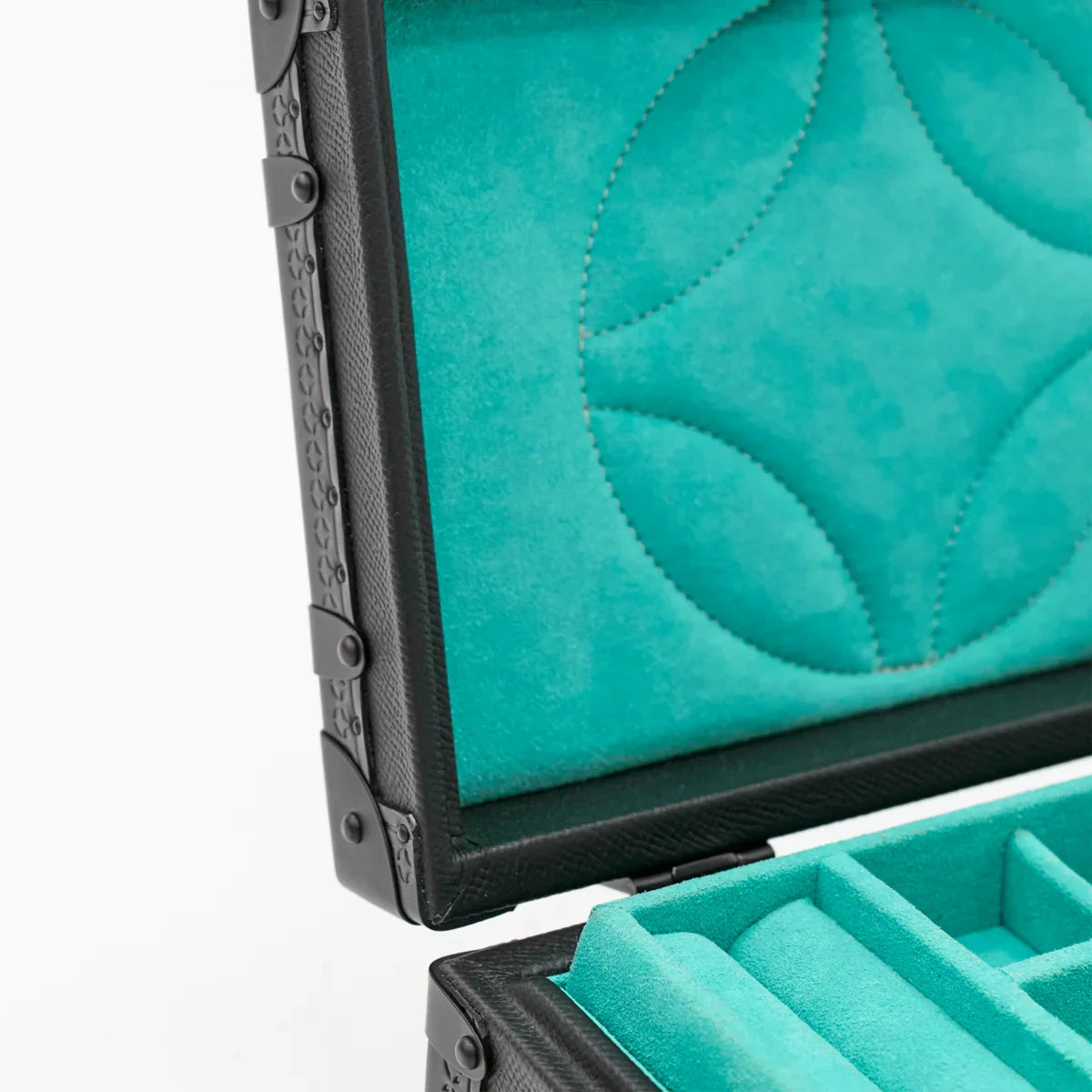
ثانيًا، التحكم في بيئة التخزين، وليس فقط اللف. يمكن للفيلات التي تحتوي على تكييف هواء مضبوط على وضع "الخارج" أن تتجاوز 30 درجة مئوية مع تقلب الرطوبة الداخلية بين المستوى الأساسي الجاف والمكيف (حوالي 25٪ رطوبة نسبية) وارتفاعات الرطوبة الناتجة عن تسرب الهواء الخارجي بنسبة رطوبة 80-90٪ عبر سدادات الأبواب. تتقادم الحشيات بشكل أسرع، وتخف مواد التشحيم، ويمكن أن تتعفن الأشرطة الجلدية المخزنة بشكل فضفاض. توفر خزانة ساعة صلبة محكمة الإغلاق - تم تصميم هيكل Sirae المصنوع يدويًا من الأسلاك النحاسية مع بطانة من الشمواه المصنوعة من الألياف الدقيقة المقاومة للتآكل خصيصًا لدورة الرطوبة هذه في دول مجلس التعاون الخليجي - تخفف هذه التقلبات بشكل أفضل بكثير من صينية درج مفتوحة. إن ضبط إعدادات TPD لجهاز لف الساعات بشكل صحيح للقطع التي تستمر في العمل هو نصف بروتوكول الصيف؛ بينما استقرار المناخ الجزئي حول العلب هو النصف الآخر.

تخزين بقية المجموعة
إن التبديل بين أكثر من ساعتين أو ثلاث ساعات يعني أن معظم القطع تكون في حالة راحة في أي لحظة معينة، وتحتاج الساعات في حالة الراحة إلى سكن آمن بنفس القدر الذي تحتاج فيه الساعات العاملة إلى TPD صحيح. بالنسبة للمجموعة الأساسية، يحافظ صندوق الساعات الفاخر المطلي بالنحاس والفضة المصنفرة على القطع الثمينة المبطنة بالشمواه مع أجزاء صلبة من النحاس الصلب التي تتجاهل رطوبة الخليج. يفضل جامعو الساعات الذين يسافرون بجزء من مجموعتهم حقيبة الساعات المزخرفة بالزهور النحاسية لهيكلها الصلب المنسوج بالنحاس، بينما تناسب حقيبة الساعات الفضية المصنفرة مكانًا مخصصًا بجانب السرير أو داخل الخزانة الأمنية للقطع التي تقع بين فتحات جهاز اللف.
الأسئلة الشائعة
ما هو TPD الذي يجب أن أستخدمه إذا كانت ساعتي ليست في الجدول؟ ابدأ بـ 650 TPD ثنائي الاتجاه - وهو الافتراضي الآمن المتفق عليه للساعات الأوتوماتيكية الحديثة. ارتدِ الساعة حتى يتم لفها بالكامل، ضعها على جهاز اللف لمدة 48 ساعة، ثم تحقق من احتياطي الطاقة المتبقي. إذا انخفض، قم بزيادة بمقدار 100 TPD في كل مرة؛ الحد الأقصى الآمن عالميًا هو حوالي 1000 TPD.
هل يمكن أن يقوم جهاز لف الساعة بلف ساعتي الأوتوماتيكية بشكل زائد؟ لا. تستخدم الحركات الأوتوماتيكية حاجز النابض الرئيسي المنزلق الذي يفصل عند اكتمال اللف، لذا فإن اللف الزائد مستحيل ميكانيكيًا. بدلاً من ذلك، يؤدي TPD الزائد إلى تآكل تدريجي - انزلاق إضافي للحاجز واستهلاك أجزاء عكوس الحركة - ولهذا السبب يجب استخدام أقل إعداد يحافظ على احتياطي الطاقة كاملاً.
هل يجب أن أترك الساعات على جهاز اللف بشكل دائم؟ فقط الساعات ذات التعقيدات (التقاويم الدائمة، التقاويم السنوية، مراحل القمر) تستفيد بوضوح. أما الساعات التي تعرض الوقت والتاريخ فقط فيمكن أن يُسمح لها بالتوقف بين فترات الارتداء دون أي ضرر؛ فالحركة المتوقفة لا تتراكم عليها أي تآكل على الإطلاق. يقوم العديد من هواة جمع الساعات بتشغيل أجهزة اللف بالتناوب، وتغيير الساعات شهريًا.
هل 650 TPD كافية لكرونوغراف أوتوماتيكي؟ غالبًا لا، إذا كان يعتمد على Valjoux 7750: فهذا العيار يلف في اتجاه واحد فقط، لذا فهو يحتاج إلى حوالي 800 TPD في اتجاه عقارب الساعة. في برنامج ثنائي الاتجاه، نصف الدورات لا تفعل شيئًا. أما الكرونوغرافات ثنائية الاتجاه المصنوعة داخليًا (رولكس 4130، أوميغا 9900، برايتلينج B01) فهي تعمل بشكل جيد عند 650-800 TPD ثنائي الاتجاه.
هل تحتاج الساعات الكوارتز أو اليدوية إلى جهاز لف؟ لا. لا تحتوي ساعات الكوارتز على دوار، وتفتقر الحركات اليدوية إلى الآليات الأوتوماتيكية التي يديرها جهاز اللف - ترك أي منهما على جهاز اللف لا يفعل شيئًا مفيدًا. بل يجب تخزينها في أماكن ثابتة مبطنة ذات رطوبة مستقرة.
إن الإعدادات الصحيحة لـ TPD في جهاز لف الساعة لا تكلف شيئًا لتطبيقها وتزيل فئة كاملة من التآكل الذي يمكن تجنبه من مجموعة جدية — والخزانة المناسبة حول جهاز اللف تفعل الشيء نفسه للساعات في حالة السكون. لمعرفة كيف يتعامل سكن الحراسة مع كليهما، ندعوكم إلى عرض خاص في صالة عرض Sirae، مجمع الشفار، أم سقيم 1، دبي. اتصلوا بالرقم +971 55 886 6180 أو راسلونا عبر البريد الإلكتروني info@siraecasa.com لحجز موعد.
:%20%D8%AC%D8%AF%D9%88%D9%84%20%D8%A7%D9%84%D8%B9%D9%84%D8%A7%D9%85%D8%A7%D8%AA%20%D8%A7%D9%84%D8%AA%D8%AC%D8%A7%D8%B1%D9%8A%D8%A9%20%D8%A7%D9%84%D9%83%D8%A7%D9%85%D9%84%20(2026)%0A%D8%AA%D8%AD%D8%AF%D8%AF%20%D8%A5%D8%B9%D8%AF%D8%A7%D8%AF%D8%A7%D8%AA%20...)
اترك تعليقًا
This site is protected by hCaptcha and the hCaptcha Privacy Policy and Terms of Service apply.