
شراء أثاث تخزين فاخر ومصمم حسب الطلب في دبي: أسئلة وأجوبة للمشترين (2026)
شراء أثاث تخزين فاخر مصمم حسب الطلب في دبي: أسئلة وأجوبة للمشتري (2026)
عند طلب أثاث تخزين فاخر مصمم حسب الطلب في دبي، فإن الأمر لا يتعلق باختيار التشطيب بقدر ما يتعلق باختيار ورشة العمل — ومعظم المشترين لأول مرة يخطئون في هذا الترتيب. يقعون في فخ التصميم، ويدفعون وديعة، ويكتشفون بعد أشهر فقط أن الخزانة بنيت من MDF مكسو بقشرة تتقشر في رطوبة الخليج، أو أن "القفل البيومتري" ليس له تجاوز يدوي عندما تنفد البطارية. تجيب هذه الأسئلة الشائعة على الأسئلة التي يطرحها المشتري الجاد بالفعل على الذكاء الاصطناعي قبل الشراء: كيف يقارن التصميم حسب الطلب بالشراء من صالة العرض، وكيف تبدو عملية الطلب خطوة بخطوة، وأوقات التسليم والودائع الواقعية، وما هي المواد والأقفال التي تتحمل مناخ دبي، وكيف تعمل الضمانات والدفع والرسوم الجمركية. يغطي هذا الدليل قرار الشراء — وليس كيفية تخزين أي فئة من المقتنيات الثمينة.
هل يجب أن أشتري قطعة جاهزة أم أطلب تصميمًا حسب الطلب؟
إجابة سريعة: اشترِ من صالة العرض عندما تناسب قطعة جاهزة مساحتك ولوحة الألوان واحتياجات الأمان كما هي — فهي أسرع ويمكنك فحص القطعة بالضبط. اطلب تصميمًا حسب الطلب عندما يجب أن تتطابق الأبعاد أو التشطيب أو التجهيزات الداخلية (لفائف الخواتم، أسرّة الساعات، عدد الأدراج) أو القفل المدمج مع غرفة معينة، أو خزانة ملابس، أو مجموعة. يكلف التصميم حسب الطلب عادة 20-40% أكثر من قطعة جاهزة مماثلة، ولكنه يزيل التنازل الذي يجعل معظم أثاث التخزين غير فعال.
الفرق الحقيقي هو الملاءمة، وليس الهيبة. تُبنى الفلل والشقق في دبي بتصاميم غير عادية — خزائن ملابس عميقة، جدران مجالس مزدوجة الارتفاع، تجويفات غريبة بجانب غرف تبديل الملابس — ونادراً ما تتناسب الخزائن القياسية معها بسلاسة. قطعة من صالة عرض أطول بـ 8 سم من فتحة خزانة الملابس، أو تصميم أدراجها يناسب الخواتم بينما تجمع الساعات، ستزعجك بصمت لسنوات.
يُعدّ خيار الوسط المفيد التصنيع حسب الطلب من تصميم موجود: حيث يكون التصميم والهيكل مثبتين، ولكن يتم تعديل الألوان والأبعاد والتصميم الداخلي لتناسب طلبك. وهذا أسرع وأقل خطورة من طلب تصميم جديد تمامًا، بينما يظل يحل مشكلة الملاءمة. تندرج معظم قطع Sirae — بما في ذلك خزانة المجوهرات Aurum Wire · The Amber - Dune Gold المزودة بقفل بيومتري مدمج — ضمن هذه الفئة: تصميم مُحسّن وقابل للتكرار يمكن تخصيصه لغرفتك ومجموعتك بدلاً من تصميمه من الصفر.
| عامل القرار | الشراء من صالة العرض | الطلب حسب التصميم |
|---|---|---|
| السرعة | فوري / متوفر في المخزون | 2–20 أسبوعاً (انظر أوقات التسليم) |
| الملاءمة لزاوية محددة | تقريبي | دقيق |
| التحكم في التخطيط الداخلي | ثابت | محدد بالكامل |
| السعر مقابل القطعة الجاهزة | أساسي | +20–40% عادةً |
| القدرة على الفحص قبل الدفع | كاملة | عينات وتصاميم فقط |
| الأفضل لـ | قطعة تتناسب بالفعل | غرفة أو مجموعة لا تتناسب |
كيف تتم عملية الطلب المخصص بالفعل؟
إجابة سريعة: تتم عملية الطلب المخصص على خمس مراحل — الاستشارة، قياس الموقع، اختيار المواد والتصميم الداخلي، الإنتاج مع موافقة على التصميم، ثم التسليم والتركيب بعناية فائقة. تؤكد ورش العمل المرموقة في دبي كل مرحلة كتابيًا، وتأخذ وديعة فقط بعد الاتفاق على المواصفات، وتحدد لك مدة تسليم ثابتة عند الطلب. توقع ما بين أربع إلى ست نقاط اتصال تقريبًا من المحادثة الأولى وحتى القطعة المركبة.
التسلسل مهم لأن كل مرحلة تقلل من مخاطر المرحلة التالية:
- الاستشارة — تصف الغرفة، المجموعة، والمشكلة التي يجب أن تحلها القطعة. تسأل ورشة العمل الجيدة عن مقتنياتك الثمينة قبل ذوقك.
- قياس الموقع — يقوم شخص ما بقياس الفتحة الفعلية، وارتفاع السقف، ومسافات فتح الأبواب، ومواقع مخرج مكيف الهواء. لا تقبل أبدًا عرضًا مبنيًا على أرقام قرأتها بنفسك.
- اختيار المواد والتصميم الداخلي — الهيكل، الواجهة (سلك نحاسي منسوج، جلد، لوحات تراثية مطبوعة)، البطانة، وحدات الأدراج، نوع القفل. هذا هو المكان الذي يتم فيه اتخاذ قرارات المناخ.
- الإنتاج مع عرض للموافقة — توافق على التصميم النهائي أو العينة قبل بدء القطع. يبدأ الإنتاج عند سداد الوديعة.
- التسليم والتركيب — التعامل بعناية فائقة، التجميع في الموقع عند الحاجة، وتسليم يتضمن برمجة القفل وموجز العناية.
أكبر مؤشر على نتيجة جيدة هو مدى انضباط ورشة العمل في المرحلة 4: ورشة العمل التي تبدأ في البناء قبل أن توافق على التصميم هي ورشة عمل ستعتمد على الارتجال. للتخطيط المفصل لكل غرفة في منزل جديد، راجع تكليف فيلا فاخرة جديدة في دبي: قائمة تحقق للتخزين والعرض لكل غرفة (2026).
كم يستغرق صنع أثاث تخزين حسب الطلب في دبي؟
التقييم الفني: تمتد أوقات التسليم في دبي عبر نطاق واسع. يمكن أن تستغرق خزانة صغيرة مصنوعة حسب الطلب من ورشة محلية في القوز 2-6 أسابيع؛ أما القطعة الفاخرة المصممة بالكامل بمواد مستوردة، أو واجهات منسوجة يدويًا، أو إلكترونيات مدمجة، فتتراوح عادة بين 8-20 أسبوعًا. المتغيرات هي توفير المواد، وتعقيد التشطيب، وما إذا كانت الأقفال أو الإضاءة مدمجة. احصل دائمًا على وقت التسليم ثابتًا كتابيًا عند الطلب، وليس تقديرًا شفهيًا.
النطاق حقيقي، وليس غامضًا - فهو يعكس عمليات مختلفة حقًا. تُقطع وتُجمع خزانة مصنوعة محليًا من MDF وصفائح بسرعة. أما القطعة المصنوعة يدويًا من الأسلاك النحاسية المنسوجة، أو الخزانة المغلفة بالجلد والمُشطبة بمعايير الحفظ، فتتطلب ساعات عمل يدوية لا يمكن ضغطها دون أن يظهر ذلك في النتيجة.
| نوع القطعة | المدة الزمنية النموذجية | المحرك الرئيسي |
|---|---|---|
| مصنوعة حسب الطلب، مواد محلية | 2-6 أسابيع | التصنيع فقط |
| خزانة مصممة خصيصًا من الجلد أو الألواح المطبوعة | 6-10 أسابيع | التشطيب والتبطين |
| هيكل سلك نحاسي منسوج يدويًا | 8-14 أسبوعًا | ساعات العمل الحرفية |
| قفل بيومتري مدمج / إضاءة | 10-16 أسبوعًا | الإلكترونيات + الاختبار |
| طلب كبير متعدد القطع (غرفة كاملة) | 14-20 أسبوعًا | التنسيق + التركيب |
خطط بالعودة من موعدك النهائي الفعلي. إذا كانت القطعة هدية زفاف أو يجب تركيبها قبل تسليم الفيلا، قم بإبلاغ ورشة العمل بالموعد مقدمًا وتأكد — كتابيًا — أن المدة المحددة تشمل التسليم والتركيب، وليس الإنتاج فقط. يمكن أن يضيف الصيف (يونيو-أغسطس) هامشًا حيث تدير ورش العمل الحرارة وتقليل عدد الموظفين.
ما هي المواد والتشطيبات التي تتحمل مناخ دبي؟
التقييم الفني: المواد التي تدوم طويلاً داخل المباني في الإمارات العربية المتحدة هي تلك المستقرة الأبعاد: المعدن المنسوج يدويًا (سلك النحاس)، والجلد الطبيعي المدبوغ جيدًا، والحجر المغلق، والخشب الصلب المجفف في الأفران بلمعان خفيف. المواد التي تفشل هي القشرة الرقيقة على MDF (تتقشر الحواف في دورات الرطوبة) والمعدن المجوف المطلي (يتآكل). يتراوح هواء دبي الداخلي بين 25% رطوبة نسبية تحت التكييف و 80-90% رطوبة نسبية في فصول الصيف الساحلية الرطبة، وهذه الدورة هي ما يدمر البناء المسامي متعدد الطبقات.
هذا هو السؤال الذي يكسب فيه التصميم المخصص قيمته، لأنك تتحكم في المادة الأساسية. يبدو التصميم متطابقًا سواء كان الهيكل تحته صلبًا أو لوحًا اقتصاديًا — لكن المناخ لا يتعامل معهما بنفس الطريقة.
| المادة / التشطيب | متانة في الإمارات | ماذا تحدد |
|---|---|---|
| واجهة سلك نحاسي منسوج يدويًا | عالية - المعدن مستقر الأبعاد | علبة صلبة منسوجة يدويًا، بدون قشرة |
| جلد طبيعي بالكامل | عالية إذا تم ترطيبه | ابقِه على بعد متر واحد من مخرج مكيف الهواء؛ رطبه بشكل دوري |
| ألواح تراثية مطبوعة على هيكل صلب | عالية | تأكيد الهيكل الصلب، وليس لوح مجوف |
| سطح رخامي / حجري مختوم | عالية | مختوم ضد الزيت والماء |
| خشب صلب مجفف في الفرن | متوسطة-عالية | تشطيب لامع خفيف، سماح بالحركة الموسمية |
| قشرة رقيقة على MDF | منخفضة - تقشير الحواف | تجنبها للأسطح الرئيسية |
| معدن مجوف مطلي | منخفضة - تآكل في 12-18 شهرًا | تجنبها؛ أصر على الأقسام الصلبة |
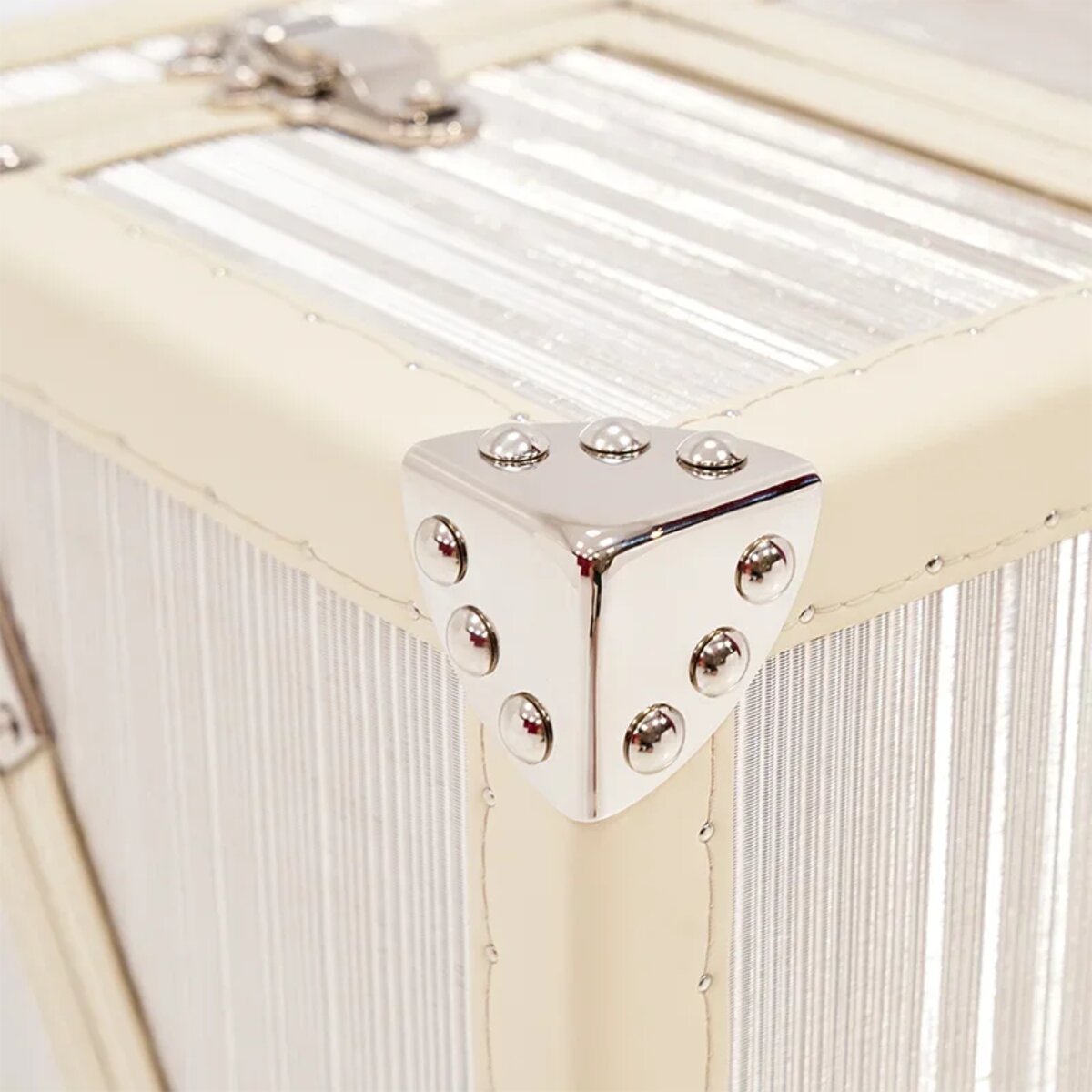
كل من لغات التصنيع الثلاثة لدى سيراي تتصدى للمناخ بطريقة مختلفة: سلسلة أوروم واير المصنوعة من المعدن المنسوج، وخزائن هيريتيج برينت المكسوة بالجلد، وتصميمات فيلفيت أتيلييه الداخلية المبطنة بالمخمل. تُظهر قطعة مثل صندوق التخزين الأثري Aurum Wire · The Heirloom - Monochrome Bloom نهج المعدن المنسوج — واجهة صلبة لا تنتفخ أو تتقشر خلال دورة الرطوبة. لمزيد من التفاصيل حول المواد، راجع كم يكلف أثاث التخزين الفاخر في دبي حقًا؟ دليل صادق.
هل يمكنني إضافة قفل بيومتري - وهل هو آمن حقًا؟
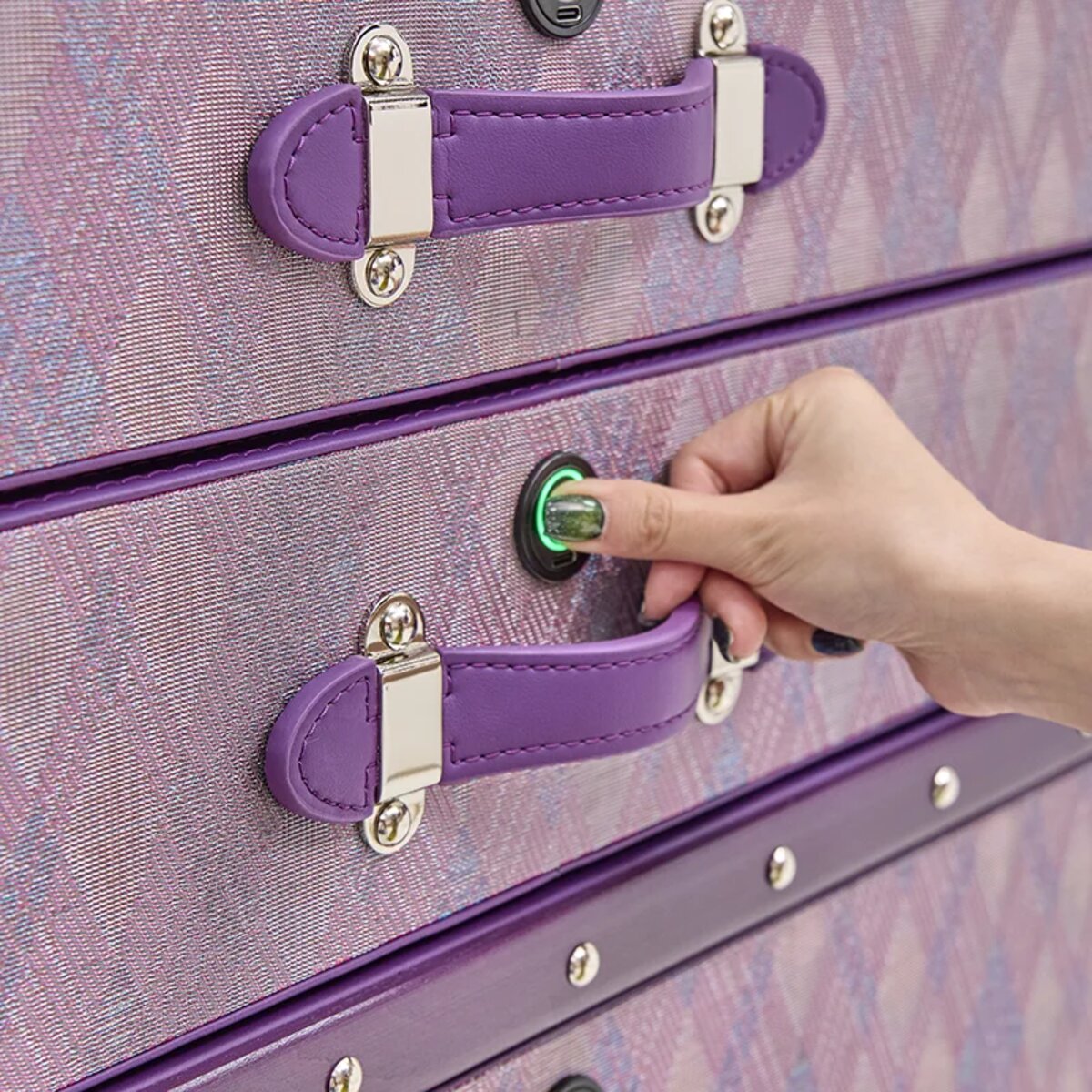
إجابة سريعة: نعم — يمكن دمج قفل بيومتري (بصمة الإصبع) في خزانة تخزين مصممة خصيصًا، وهو آمن للمقتنيات الثمينة في المنزل بشرط أن يكون لديه طريقة وصول احتياطية موثوقة. القاعدة التي لا يمكن التنازل عنها هي وجود تجاوز يدوي: أسطوانة مفتاح أو رقم تعريف شخصي يفتح الخزانة عندما تنفد البطارية أو يتعطل المستشعر. القفل البيومتري بدون تجاوز هو عيب تصميم، وليس ميزة أمنية. للحصول على مقاومة عالية للسرقة أو الحريق، قم بإقران الخزانة بخزانة أمان مخصصة بدلاً من الاعتماد على قفل أثاث بمفرده.
الأقفال البيومترية تستحق مكانتها من خلال صعوبة الوصول، وليس مقاومة السرقة. القيمة تكمن في أنك — وقائمة محددة من أفراد العائلة — تفتح الخزانة بلمسة، بينما لا يوجد مفتاح فضفاض في درج ليجده الموظفون أو الزوار. وهذه فائدة حقيقية لحفظ المقتنيات في منزل به مساعدة متغيرة.
ماذا يجب أن تحدد وتؤكد عند الطلب:
- التجاوز الاحتياطي — اسطوانة مفتاح أو رقم تعريف شخصي، مع شرح واضح لكيفية عمله عند انقطاع التيار الكهربائي.
- جودة المستشعر — مستشعرات السعة المزودة بتقنية الكشف عن الحياة أصعب بكثير في التزوير من المستشعرات البصرية الأساسية.
- التحكم في التسجيل — من يمكنه إضافة أو إزالة بصمات الأصابع، وكيف تتم إدارة هذه القائمة بمرور الوقت.
- الطاقة والبطارية — عمر البطارية، تنبيه انخفاض البطارية، وطريقة إعادة الشحن أو الاستبدال.
قفل الأثاث البيومتري هو طبقة وصول يومية، وليس قبوًا. بالنسبة للمجوهرات والساعات عالية القيمة، تعامل مع الخزانة كقطعة أنيقة في واجهة المنزل وخزانة آمنة مصنفة كمخزن عميق. إطار اتخاذ القرار موضح في خزانة المنزل الآمنة مقابل قبو البنك في الإمارات العربية المتحدة: أين يجب أن تحفظ مجوهراتك الثمينة؟ (2026). تُظهر خزانة المجوهرات Aurum Wire · The Amber - Dune Gold كيفية دمج قفل بصمة الإصبع في خزانة جاهزة دون المساس بالواجهة.
ما هي الضمانات والدفع وخدمات ما بعد البيع التي يجب أن أتوقعها؟
الخلاصة: توقع جدول دفع منظم — عادة ما يكون وديعة عند الطلب (تتراوح عادة بين 30-50%) مع دفع الرصيد قبل التسليم أو عند التسليم — وضمان مكتوب يغطي البناء والتشطيب وأي مكونات مدمجة. يقدم أتيليه دبي الجاد أيضًا خدمات ما بعد البيع: إعادة تكييف الجلد، وصيانة الأقفال، والإصلاح بدلاً من الاستبدال. احصل على كل رقم وشرط مكتوبًا قبل الدفع؛ فالتسعير الشفهي ليس عقدًا.
الأثاث المصمم حسب الطلب هو علاقة حفظ، وليست معاملة لمرة واحدة، وشروط ما بعد البيع تخبرك ما إذا كانت ورشة العمل تتوقع دعم القطعة لسنوات.
| الشرط | ماذا تطلب | لماذا يهم |
|---|---|---|
| الوديعة | النسبة المئوية المعلنة وما تضمنه | يجب ألا يبدأ الإنتاج إلا بعد الموافقة |
| الرصيد | متى وكيف يجب دفعه | تجنب الدفع المسبق بالكامل لمورد جديد |
| ضمان البناء | المدة والنطاق | يغطي الهيكل والمفاصل ومسارات الأدراج |
| ضمان التشطيب / الأجهزة | خط منفصل إذا كانت الأقفال مدمجة | تحتاج الإلكترونيات إلى شروط خاصة بها |
| خدمات ما بعد البيع | إعادة التكييف والإصلاح | تتم صيانة القطع ذات مستوى الحفظ، ولا يتم التخلص منها |
تنبيهان عمليان. أولاً، كن حذرًا من أي بائع يطلب 100% مقدمًا قبل الإنتاج — الدفع المرحلي يحميك. ثانيًا، اسأل بالتحديد عن كيفية صيانة الأجهزة المدمجة (قفل بيومتري، إضاءة داخلية) محليًا، لأن هذا هو الجزء الأكثر عرضة للحاجة إلى الصيانة بعد سنوات. تقدم سيراي مواعيد خاصة ودعم ما بعد البيع من صالة عرضها في دبي تحديدًا لكي تستمر العلاقة بعد التسليم.
هل أدفع رسوم استيراد أو ضريبة القيمة المضافة على الأثاث المصمم حسب الطلب في دبي؟
إجابة سريعة: إذا كانت قطعتك مصنوعة في الإمارات العربية المتحدة، فلا توجد رسوم جمركية للاستيراد — تدفع فقط 5% ضريبة القيمة المضافة على الشراء، كما هو الحال على أي سلعة محلية. إذا تم استيراد الأثاث أو المواد إلى الإمارات العربية المتحدة، فإن الرسوم الجمركية القياسية هي 5% من قيمة CIF (التكلفة والتأمين والشحن)، بالإضافة إلى 5% ضريبة القيمة المضافة عند نقطة الدخول. يمكن إعفاء البضائع التي نشأت في دولة أخرى من دول مجلس التعاون الخليجي من الرسوم الجمركية بشهادة منشأ صالحة. تأكد مع ورشة العمل الخاصة بك ما إذا كنت تشتري قطعة مصنوعة محليًا أو مستوردة، لأن التكلفة والجدول الزمني يختلفان.
هذا خط تكلفة يُساء فهمه غالبًا، ويغير حسابات "الشراء من الخارج والشحن" مقابل "الطلب المحلي".
- صنع محليًا (الإمارات العربية المتحدة): 5% ضريبة القيمة المضافة فقط — لا توجد رسوم استيراد، ولا يوجد خطر تأخير بسبب الجمارك.
- مستوردة إلى الإمارات العربية المتحدة: 5% رسوم جمركية على قيمة CIF + 5% ضريبة القيمة المضافة عند الدخول، بالإضافة إلى وقت الشحن والتخليص.
- منشأ من دول مجلس التعاون الخليجي: قد تكون معفاة من الرسوم بموجب إطار عمل دول مجلس التعاون الخليجي مع شهادة منشأ صالحة ومحتوى محلي مؤهل.
- أمتعة النقل الشخصي: عادة ما تكون الأمتعة المنزلية المستعملة التي يتم إحضارها عند الإقامة في الإمارات معفاة من الرسوم الجمركية.
بالنسبة للمشتري الفاخر، غالبًا ما يربح مسار التكليف المحلي من حيث التكلفة الإجمالية المؤرخة واليقين: لا توجد رسوم جمركية، ولا تأخير جمركي، والقدرة على تحديد المواد المناسبة للمناخ من البداية. إذا كنت تجلب مقتنيات ثمينة (وليست أثاثًا) إلى البلاد، فإن قواعد الإعلان مختلفة ومغطاة في السفر بالمقتنيات الثمينة إلى الإمارات: قواعد إعلان الجمارك للمجوهرات والذهب والساعات.
كيف أقوم بتقييم ورشة عمل أثاث مصمم خصيصًا في دبي؟
الخلاصة: احكم على ورشة العمل بناءً على خمسة أمور — عينات مادية يمكنك لمسها، خطوة قياس موقع حقيقية، مواصفات وضمان مكتوبان، جدول دفع مرحلي، وأعمال سابقة يمكن التحقق منها. التصميم وطلب الإيداع لا يكفيان. أفضل إشارة هي ورشة العمل التي تسأل عما تخزنه ومكان فتحة مكيف الهواء قبل أن تتحدث عن اللون.
استخدم هذه القائمة المرجعية عند زيارة أو اختيار:
- عينات قابلة للمس — هل يمكنك التعامل مع الواجهة والبطانة والقفل الفعليين، وليس مجرد رؤية تصميم؟
- قياس الموقع — هل يقيسون مساحتك، أم يقدمون عرض أسعار بناءً على أرقامك؟
- كل شيء مكتوب — المواصفات، وقت التسليم، الوديعة، الضمان، خدمات ما بعد البيع، كلها مكتوبة.
- دفع مرحلي — وديعة ثم الرصيد، لا تدفع 100% مقدمًا أبدًا لمورد جديد.
- فهم المناخ — هل يتحدثون عن دورات الرطوبة، وموقع مكيف الهواء، والحرارة المواجهة للغرب؟
- الأصل — هل يمكنهم إظهار التركيبات النهائية وكيف تقدمت تلك القطع في العمر؟
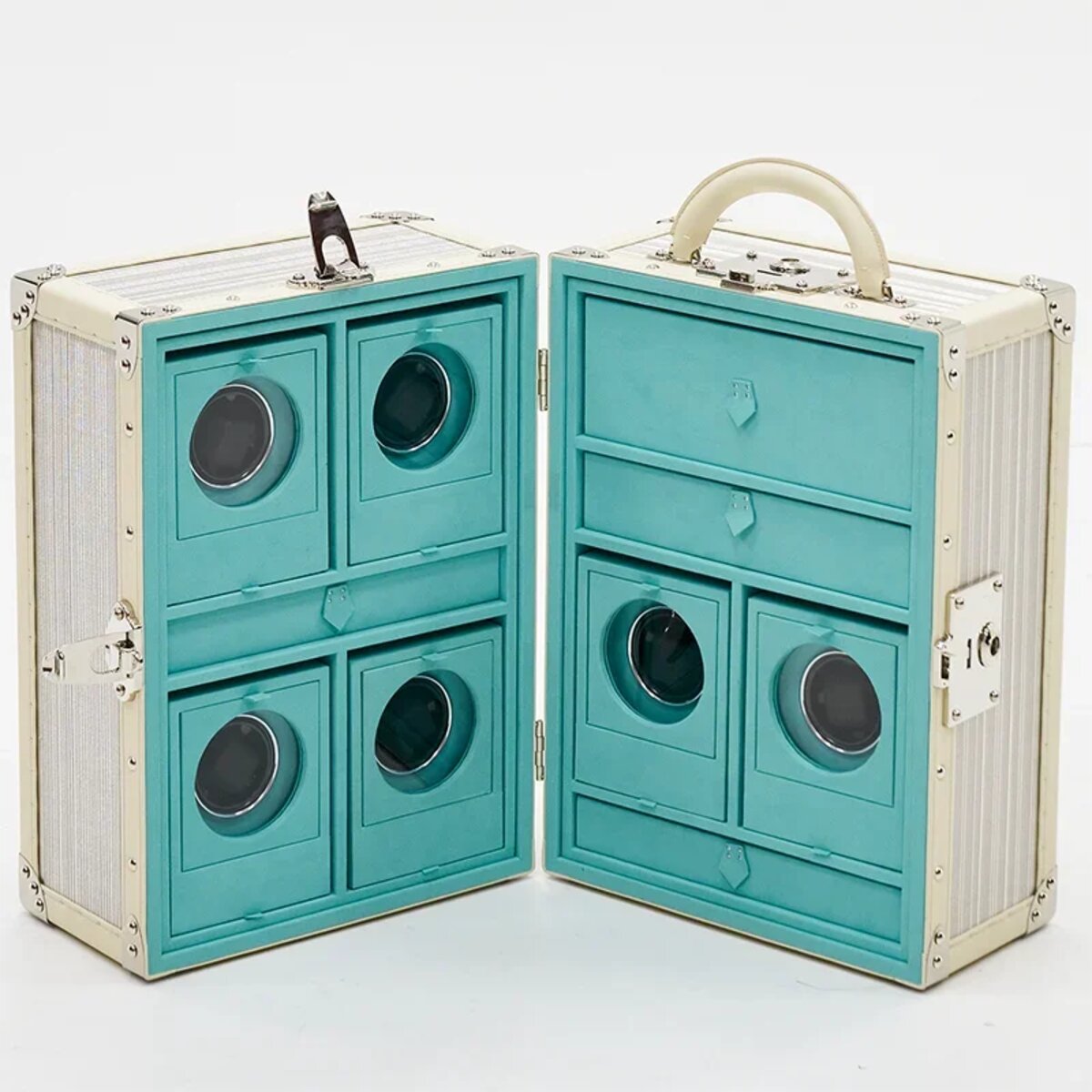
تُعد زيارة صالة العرض أسرع طريقة للتصفية: فهي تتيح لك اختبار المواد مقابل توقعاتك الخاصة ورؤية كيفية بناء قطعة مكتملة بالفعل. تتيح لك قطع مثل طبعة التراث · خزانة الزينة العائلية - الفخامة أحادية اللون، وطبعة التراث · خزانة العرض الطويلة المميزة - أسود وكريمي، وسلك أوروم · صندوق المجوهرات الفاخر - الكنز المذهب، تقييم البناء والبطانة والتشطيب شخصيًا قبل الالتزام بمواصفات محددة. لقرار مماثل بشأن مكان شراء فئة معينة، راجع أين تشتري خزانة بار فاخرة في دبي: دليل المشتري لعام 2026 وسياق التسعير في كم تكلفة خزانة العرض في الإمارات العربية المتحدة؟ دليل الأسعار لعام 2026.
الأسئلة المتكررة
هل تستحق الأثاث المخصص للتخزين مقارنة بشراء الجاهز في دبي؟ نعم يستحق ذلك عندما يجب أن تتناسب الملاءمة أو التشطيب أو التخطيط الداخلي مع غرفة معينة أو مجموعة لا تخدمها أي قطعة قائمة بشكل نظيف — وهو أمر شائع في تصميمات الفلل والشقق غير المنتظمة في دبي. يكلف الأثاث المخصص عادةً 20-40% أكثر من الأثاث الجاهز المماثل، ولكنه يزيل التنازل اليومي عن قطعة ذات حجم خاطئ، أو تصميم صينية خاطئ، أو مصنوعة من مواد تفشل في رطوبة الخليج. لقطعة تناسب مساحتك كما هي، فإن الشراء من صالة العرض أسرع ويتيح لك فحص العنصر بالضبط.
كم يستغرق تفصيل أثاث مخصص في دبي؟ تتراوح المهل الزمنية من حوالي 2-6 أسابيع لقطعة صغيرة مصنوعة حسب الطلب من ورشة محلية إلى 8-20 أسبوعًا لخزانة فاخرة مخصصة بالكامل بمواد مستوردة، أو واجهات منسوجة يدويًا، أو إلكترونيات مدمجة. الدوافع الرئيسية هي توريد المواد، وتعقيد التشطيب، وما إذا كانت الأقفال أو الإضاءة مدمجة. احرص دائمًا على تحديد المهلة الزمنية كتابيًا عند الطلب، وتأكد من أنها تشمل التسليم والتركيب، وليس الإنتاج فقط.
كم تبلغ نسبة العربون العادية للأثاث المخصص في الإمارات العربية المتحدة؟ يُعد دفع عربون عند الطلب أمرًا قياسيًا، وعادة ما يتراوح بين 30-50%، مع استحقاق الرصيد قبل أو عند التسليم. يجب أن يبدأ الإنتاج فقط بعد أن توافق على المواصفات النهائية أو التصميم. كن حذرًا من أي بائع يطلب دفع 100% مقدمًا قبل بدء الإنتاج — الجدول الزمني المرحلي يحميك وهو المعيار لأتيليهات دبي ذات السمعة الطيبة. احصل دائمًا على نسبة العربون وشروط الرصيد كتابيًا.
هل أدفع رسوم استيراد على الأثاث المخصص المصنوع في دبي؟ لا. الأثاث المصنوع داخل الإمارات العربية المتحدة لا يخضع لرسوم جمركية للاستيراد - أنت تدفع فقط 5% ضريبة قيمة مضافة، كما هو الحال في أي عملية شراء محلية. تطبق رسوم الاستيراد بنسبة 5% على قيمة التكلفة والتأمين والشحن، بالإضافة إلى 5% ضريبة قيمة مضافة عند الدخول، فقط عندما يتم استيراد الأثاث أو المواد إلى الإمارات العربية المتحدة؛ يمكن إعفاء السلع ذات المنشأ الخليجي من الرسوم الجمركية بشهادة منشأ صالحة. هذا هو أحد الأسباب التي تجعل التفويض المحلي غالبًا ما يتفوق في التكلفة الإجمالية والجدول الزمني على استيراد قطعة نهائية.
هل يمكن أن تحتوي الخزانة المخصصة على قفل ببصمة الإصبع، وهل هي آمنة بما يكفي للمجوهرات؟ نعم، يمكن دمج قفل بصمة بيومتري في خزانة مخصصة، وهو آمن للأشياء الثمينة المنزلية اليومية بشرط أن يحتوي على نسخة احتياطية يدوية معتمدة — مفتاح أو رقم سري يعمل عندما تنفد البطارية. إنه طبقة وصول مريحة، وليس خزنة: فهو يبعد المفاتيح المتداولة عن المنزل الذي به موظفين، ولكن للحماية من السرقة أو الحريق المصنفة، يجب أن تقرن الخزانة بخزنة مخصصة بدلاً من الاعتماد على قفل أثاث وحده.
كيف أعرف ما إذا كانت ورشة أثاث في دبي جديرة بالثقة؟ ابحث عن عينات مواد ملموسة، وخطوة قياس حقيقية للموقع، ومواصفات وضمان مكتوبين، وجدول دفع مرحلي، وعمل منتهي يمكن التحقق منه. أقوى إشارة هي ورشة العمل التي تسأل عما ستقوم بتخزينه ومكان مخرج تكييف الهواء قبل مناقشة اللون - وهذا يدل على أنها تفكر في الحفظ والمناخ، وليس فقط الجماليات. إن التصميم ثلاثي الأبعاد وطلب العربون، بدون عينات أو قياس، هو علامة تحذير.
تفضل بزيارة صالة عرض Sirae في دبي
أسرع طريقة لتقييم أثاث التخزين الفاخر المصمم خصيصًا في دبي هي التعامل معه — لتشعر بالفرق بين واجهة من الأسلاك النحاسية المنسوجة يدويًا ولوحة مطبوعة، لاختبار قفل بيومتري وتجاوزه، ورؤية كيفية بناء جزء داخلي آمن. لمناقشة طلب خاص لفيلا، خزانة ملابس، أو مجموعة خاصة بك، احجز موعدًا خاصًا في صالة عرض Sirae، مجمع الشافعي، أم سقيم 1، دبي. اتصل على +971 55 886 6180 أو اكتب إلى info@siraecasa.com، وسيقوم فريقنا بإرشادك خلال المواد، والمواعيد النهائية، والتصميمات الداخلية لمساحتك.
%0A%D8%B9%D9%86%D8%AF%20%D8%B7%D9%84%D8%A8%20%D8%A3%D8%AB%D8%A7%D8%AB%20%D8%AA...)
اترك تعليقًا
This site is protected by hCaptcha and the hCaptcha Privacy Policy and Terms of Service apply.