
العناية بالساعات وتخزينها في الخليج: أسئلة متكررة لهواة جمع الساعات (2026)
العناية بالساعات وتخزينها في الخليج: أسئلة وأجوبة لهواة الجمع (2026)
تخزين الساعات في الإمارات العربية المتحدة محكوم بمناخ لا تتناوله معظم أدلة العناية العالمية: رطوبة صيفية تتجاوز 80% في الأماكن الخارجية، وتكييف هواء داخلي يجفف الهواء إلى 25-30%، ودرجات حرارة سطحية تتجاوز 50 درجة مئوية تحت نافذة غربية، ورمال ناعمة محمولة بالهواء تجد أي حشية غير محكمة الإغلاق. الخطأ الأكثر شيوعًا الذي يرتكبه هواة جمع الساعات في الخليج هو التعامل مع الساعة الميكانيكية كالمجوهرات - تركها فضفاضة في درج، أو على طاولة جانبية بجانب هاتف، أو تعرضها للعرق في حزام جلدي خلال صيف دبي. هذا القسم للأسئلة المتكررة هو المرجع المركزي لكل ما يحتاجه هواة الجمع للحفاظ على ساعة ميكانيكية بحالة جيدة في الخليج: الرطوبة ودرجة الحرارة المثالية، مسألة جهاز التعبئة مقابل الصندوق، إعدادات TPD، المغناطيسية، الغبار، السفر، والتأمين. كل قسم يشير إلى دليل سيراي أعمق حيث يوجد.
ما هي الرطوبة ودرجة الحرارة المثالية لتخزين الساعة في الإمارات العربية المتحدة؟
إجابة سريعة: قم بتخزين الساعات الميكانيكية عند رطوبة نسبية تتراوح بين 35 و 45% ودرجة حرارة ثابتة تتراوح بين 15 و 25 درجة مئوية (59-77 درجة فهرنهايت). في الإمارات العربية المتحدة، يعني ذلك وجود داخل مكيف بالإضافة إلى صندوق تخزين مغلق ومبطن يحتوي على جل السيليكا الموضح يتم فحصه شهريًا. تجنب كلا الطرفين - تتسبب الرطوبة التي تزيد عن 55% في التآكل وعفن الحزام؛ بينما تتسبب الرطوبة التي تقل عن 30% في جفاف الجلد وتشققّه.
أهمية النافذة الضيقة تكمن في أن الرطوبة هي العدو البطيء للساعة. الرطوبة العالية المستمرة تؤكسد مكونات الفولاذ، وتسبب تآكل الأجزاء النحاسية، وتشجع نمو الفطريات على أحزمة الجلد. الخليج يزيد الأمر سوءًا عن أي مكان آخر تقريبًا: يسجل المركز الوطني للأرصاد الجوية في الإمارات العربية المتحدة (ncm.gov.ae) رطوبة صيفية ساحلية تتجاوز 80% بشكل روتيني، لذا فإن الساعة غير المحمية التي تُترك في طبق مفتوح تمتص هذا الحمل في كل مرة يُفتح فيها الباب.
الفشل العكسي هو أيضًا فريد في الخليج. يسحب تكييف الهواء القوي الهواء الداخلي إلى 25-30% رطوبة نسبية، والساعة التي توضع مباشرة في هذا التدفق الهوائي تجف. الجفاف المفرط يقسي ويشقق حزام الجلد ويمكن أن يؤثر على مرونة الحشية. الهدف هو منطقة وسطية محمية - تحافظ الحافظة المغلقة على مناخ دقيق أكثر استقرارًا من الهواء الطلق، وتعمل بعض عبوات جل السيليكا الملونة على تلطيف التقلبات دون خلق ظروف جافة كليًا. استبدلها أو أعد شحنها كل شهرين إلى ثلاثة أشهر.
| المعلمة | النطاق المثالي | مخاطر الإمارات العربية المتحدة إذا تم تجاهلها |
|---|---|---|
| الرطوبة النسبية | 35-45% رطوبة نسبية | >55%: تآكل، عفن حزام؛ <30%: تشققات جلدية |
| درجة الحرارة | 15-25 درجة مئوية ثابتة | >40 درجة مئوية تؤدي إلى تدهور مواد التشحيم؛ التقلبات السريعة = تكاثف |
| تدفق الهواء | مخزن (صندوق مغلق) | التيار المباشر للمكيف يجفف بشكل مفرط؛ الرف المفتوح يتتبع الرطوبة الخارجية |
| جل السيليكا | يشير، يفحص شهرياً | المادة المجففة المستهلكة لا توفر أي حماية |
للاطلاع على نظرة أعمق حول التحكم النشط في المناخ مقابل الحافظات السلبية للمجموعات الأكبر، راجع ما وراء التعبئة: التحكم في المناخ لمجموعات الساعات في المناخ المتطلب لدولة الإمارات العربية المتحدة.
هل تحتاج إلى جهاز تعبئة ساعات، أم يكفي صندوق الساعات؟
الحكم التقني: جهاز تعبئة الساعات هو أداة راحة، وليس مطلبًا للحفظ. إذا كنت تمتلك ساعة أو ساعتين أوتوماتيكيتين وتلبسهما معظم الأيام، فإن صندوق ساعات مبطن عالي الجودة يكفي. يكتسب جهاز التعبئة مكانه عندما تقوم بتدوير العديد من الساعات الأوتوماتيكية - خاصة التعقيدات مثل التقويمات الدائمة، والتقويمات السنوية، وساعات التوقيت العالمي (GMT) أو أطوار القمر التي يكون إعادة ضبطها مملة بعد توقفها.
أقوى حجة لأجهزة التعبئة - أن مواد التشحيم "تتخثر" إذا بقيت الساعة ثابتة - أصبحت قديمة إلى حد كبير. الزيوت الاصطناعية الحديثة للساعات لا تتصلب بسبب عدم الاستخدام؛ بل تتبدد ببطء مع تقدم العمر والحرارة سواء كانت الساعة تعمل أم لا. ترك الساعة الأوتوماتيكية غير معبأة في درج لا يضر بها، ويوفر على علبة التروس التآكل المستمر الذي يفرضه جهاز التعبئة الذي يعمل 24/7. بالنسبة لساعة أوتوماتيكية واحدة للارتداء اليومي، يفوز صندوق الساعة على كل المستويات.
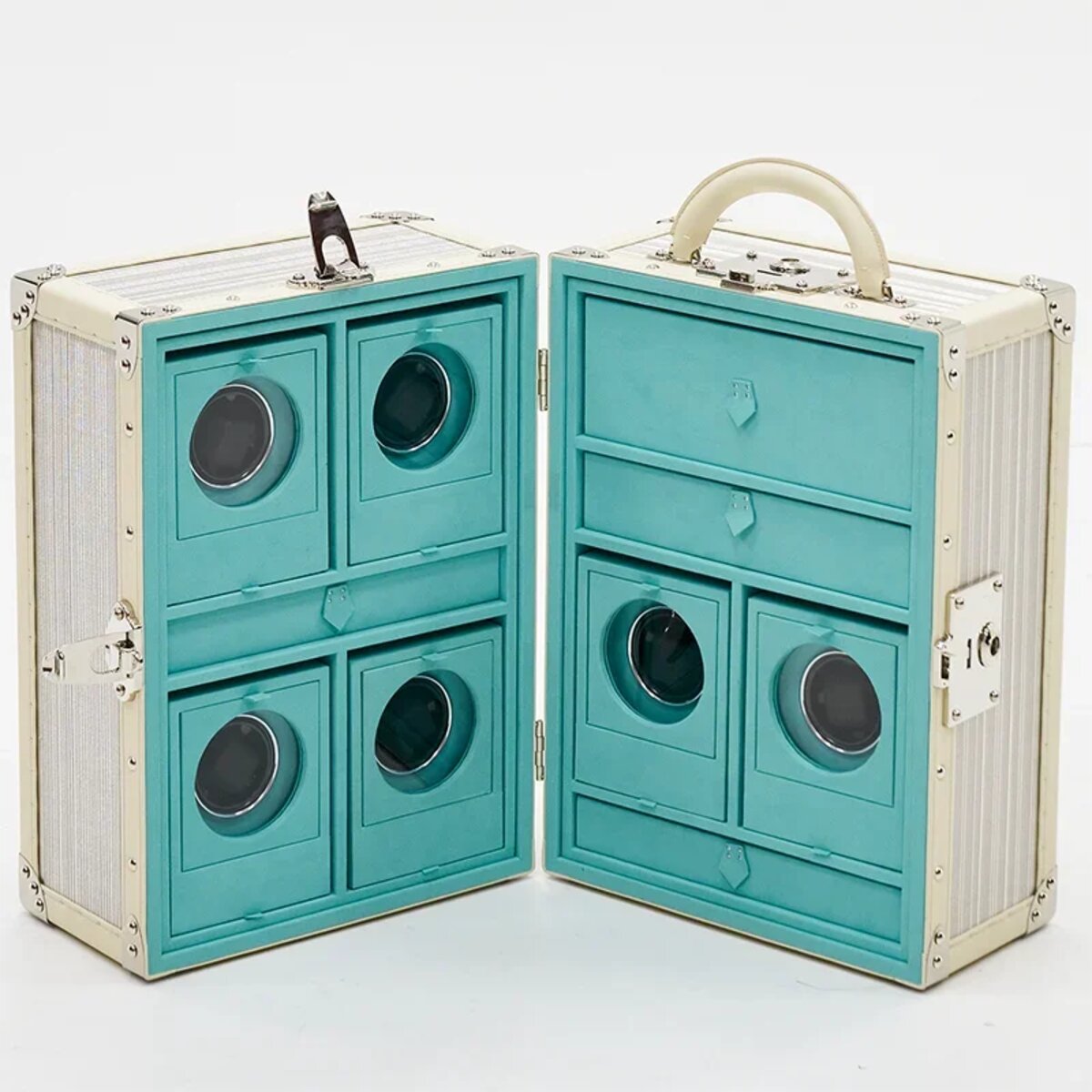
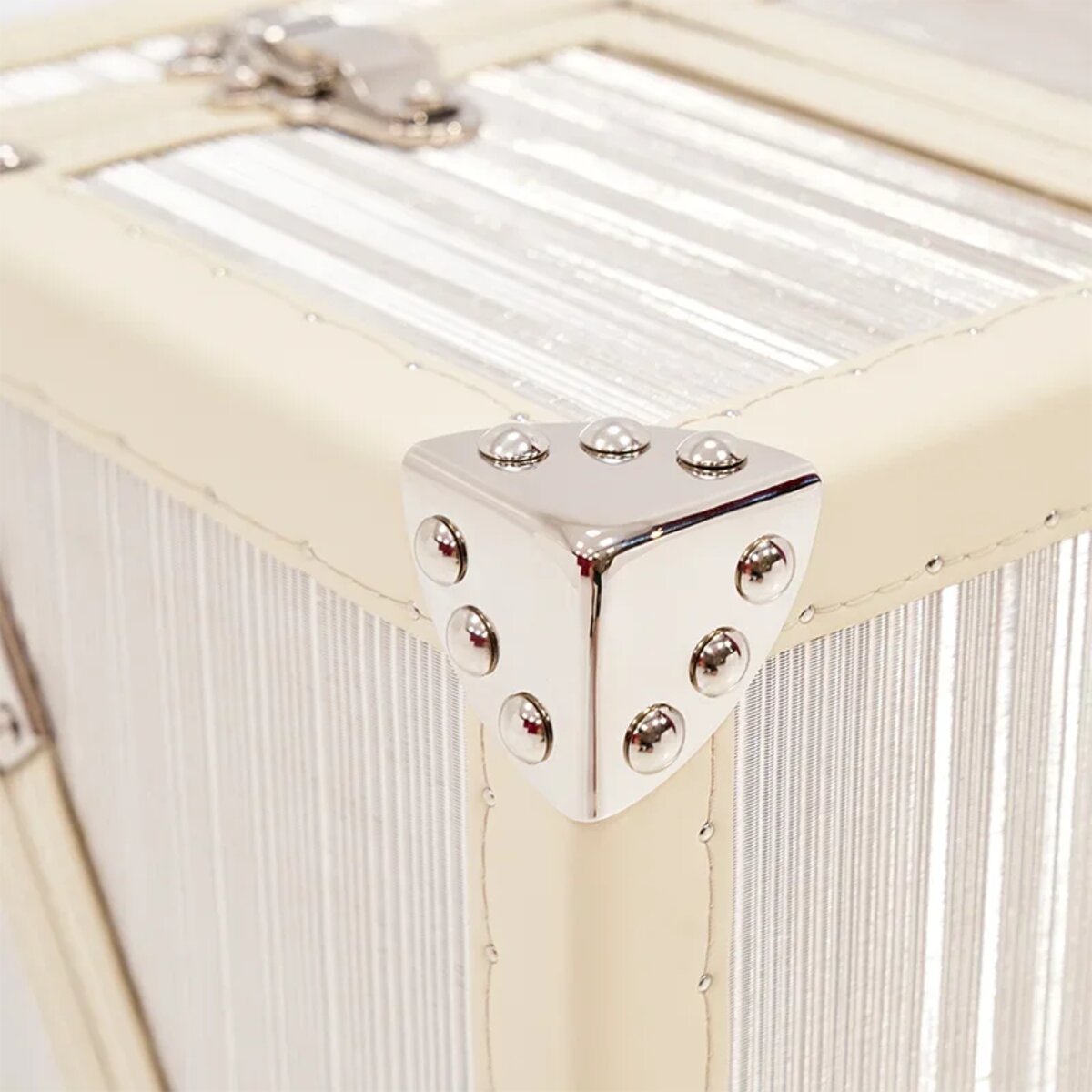
يُعدّ جهاز التعبئة مفيدًا حقًا في المجموعات المتناوبة التي تحتوي على تعقيدات يصعب ضبطها. إعادة ضبط تقويم دائم يمكن أن يكون طقسًا متعدد الخطوات؛ بينما إبقاؤها ملفوفة يزيل هذا الاحتكاك. تقدم سيراي جهاز تعبئة لهواة جمع الساعات هؤلاء بالتحديد - خزانة تعبئة الساعات Aurum Wire · 6 - إصدار الفضة المصقولة، مع بناء بجودة الحفظ ووحدات قابلة للبرمجة بشكل فردي - جنبًا إلى جنب مع حافظات ثابتة مبطنة مثل منظم الساعات الفاخر Aurum Wire · Signature - فضة مصقولة للقطع التي تفضل أن ترتاح. العديد من هواة جمع الساعات يستخدمون كليهما: التعقيدات على جهاز التعبئة، والباقي في حالة راحة.
| أنت تملك… | أفضل حل أساسي | السبب |
|---|---|---|
| 1-2 ساعة أوتوماتيكية، تُلبس يوميًا | صندوق ساعات مبطن | لا حاجة للتعبئة؛ أقل تآكل ميكانيكي |
| 3-6 ساعات أوتوماتيكية، استخدام مختلط | صندوق + جهاز تعبئة للتعقيدات | تجنب إعادة الضبط حيث يكون الأمر مهمًا |
| القطع ذات التقويم / التوقيت العالمي (GMT) / أطوار القمر | جهاز تعبئة | يجنب إعادة الضبط المملة |
| ساعات تعبئة يدوية أو كوارتز | صندوق فقط | أجهزة التعبئة لا تفيد هنا |
للحصول على تفصيل كامل، راجع صندوق الساعة مقابل جهاز تعبئة الساعة مقابل حافظة الساعة: أيهما تحتاج؟ و جهاز تعبئة ساعة رولكس: هل أنت حقاً بحاجة إليه؟.
ما هو إعداد TPD الذي يجب استخدامه لساعتي الأوتوماتيكية؟
إجابة سريعة: معظم الساعات الأوتوماتيكية تعمل بشكل جيد في نطاق 650-900 دورة في اليوم (TPD) عند الدوران ثنائي الاتجاه. كنقطة بداية آمنة: 650 TPD لمعظم ساعات رولكس و 650-800 TPD لمعظم ساعات أوميغا الحديثة. ابدأ بالحد الأدنى والدوران ثنائي الاتجاه، ثم زد فقط إذا فقدت الساعة طاقتها على مدار 48 ساعة.
TPD هو ببساطة عدد الدورات التي يكملها جهاز التعبئة في 24 ساعة، ويعتمد العدد الصحيح على دوار الحركة واحتياطي الطاقة، وليس على اسم العلامة التجارية. التعبئة الزائدة لا تشكل خطرًا على تلف الحركة ذات التوقف التلقائي المصممة بشكل صحيح، ولكن الهدف هو أقل حركة ممكنة تحافظ على الساعة معبأة بالكامل - فالدوران الأقل يعني تآكلًا أقل. الدوران ثنائي الاتجاه يناسب معظم الساعات الأوتوماتيكية الحديثة؛ وهناك أقلية من الحركات تعمل في اتجاه واحد فقط.
الطريقة الموثوقة هي التجريبية، وليست النظرية. قم أولاً بلف الساعة يدوياً 20-30 دورة، ثم ضعها، واضبط جهاز اللف على أدنى TPD في وضع ثنائي الاتجاه، وتحقق من دقتها على مدار 48 ساعة تقريباً. إذا كانت تحافظ على الوقت بشكل جيد، فإن هذا الإعداد كافٍ؛ وإذا فقدت الطاقة، فقم بزيادة TPD. المواصفات المصنعية، حيثما نُشرت، تتجاوز أي جدول عام.
| العلامة التجارية (حديثة نموذجية) | بداية TPD المقترحة | الاتجاه |
|---|---|---|
| رولكس (معظمها) | 650 | ثنائي الاتجاه |
| أوميغا (معظمها) | 650-800 | ثنائي الاتجاه |
| ساعات أوتوماتيكية عامة | 650-900 | ثنائي الاتجاه (تحقق لكل طراز) |
للحصول على جداول العلامات التجارية وملاحظات الاتجاه، راجع إعدادات TPD لجهاز تعبئة الساعات: جدول ودليل العلامات التجارية.
كيف أمنع ساعتي من التمغنط؟
الخلاصة: ابقِ الساعات الميكانيكية على بعد بضعة سنتيمترات على الأقل من السماعات، وأغطية الأجهزة اللوحية، وحوامل الهواتف المغناطيسية، وأقفال أجهزة الكمبيوتر المحمول، ومشابك حقائب اليد - وهي المتسببات اليومية. بموجب ISO 764، تتحمل الساعة "المقاومة للمغناطيسية" حوالي 4800 أمبير/متر (≈60 جاوس)؛ يمكن للهاتف الذكي أن يصدر حوالي 80 جاوس عند الاتصال، وهو ما يكفي لبدء تراكم بطيء يجعل الساعة تعمل بسرعة.
المغناطيسية هي التهديد اليومي الأكثر استخفافًا به لأن مصادرها عادية، وليست غريبة. مكبرات الصوت بتقنية البلوتوث، والأغطية المغناطيسية لأجهزة الآيباد، ولوحات الشحن اللاسلكي، ومحفظة المغناطيس ومشابك الإغلاق، والمغناطيسات في حافظات الهواتف الحديثة، كلها تحمل مغناطيسات دائمة قوية بما يكفي للتأثير على زنبرك الشعرة (hairspring) عند الاتصال القريب المتكرر. الساعة الممغنطة عادة ما تعمل بشكل أسرع بعدة دقائق في اليوم - وهو العرض الكلاسيكي الذي يرسل هواة جمع الساعات إلى صانع الساعات لعملية إزالة المغنطة السريعة وغير المكلفة.
الحل مكاني. عند خلع الساعة، لا تضعها على أو بجانب هاتفك أو مكبر صوت أو جهاز لوحي. داخل علبة التخزين، احتفظ بالساعات في فتحاتها المبطنة بدلاً من تكديسها مقابل المشابك المغناطيسية أو الإلكترونيات. القطع التي تحتوي على نوابض شعرية من السيليكون أو أقفاص داخلية من الحديد الناعم (مثل ساعات رولكس ميلغوس، وحركات أوميغا التي تزيد عن 15000 جاوس) أكثر تحملًا بكثير، ولكن لا توجد ساعة تستفيد من البقاء على لوحة شحن طوال الليل.
| المصدر | مجال تقريبي | خطر عملي |
|---|---|---|
| معظم البيئات اليومية | <20 غاوس | منخفض |
| الهاتف الذكي (عند الاتصال) | حوالي 80 غاوس | يتجاوز ISO 764 (حوالي 60 غاوس) - ابقِهما منفصلين |
| مغناطيس ثلاجة / خزانة | ~100 غاوس | متوسط - تجنب الاتصال المباشر |
| جهاز الرنين المغناطيسي | حتى ~15,000 غاوس | شديد - لا تقرب الساعة أبدًا |
للحصول على سياق العناية بالمناخ والمجموعة الذي يتناسب مع إدارة المغناطيسية، راجع مهمة الجامع: الحفاظ على الساعات الميكانيكية في مناخ الخليج المتطلب.
كيف يؤثر حرارة دبي وتكييفها ورملها على الساعة؟
إجابة سريعة: ثلاثة ضغوط خاصة بالخليج تؤثر على الساعة: الحرارة التي ترقق وتُفسد زيوت التشحيم بالحركة فوق ~40 درجة مئوية، والتكثيف عندما تلتقي ساعة دافئة بهواء مكيف بارد، والرمل الناعم المحمول بالهواء الذي يؤدي إلى تآكل الحشيات والتيجان غير المحكمة الإغلاق. الدفاع هو حافظة مغلقة ومحكمة الغلق ومقاومة للغبار، تُحفظ بعيدًا عن أشعة الشمس المباشرة وتيار التكييف، بالإضافة إلى خدمة دورية للحشيات.
الحرارة هي العامل الصامت. درجات الحرارة العالية المستمرة - ساعة داكنة تُترك على تسريحة مكشوفة للشمس يمكن أن تتجاوز 50 درجة مئوية - ترقق مواد التشحيم الاصطناعية وتسرع تبخرها، مما يؤدي على مر السنين إلى انحراف حركة الساعة عن مواصفاتها. احتفظ بالساعات بعيدًا عن أشعة الشمس المباشرة ولا تخزنها أبدًا في سيارة متوقفة.
التكثف هو الظاهر. عندما تنتقل ساعة دافئة إلى غرفة مكيفة باردة بشكل حاد، فإن الانخفاض السريع في درجة الحرارة يمكن أن يسبب ضبابًا على الجانب السفلي من الكريستال؛ ثم تعرض الرطوبة المحتجزة لخطر صدأ الفولاذ وتآكل الأجزاء الداخلية النحاسية. دع الساعة تتأقلم بدلاً من تدويرها بسرعة بين 45 درجة مئوية في الخارج و 18 درجة مئوية في الداخل، وتأكد من سلامة حشياتها. الرمل هو المادة الكاشطة: غبار الخليج دقيق بما يكفي لاختراق الحشيات البالية إلى التاج والعلبة، ولهذا السبب تتفوق علبة التخزين المغلقة والمحكمة هنا على الدرج المفتوح - ولهذا السبب يجب أن تكون فحوصات التاج والحشية ضمن جدول صيانة منتظم. تستحق الأحزمة الجلدية ذكرًا خاصًا: في الصيف، يؤدي العرق والملح إلى قطع ألياف الجلد من الداخل، لذا قم بالتبديل إلى أحزمة مطاطية أو معدنية أو أحزمة الناتو واترك الجلد يرتاح 24 ساعة بين كل ارتداء.
للاطلاع على خيارات التحكم في المناخ للمجموعات الجادة، راجع ما وراء التعبئة: التحكم في المناخ لمجموعات الساعات في الإمارات العربية المتحدة.
كيف يجب أن أخزن وأسافر بالساعات عند مغادرة دبي في الصيف؟
الخلاصة: بالنسبة للساعات التي تُترك خلفًا خلال هجرة الصيف، قم بتخزينها في علبة مغلقة ومبطنة داخل غرفة آمنة ومستقرة مناخيًا - ويفضل أن تكون خزنة منزلية أو قطعة تُحفظ في منطقة داخلية باردة - مع جل سيليكا جديد للإشارة وتكييف هواء مضبوط على درجة حرارة معتدلة. أما بالنسبة للساعات التي تحملها معك، استخدم حقيبة سفر صلبة الجوانب، وقم بتهدئة حركتها، وقم بالإفصاح عن القطع عالية القيمة في الجمارك حيثما كان ذلك مطلوبًا.
تحدث الأضرار التي يمكن تجنبها أثناء الغيابات الطويلة: إيقاف تشغيل مكيف الهواء بالكامل يسمح للرطوبة الداخلية بالارتفاع نحو المستويات الخارجية، والساعة الأوتوماتيكية على جهاز التعبئة المعطل تتوقف ببساطة (لا ضرر) بينما تعمل الرطوبة دون رقابة (ليس بلا ضرر). اترك مكيف الهواء على درجة حرارة معتدلة وثابتة بدلاً من إيقاف تشغيله، وأغلق الساعات في علبة مبطنة تحتوي على مادة مجففة جديدة، وخزنها بعيدًا عن النوافذ والجدران الخارجية.
عند السفر، احمِ الساعة من الصدمات والضغط بقدر ما تحميها من المناخ. تحافظ حقيبة السفر المبطنة ذات الجوانب الصلبة على الساعات من الاصطدام ببعضها البعض؛ ولف ساعة يدوية أو ترك ساعة أوتوماتيكية تتوقف يجنب الإجهاد أثناء النقل. الأهم من ذلك، أن الإمارات العربية المتحدة لديها قواعد جمركية محددة للمواد عالية القيمة التي تُحمل داخل وخارج البلاد - يجب على هواة جمع الساعات الذين ينقلون ساعات باهظة الثمن عبر الحدود معرفة عتبات الإفصاح قبل السفر.
لبروتوكول الموسم، راجع تخزين الأشياء الثمينة في دبي أثناء الغياب: دليل صيف 2026؛ وللإجراءات الحدودية، راجع السفر بأشياء ثمينة إلى الإمارات العربية المتحدة: قواعد الإفصاح الجمركي للمجوهرات، الذهب والساعات.
هل أحتاج إلى تأمين ساعاتي بشكل منفصل، وكيف أقوم بتقييمها؟
إجابة سريعة: نعم - يجب تسجيل الساعات عالية القيمة (توضيحها) ضمن بوليصة تأمين متفق عليها القيمة ضد جميع المخاطر بدلاً من ضمها تحت محتويات المنزل العامة، والتي عادةً ما تحد من المدفوعات للقطعة الواحدة. اطلب تقييمًا مستقلاً لكل قطعة تزيد قيمتها عن 5000 دولار أمريكي تقريبًا، وحدث التقييمات كل 12-18 شهرًا للمراجع المتداولة بنشاط والتي تتغير أسعارها.
تتعامل تغطية محتويات المنزل القياسية مع الساعة كأنها محمصة خبز: حد أدنى لكل قطعة وتطبيق استهلاك عند المطالبة. بدلًا من ذلك، تدفع بوليصة ممتلكات شخصية مجدولة أو بوليصة ساعات متخصصة قيمة متفق عليها بدون استهلاك في حالة الخسارة الكلية - وهو الهيكل الصحيح للساعات الاستثمارية، خاصة في سوق مثل دبي حيث يمكن أن تتغير مراجع رولكس وباتيك فيليب وأوديمار بيغيه بشكل كبير خلال عام.
التقييم هو العمود الفقري للبوليصة وسجل إعادة البيع. يقدم تقرير التقييم السليم اسم العلامة التجارية، اسم الطراز، الرقم المرجعي، الرقم التسلسلي، الحالة والقيمة المقدرة، ويُقبل من قبل كبار شركات التأمين في دبي ودوليًا. نظرًا لتغير القيم، قم بتحديث التقييمات كل 12-18 شهرًا للمراجع الرائجة. يدعم التخزين ذلك: حافظة بجودة الحفظ مثل حقيبة ساعات Aurum Wire · Delux 10 - ميدو فلورال التي تحمي الحالة وتحافظ على الصندوق والأوراق والساعة معًا تحافظ بشكل مباشر على القيمة القابلة للتأمين وقيمة إعادة البيع.
للاطلاع على الإطار الكامل - العتبات، المثمّنين والوثائق - راجع تأمين وتقييم المجوهرات في الإمارات: دليل جامع، ولمكان حفظها، راجع خزنة ضد الحريق مقابل خزانة فاخرة: حماية المجوهرات والساعات في المنازل الإماراتية.
أسئلة متكررة
ما هي الرطوبة المثالية لتخزين الساعة في الإمارات العربية المتحدة؟ استهدف رطوبة نسبية تتراوح بين 35-45% عند درجة حرارة ثابتة تتراوح بين 15-25 درجة مئوية. في الخليج، يعني ذلك وجود داخل مكيف بالإضافة إلى صندوق مغلق ومبطن يحتوي على جل السيليكا الموضح يتم فحصه شهريًا. تتسبب الرطوبة الصيفية الخارجية التي تزيد عن 80% في تآكل الفولاذ ونمو العفن على أحزمة الجلد، بينما يمكن أن يؤدي تدفق مكيف الهواء المباشر إلى الجفاف الزائد تحت 30% رطوبة نسبية وتشقق الجلد. يحافظ المناخ الدقيق المغلق والمخزن على النطاق المتوسط أفضل بكثير من طبق مفتوح أو رف.
هل جهاز تعبئة الساعة ضار بالساعة؟ ليس إذا استخدم بحكمة، ولكنه نادرًا ما يكون ضروريًا. مواد التشحيم الاصطناعية الحديثة لا تتخثر من عدم الاستخدام، لذا فإن ترك ساعة أوتوماتيكية غير ملفوفة في درج لا يسبب أي ضرر ويتجنب التآكل المستمر للتروس الذي يسببه جهاز تعبئة يعمل باستمرار. يوفر جهاز التعبئة الراحة بشكل أساسي للمجموعات المتناوبة والتعقيدات - التقويمات الدائمة، وساعات التوقيت العالمي (GMT)، وأطوار القمر - التي يكون إعادة ضبطها مملة. بالنسبة لساعة أوتوماتيكية واحدة للاستخدام اليومي، فإن صندوق الساعة المبطن هو الخيار الأفضل والأقل تآكلًا.
ما هو TPD الذي يجب أن أضبط عليه جهاز التعبئة الخاص بي؟ تستقر معظم الساعات الأوتوماتيكية في نطاق 650-900 TPD (لفة في اليوم) على دوران ثنائي الاتجاه. ابدأ بحوالي 650 TPD لمعظم ساعات رولكس و 650-800 TPD لمعظم ساعات أوميغا الحديثة. قم بلف الساعة يدويًا أولاً، اضبط جهاز التعبئة على أدنى TPD ثنائي الاتجاه، وتحقق من دقة حفظ الوقت على مدار 48 ساعة؛ وزده فقط إذا فقدت الطاقة. استخدم أقل حركة تحافظ على الاحتياطي الكامل، واتبع مواصفات الشركة المصنعة حيثما نُشرت لمرجعك.
هل يمكن لهاتفي أن يُمغنط ساعتي حقًا؟ نعم، مع الاتصال المتكرر عن قرب. يمكن للهاتف الذكي أن يصدر حوالي 80 جاوس عند السطح، وهو أعلى من حوالي 60 جاوس (4800 أمبير/متر) التي يتطلبها معيار ISO 764 للساعة المقاومة للمغناطيسية لتحملها. عادة ما تعمل الساعة الممغنطة بشكل أسرع بعدة دقائق في اليوم. تجنب وضع الساعات على أو بجانب الهواتف، وأغطية الأجهزة اللوحية، ومكبرات الصوت، والمشابك المغناطيسية. الإصلاح رخيص وسريع - يمكن لصانع الساعات إزالة المغنطة عن معظم القطع في دقائق - ولكن الوقاية تكمن ببساطة في الحفاظ على المسافة.
قم بزيارة صالة عرض سيراي في دبي
أصبح تخزين الساعات الجيد في الإمارات العربية المتحدة أخيراً مسألة مناخ دقيق، وإحكام ضد الغبار، وتصميم للهيكل - وكلها لا يمكنك الحكم عليها من صورة فوتوغرافية. للتعامل مع حافظاتنا المبطنة وخزانة اللفافات، واختبار مدى قدرة حافظة الأسلاك النحاسية المغلقة على الاحتفاظ بالرطوبة في ظل ظروف الخليج، ومناقشة إعداد بدرجة حفظ خاصة لمجموعتك المحددة، احجز موعداً خاصاً في صالة عرض سيراي، مجمع الشفار، أم سقيم 1، دبي. اتصل على الرقم 971558866180+ أو راسلنا عبر البريد الإلكتروني info@siraecasa.com، وسيقوم فريقنا بإرشادك عبر أزواج اللفافات والصناديق والحافظات لساعاتك.
%0A%D8%AA%D8%AE%D8%B2%D9%8A%D9%86%20%D8%A7%D9%84%D8%B3%D8%A7%D8%B9%D8%A7%D8%AA%20%D9%81...)
اترك تعليقًا
This site is protected by hCaptcha and the hCaptcha Privacy Policy and Terms of Service apply.