
حقيبة مجوهرات السفر الفاخرة المثالية لمسافري دول مجلس التعاون الخليجي
الدليل الشامل لحقائب المجوهرات الفاخرة للسفر لهواة الجمع في دول مجلس التعاون الخليجي
بالنسبة للشخص الذي تتكشف حياته عبر القارات - من اجتماع عمل في دبي إلى افتتاح معرض في لندن - فإن نقل المقتنيات الشخصية هو مسألة دقة، وليس مجرد راحة. لا تلبي حقائب السفر العادية، التي غالبًا ما تكون مجرد فكرة لاحقة، الضغوط الفريدة لمناخ دول مجلس التعاون الخليجي والأمن الذي لا يقبل المساومة المطلوب للأصول عالية القيمة. لا تعد حقيبة السفر عالية الجودة مجرد وسيلة تخزين؛ بل هي خزانة متنقلة، مصممة لحماية القطع التراثية من الصدمات الحرارية والرطوبة وقسوة الانتقال المتكرر.
يستعرض هذا الدليل المعايير الحاسمة لاختيار حقيبة سفر تستحق أثمن ساعاتك ومجوهراتك، مما يضمن وصولها بنفس السلامة واللمعان كما كانت عند تعبئتها.
- ما وراء التخزين الأساسي: لماذا يحتاج المسافرون في دول مجلس التعاون الخليجي إلى دفاع متقدم عن الأمن والمناخ
- معايير الاختيار الأساسية لحقيبة السفر المتميزة
- القائمة المختصرة النهائية: من البيع بالتجزئة الممتاز إلى الفن المخصص
معيار Sirae: مبادئ حماية الأصول أثناء النقل
التقييم الفني: أنماط الفشل الأساسية للمجوهرات أثناء النقل هي الخدوش الدقيقة من الحركة الداخلية، والأكسدة من البطانات المتفاعلة، والإجهاد المادي من التغيرات السريعة في درجة الحرارة والرطوبة النسبية، خاصة بين الكبائن المكيفة والحرارة المحيطة في دول مجلس التعاون الخليجي.
سلامة المواد في الرطوبة العالية
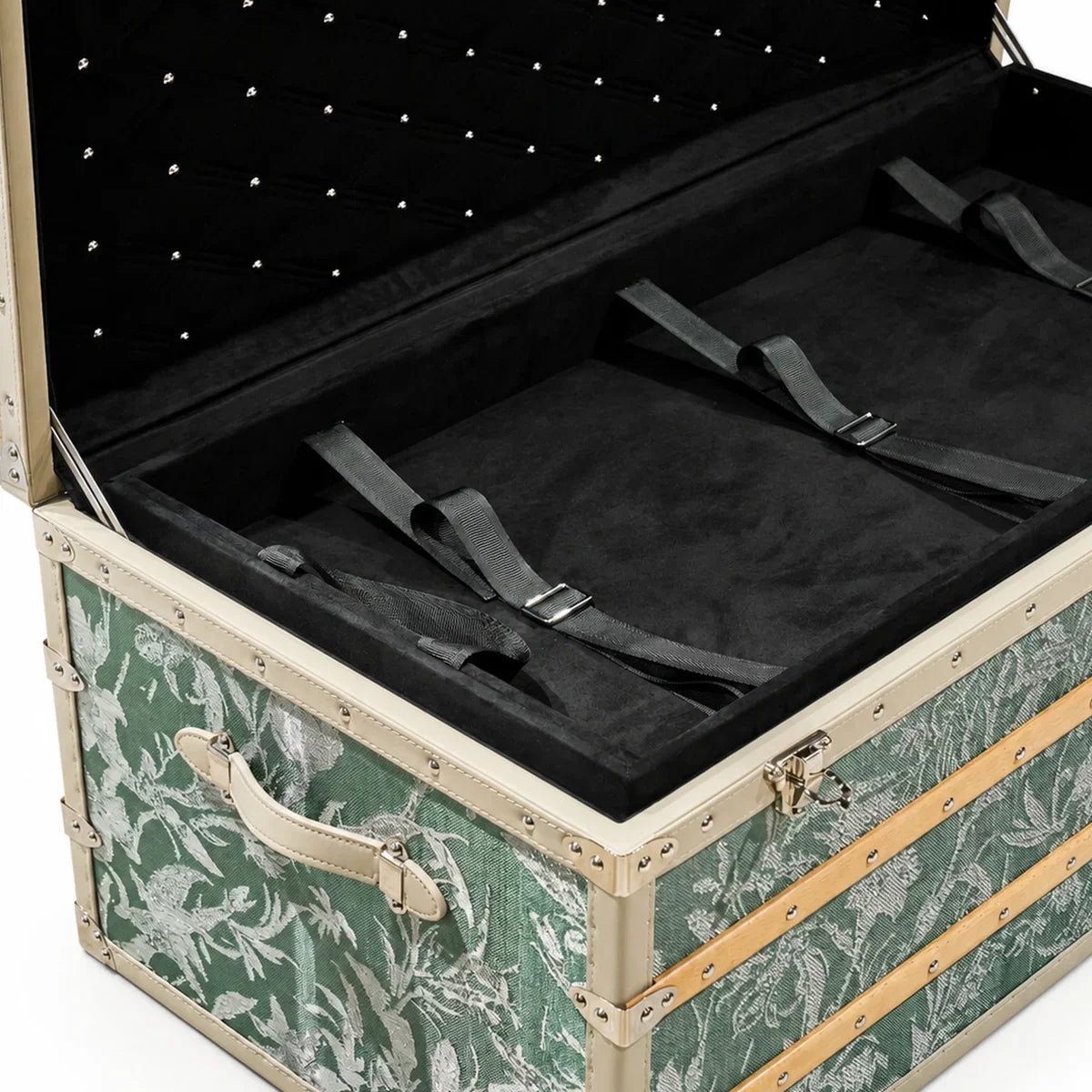
يمكن أن يؤدي الانتقال المستمر بين الأماكن الباردة والجافة والرطوبة المحيطة الشديدة في الخليج إلى إتلاف المواد الرديئة. بينما توفر الجلود الطبيعية عالية الجودة متانة، فإن مساميتها المتأصلة تتطلب ختمًا استثنائيًا. لتحقيق الاستقرار الهيكلي المطلق، طورت البيوت المتخصصة حلولًا متقدمة من المواد المركبة. على سبيل المثال، توفر السلامة الأساسية لـ حقيبة صلبة بسلك نحاسي إطارًا صلبًا ومقاومًا للمناخ يشكل حاجزًا أكثر استقرارًا ومحكمًا للتهوية، مما يضمن بقاء البيئة الدقيقة الداخلية ثابتة.
علم البطانات المضادة للصدأ
غالبًا ما تستخدم الحقائب المتوفرة تجاريًا المخمل أو اللباد المعالج بالمواد الكيميائية العامة. تعتبر البطانة المضادة للصدأ عالية الجودة ميزة لا غنى عنها. تستخدم القطع المخصصة بطانات متفوقة مخيطة يدويًا من المخمل المصغر أو الجلد المصغر من الألياف الدقيقة، والتي تكون خاملة كيميائيًا وناعمة بشكل استثنائي، مما يمنع كل من التفاعل الكيميائي والتآكل المادي على الأسطح المعدنية والأحجار الكريمة الدقيقة. تعد هذه الحماية النشطة أمرًا بالغ الأهمية للحفاظ على لمعان القطع التراثية أثناء السفر لفترات طويلة.
الحماية الهيكلية ضد الصدمات والتآكل
توفر الحقيبة الناعمة دفاعًا محدودًا ضد الصدمات المتأصلة في السفر. يجب أن تحتوي الحقيبة الفائقة على إطار صلب لامتصاص الصدمات ومنع الانضغاط. وهنا تقدم البنية الحرفية، مثل منهجية الحقيبة الصلبة المصنوعة يدويًا بسلك نحاسي، حماية لا مثيل لها. داخليًا، يجب أن تكون كل مقصورة بحجم دقيق ومبطنة بسخاء لتثبيت محتوياتها. بالنسبة للساعات الثقيلة، تعد وسائد الساعة المخصصة التي تثبت السوار والعلبة ضرورية لمنعها من إتلاف العناصر المجاورة الأكثر حساسية.
✍️ رؤية الخبراء: أكبر خطر، ولكنه غالبًا ما يتم تجاهله، هو الصدمة الحرارية. يمكن أن يؤدي نقل حقيبة من مقصورة طائرة بدرجة حرارة 21 درجة مئوية إلى مدرج بدرجة حرارة 45 درجة مئوية في دبي إلى تمدد وانكماش مجهري في المعادن وإعدادات الأحجار الكريمة. تخفف الحقيبة ذات العزل الفائق والمحكمة الإغلاق من هذا الخطر بشكل كبير. —— مختبر Sirae للحفظ.
ما وراء التخزين الأساسي: لماذا يحتاج المسافرون في دول مجلس التعاون الخليجي إلى دفاع متقدم عن الأمن والمناخ
الخلاصة: بالنسبة للمجموعات ذات القيمة العالية، يجب أن تعمل حقيبة المجوهرات للسفر كخزانة محمولة، تتضمن أجهزة قفل قوية، وصلابة هيكلية لمنع التكسير، وعلوم مواد تتصدى بنشاط للرطوبة المسببة للتآكل والحرارة الشديدة في منطقة الشرق الأوسط وشمال إفريقيا.
إن فكرة وضع قلادة فان كليف آند آربلز Alhambra أو ساعة باتيك فيليب Calatrava في لفافة جلدية بسيطة أمر غير مقبول لهواة الجمع الجادين. تمتد المخاطر إلى ما هو أبعد من مجرد التشابك. في دول مجلس التعاون الخليجي، العدو الأساسي هو المناخ نفسه. يؤدي الانتقال من فيلا مكيفة على شارع جميرا بيتش رود إلى مدرج مشمس إلى إجهاد هائل على المواد الحساسة، مما يسرع من تغير اللون وقد يؤثر على سلامة الإعدادات المعقدة بمرور الوقت.
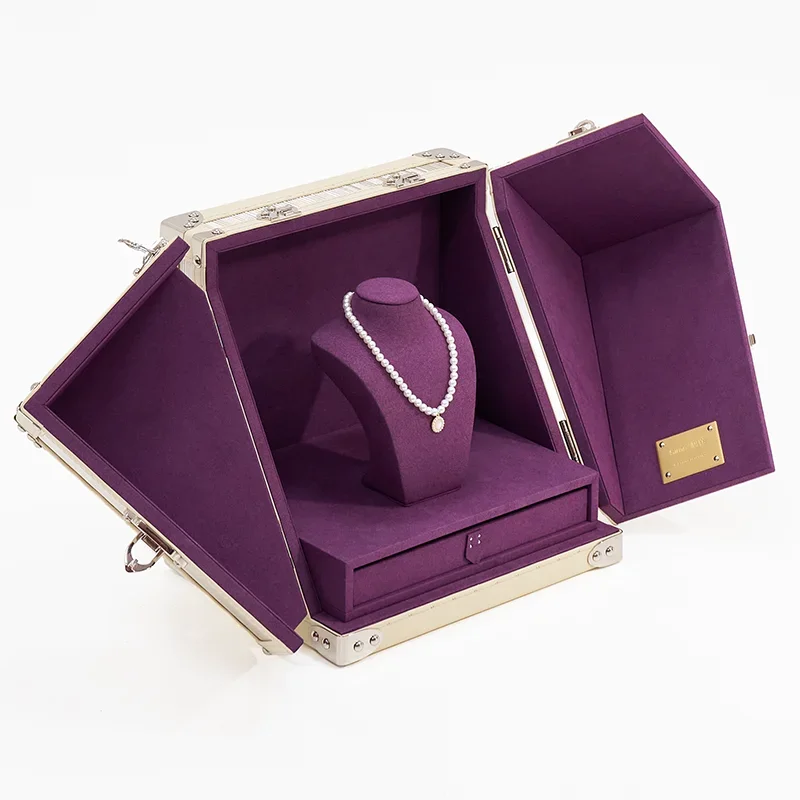
علاوة على ذلك، تعتبر الخصوصية والأمان أمرًا بالغ الأهمية. يجب أن تكون حقيبة السفر سرية ومحصنة في نفس الوقت. لا توفر المشابك المغناطيسية القياسية أي ردع. يستخدم الحل عالي الجودة أقفالًا مصممة بدقة ومدمجة في تجهيزات نحاسية صلبة، مما يضمن بقاء الحقيبة مغلقة وخاصة من لحظة مغادرتها لمنزلك حتى لحظة فتحها في جناحك الفندقي.
من الجلد الإيطالي إلى التصميمات الداخلية المعيارية: معايير الاختيار الأساسية لحقيبة السفر المتميزة
التقييم الفني: تجمع حقيبة السفر المثلى بين غلاف خارجي مقاوم للمناخ وتصميم داخلي معياري ممتص للصدمات مبطن بالمخمل الدقيق غير المتفاعل والمضاد للصدأ، وتتميز بنظام قفل ميكانيكي موثوق.
المواد الخارجية: الجلد التقليدي مقابل الواجهات المتقدمة
بالنسبة للكثيرين، فإن الجاذبية الملموسة لـ الجلد الطبيعي لا مثيل لها. ومع ذلك، بالنسبة للسفر المتكرر داخل دول مجلس التعاون الخليجي، فإن قابليته للتأثر بالرطوبة تعتبر اعتبارًا حاسمًا. توفر قمة علوم المواد الحديثة بدائل أكثر مرونة. على سبيل المثال، تخلق واجهة سلك نحاسي منسوج يدويًا نسيجًا منظمًا ومتلألئًا يقاوم تمامًا الرطوبة والضغط الحراري، ويوفر حماية لا هوادة فيها دون التضحية بالجمالية الراقية والمعاصرة. يمثل هذا مزيجًا من الحرف اليدوية التقليدية والأداء التقني.
التصميم الداخلي: حماية معيارية للساعات والمجوهرات
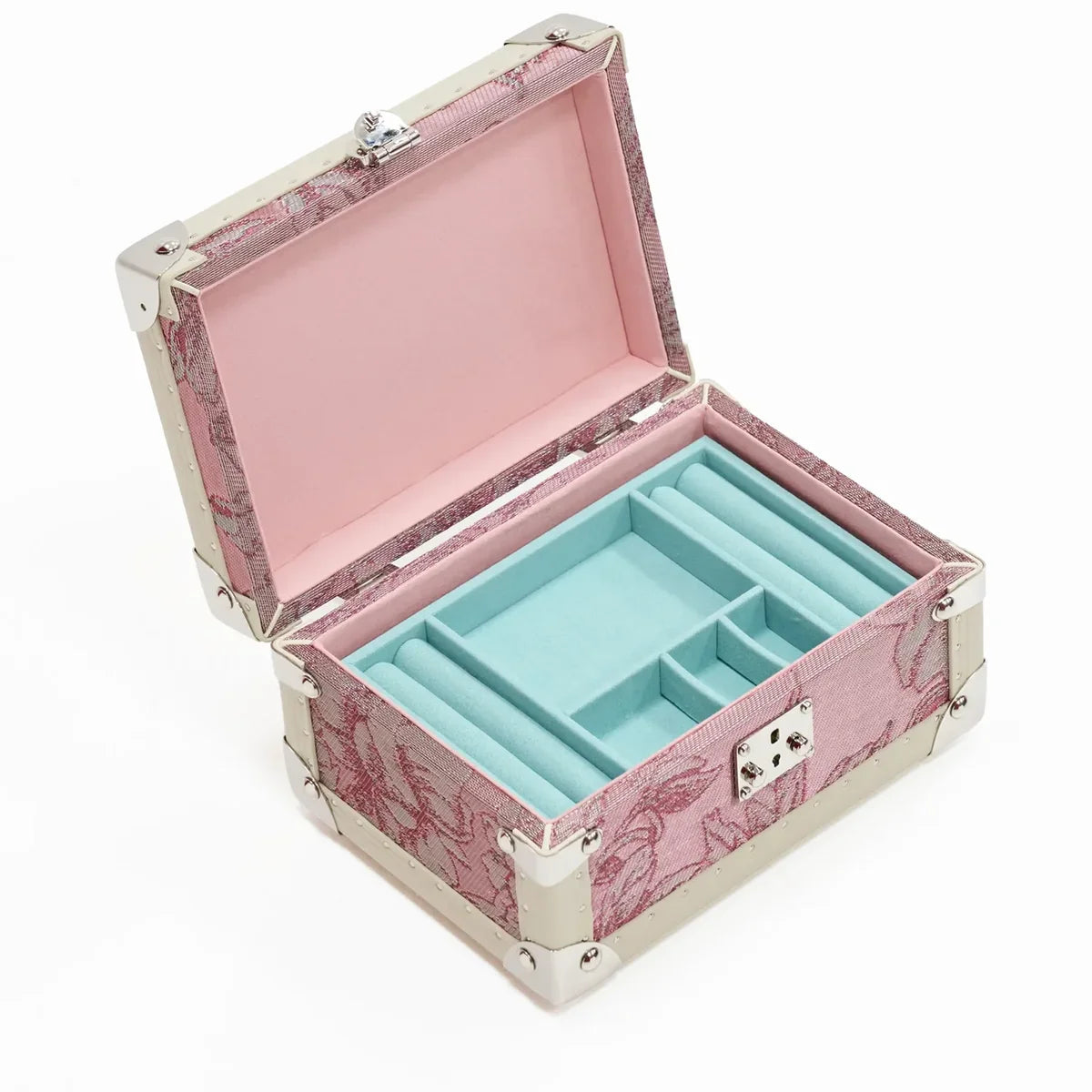
التصميم الداخلي ذو المقاس الواحد الذي يناسب الجميع هو سبب مباشر للضرر. يجب على الخبراء البحث عن حقائب ذات تصميم معياري — مقصورات مبطنة ومخصصة للساعات، ولفائف للخواتم، وأقسام مغطاة للأقراط. بالنسبة للمجموعات الفريدة حقًا، يعتبر التصميم الداخلي المخصص هو المعيار الأسمى. يسمح هذا النهج المخصص بتصميم كل مقصورة وفقًا للأبعاد الدقيقة للقطع المحددة، مما يضمن فصل ساعة Patek Philippe Grand Complication وقلادة ألماس Graff ماديًا بواسطة فواصل مبطنة، مما يمنع أي احتمال للتلامس والتلف.
الأمان، السرية، والامتثال لحمل الحقائب اليدوية
بالنسبة لأي مجموعة ذات قيمة، فإن القفل القوي ليس اختياريًا. ابحث عن الحقائب التي تحتوي على أقفال مفاتيح مدمجة أو أنظمة تركيبة مدمجة في أجهزة معدنية صلبة. بالنسبة للمسافرين الدائمين على خط دبي-أوروبا، الأبعاد حاسمة. يجب أن تكون الحقيبة المثالية مدمجة بما يكفي لتناسب بشكل مريح داخل حقيبة اليد، مما يضمن عدم ترك أصولك في حوزتك. بينما تصمم علامات تجارية مثل Tumi وCuyana مع مراعاة هذه القيود، يمكن بناء حقيبة مخصصة وفقًا لمواصفات الحقيبة اليدوية الدقيقة.
القائمة المختصرة النهائية: من البيع بالتجزئة المتميز إلى الفن المخصص
التقييم الفني: بينما تقدم علامات تجارية مثل Cuyana و Tumi حلولًا جاهزة ممتازة للسفر العام، فإن حماية مجموعة لا يمكن استبدالها تتطلب نهجًا مخصصًا يأخذ في الاعتبار الأصول المحددة والمناخ القاسي لدول مجلس التعاون الخليجي.
للمتانة المدمجة: كويانا مقابل ميجوري
لرحلة نهاية الأسبوع أو لنقل مجموعة مختارة من القطع اليومية، فإن عروض Cuyana و Mejuri جذابة. تركز كلتا العلامتين التجاريتين على التصميمات البسيطة في الجلود عالية الجودة، وتتميز بتصميمات داخلية جيدة التخطيط. تُشيد علبة مجوهرات السفر Cuyana ببنيتها المتينة، بينما توفر علبة مجوهرات Mejuri حلاً أنيقًا ومدمجًا للغاية. إنها ممتازة لمنع الخدوش ولكنها توفر دفاعًا محدودًا ضد التأثيرات الشديدة أو الضغوط البيئية الفريدة للخليج.
للقطع المميزة والساعات: نهج تومي وآيسبوكس ليذر
عندما تتضمن القائمة أصولاً أكبر، يلزم حل أكثر قوة. توفر علبة مجوهرات Tumi حجمًا وهيكلًا أكبر. بالنسبة لجامع الساعات الملتزم، توفر Icebox Leather علبًا تعمل كخزائن ساعات محمولة، مع إعطاء الأولوية لامتصاص الصدمات لكل ساعة. بينما تمثل هذه قفزة كبيرة في الحماية، إلا أنها تظل حلولًا موحدة لعالم من المجموعات الفريدة.
الفئة المخصصة: سيراي كازا
بالنسبة للخبير الذي تتجاوز مجموعته المعايير القياسية، فإن الحل الحقيقي الوحيد هو الحل المخصص. هذا هو مجال البيوت المتخصصة مثل Sirae، حيث تكون كل حقيبة سفر مشروعًا مخصصًا، تبدأ باستشارة خاصة وتنتهي بقطعة فنية عملية. تتجاوز العملية الاختيار البسيط، مما يسمح بإنشاء حقيبة مثل Aurum Loom Watch & Jewelry Case، المصممة بواجهة سلك نحاسي منسوج يدويًا وتصميم داخلي مصمم خصيصًا لمحفظة العميل المحددة من الساعات والمجوهرات. يضمن هذا المستوى من التخصيص، المتاح من خلال صالة العرض الخاصة بنا في دبي على شارع جميرا بيتش رود، تثبيت كل قطعة وحمايتها بشكل مثالي، مما يحول الحقيبة من مجرد ملحق إلى مكون أساسي لحفظ الأصول.
إن الحماية الحقيقية لمجموعة تراثية هي استثمار في الهندسة المخصصة وراحة البال، مما يضمن الحفاظ على رموز نجاحك بالعناية التي تستحقها.
https://www.siraecasa.com
ما الفرق بين حقيبة مجوهرات السفر ومنظم مجوهرات السفر؟
يركز منظم مجوهرات السفر على التصميم الداخلي - المقصورات، ولفائف الخواتم، وقنوات القلائد التي تحافظ على القطع مفصولة وغير متشابكة. تضيف حقيبة مجوهرات السفر الغلاف الواقي حول هذا المنظم: غلاف خارجي قابل للقفل، ومقاوم للصدمات، ومستقر مناخيًا ومصمم للنقل. تجمع أفضل القطع للمسافرين في دول مجلس التعاون الخليجي بين الاثنين - تصميم داخلي منظم معياري مخصص داخل حقيبة مقواة وقابلة للقفل.

اترك تعليقًا
This site is protected by hCaptcha and the hCaptcha Privacy Policy and Terms of Service apply.