
دليل العروس الكويتية العصرية لتخزين المجوهرات الفاخرة
دليل العروس العصرية لتخزين المجوهرات الفاخرة في الكويت
بالنسبة للعروس الكويتية العصرية، فإن رحلة الزواج مزينة بإيماءات ذات أهمية عميقة. تقديم الشبكة، وهي مجموعة من الألماس والمعادن الثمينة، يمثل بداية إرث جديد. هذا، بالإضافة إلى مجوهرات الإرث الثمينة المتوارثة عبر الأجيال، يشكل مجموعة هي أصل مالي بقدر ما هي وعاء للمشاعر. ضمان حفظها هو عمل من أعمال التبصر والرعاية.
يتناول هذا الدليل التحديات الفريدة لتنظيم وحماية هذه الأصول، من اللوجستيات المعقدة لأسبوع الزفاف إلى إنشاء ملاذ دائم داخل منزلك الجديد. إنه تمهيد للانتقال إلى ما هو أبعد من التخزين البسيط إلى فلسفة الحفظ النشط.
دليل هذه المهمة
- معيار سيراي: دليل العروس للحفظ
- تحدي العروس الكويتية: تخزين فريد للشبكة والمجوهرات العائلية
- العد التنازلي لأسبوع الزفاف: الموازنة بين الجمال والأمان في الأماكن المختلفة
- الاندماج بعد الزفاف: تكليف خزانة مجوهرات رئيسية أو خزانة آمنة
معيار سيراي: دليل العروس للحفظ
الحكم الفني: يتطلب الحفاظ الأمثل على المجوهرات في مناخ الخليج بطانات من جلد الألياف الدقيقة أو الشمواه بجودة الأرشيف، ورطوبة نسبية مستقرة (RH) تتراوح بين 45-55%، وتصميمات مقسمة لمنع الخدوش الدقيقة من التلامس العرضي بين الأحجار الكريمة الصلبة والمعادن اللينة.
فهم نقاط ضعف المواد في مناخ الخليج
تُشكل الظروف المحيطة في الكويت، التي تتسم بالحرارة الشديدة والرطوبة المتقلبة، تهديداً مباشراً للمجوهرات الفاخرة. فَالرطوبة العالية تُسرّع من تأكسد المعادن الثمينة، خاصة الفضة الاسترلينية وسبائك الذهب منخفضة العيار، مما يؤدي إلى فقدان بريقها. وفي المقابل، يمكن أن تُجفف الأجواء الداخلية الجافة والمكيفة الأحجار الكريمة العضوية مثل اللؤلؤ والأوبال والمرجان، مما يجعلها هشة وتتكسر بمرور الوقت.
مبادئ الحماية بمعايير الأرشيف
يستند الحفظ الحقيقي إلى علم المواد. الهدف هو إنشاء بيئة دقيقة مستقرة لمجموعتك. وهذا يتضمن عزل القطع عن الملوثات الجوية والصدمات المادية. إن الخزانة أو الخزنة المصممة لهذا الغرض ليست مصممة فقط لحفظ الأصول، بل لتحييد العوامل البيئية التي تؤدي إلى تدهورها.
يجب أن يكون كل سطح تلمسه مجوهراتك خاملًا كيميائيًا. فغالبًا ما تستخدم الصناديق التجارية مواد لاصقة وأصباغ في بطاناتها يمكن أن تتطاير، مما يسبب تفاعلًا كيميائيًا يؤدي إلى تغير لون المعادن والأحجار الكريمة على المدى الطويل. على النقيض من ذلك، فإن تصاميم Sirae الداخلية مبطنة حصريًا بالشمواه المصنوع من الألياف الدقيقة المستورد والمخيط يدويًا، والذي تم اختياره لثباته الكيميائي.
✍️ رؤية الخبراء: يمكن أن يؤدي الانتقال المفاجئ من بيئة داخلية باردة وجافة إلى الرطوبة الخارجية إلى تكون تكثف مجهري على أسطح المجوهرات، مما يحبس الملوثات التي تسرع من التشويه والتآكل. تخفف العلبة المعزولة والمصممة لهذا الغرض من هذه الصدمة الحرارية أثناء النقل. —— مختبر سيري للحفظ.
منع التلف الميكانيكي
إن أكثر أشكال التلف شيوعًا ليس كارثيًا، بل تدريجي. فالألماس، بصلابته القصوى، سيخدش بسهولة أطقم الذهب ويبرم الأحجار الكريمة الأكثر ليونة إذا سُمح له بالاحتكاك بها. تتميز التصميمات الداخلية المصممة بشكل صحيح بمقصورات فردية مبطنة بالشمواه المصنوع من الألياف الدقيقة الناعمة وغير الكاشطة الذي يحتضن كل قطعة، مما يضمن بقاء حالتها نقية للجيل القادم.
تحدي العروس الكويتية: تخزين فريد للشبكة إلى المجوهرات العائلية
الخلاصة: تتطلب "الشبكة" المخصصة للعرض حلاً يوازن بين سهولة الوصول الجمالية والأمان القوي، مثل صندوق مقسم، بينما تتطلب المجوهرات الذهبية العائلية المتوارثة عبر الأجيال التحكم البيئي المطلق والسرية لخزنة مخصصة ذات مناخ مستقر.
تحمل المجوهرات التي تجمعها العروس خلال فترة خطوبتها سردين مميزين. فالشبكة هي تعبير معاصر عن الحب والمكانة، ومخصصة للعرض والإعجاب. أما الذهب العائلي القديم، فهو شهادة صامتة على النسب. وبالتالي، فإن متطلبات تخزينها تختلف بشكل جوهري، وتتطلب نهجًا مزدوجًا بدلاً من حل واحد يناسب الجميع.
للشبكة: سهولة الوصول تلتقي بالأمان
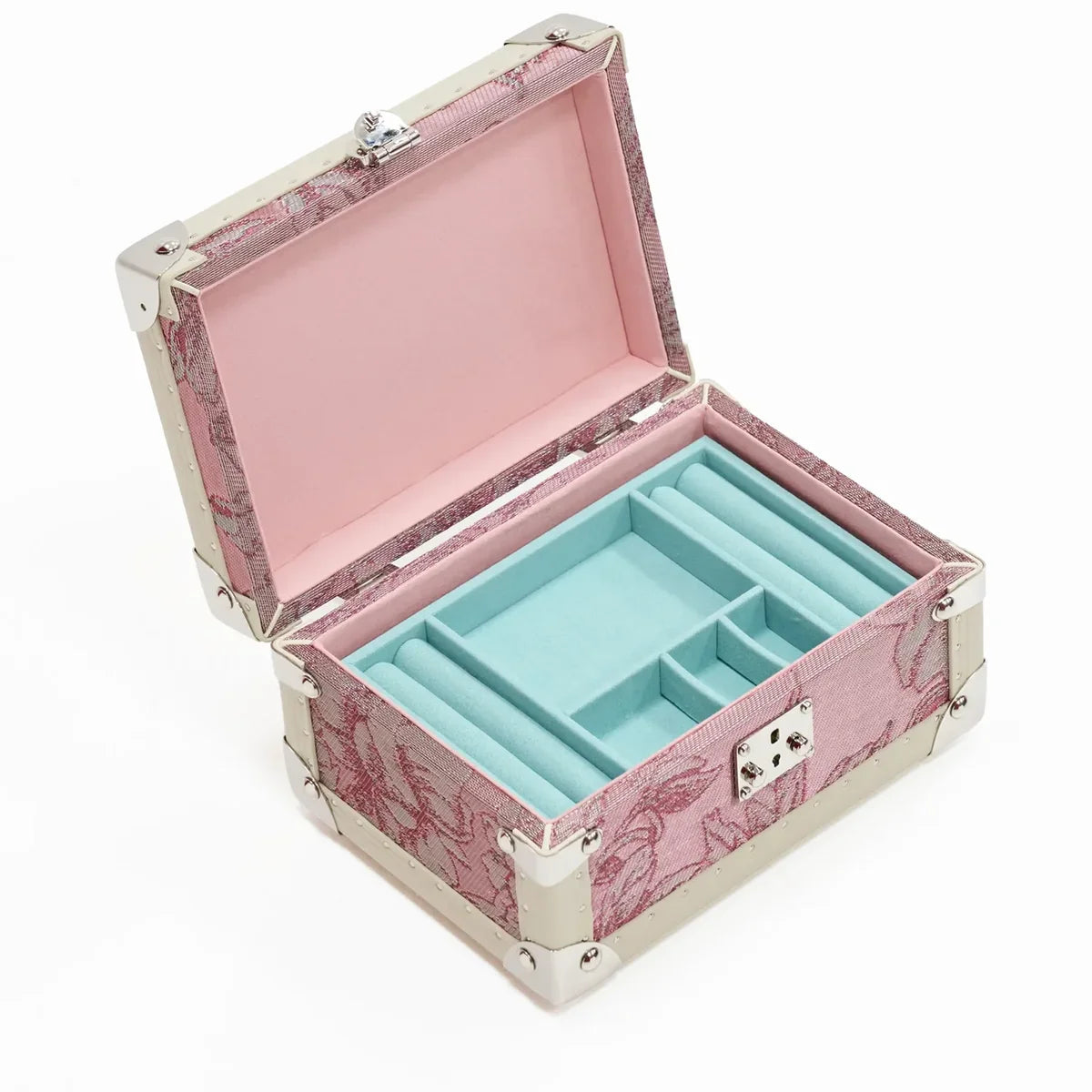
خلال احتفالات ما قبل الزفاف، يتم اختيار أطقم "الشبكة" وارتدائها وعرضها. الحل الأمثل لهذه الفترة هو صندوق شخصي ذو مكانة مرموقة. على سبيل المثال، يتجاوز صندوق المجوهرات "Aurum Loom Jewelry Trunk" مجرد التخزين البسيط. فواجهته المميزة المصنوعة يدويًا من أسلاك النحاس وتركيباته النحاسية الصلبة تقدم المجوهرات بالتقدير الذي تستحقه، بينما يوفر الجزء الداخلي المقسم وضوحًا تنظيميًا.
يضمن هذا النهج سهولة الوصول إلى كل قطعة على الفور للتنسيق دون تركها مكشوفة على طاولة الزينة. إنه يحترم قيمة المجوهرات مع تلبية الاحتياجات العملية لفترة الاحتفال، ويشكل خط الدفاع الأول ضد الفقدان أو التلف العرضي.
للإرث: قدسية التخزين العميق
مجوهرات الذهب العائلية والقطع الأثرية الدقيقة ليست جزءًا من خزانة ملابس الزفاف اليومية. حاجتها الأساسية هي الحفظ طويل الأمد. تخزين هذه الأصول التي لا يمكن تعويضها في صندوق إيداع قياسي أو خزنة منزلية عامة يشكل خطرًا كبيرًا. لا تم تصميم أي منهما لإدارة الرطوبة التي تسبب تشويه سبائك الذهب أو الظروف الجافة التي يمكن أن تلحق الضرر بالأحجار الكريمة.
بالنسبة لهذه العناصر، فإن خزنة المجوهرات الاحترافية أو الخزانة المصممة خصيصًا هي الخيار المسؤول الوحيد. على عكس البدائل المصنعة بكميات كبيرة، فإن القطعة المصممة خصيصًا من دار متخصصة تُبنى حول احتياجات الحفظ المحددة لمجموعتك، مما يضمن إمكانية تمرير الإرث الذي ورثته يومًا ما بحالة لا تشوبها شائبة.
العد التنازلي لأسبوع الزفاف: الموازنة بين الجمال والأمان في الأماكن المختلفة
الحكم الفني: يستخدم بروتوكول أسبوع الزفاف الآمن وحدات تخزين قابلة للتعديل — حقيبة سفر رئيسية متينة مصنوعة من هيكل سلك نحاسي صلب تحتوي على حقائب أصغر ومخصصة لكل مناسبة، يمكن نقلها بسلاسة بين الفيلا والجناح الفندقي وجلسات التصوير، مما يضمن سلسلة الحراسة والحماية من الصدمات البيئية.
إن الأيام الأخيرة قبل حفل الزفاف عبارة عن دوامة لوجستية، وغالبًا ما تتضمن التنقل بين منزل العائلة وجناح العروس في فندق ومواقع التصوير. إن تأمين المجوهرات عالية القيمة خلال هذه التنقلات هو مسألة انضباط احترافي، وليس صدفة. الهدف هو تقليل التعرض في كل خطوة.
تحرير الصور: عرض منسق
في صباح يوم الزفاف، يلتقط المصور تفاصيل استعدادات العروس. بدلاً من مجموعة فوضوية من الصناديق، جهزي صينية عرض واحدة أنيقة أو علبة صغيرة ومخصصة. يجب أن تحتوي هذه الصينية على المجوهرات المخصصة للحفل نفسه فقط.
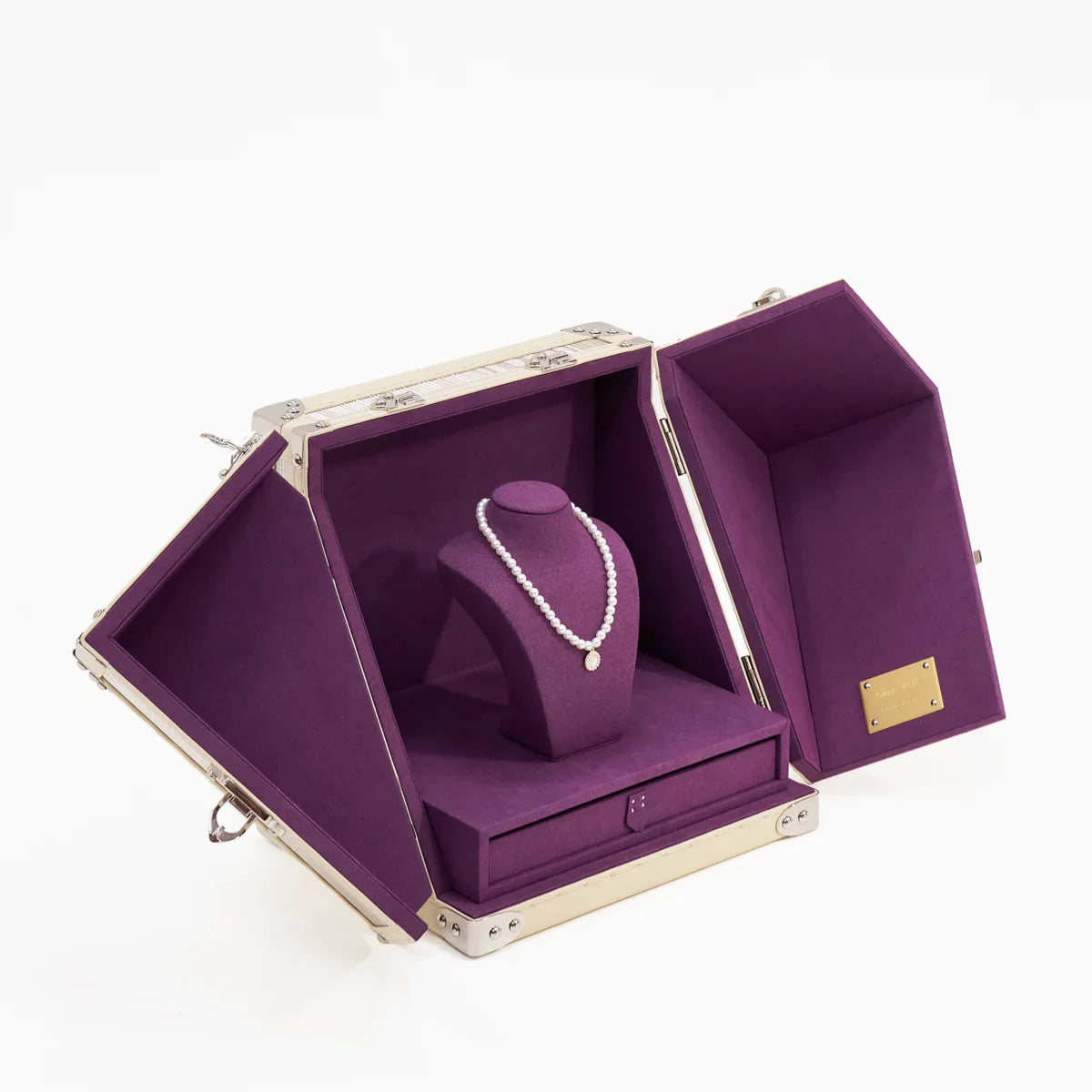
هذا التحرير المنسق لا ينتج فقط صورًا أكثر دقة ومقصودة، بل يخدم أيضًا وظيفة أمنية حاسمة. تظل بقية المجموعة مؤمنة، غير مرئية وغير ملموسة، مما يقلل من خطر سوء التقدير في جناح الاستعدادات المزدحم. توفر البطانة العميقة عالية الجودة من الشمواه المصنوع من الألياف الدقيقة خلفية غنية وجذابة للتصوير الفوتوغرافي مع حماية القطع من التآكل.
بروتوكول النقل: معزول وسري
عند التنقل بين المواقع، يجب نقل المجوهرات في حقيبة سرية ومتينة توفر عزلًا حراريًا. قد تكون صدمة الانتقال من جو مكيف داخلي بدرجة حرارة 22 درجة مئوية إلى حرارة الكويت الخارجية ضارة. حقيبة معزولة ومصممة خصيصًا تحمي المواد الحساسة من هذا الإجهاد.
علاوة على ذلك، يجب أن يسمح النظام بالمرونة. يمكن أن تظل الخزانة الرئيسية في الجناح الفندقي الآمن، بينما تسافر وحدة أصغر ذاتية الاحتواء لمجوهرات الاستقبال مع أحد أفراد العائلة الموثوق بهم. هذا المفهوم، الذي غالبًا ما يرى في صندوق مجوهرات ستاكرز الأساسي، يتم ترقيته في البرامج المخصصة إلى نظام من الحقائب المتشابكة والمؤمنة بشكل فردي المصنوعة من مواد فائقة الجودة.
الدمج بعد الزفاف: تكليف خزانة رئيسية
الخلاصة: يتضمن دمج خزانة مجوهرات دائمة في مسكن جديد تكليف خزنة من منزل متخصص، مع مواصفات تتناسب مع قيمة المجموعة، بما في ذلك الوصول البيومتري، والتحكم في المناخ، والتصميمات الداخلية المضادة للتشويه، وجمالية تكمل هندسة غرفة الملابس الرئيسية.
بمجرد انتهاء احتفالات الزفاف، تتطلب مجموعة العروس الموسعة ملاذاً دائماً ومركزياً. هذه هي اللحظة للانتقال من الحلول المؤقتة إلى أصول تدوم مدى الحياة. إن تكليف خزانة مجوهرات رئيسية أو خزنة هو التعبير الأسمى عن الإشراف، وخلق قطعة فنية عملية تحمي إرث العائلة.
تحديد نطاق المجموعة
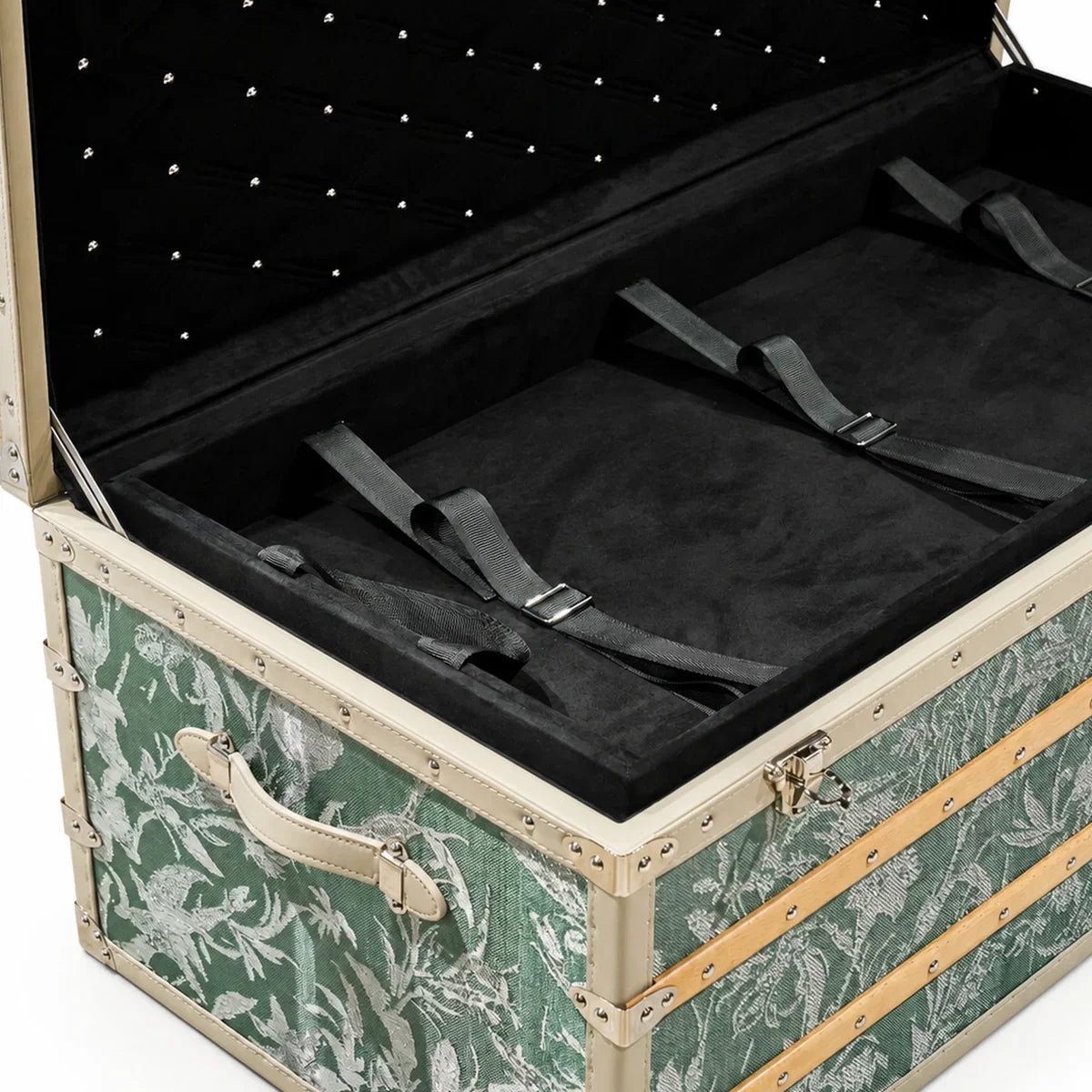
الخطوة الأولى هي جرد شامل. يجب تصميم الخزانة لتناسب المجموعة بأكملها - الشبكة، المجوهرات العائلية، الساعات، والقطع التي لم يتم اقتناؤها بعد. تسمح الاستشارة الخاصة مع أخصائي بتصميم هيكل داخلي مخصص بالكامل، مع أدراج ذات ارتفاعات محددة ومقصورات مصممة خصيصًا للقطع الفردية.
سلامة المواد والتصميم الداخلي
البيئة الداخلية ذات أهمية قصوى. Sirae، كـ دار تكليف، تبني قطعًا يتم تحديد كل مادة فيها من أجل المتانة. وهذا يشمل الشمواه المصنوع من الألياف الدقيقة بجودة الأرشيف والمستقر كيميائيًا، وألواح القشرة الخشبية الصلبة المصقولة يدويًا، وتجهيزات نحاسية صلبة مصممة بدقة لن تتدهور أو تغير لون الأصول على مدى عقود. هذا المستوى من سلامة المواد هو الفارق الأساسي بين صندوق تخزين بسيط وأداة حفظ حقيقية.
عملية التكليف: استشارة خاصة
يجب التعامل مع اختيار خزنة المجوهرات كتكليف قطعة أثاث راقية. تتضمن العملية، التي يتم تنسيقها من صالة عرضنا في دبي على [شارع جميرا بيتش](/blogs/news/an-eid-al-adha-gift-beyond-jewellery-a-heritage-armoire-for-her-collection) للعملاء المميزين في الكويت والإمارات العربية المتحدة ومنطقة الشرق الأوسط وشمال إفريقيا على نطاق أوسع، التعاون بين العميل ومصمم الديكور وحرفيينا. النتيجة النهائية هي دمج سلس في المساحة الخاصة للمنزل - منزل سري وجميل وآمن تمامًا لذكريات تدوم مدى الحياة.
إن رعاية أثمن كنوز العائلة هي مسؤولية تبدأ بنية وتتحقق بدقة.
https://www.siraecasa.com

اترك تعليقًا
This site is protected by hCaptcha and the hCaptcha Privacy Policy and Terms of Service apply.