
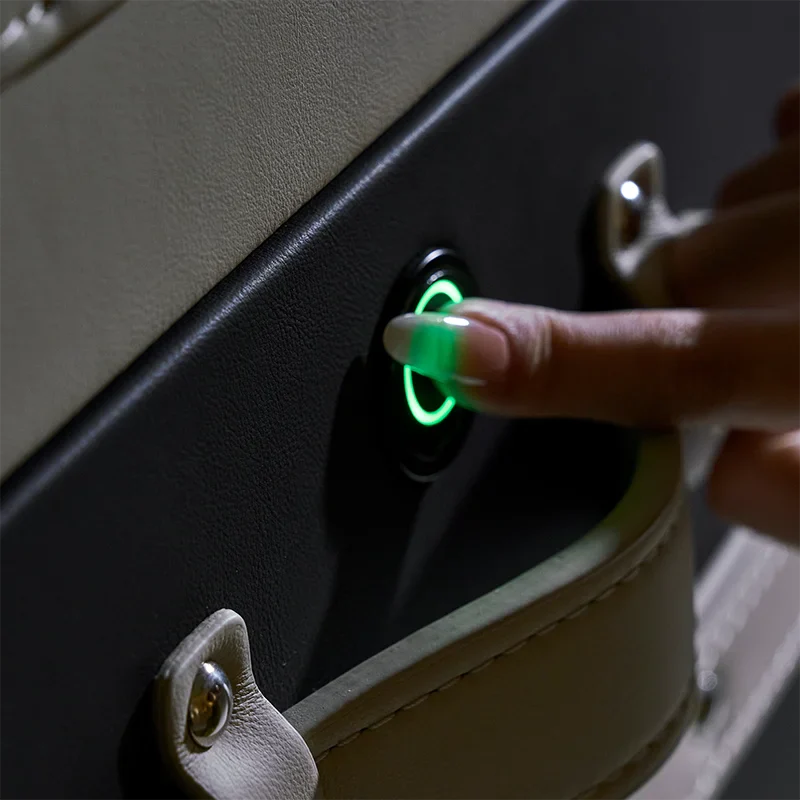
خزنة بيومترية لغرفة نوم الفيلا
في حرم الفيلا الخاصة، تُعدّ مسألة الأمن أمرًا فوريًا وبديهيًا. الخزانة التقليدية، بمفاتيحها التي قد تضيع أو رموزها شبه المنسية، تمثل عائقًا تحديدًا عندما يجب أن يكون الوصول سريعًا وصامتًا. خزنة البصمة الحديثة تتجاوز هذا. فهي توفر وصولًا فوريًا وغير منفصل عن مالكها، وتتكامل بسلاسة مع الطقوس الشخصية للجناح الرئيسي أو غرفة الملابس. إنها تمثل عهدًا جديدًا من الثقة: أمن مطلق، يمكن الوصول إليه بلمسة واحدة مألوفة.
يستكشف هذا الدليل الاعتبارات المتعلقة باختيار خزنة بيومترية تتوافق مع السلامة المعمارية ومتطلبات الخصوصية العميقة للمسكن الراقي.
- لماذا تتطلب غرفة نوم الفيلا الوصول البيومتري
- ما وراء بصمة الإصبع: تقييم الأمن بدرجة المقتنيات
- التنسيق للمجموعة: المجوهرات، الساعات، والوثائق
محلل مواصفات خزائن الفلل
تحديد الميزة الأساسية لمتطلبك الرئيسي. يحدد هذا التركيز الهندسي الذي يتجاوز القفل البسيط.
معيار Sirae
الخلاصة التقنية: تتفوق الخزائن البيومترية المصنعة حسب الطلب كثيرًا على المنتجات المتاحة في السوق الشاملة من خلال الجمع بين أجهزة استشعار بصمات الأصابع السعوية المتفوقة (معدل قراءة >99% في الإضاءة المنخفضة) مع تصميم داخلي مكسو بخشب مخصص وهادئ ومبطّن بالسوفت. وهذا يتناقض بشكل صارخ مع الصناديق الفولاذية القياسية، التي غالبًا ما تستخدم مستشعرات بصرية أقل موثوقية وتفتقر إلى تصنيفات الحماية من الحرائق المعتمدة أو التصميمات الداخلية المناسبة لأكثر الأشياء الثمينة حساسية.
توضح الجداول التالية المواصفات الشائعة الموجودة في منتجات الرفاهية في الكتالوجات والمعايير المرتفعة المطبقة على قطعة Sirae المصنعة حسب الطلب.
الجدول 1: تحليل الخزنة البيومترية للسوق الشامل
| الميزة / النموذج | Mycube Classic | Verifi Smart.Safe S6000 | مجموعة Barska |
|---|---|---|---|
| النوع البيومتري | شاشة لمس + بصمة إصبع | تعتمد على بصمة الإصبع | تختلف؛ عادةً بصرية |
| تصنيف مقاومة الحريق | لا يوجد | لا يوجد | يعتمد على النموذج؛ ليس قياسيًا |
| التشطيب الداخلي | فولاذ مطلي أساسي/لباد | بطانة أساسية | رغوة أساسية أو غير مبطنة |
| القيود الأساسية | لا يوجد حماية من الحريق؛ الحجم الصغير يحد من الاستخدام | لا يوجد حماية من الحريق؛ التركيز الوحيد على القياسات الحيوية | تصميم عام؛ غالبًا ما يفتقر إلى التحسين الجمالي |
الجدول 2: مصفوفة الأعراض والمواصفات (نهج Sirae حسب الطلب)
| العرض المرصود | المواصفات أو الآلية الهندسية | طريقة التحقق |
|---|---|---|
| فشل قراءة بصمة الإصبع في غرفة نوم مظلمة | مستشعر بصمة الإصبع السعوي (أشباه الموصلات) | التحقق من معدل قراءة أولية بنسبة تزيد عن 99% تحت إضاءة محيطة أقل من 10 لوكس |
| تلف المجوهرات بسبب الداخل البارد والصناعي | مبطن يدويًا بالمايكروسويد المقاوم للبهتان أو الألكانترا | شهادة المواد؛ عدم وجود خدوش صغيرة على الأسطح المصقولة بعد التخزين |
| الصندوق الفولاذي القياسي يتعارض مع النجارة الراقية | التكامل المخصص مع القشرة الخشبية المخصصة أو الجلود أو الألواح | موافقة العميل على عينات المواد؛ تأكيد فريق التركيب الخبير لدينا على تركيب النجارة بسلاسة |
تضمن هذه المعايير أن الأمان ليس وظيفيًا فحسب، بل هو عنصر متكامل في تصميم الغرفة وبيئة حماية حقيقية للأصول الموجودة بداخلها.
لماذا تتطلب غرفة نوم الفيلا الوصول البيومتري
الخلاصة: يوفر الوصول البيومتري دخولاً في أقل من ثانية دون مفاتيح أو رموز، مما يضمن الوصول الفوري إلى الأشياء الثمينة أو المستندات في حالات الطوارئ مع منع الوصول العشوائي من قبل موظفي المنزل أو الضيوف - وهو مطلب حيوي في فيلا خاصة.
الميزة الأساسية للخزنة البيومترية في غرفة النوم أو غرفة الملابس هي إزالة الأدوات الوسيطة. لا يوجد مفتاح يمكن فقده أو نسخه. ولا يوجد رمز يمكن ملاحظته أو مشاركته. بالنسبة لمجموعة من الساعات اليومية أو مستندات السفر الأساسية، فإن هذا الوصول السهل يحول عملية الاسترجاع من عمل روتيني إلى تفاعل واحد سلس.
علاوة على ذلك، في مسكن يضم عائلة وموظفين وضيوفًا، فإنه ينشئ حدودًا واضحة وغير قابلة للانتهاك للخصوصية. تستجيب الخزنة فقط للمالك المسجل، مما يضمن أن ما يتم تخزينه داخل الغرفة الأكثر خصوصية في المنزل يظل كذلك بلا شك. يمنح تضمين ميزة القفل التلقائي عند الإغلاق يقينًا هادئًا، مما يؤمن المحتويات دون تفكير ثانٍ.

ما وراء بصمة الإصبع: تقييم الأمن بدرجة المقتنيات
الحكم الفني: يتحدد الأمن الفائق بتقنية المستشعر (التقنية السعوية لأشباه الموصلات مقابل البصرية)، وسُمك اللوح الفولاذي، وتصميم الباب المقاوم للفك، وشمول حماية معتمدة من الحرائق والتلاعب — وهي مقاييس غالبًا ما تتنازل عنها النماذج المتاحة في الكتالوجات.
بينما يركز الاهتمام على مستشعر بصمة الإصبع، فإن التكنولوجيا الكامنة وراءه هي الأهم. تستخدم العديد من الخزائن القياسية مستشعرات بصرية، وهي أساسًا كاميرات صغيرة. يمكن أن تفشل هذه في الإضاءة الخافتة لغرفة النوم وقد تربكها الملوثات السطحية على الإصبع. طريقة أفضل لصياغة هذا هي أنها لا تقرأك أنت، بل صورة لك. التثبيت بدرجة المقتنيات يصر على مستشعر أشباه الموصلات، أو السعوي، الذي يقرأ الخصائص الكهربائية الدقيقة للطبقة تحت الجلدية. هذه التقنية أسرع، وأكثر موثوقية في الظلام بكثير، وهي المعيار لتطبيقات الأمان العالية.
ما وراء القفل، يجب على المرء أن يأخذ في الاعتبار السلامة الفيزيائية للحاوية نفسها.
- المواد والبناء: انظر أبعد من مواصفات الفولاذ البسيطة لفهم مقاومة الفك، وسُمك الباب، وجودة عمل المزلاج.
- الحماية المعتمدة: يجب أن توفر الخزنة الحقيقية تصنيفًا معتمدًا لمقاومة الحريق. العديد من "صناديق الأمان" الجمالية، مثل Mycube Classic و Verifi Smart.Safe S6000، توفر راحة بيومترية ولكن لا توفر حماية مؤكدة ضد الحريق. هذه نقطة ضعف حرجة للمستندات غير القابلة للاستبدال مثل جوازات السفر أو صكوك الملكية.
- أنظمة التنبيه: تتضمن الأنظمة المتطورة تحذيرات التلاعب التي يمكنها تنبيه صاحب المنزل أو فريق الأمن بصمت إلى محاولات الوصول غير المصرح بها، وهي ميزة غالبًا ما تكون غائبة عن العلامات التجارية العامة مثل Barska، التي تركز سوقها الأساسي على الجانب الوظيفي، وليس السكن الراقي.
نظرة الخبراء: للحفاظ على المجوهرات الراقية، يعتبر مناخ الخزنة ومادة البطانة الداخلية بنفس أهمية قفلها. يمكن أن يؤدي انبعاث الغازات من المواد اللاصقة الشائعة والأقمشة المتفاعلة إلى تسريع تآكل المعادن الثمينة بمرور الوقت. — مختبر سيراي للحفظ.
تنسيق للمجموعة: المجوهرات، الساعات، والوثائق
الخلاصة: تُصمم الخزنة المخصصة من الداخل إلى الخارج، مع مقصورات مصممة حسب الطلب، وبطانات مقاومة للتلف، وإضاءة مدمجة مهيأة لأصول محددة - من الساعات وجوازات السفر إلى المجوهرات التراثية - على عكس الفراغات العامة الفارغة في النماذج الجاهزة.
بالنسبة للجامع المميز، الخزنة ليست مجرد حاوية بل مستودع مصمم حسب الطلب. فالتصميم الداخلي القياسي للخزنة، الذي يناسب الجميع، غير كافٍ تمامًا لحماية مجموعة منسقة. يمكن أن يؤدي تكديس الساعات الدقيقة إلى الخدوش، بينما يمكن أن تتشابك المجوهرات الفاخرة أو تتآكل ضد المعدن الصلب غير المتسامح أو البطانة اللبادية منخفضة الجودة. هذا هو أكبر عيب في نهج السوق الشامل للرفاهية: التركيز الكلي على القفل، مع القليل من الاهتمام لما هو مكلف بحمايته.

التصميم لأصول محددة
يعالج الحل المخصص الحاجة إلى خزنة في خزانة ملابس أو جناح رئيسي من خلال تكييف التصميم الداخلي ليتناسب تمامًا مع محتويات المجموعة.
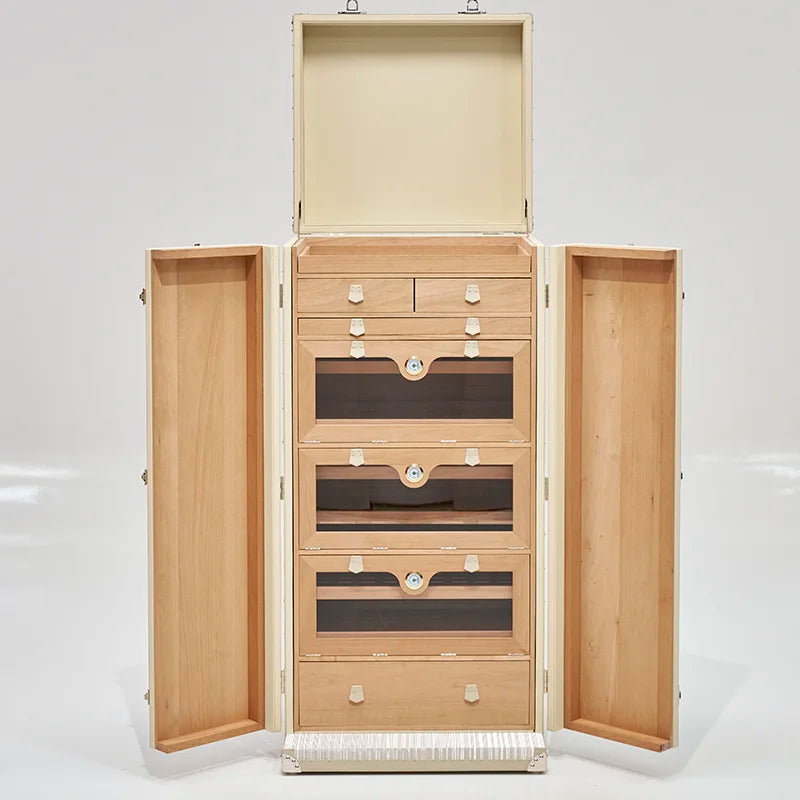
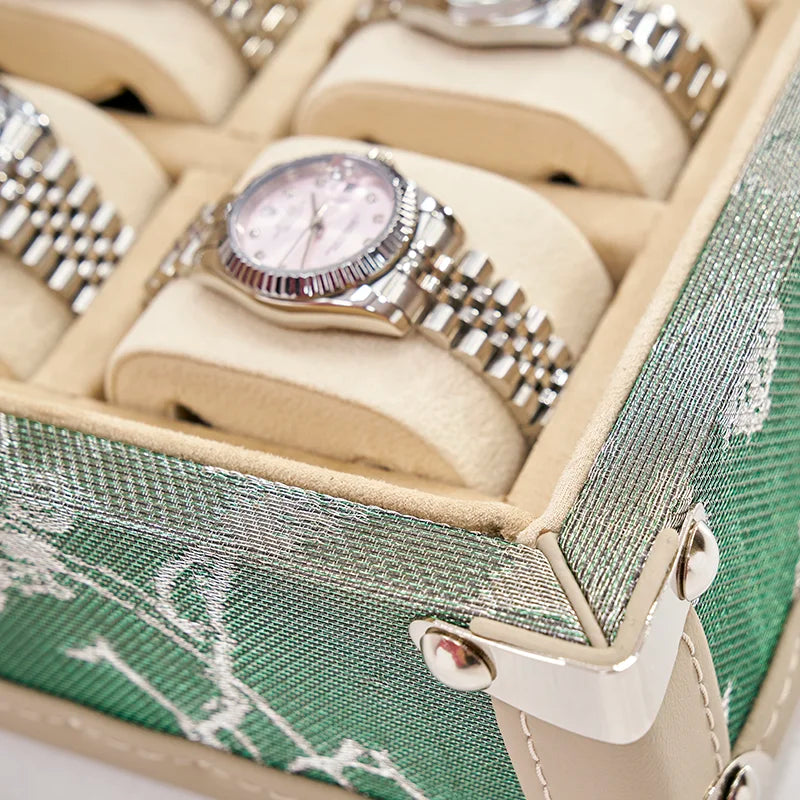
- للساعات والوثائق: يمكن دمج تصميم ذي عمق ضحل، مثل تركيب درج سري مثل خزنة الطبقة الأولى (560 × 335 × 195 ملم)، بسلاسة في الخزائن. ويوفر وصولاً فوريًا ومنظمًا إلى الساعات وجوازات السفر، وكلها تستقر على مواد تمنع الخدوش الدقيقة.
- للمجوهرات والمقتنيات الثمينة: قطعة أكبر، مثل خزانة السرير الدوارة الملكية الأرجوانية (750 × 460 × 590 ملم)، تدمج أمان الخزنة البيومترية داخل الأثاث الفاخر. يمكن تقسيم تصميمها الداخلي بأدراج وصواني ووسائد مخصصة، وكلها تكشف عنها الإضاءة الناعمة لإضاءة LED الداخلية.
- سلامة المواد: يُعد اختيار البطانة الداخلية قرارًا تقنيًا بالغ الأهمية. تستخدم Sirae مواد مثل الألكانتارا والمايكروسويد المقاوم للتلف، مما يضمن أن بيئة التخزين خاملة كيميائيًا وواقية ماديًا، مما يحافظ على الحالة الأصلية للأصول التراثية للأجيال القادمة.
يضمن هذا النهج أن الخزنة ليست مجرد فكرة لاحقة، بل مكون أساسي في هندسة الغرفة ووصي مخصص على أغلى ممتلكات المالك.
لاستكشاف برنامج أمني بيومتري مصمم خصيصًا ليناسب المناخ الفريد ومتطلبات الخصوصية في المنطقة، ندعوكم لترتيب استشارة خاصة في صالة عرضنا بدبي. يتوفر خبراؤنا لعرض كيف يدمج العمل المخصص أحدث التقنيات الأمنية مع الحرفية الخالدة. يرجى زيارتنا في الطابق الأول من مجمع الشفار على طريق شاطئ جميرا، أم سقيم 1، دبي. لتحديد موعدكم، يرجى الاتصال بخط كبار الشخصيات لدينا على +971 55 886 6180 أو إرسال بريد إلكتروني إلى info@siraecasa.com. يمكن العثور على مزيد من التفاصيل حول فلسفتنا على https://www.siraecasa.com.

اترك تعليقًا
This site is protected by hCaptcha and the hCaptcha Privacy Policy and Terms of Service apply.