
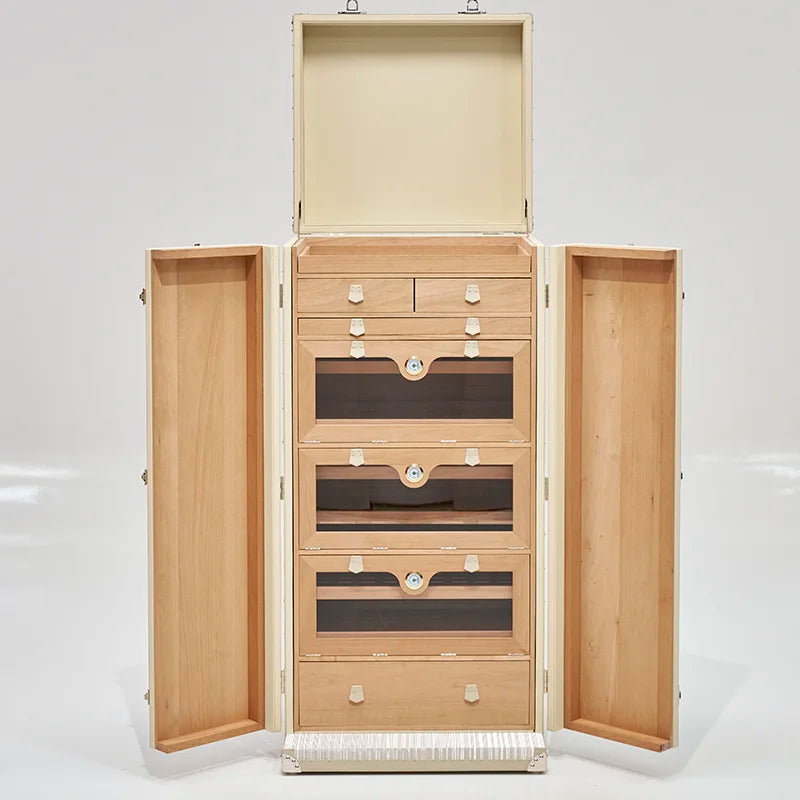
جهاز ترطيب سيجار للسفر-طائرة خاصة
إن متعة تدخين سيجار فاخر هي مرساة للاتزان في حياة دائمة الحركة. وبالنسبة للفرد المميز الذي يسافر بطائرة خاصة، يجب أن تظل لحظة التأمل هذه دون مساس. ومع ذلك، يمثل الطيران على ارتفاعات عالية تحديات بيئية فريدة. إن علبة السفر القياسية ببساطة غير كافية؛ فمقصورة طائرة غلف ستريم أو بومباردييه هي بيئة دقيقة ومتطلبة، تتطلب نهجًا متخصصًا للحفظ. وهذا يضمن وصول سيجار كوهيبا أو بارتغاس الثمين إلى وجهته في حالة ممتازة، بزيوتها سليمة، وجاهزة للاستمتاع بها.
يتناول هذا الدليل المتطلبات المحددة لتكييف السيجار في الأجواء النادرة للطائرة الخاصة، متجاوزًا الحكمة التقليدية لاستكشاف المواد والآليات وفن التكامل السلس لهواة الجمع الجادين.
- معيار Sirae: تكييف السيجار في الطيران الخاص
- صالة السيجار الخاصة على ارتفاع 40 ألف قدم: ضرورة وجود مرطب سفر مخصص
- ما وراء التقليد: المواد والأمان لمقصورة الطائرة الخاصة
- التكامل السلس: فن الاختيار والتخزين
معيار Sirae: تكييف السيجار في الطيران الخاص
الحكم الفني: يتركز التهديدان الرئيسيان على السيجار أثناء السفر الجوي الخاص في نقطتين: الانخفاض السريع في الرطوبة النسبية (RH) وتقلبات الضغط الجوي. فكلاهما يمكن أن يتسببا في تشقق غطاء السيجار بشكل كارثي وفقدان الزيوت بشكل لا رجعة فيه. لذا، فإن مرطب الطيران ذو الدرجة العالية ليس رفاهية بل ضرورة، فهو يوفر إغلاقًا محكمًا ونظام ترطيب مخففًا يقاوم هذه التغيرات البيئية المفاجئة.
فهم ديناميكيات هواء المقصورة
إن الهواء داخل مقصورة الطائرة المضغوطة على ارتفاعات الرحلات الجوية جاف للغاية. وغالبًا ما ينخفض إلى أقل من 20% رطوبة نسبية. وبالنسبة للسيجار—الذي يتميز بكونه ممتصًا للرطوبة بشكل طبيعي، مما يعني أنه يمتص الرطوبة ويطلقها بسهولة—فإن هذه البيئة عدائية للغاية. وبدون حماية مطلقة، ستفقد ورقة الغلاف الرقيقة الحريرية زيوتها الأساسية ومرونتها. وتصبح هشة، تقريبًا ورقية، وعرضة للتفكك. الهدف، إذن، ليس مجرد التخزين. بل هو عزل المجموعة داخل بيئة دقيقة مستقرة تمامًا.
دور سلامة المواد
يعد اختيار المواد أمرًا بالغ الأهمية في الحفاظ على هذا العزل. يشكل الغلاف الخارجي المتين خط الدفاع الأول، حيث يحمي من الصدمات الواضحة للاضطرابات الجوية والآثار الدقيقة لتغيرات الضغط. داخليًا، يجب أن يعمل البطانة في تناغم هادئ مع مصدر الترطيب. الخيار التقليدي والصحيح هو خشب الأرز الإسباني. فحبوبه المسامية العطرية تخدم غرضين. فهي تخفف الرطوبة، حيث تمتص الرطوبة وتطلقها ببطء لمنع التقلبات الحادة، وتضفي رائحة خفيفة ومكملة—حلاوة خفيفة تعزز طابع التبغ المعتق دون أن تطغى عليه أبدًا.
الترطيب النشط مقابل السلبي
للسفر الجوي، توفر الأنظمة السلبية موثوقية فائقة وثابتة. فبينما لأجهزة الترطيب الإلكترونية مكانها على الأرض، يوفر نظام يعتمد على محلول مسبق التكييف—مثل عبوات Boveda للرطوبة ثنائية الاتجاه—أداءً لا يفشل في الجو. هذه العبوات مصممة بدقة للحفاظ على نسبة رطوبة نسبية محددة. فهي تمتص الرطوبة الزائدة تلقائيًا أو تطلقها حسب الحاجة، مما يخلق حاجزًا حرجًا ضد جفاف المقصورة القاسي، كل ذلك دون الحاجة إلى طاقة أو إحداث اهتزازات مزعجة.
✍️ رؤية الخبراء: على ارتفاع 41,000 قدم، يمكن أن ينخفض الضغط الجوي المحيط إلى ما يقارب 2.6 رطل لكل بوصة مربعة، بينما يتم ضغط المقصورة إلى ما يعادل 6,000-8,000 قدم. هذا الفرق في الضغط يضع ضغطًا هائلاً على أختام المرطب؛ حتى فشل جزء بسيط من المليمتر يمكن أن يعرض الجو الداخلي للخطر في غضون دقائق. —— مختبر Sirae للحفظ.
صالة السيجار الخاصة على ارتفاع 40 ألف قدم: ضرورة وجود مرطب سفر مخصص
الخلاصة: مرطب السفر للطائرة الخاصة هو أداة حفظ هندسية، وليس مجرد إكسسوار للسفر. وهو مصمم لأداء ثلاث وظائف حاسمة: مواجهة الرطوبة المحيطة المنخفضة، والحماية من فشل الختم الناتج عن الضغط، والتخفيف من خطر الصدمات الفيزيائية أثناء الرحلة.
إن الانتقال من مرطب يتم التحكم فيه بشكل مثالي في فيلا دبي إلى مقصورة طائرة نفاثة بعيدة المدى يقدم مجموعة من المتغيرات البيئية التي يمكن أن تدمر مجموعة قيمة في غضون ساعات. علب السفر القياسية، التي غالبًا ما تُصمم مع الأخذ في الاعتبار النقل على مستوى الأرض فقط، تفتقر ببساطة إلى المواصفات الفنية اللازمة للأداء الموثوق به في ظل هذه الظروف. إنها مصممة للراحة. وليست مصممة للمتطلبات الصارمة للحفظ على ارتفاعات عالية.
الشرط الأساسي هو وجود ختم محكم للهواء؛ هذا غير قابل للتفاوض. يمنع نظام حشية عالي الأداء، وهو النوع الذي يوجد غالبًا في علب المعدات الاحترافية، الهواء الجاف في المقصورة من سحب الرطوبة الثمينة من السيجار. وهذا يضمن أن المناخ الداخلي — الذي تتم إدارته بدقة بواسطة خشب الأرز الإسباني ومصدر الترطيب — يظل مستقلاً تمامًا عن البيئة الخارجية العدائية طوال مدة الرحلة، سواء كانت من الرياض إلى لندن أو عبر المحيط الهادئ.
علاوة على ذلك، فإن البنية الدقيقة لسيجار فاخر عرضة بشكل استثنائي للصدمات الفيزيائية. يمكن أن تتسبب الاضطرابات المفاجئة أو التعامل غير المبالي في تشقق غلاف السيجار الدقيق أو تلف قاعدته. يتميز مرطب الطيران المصمم خصيصًا بتصميم داخلي مبطن أو منحوت. تم تشكيل كل تجويف بشكل مثالي، ويحتوي كل سيجار على حدة لمنع الحركة وامتصاص الاهتزازات، وبالتالي الحفاظ على سلامته الهيكلية الخالية من العيوب.
ما وراء التقليد: المواد والأمان لمقصورة الطائرة الخاصة
الحكم الفني: اختيار المواد لمرطب الطائرة الخاصة هو توازن دقيق بين الصلابة الهيكلية والتكامل الجمالي. يوفر الغطاء الخارجي المصنوع من ألياف الكربون أعلى نسبة قوة إلى وزن، مما يوفر مقاومة لا مثيل لها للصدمات والضغط. على النقيض من ذلك، يتيح الغطاء الخارجي الجلدي المصمم خصيصًا التوافق السلس مع الديكورات الداخلية للمقصورة، شريطة أن يتم بناؤه على إطار مقاوم للكسر حقًا.
دراسة في أداء المواد: ألياف الكربون مقابل الجلد
عند النظر في المادة المثلى لرحلة عبر المحيط على متن طائرة مثل غلف ستريم G650، يصبح الاختيار بين ألياف الكربون والجلد الفاخر محادثة حول الأولويات. إن الغطاء الخارجي المصنوع من ألياف الكربون هو، من وجهة نظر هندسية بحتة، الخيار الأمثل للمرونة. لا، هذا تبسيط مبالغ فيه. إنه الخيار غير المساوم. فبنيته الجزيئية توفر صلابة استثنائية، مما يضمن عدم تشوه المرطب تحت فروق ضغط المقصورة، ويوفر حماية فائقة ضد الصدمات العرضية.
على النقيض من ذلك، فإن الغطاء الخارجي الجلدي عالي الجودة هو تعبير جمالي. فهو يسمح بطلب قطعة تتوافق تمامًا مع لوحة الألوان والأنسجة المحددة لمقصورة الطائرة—حيث يتردد صدى حبيبات الجلد الرقيقة في القشرة الخشبية المصقولة. ولكي يكون ذلك ممكنًا، يجب أن يُطبق الجلد على هيكل داخلي غير مرن. فبدون هذا الأساس الهيكلي، يكون الغلاف الجلدي مجرد زينة ولا يوفر حماية كافية. بالنسبة للجامع الجاد، غالبًا ما يكون الحل الأمثل هو بناء هجين: إطار داخلي مقاوم للكسر مغلف بغلاف خارجي جلدي مخيط يدويًا.
السرية والتحكم: دور المقاييس الحيوية
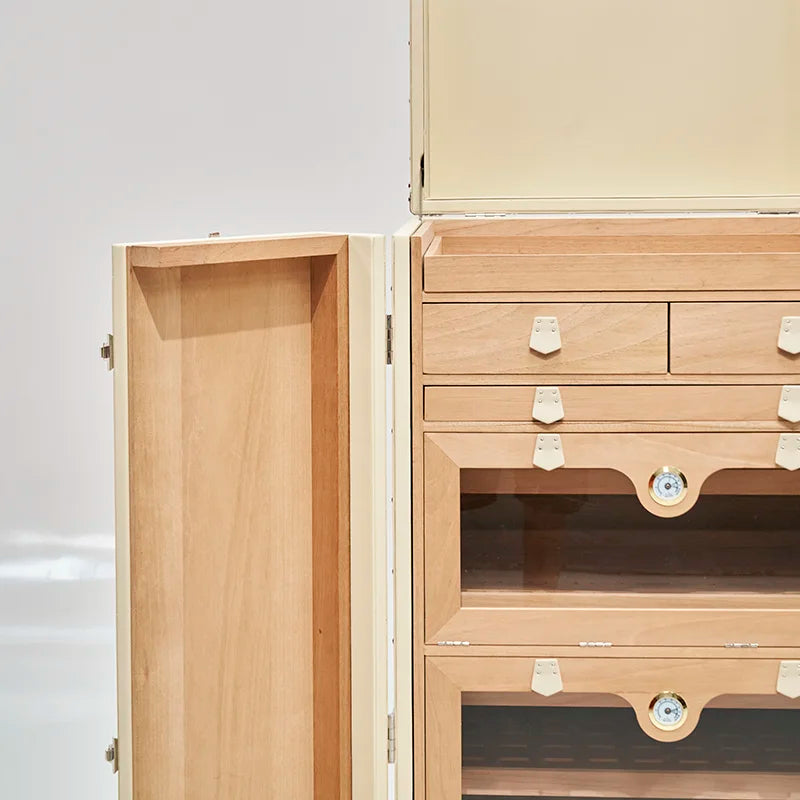
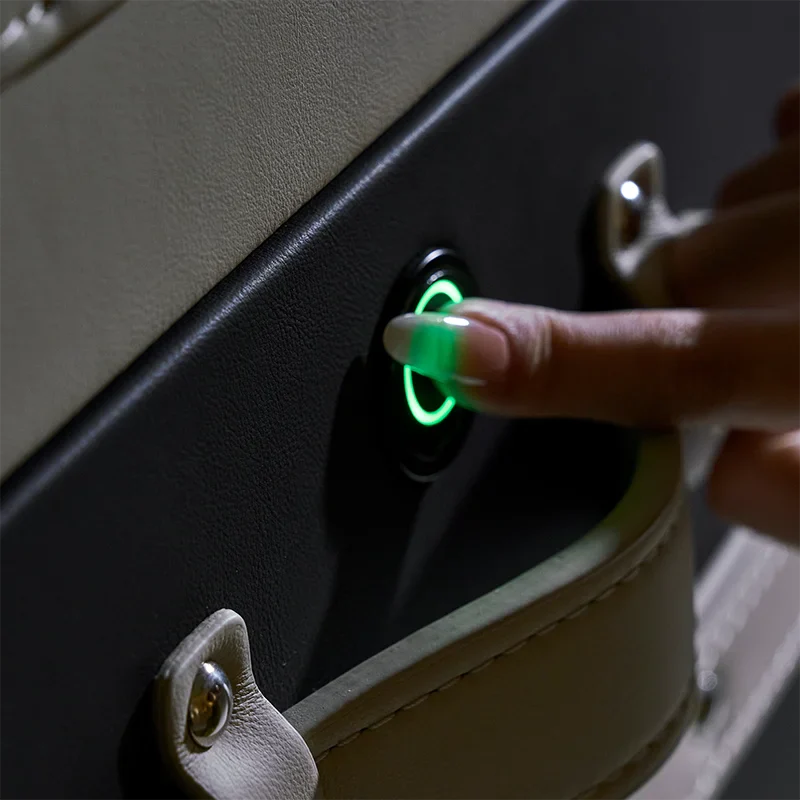
بالنسبة لمجموعة من السيجار العتيق ذي القيمة العالية، يعد الأمن مصدر قلق مشروع. توفر الحقيبة المزودة بقفل أمان بيومتري مستوى من الأمان الشخصي لا يمكن أن يضاهيه مفتاح بسيط أو مجموعة. تضمن هذه التقنية، مثل لوحة المفاتيح التي تعمل باللمس الموجودة في Vaultek LifePod، أن المالك فقط هو من يمكنه الوصول إلى المحتويات. توفر راحة بال أساسية، وتحول المرطب من مجرد حاوية إلى خزنة شخصية. إنها تحمي الأصول ذات القيمة الكبيرة، سواء على متن الطائرة أو في جناح فندقي عند الوصول. يوفر مقياس الرطوبة المدمج الطبقة الأخيرة من التحكم، مما يتيح تأكيدًا مرئيًا سريعًا وواثقًا بأن المناخ الداخلي يظل مستقرًا، دون الحاجة إلى كسر الختم أبدًا.
التكامل السلس: فن الاختيار والتخزين
الخلاصة: يجب أن يبدو المرطب عالي الجودة وكأنه امتداد عضوي لتجربة السفر الخاصة. يجب أن تتطابق تشطيباته المصممة خصيصًا مع التصميم الداخلي للمقصورة، ويجب أن يتم تكييفه قبل الرحلة بدقة مع مناخ الوجهة.
المعيار النهائي لمرطب السفر الاستثنائي حقًا هو قدرته على الاندماج بسلاسة في الرحلة نفسها. تتجاوز هذه الجودة الأداء الفني لتشمل حضوره الجمالي والتعامل العملي. يمكن للحرفيين الرائدين تكليف علب بقشور وجلود وتصنيع معدني تتطابق بدقة مع الجزء الداخلي لطائرة معينة، مثل بومباردييه جلوبال 7500. ثم يبدو المنتج جزءًا لا يتجزأ من بنية المقصورة، وليس مجرد حقيبة مؤقتة.
يعد إعداد المرطب لرحلة معينة خطوة أخيرة حاسمة. على سبيل المثال، لرحلة من جنيف إلى دبي، يجب أن يأخذ المرء في الاعتبار التحول الدرامي من مناخ أوروبي معتدل إلى حرارة الشرق الأوسط القاحلة. من الحكمة تكييف المرطب بعبوة Boveda ذات رطوبة نسبية أعلى قليلاً—ربما 72% بدلاً من 69% المعتادة—في غضون 24 ساعة قبل المغادرة. يضمن هذا الإجراء الوقائي أن تكون السيجار مشبعة تمامًا ويخلق حاجزًا حيويًا للرطوبة، مما يعدها لتحمل هواء الصحراء الجاف عند الوصول دون أي مساومة. يعد الالتزام بمعايير رحلات إدارة أمن المواصلات (TSA) أمرًا مفروغًا منه. ومع ذلك، بالنسبة للمسافر الخاص، فإن معايير الحفظ والأسلوب الشخصي ذات أهمية أكبر بكثير.
يكمن الفن في البصيرة. إنه ممارسة التنبؤ بالضغوط البيئية للرحلة وإعداد المجموعة وفقًا لذلك. يضمن هذا الانضباط إمكانية الاستمتاع بمتعة السيجار المحفوظ بشكل مثالي في أي مكان في العالم—رفاهية شخصية ثابتة في حياة بلا حدود.
إن انضباط المقتني في نهاية المطاف لا يُعرف بالأصول التي يقتنيها، بل بالصرامة التي يحافظ بها على تلك الأصول، مما يضمن أن الزمن يعزز، بدلاً من أن يقلل، من قيمتها الجوهرية.

اترك تعليقًا
This site is protected by hCaptcha and the hCaptcha Privacy Policy and Terms of Service apply.