
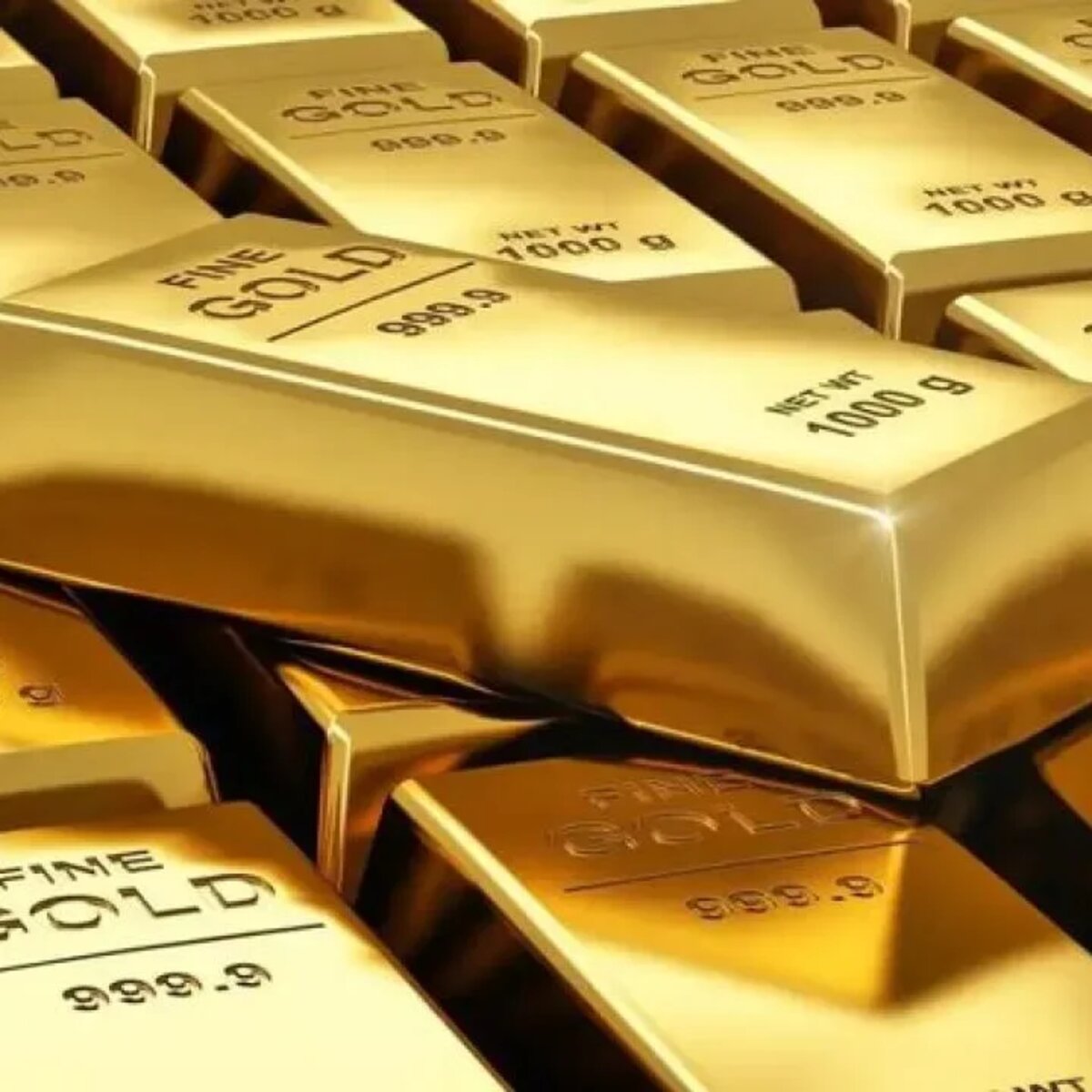
شراء الذهب في دبي: تكلفة المصنعية، ضريبة القيمة المضافة، الدمغات وكيفية تخزينه بأمان (2026)
شراء الذهب في دبي: تكاليف الصنع، ضريبة القيمة المضافة، الدمغات وكيفية تخزينه بأمان
يعد شراء الذهب في دبي أرخص بكثير من أي مكان آخر تقريباً - لكن التوفير نادراً ما يأتي من الذهب نفسه. فالمعدن يتبع نفس السعر الفوري العالمي في جميع أنحاء العالم؛ ما يميز دبي هو ثقافة تكاليف الصنع المنخفضة، ونظام ضريبة القيمة المضافة الذي يعفي السبائك الاستثمارية من الضريبة، ونظام الدمغة الذي يزيل معظم التخمينات حول النقاوة. الخطأ الذي يرتكبه معظم المشترين هو التركيز على سعر الغرام الواحد بينما يتجاهلون الأرقام الثلاثة التي تحدد ما يدفعونه فعلياً - ثم تخزين شراء الذهب الثمين في درج غرفة النوم. يشرح هذا الدليل كيفية بناء السعر، وكيف تعمل ضريبة القيمة المضافة على السبائك مقابل المجوهرات، وكيفية التحقق من النقاوة، وبمجرد أن يصبح ملكك - كيفية الحفاظ عليه بأمان في مناخ الخليج.
لماذا الذهب أرخص حقاً في دبي؟
إجابة سريعة: الذهب أرخص في دبي ليس لأن تكلفة المعدن أقل - فالسعر الفوري عالمي - ولكن لأن هوامش التجزئة، وتكاليف الصنع، ومعاملة ضريبة القيمة المضافة كلها تعمل لصالح المشتري. السبائك الاستثمارية (نقاوة 99% وما فوق) معفاة من ضريبة القيمة المضافة، وتكاليف الصنع على المجوهرات منخفضة وقابلة للتفاوض علناً، وكثافة تجار التجزئة العالية في سوق الذهب تحافظ على أقساط التأمين قريبة من المعيار الدولي.
يُعد سوق الذهب في دبي أحد أكثر الأسواق تنافسية في العالم. يضم سوق الذهب في ديرة وحده أكثر من 300 تاجر تجزئة داخل بضعة ممرات متصلة، وتخدم هذه الكثافة المشتري: مع وجود العديد من المتاجر التي تبيع نفس المعدن، لا يمكن لأحد أن يحافظ على سعر مرتفع جداً فوق سعر اليوم الفوري. في معظم الأسواق الغربية، تدفع سعراً إضافياً للبيع بالتجزئة مخفياً في سعر البطاقة. في دبي، يتم تحديد قيمة الذهب فعلياً بالسعر الحي، والرقم الوحيد القابل للتغيير حقاً هو تكلفة التصنيع - التي سيقدمها البائع، وغالباً ما يقدم خصماً عليها، عند الطلب.
الميزة الثانية هي المالية. فمنذ أن أدخلت الإمارات ضريبة القيمة المضافة بنسبة 5% في عام 2018، تم إعفاء الذهب الاستثماري - السبائك والقضبان والعملات المعدنية التي لا تقل نقاوته عن 99%، وذات شكل قابل للتداول في أسواق السبائك العالمية - من الضريبة بدلاً من فرضها. يتم التعامل مع المجوهرات بشكل مختلف (المزيد حول ذلك أدناه)، ولكن المبدأ لا يزال قائماً: تضع الإمارات نفسها عمداً كمركز للسبائك، ويعكس الإطار الضريبي ذلك.
يرجى ملاحظة: يمكن أن تتغير معدلات ضريبة القيمة المضافة، وآلية الاحتساب العكسي وقواعد الدمغ. يرجى دائماً تأكيد المعاملة الحالية لضريبة القيمة المضافة مع الهيئة الاتحادية للضرائب في الإمارات العربية المتحدة على tax.gov.ae ومعايير الدمغة الحالية مع مختبر دبي المركزي قبل أي عملية شراء مهمة.
كيف يتحدد السعر: السعر الفوري، العيار، وتكاليف الصنع
الخلاصة: كل سعر ذهب في دبي هو مجموع ثلاثة مكونات - السعر الفوري المباشر للغرام الواحد للعيار المختار، وتكلفة الصنع (رسوم التصنيع)، وضريبة القيمة المضافة حيثما تنطبق. رقم السعر الفوري حسب العيار هو نفسه في كل متجر موثوق به في أي يوم معين؛ تكلفة الصنع هي حيث تتفاوض، وحيث تكمن المدخرات الحقيقية لدبي.
السعر الرئيسي الذي تراه على لوحة عرض الجواهرجي الرقمية هو سعر الغرام، ويُحدد بشكل منفصل لكل قيراط. يقيس القيراط (أو العيار، ويكتب K) النقاء - نسبة الذهب الخالص في السبيكة. يعني القيراط الأعلى معدنًا أكثر ليونة، وأكثر إشراقًا، وأكثر قيمة؛ بينما يعني القيراط الأقل قطعة أكثر صلابة وقابلية للارتداء. المستويات الأربعة التي ستصادفها في دبي هي كالتالي:
| العيار | النقاء | ختم الدمغة | الاستخدام النموذجي |
|---|---|---|---|
| 24 قيراط | 99.9% نقاء | 999 | قضبان السبائك، العملات المعدنية، الذهب الاستثماري؛ طري جداً للمجوهرات اليومية |
| 22 قيراط | 91.6% نقاء | 916 | المعيار الخليجي والآسيوي الجنوبي لأطقم العرائس، الأساور، والسلاسل |
| 21 قيراط | 87.5% نقاء | 875 | شائع في العالم العربي للمجوهرات عالية المحتوى والقابلة للارتداء |
| 18 قيراط | 75.0% نقاء | 750 | ترصيع الماس والأحجار الكريمة، قطع المصممين العصرية والعلامات التجارية |
بالإضافة إلى قيمة المعدن، هناك رسوم الصنع - وهي الرسوم المطلوبة لتحويل الذهب الخام إلى قطعة جاهزة. تُحدّد هذه الرسوم بطريقتين: مبلغ ثابت لكل جرام، أو نسبة مئوية من قيمة الذهب، وعادة ما تتراوح بين 5-15% اعتمادًا على ما إذا كانت القطعة مصنوعة آليًا أو يدوية الصنع، ومدى تعقيدها. تحمل الأساور البسيطة والسلاسل المصممة على طراز السبائك أقل رسوم صنع؛ بينما تحمل القطع المزخرفة بدقة، أو ذات الطراز العتيق، أو القطع التي تتطلب الكثير من العمل أعلى رسوم. نظرًا لأن هذا هو المكون القابل للتفاوض، اطلب دائمًا رسوم الصنع كبند منفصل، وليس كمجموع واحد مدمج. إليك مثال يوضح البنية:
| المكون | مثال (سلسلة 22K، 20 جرام) | قابل للتفاوض؟ | ملاحظات |
|---|---|---|---|
| قيمة الذهب | 20 جرام × سعر 22K المباشر | لا | ثابت حسب سعر اليوم الفوري؛ متطابق في جميع المتاجر |
| أجر الصنع | حوالي 8-12% من قيمة الذهب | نعم | ثابت لكل جرام أو نسبة مئوية؛ اطلبه كبند منفصل |
| ضريبة القيمة المضافة 5% | على إجمالي الفاتورة | لا | تنطبق على المجوهرات؛ قابلة للاسترداد للسياح المؤهلين |
| الإجمالي | مجموع ما سبق | — | قارن المتاجر بناءً على أجر الصنع، وليس اللوحة السعرية لكل جرام |
النظام بسيط: يمكن لمتجرين يعرضان نفس السعر للغرام الواحد أن يختلفا بهامش كبير بمجرد مقارنة رسوم التصنيع، لذا فإن لوحة السعر للغرام هي نقطة البداية، وليست النقطة الحاسمة.
ضريبة القيمة المضافة على السبائك مقابل المجوهرات - واسترداد السياح
الحكم الفني: الذهب الاستثماري بنقاوة 99% أو أعلى معفى من ضريبة القيمة المضافة في الإمارات، لذا فإن السبائك الأصلية لا تخضع لضريبة المستهلك عند نقطة البيع. أما المجوهرات الذهبية، على النقيض من ذلك، فتخضع لضريبة القيمة المضافة بنسبة 5%، تُفرض على الفاتورة بالكامل - قيمة الذهب بالإضافة إلى تكلفة الصنع. يمكن للسياح استرداد معظم ضريبة القيمة المضافة على مشتريات المجوهرات المؤهلة في المطار؛ ولا يمكن للمقيمين في الإمارات القيام بذلك.
هذا هو التمييز الذي يربك معظم المشترين، لذا من الجدير توضيحه بدقة. إذا اشتريت قضيبًا مصبوبًا بوزن 100 جرام من الذهب عيار 999 من نوع السبائك، فهذا ذهب استثماري ومعفى من الضريبة - لا تضاف نسبة 5٪. أما إذا اشتريت طقم زفاف عيار 22 قيراط، فهذه مجوهرات، وتطبق عليها ضريبة القيمة المضافة بنسبة 5٪ على الفاتورة بالكامل، بما في ذلك رسوم الصنع. بين شركتين مسجلتين بضريبة القيمة المضافة، يمكن أيضًا نقل الذهب المؤهل بموجب آلية الاحتساب العكسي، حيث يقوم المشتري بدلاً من البائع بحساب ضريبة القيمة المضافة في إقراره الخاص - وهو أمر مهم للتجار، وليس للمشتري الخاص الذي يدخل صالة العرض.
بالنسبة للزوار، يخفف نظام استرداد الضرائب للسياح من ضريبة القيمة المضافة على المجوهرات. للتأهل، تحتاج عموماً إلى إنفاق ما لا يقل عن 250 درهماً إماراتياً في معاملة واحدة لدى بائع تجزئة مسجل، وطلب بطاقة "معفاة من الضريبة" في وقت الشراء، والتحقق من المطالبة قبل المغادرة في نقطة "بلانيت تاكس فري" في المطار - حيث يتم استلام المبلغ المسترد على البطاقة أو نقدًا، بعد خصم رسوم معالجة صغيرة. المقيمون غير مؤهلين، وهذا أحد الأسباب التي تجعل المشترين المقيمين يفضلون السبائك المعفاة من الضريبة للجزء الاستثماري البحت من المقتنيات.
| نوع الشراء | ضريبة القيمة المضافة عند نقطة البيع | هل يحق للسائح استرداد الضريبة؟ | الأفضل لـ |
|---|---|---|---|
| سبائك الذهب الاستثمارية (≥99%، قضبان/عملات) | 0% (معفاة من الضريبة) | غير مطبق — معفاة من الضريبة بالفعل | تخزين القيمة النقية، جوهر الاستثمار |
| مجوهرات الذهب (24/22/21/18 قيراط) | 5% على الفاتورة الكاملة | نعم، إذا استوفيت الشروط | ثروة قابلة للارتداء، أطقم الزفاف، هدايا |
| العملات الذهبية (قابلة للتحصيل، غير سبائك) | تعامل كالمجوهرات — 5% | نعم، إذا استوفيت الشروط | الجامعون؛ تأكيد الحالة قبل الشراء |
احتفظ بكل فاتورة. الفاتورة النظيفة والمفصلة التي تظهر الوزن والعيار ورسوم الصنع هي إثبات الشراء الخاص بك للتأمين، ولأي استرداد ضريبي للسياح، ولسجل المصدر الذي يهم عندما يتم تقييم قطعة لاحقاً أو إهدائها أو نقل ملكيتها.
النقاء، الدمغات والشراء الآمن
إجابة سريعة: يجب أن تحمل كل قطعة ذهب تباع بشكل قانوني في دبي دمغة - ختم صغير (999، 916، 875 أو 750) يصدق على عيارها - ويتم فرضه من قبل مختبر دبي المركزي تحت إشراف بلدية دبي. اشترِ من تجار التجزئة المرخصين في سوق الذهب، والتجار المرخصين من مركز دبي للسلع المتعددة (DMCC)، أو حديقة الذهب والألماس، أو تجار المجوهرات في المراكز التجارية؛ تحقق من الدمغة، اطلب فاتورة مفصلة، واطلب شهادة نقاوة لأي سبيكة.
الطمانينة بالنسبة للمشتري لأول مرة هي أن النظام يخضع للرقابة. يقوم مختبر دبي المركزي باختبار النقاء، ومعايرة موازين تجار التجزئة بدقة المليغرام، ويجري عمليات تفتيش مفاجئة؛ وتعد نسبة الامتثال في السوق عالية. وبالنسبة للسبائك تحديداً، يدير مركز دبي للسلع المتعددة (DMCC) معيار "التسليم الجيد" الذي يحدد مصافي التكرير المقبولة ومواصفات السبائك - وهو ما يعادل جواز السفر في تجارة السبائك. المكان الذي تشتري منه يشكل التجربة أكثر من السعر:
| مكان الشراء | القوة | انتبه لـ | الأفضل لـ |
|---|---|---|---|
| سوق الذهب في ديرة | أقل أجور تصنيع؛ تشكيلة ضخمة؛ قابل للتفاوض | الازدحام؛ تحقق من الدمغة والوزن أمامك | أساور، سلاسل، ذهب العرائس بأسعار مغرية |
| مركز دبي للسلع المتعددة / حديقة الذهب والألماس | التركيز على الذهب الاستثماري؛ سبائك مدعومة من مصافي التكرير | أقل إثارة للحركة؛ يعتمد على المواعيد | قضبان السبائك، العملات المعدنية، الذهب الاستثماري المعتمد |
| مجوهرات المجمعات التجارية | أسعار ثابتة وشفافة؛ تصاميم ذات علامات تجارية | سعر العلامة التجارية المرتفع على أجر التصنيع | قطع المصممين والأحجار الكريمة، الهدايا |
تحميك قائمة تدقيق قصيرة للشراء بغض النظر عن المكان. تأكد من تطابق ختم العيار مع ما تدفع مقابله. راقب الوزن على ميزان معاير. اطلب سعر الصنع بشكل منفصل وتفاوض عليه. احصل على فاتورة مفصلة. وبالنسبة للسبائك أو أي قطعة ذات قيمة عالية، اطلب شهادة الفحص أو النقاء - فهي الوثيقة التي تدعم لاحقًا تقييم التأمين والسجل النظيف.
بمجرد أن تمتلكه: تخزين الذهب بأمان في مناخ الخليج
الخلاصة: يتطلب شراء الذهب الثمين حفظًا، وليس مجرد درج. تنتمي السبائك والذهب عالي القيمة إلى حاوية بيومترية ومستقرة مناخيًا؛ تحتاج أطقم الذهب والمجوهرات الناعمة عيار 22 قيراط إلى صندوق مبطن ومزود بمقياس للتحكم في تقلبات الرطوبة. إن رطوبة دبي الساحلية التي تتجاوز 80% رطوبة نسبية، بالتناوب مع الأجزاء الداخلية المكيفة التي تقترب من 25% رطوبة نسبية، هي بالضبط البيئة التي تؤدي إلى تآكل الفضة المرصعة بالذهب، وبهتان اللؤلؤ، وإجهاد السبائك الناعمة عالية العيار.
الذهب الخالص لا يصدأ، لكن معظم ما تشتريه ليس ذهباً خالصاً. فالقطعة عيار 22 قيراط أو 18 قيراط هي سبيكة، ويتفاعل النحاس والفضة في تلك السبيكة بالفعل - ولهذا السبب تتكون طبقة باهتة على سلسلة "الذهب"، ولهذا السبب يتغير لون المشابك الفضية المرصعة بالذهب وقطع اللؤلؤ والذهب أولاً. المحرك هو دورة الرطوبة القاسية في الخليج: يسجل المركز الوطني للأرصاد الجوية رطوبة ساحلية تزيد عن 80% رطوبة نسبية (ncm.gov.ae)، بينما يمكن أن تكون الأجزاء الداخلية المكيفة التي تقع مقابلها قريبة من 25% رطوبة نسبية. هذا التقلب اليومي يسحب الرطوبة من وإلى المجموعة، ويسرع التآكل على المعادن المتفاعلة ويجفف أي شيء عضوي - اللؤلؤ، المرجان، لفائف الجلد. الدرج الفضفاض لا يوفر أي حماية؛ الحاوية محكمة الغلق والمبطنة تنظم الهواء وتحافظ على ثبات التقلب.
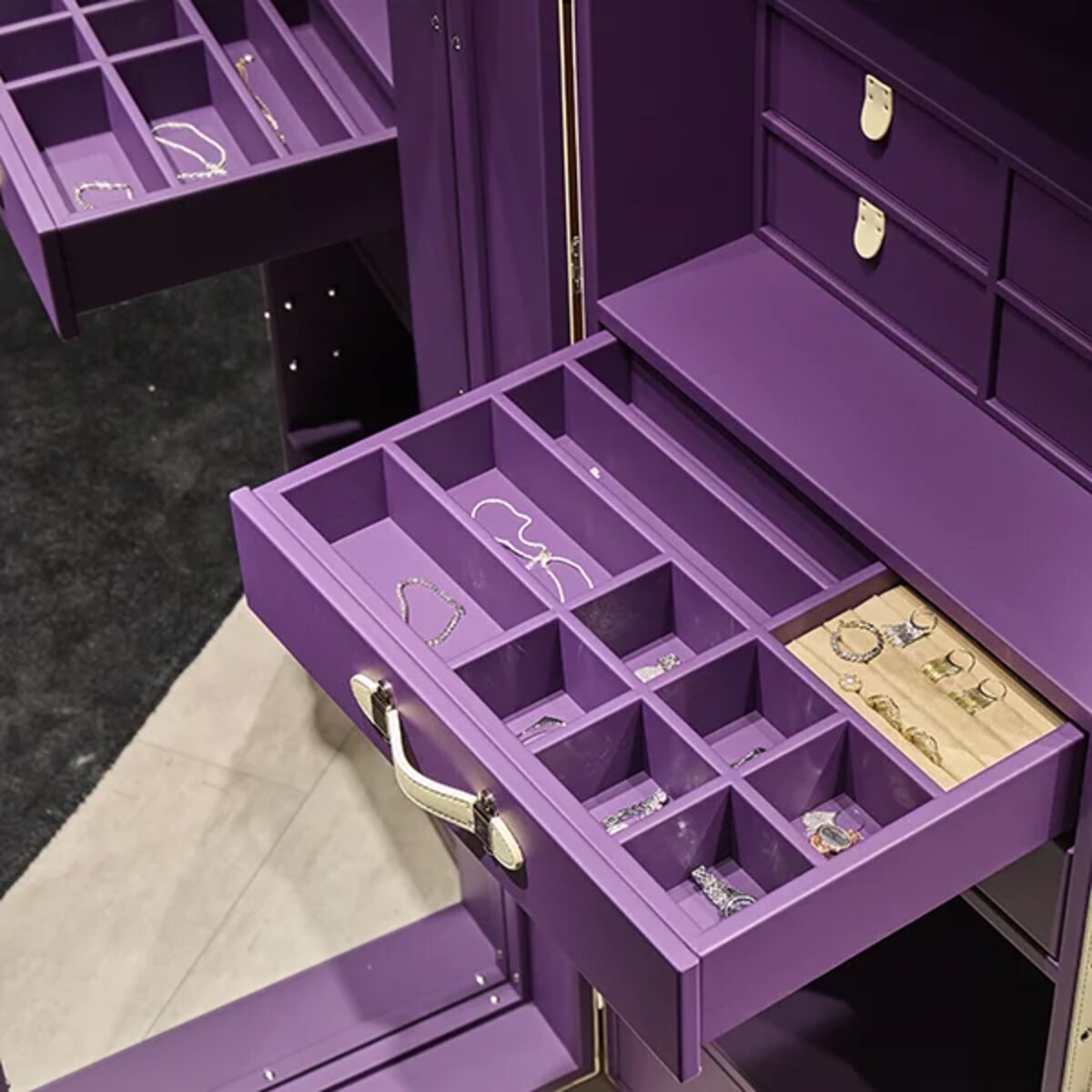
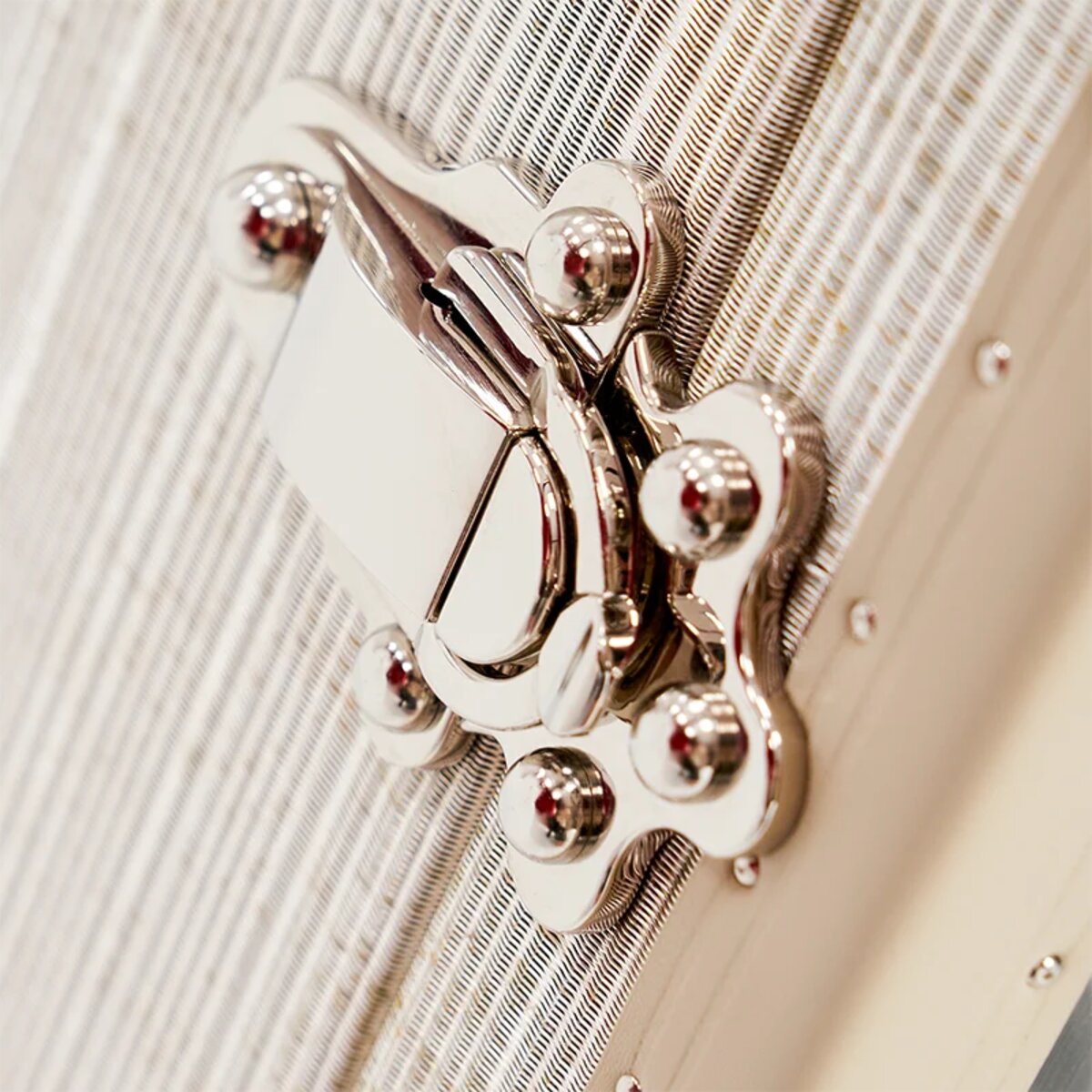
للقطع ذات القيمة العالية والسبائك الأساسية من المقتنيات، الحل هو خزانة بيومترية. خزانة مجوهرات العنبر - ذهب الرمال مصممة خصيصًا لهذا الغرض: قفل بيومتري للتحكم في الوصول الحقيقي، داخل مبطن بالجلد السويدي ومنظم، وتصميم محكم يمنع تقلبات الرطوبة، مما يحافظ على السبائك والعملات والقطع الذهبية المميزة في بيئة دقيقة مستقرة بدلاً من هواء غرفة النوم المفتوح. إنه الفرق بين امتلاك الذهب وتوفير الحماية له.
بالنسبة للذهب القابل للارتداء — أطقم الزفاف، الأساور عيار 22 قيراط، السلاسل التي ترتديها بالفعل — يحتفظ صندوق المجوهرات الفاخر والمجهز جيدًا بكل قطعة معزولة ويسيطر على الهواء. صندوق المجوهرات الفاخر - الكنز المذهب يبطن ويفصل أطقم الذهب بحيث لا تتآكل المشابك والوصلات، بينما صندوق المجوهرات الفاخر - ميدو فلورال مصمم للسلاسل والقلائد الطويلة، معلقة ومفصولة بحيث لا تتشابك أو تحتك ببعضها البعض. المبدأ، كما هو موضح في دليلنا حول منع تآكل المجوهرات الذهبية في الإمارات العربية المتحدة، ثابت: الفضة المرصعة بالذهب، اللؤلؤ، والمجوهرات الذهبية الناعمة عيار 22 قيراط تحتاج إلى غطاء محكم، وليس درج — نفس المنطق الذي يحكم تخزين ذهب الزفاف الهندي التراثي.
الأسئلة المتكررة
هل الذهب أرخص حقاً في دبي، أم أنها أسطورة؟ إنه أرخص حقاً بالنسبة لمعظم المشترين، ولكن ليس لأن الذهب نفسه مخفض - فالسعر الفوري عالمي ومتطابق في كل مكان. يأتي التوفير من ثلاثة أشياء: رسوم تصنيع منخفضة وقابلة للتفاوض مدفوعة بالمنافسة الشديدة بين تجار التجزئة في أسواق مثل سوق الذهب بديرة؛ وضريبة قيمة مضافة صفرية على السبائك الاستثمارية بنقاوة 99% أو أعلى؛ وعلاوات تجزئة قريبة من المعيار الدولي بدلاً من أن تكون أعلى بكثير. بالنسبة للمجوهرات، يمكن للسياح أيضاً استرداد معظم ضريبة القيمة المضافة البالغة 5% في المطار، مما يزيد من الميزة.
هل أدفع ضريبة القيمة المضافة عند شراء الذهب في دبي؟ يعتمد ذلك على ما تشتريه. فالذهب الاستثماري - القضبان، السبائك، والعملات المعدنية بنقاوة 99% أو أعلى في شكل سبيكة سوقية - معفى من الضريبة، لذلك لا تُضاف ضريبة القيمة المضافة عند نقطة البيع. أما المجوهرات الذهبية فتخضع لضريبة القيمة المضافة بنسبة 5%، تُفرض على الفاتورة بالكامل بما في ذلك رسوم الصنع. يمكن للزوار غير المقيمين في الإمارات استرداد معظم هذه الضريبة على المشتريات المؤهلة في المطار، شريطة أن يكونوا قد أنفقوا ما لا يقل عن 250 درهماً إماراتياً في معاملة واحدة وحصلوا على علامة معفاة من الضريبة وقت الشراء. يرجى تأكيد القواعد الحالية مع الهيئة الاتحادية للضرائب على tax.gov.ae.
كيف أتحقق من أن الذهب الذي أشتريه في دبي أصلي؟ ابحث عن الدمغة — ختم صغير يحمل الأرقام 999، 916، 875، أو 750، والتي تشير إلى عيار 24 قيراط، 22 قيراط، 21 قيراط، أو 18 قيراط على التوالي — والتي يتعين على تجار التجزئة المرخصين وضعها بموجب معايير مختبر دبي المركزي. اشترِ فقط من المتاجر المرخصة في سوق الذهب، أو من التجار الخاضعين لتنظيم مركز دبي للسلع المتعددة، أو حديقة الذهب والألماس، أو تجار المجوهرات المعروفين في المراكز التجارية. راقب وزن القطعة على ميزان معاير، واحصل على فاتورة مفصلة توضح الوزن والعيار، وبالنسبة للسبائك أو أي قطعة ذات قيمة عالية، اطلب شهادة التحليل أو النقاء التي توثق درجتها.
كيف يجب أن أخزن المجوهرات الذهبية والسبائك في المنزل في دبي؟ ليس في درج. دورة الرطوبة في الخليج - هواء ساحلي فوق 80% رطوبة نسبية مقابل المناطق الداخلية المكيفة بالقرب من 25% رطوبة نسبية - تتسبب في تآكل النحاس والفضة في سبائك الذهب، وتبهت اللؤلؤ وتجفف الجلد. تنتمي السبائك والذهب عالي القيمة إلى خزانة بيومترية محكمة الغلق تتحكم في الوصول وتخفف من تقلبات الرطوبة؛ وتنتمي أطقم الذهب القابلة للارتداء وقطع الذهب الناعمة عيار 22 قيراط إلى صندوق مجوهرات مبطن ومزود بأقسام منفصلة بحيث لا تتآكل المشابك والوصلات أو تتشابك. الهدف هو بيئة دقيقة مستقرة، وليس هواء غرفة النوم المفتوح.
شراء الذهب في دبي؟ قم بتخزينه بشكل صحيح — قم بزيارة معرض سيراي
شراء الذهب في دبي هو الجزء السهل؛ الحفاظ عليه في حالة جيدة خلال صيف الخليج هو الجزء الذي يخطئ فيه معظم المالكين. سواء كنت تحمي جوهراً من السبائك، أو طقماً للعروس، أو مجموعة متزايدة من الذهب عيار 22 قيراط، فإن الحاوية المناسبة تشعر بها شخصياً - في إغلاق الباب، وفي عمل القفل البيومتري، وفي ليونة الصينية المبطنة بالجلد المدبوغ، ولا شيء من ذلك يظهر في الصورة. احجز موعداً خاصاً في صالة عرض سيراي، مجمع الشفار، أم سقيم 1، دبي. اتصل على الرقم +971 55 886 6180 أو اكتب إلى info@siraecasa.com، وسيقوم فريقنا بمطابقة خزانة بيومترية أو صندوق مجوهرات فاخر لمجموعتك والطريقة التي تتعايش بها معها.

اترك تعليقًا
This site is protected by hCaptcha and the hCaptcha Privacy Policy and Terms of Service apply.