
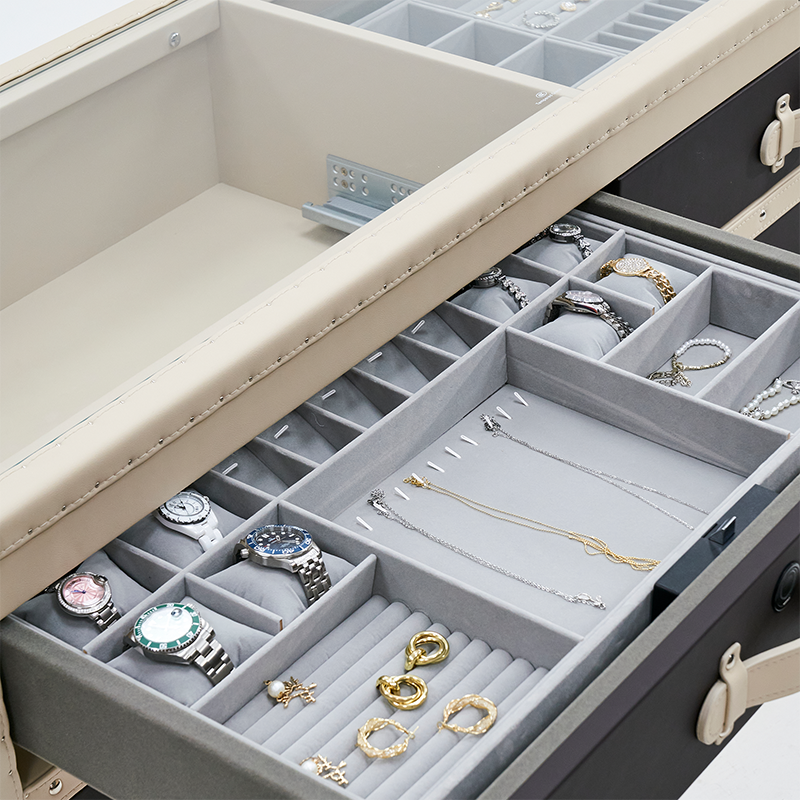
من علبة مجوهرات فوضوية إلى حل تخزين فاخر ومنظم: بروتوكول انتقال كامل
الفجوة بين الدرج المتشابك من سلاسل الذهب عيار 18 قيراطًا ونظام تخزين المجوهرات المصمم بشكل صحيح ليست جمالية — إنها هيكلية وكيميائية ومادية. تتناول معظم أدلة التخزين الراقية إما إعادة الترتيب البصري أو كيمياء مقاومة التشويه، ولكن نادرًا ما يتناول الاثنان معًا في نفس المهمة. يسد هذا الدليل تلك الفجوة. إنه يشخص الأسباب الجذرية لفوضى المجوهرات، ويضع المعايير المادية والهندسية التي تحمي القطع حقًا على مستوى كارتييه وفان كليف آند أربلز، ثم يحدد بروتوكول ترحيل تدريجي حتى تتمكن مجموعة تضم أكثر من ثمانين قطعة مختلطة — سلاسل عيار 18 قيراطًا، وخواتم الأحجار الطبيعية، ودبابيس الزينة القديمة — من الانتقال بسلاسة إلى نظام منسق وقابل للتوسيع دون حوادث أكسدة، أو تلف بالاتصال، أو صعوبة في الاسترجاع على طول الطريق.
التنقل
- معيار سيراي — جدول المعلمات الفنية ورسم خرائط الأعراض ← المواصفات ← التحقق
- تشخيص فوضى المجوهرات: من منطق التكديس إلى التفكير الفني
- المعايير المادية والهيكلية والوظيفية لنظام التخزين المتطور
- بروتوكول الترحيل التدريجي: الانتقال من صندوق المجوهرات إلى نظام العرض المنسق
معيار سيراي
| العرض (فشل ملحوظ) | المواصفات / الآلية | التحقق |
|---|---|---|
| سلاسل الذهب التي يتكون عليها بريق أصفر-بني خلال 6 أشهر في التخزين | بطانة جلد الغزال (خالية من الكبريت، محايدة الحموضة) + مقصورة درج محكمة الإغلاق؛ تزيل التلامس مع مركبات الكبريت | تأكيد أن البطانة خالية من انبعاثات الكبريت؛ الاختبار: شريط فضي في مقصورة مغلقة لمدة 30 يومًا، بدون تغير في اللون |
| جفاف أو تشقق الأحجار اللينة (الزمرد، الأوبال، الفيروز) | رطوبة نسبية ثابتة 45-55% داخل منطقة التخزين؛ لا يوجد مجفف فعال ملامس للحجر | قراءة مقياس الرطوبة المعاير داخل خزانة مغلقة على مدار 72 ساعة؛ تفاوت ±3% مقبول |
| دبابيس الزينة القديمة ذات المينا أو الأحجار الكريمة التي تخدش القطع المجاورة | لفة حلقات معيارية / درج مستقل مضاد للصدمات لكل فئة؛ خلوص لا يقل عن 15 مم بين الحوامل | قياس الفجوة المادية؛ عدم وجود تلامس جانبي تحت اختبار الإمالة بزاوية 30 درجة |
| الذهب الأبيض والذهب الأصفر المخزنين في تلامس يتسببان في تآكل جلفاني دقيق | مقسّمات منفصلة مبطنة بالجلد المدبوغ؛ عزل المعادن غير المتشابهة بحاجز قماشي | فحص بصري تحت مكبر 10× بعد 90 يومًا من التخزين؛ لا يوجد خدوش دقيقة على السطح |
| تغير اللون الناتج عن الأشعة فوق البنفسجية في الأحجار الكريمة الملونة (الياقوت، السفير، الجمشت) | لوح عرض زجاجي مقوى مضاد للأشعة فوق البنفسجية (نفاذية الأشعة فوق البنفسجية < 1% عند 380 نانومتر) أو خزانة مغلقة بالكامل غير شفافة | قراءة مقياس الأشعة فوق البنفسجية عبر اللوح؛ < 1 ميكروواط/سم² عند مستوى الحجر |
| بروتوكول ترحيل خطوة بخطوة مفقود: يَنقل جامع القطع دون تسلسل الأكسدة، مما يتسبب في أحداث أكسدة ملامسة خلال مرحلة الانتقال | الفرز حسب تفاعل المعادن ← تنظيف وتجفيف كل قطعة قبل وضعها ← إدخال المعادن الأكثر تفاعلية أخيرًا في المقصورات محكمة الغلق؛ تأكيد البطانة المعتمدة لمقاومة التشويه قبل وضع أي قطعة | التحقق من شهادة البطانة؛ تأكيد إغلاق كل درج قبل فتح الدرج المجاور؛ سجل فوتوغرافي لما قبل/بعد لكل فئة |
| لا يوجد مسار وصول مميز للقطع اليومية مقابل قطع الأرشيف الاستثمارية | تصميم ذو مستويين: مقصورات علوية/أمامية مفتوحة للوصول للقطع المتكررة الاستخدام؛ مقصورات ثانوية مغلقة (آلية قفل مستقلة) للقطع ذات القيمة الأرشيفية | سجل الوصول أو اختبار القفل الفعلي؛ استرجاع القطع اليومية في أقل من 20 ثانية دون إزعاج المستوى الأرشيفي |
| النظام غير قادر على استيعاب المقتنيات المستقبلية دون إعادة تخطيط كاملة | نظام صينية مجوهرات قابلة للتكديس (Modular Ring Roll) بأبعاد قاعدية موحدة؛ توسيع عمودي بطبقة صينية إضافية | تأكيد تحمل تكدس الصينية: ≤ 0.5 مم تباعد عمودي لكل طبقة؛ لا يوجد عدم استقرار في تكدس 5 طبقات |
| المواصفات الفنية | المعيار | النتيجة |
|---|---|---|
| مادة البطانة الداخلية | بطانة من جلد الغزال، خالية من الكبريت، درجة حموضة 6.5–7.5 | عدم وجود تلوث كبريتي مباشر على الفضة والذهب |
| طبقة الخشب (مناطق الأرز) | طبقة أرز إسباني مضادة للأكسدة، مجففة إلى < 8% محتوى رطوبة | تمتص تقلبات الرطوبة؛ لا توجد انبعاثات راتنجية على المعدن |
| تصنيف الأشعة فوق البنفسجية للوح العرض | زجاج مقوى مضاد للأشعة فوق البنفسجية، < 1% UV-T عند 380 نانومتر | لون الحجر الكريم ثابت؛ لا يوجد تحلل ضوئي على مدى 5 سنوات من التعرض |
| نطاق التحكم في الرطوبة النسبية (مقصورات الأحجار اللينة) | 45-55% رطوبة نسبية، عزل سلبي عبر خشب الأرز + حشية محكمة الإغلاق | لا يوجد تشقق، لا جفاف في الأحجار العضوية والمسامية |
| شهادة مقاومة التشويه | تأكيد بطانة معتمدة لمقاومة التشويه على مستوى المورد | معيار كيميائي قابل للتحقق؛ لا يعتمد على ادعاء تسويقي فقط |
| عزل صدمات الدرج | درج مستقل مضاد للصدمات لكل فئة، مسارات معزولة بالرغوة | عدم انتقال الاهتزاز بين المقصورات أثناء الاسترجاع |
توضيحان موجزان قبل المضي قدمًا. يعد تسلسل الترحيل — الفرز، التنظيف، اعتماد البطانة، الوضع، المعادن الأكثر تفاعلية أخيرًا — الخطوة الأكثر افتقارًا إلى التوثيق في أدلة المنافسين؛ يجب معالجتها قبل شراء أي خزانة. يعتمد أداء طبقة الأرز الإسباني المضادة للأكسدة بالكامل على المحتوى الرطوبي الصحيح أثناء التصنيع، لذا فإن التحقق من مواصفات المحتوى الرطوبي أقل من 8٪ من المورد الخاص بك قبل التثبيت ليس مجرد إجراء شكلي اختياري — إنه الشرط الذي يقوم عليه كل شيء آخر.
تشخيص فوضى المجوهرات: من منطق التكديس إلى التفكير الفني
لماذا الدرج المتشابك يمثل مشكلة هيكلية، وليس مشكلة نظافة
إن الرغبة في إضافة صينية تنظيم جديدة إلى صندوق مكتظ بالفعل نادرًا ما تحل أي شيء لفترة طويلة. ما تفعله هو وضع نظام استرجاع فوق نظام آخر دون حل المنطق الأساسي — وهو أن معظم صناديق المجوهرات مصممة حول الكمية وليس السلوك. الحاوية تتضاعف. والفوضى تنتقل معها.
تتراكم مجموعة المجوهرات على مدار عقد من الزمن لتشمل عدة فئات مميزة ذات احتياجات تخزين مختلفة تمامًا: القلائد ذات السلاسل الرفيعة التي تتشابك تحت أي ضغط جانبي؛ قطع الأحجار الكريمة الطبيعية الحساسة لتقلبات الرطوبة الشديدة؛ دبابيس الزينة القديمة التي تحمل مينا هشة لم تُصمم لتحمل وزن قطعة مجاورة؛ والمقتنيات ذات القيمة الاستثمارية التي يجب، في الوضع المثالي، أن تظل دون مساس في التخزين بالكامل.
يعامل منطق التكديس كل هذه الأشياء بشكل متماثل. ويفصل التفكير الفني بينها حسب الكيمياء، وتكرار الوصول، والهشاشة — قبل اختيار أي حاوية.
الأسباب الجذرية الثلاثة لفوضى المجوهرات
1. عدم وجود تسلسل هرمي لتكرار الوصول
عندما تتشارك خاتم الزينة اليومي وقلادة الياقوت الأرشيفية نفس الصينية، فإن كل عملية استرجاع صباحية تزعج كليهما. بمرور الوقت، تتسبب تلك الحركة في خدوش دقيقة على الأحجار الأكثر ليونة وتشابك السلاسل الرقيقة. الحل ليس في المزيد من الصواني — بل في مسار وصول مميز لكل فئة.
2. عدم وجود خريطة توافق المواد
لا تتعايش المعادن المختلفة بشكل محايد عند تخزينها في حالة تلامس. يتسبب الذهب الأبيض مع الذهب الأصفر في تآكل جلفاني دقيق على مدار أشهر من القرب. الفضة الإسترليني بجوار أي معدن بدون حاجز قماشي ستتأكسد بشكل أسرع بسبب تركيز الكبريت الموضعي. دبابيس الزينة القديمة ذات الأحجار المصنعة معرضة للخطر بشكل خاص: لم تُصمم إعداداتها أبدًا لمقاومة الضغط الميكانيكي للقطع المجاورة التي تضغط عليها أثناء التخزين.
3. لا يوجد إطار للنمو
معظم صناديق المجوهرات تصل إلى سعتها القصوى في اللحظة التي تصبح فيها المجموعة جدية. يجب أن يكون النظام المنسق معياريًا منذ البداية - مما يعني أنه يمكن إضافة مقصورات أو صواني أو أدراج إضافية دون تفكيك ما هو موجود بالفعل.
التحول المعرفي: التفكير كمسجل متحف
لا تسأل مسجلة المتحف أين يمكنني وضع هذه؟ بل تسأل ماذا تحتاج هذه القطعة، وما الذي يجب ألا تتلامس معه أبدًا؟
تطبيق هذا المنطق على مجموعة خاصة يعني بناء مصفوفة بسيطة — أربعة أعمدة: نوع المعدن، نوع الحجر، مستوى الهشاشة، وتكرار الوصول. بالنسبة لأي مجموعة تتجاوز خمسين قطعة، يستغرق هذا التمرين حوالي عشرين دقيقة. كما أنه الخطوة الوحيدة التي لا يمكن تجاوزها. كل قرار لاحق — أي خزانة، أي بطانة، أي عمق حجرة — ينبع مباشرة منها.
المعايير المادية والهيكلية والوظيفية لنظام تخزين عالي الجودة
لماذا مادة البطانة هي القرار الأول، وليست الأخير
تبدأ معظم أدلة التخزين بالأبعاد أو الجماليات. نقطة البداية الصحيحة هي كيمياء البطانة. السطح الداخلي لحجرة التخزين في اتصال مستمر مع قطعك — تتنفس نفس المناخ الدقيق، عن قرب، لسنوات متتالية.
بطانة الجلد المدبوغ بمواصفاتها الصحيحة خالية من الكبريت ومحايدة الحموضة. وهذا مهم لأن الكبريت الجوي، الذي يتخلل معظم الأماكن الداخلية الحضرية بما في ذلك تلك الموجودة في دبي، هو المحرك الرئيسي لتشوه الفضة والذهب في التخزين المغلق. البطانة التي تنبعث منها حتى مركبات الكبريت النزرة تسرع عملية التدهور نفسها التي تم تركيبها لمنعها. المفارقة ليست خفية.
البطانة المعتمدة لمقاومة التشويه تذهب خطوة أبعد: يتم التحقق من كيميائها على مستوى المورد، ولا يتم تسميتها بمجرد تأكيد تسويقي. عند طلب خزانة مجوهرات على مستوى جاد، فإن طلب وثيقة الاعتماد هذه معقول تمامًا — وسيوضح لك الرد على هذا الطلب الكثير عن المورد.
الأرز الإسباني ومنطق تخفيف الرطوبة
طبقة الأرز الإسباني المضادة للأكسدة ليست مجرد ممارسة تقليدية لصناعة الخزائن — بل تؤدي وظيفة قابلة للقياس ومحددة في المناخات التي تتميز بتقلبات الرطوبة الموسمية أو الناتجة عن تكييف الهواء. يعمل الأرز الإسباني، بعد تجفيفه إلى المحتوى الرطوبي الصحيح، كعازل رطوبة سلبي: يمتص التقلبات الصغيرة في الرطوبة النسبية المحيطة قبل أن تصل إلى داخل منطقة التخزين. الخشب نفسه، ذو حبيبات دقيقة ورائحة خفيفة، يعمل بصمت ودون تدخل ميكانيكي.
في فيلا بدبي تتميز بدورة تكييف هواء قوية، يمكن أن يتغير داخل الخزانة بشكل كبير بالنسبة للبيئة الخارجية. بدون طبقة عازلة، تتعرض الأحجار اللينة — الزمرد، الأوبال، الفيروز — للإجهاد المتكرر بسبب تلك الدورات الدقيقة، وتنكمش وتتمدد أسطحها بطرق غير مرئية للعين ولكنها تراكمية على مر السنين. يعمل الأرز الإسباني على استقرار المناخ الدقيق دون أي مكونات نشطة تتطلب صيانة أو استبدال.
الزجاج المقوى المضاد للأشعة فوق البنفسجية: لماذا يجب أن تثبت لوحات العرض جدارتها
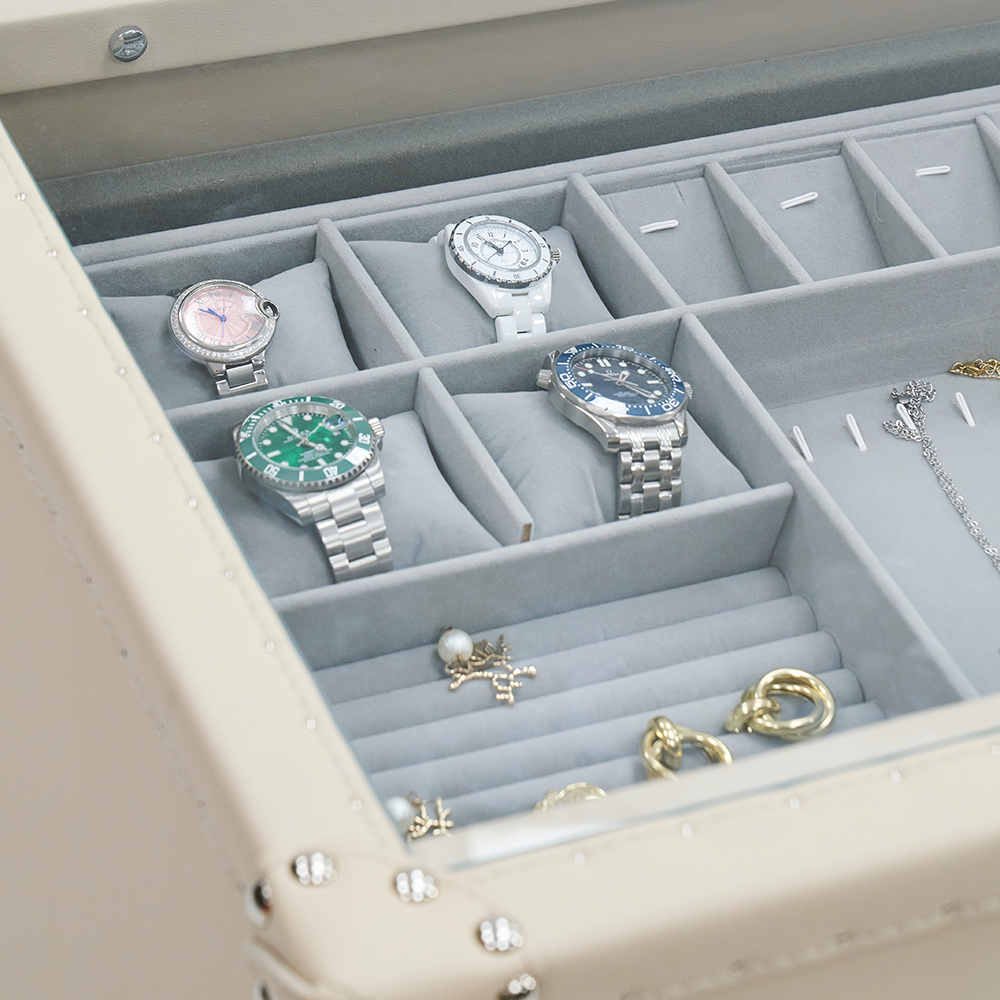
لا يمكن تبرير استخدام خزانة مجوهرات بنمط عرض إلا إذا كان زجاجها يقوم فعليًا بتصفية الأشعة فوق البنفسجية. تعمل لوحة العرض الزجاجية المقواة المضادة للأشعة فوق البنفسجية بنفاذية للأشعة فوق البنفسجية تقل عن 1% عند 380 نانومتر على حماية الأحجار الكريمة الملونة من التحلل الضوئي — وهي عملية بطيئة ولا رجعة فيها تغير لون الياقوت والسفير والجمشت على مدى خمس سنوات من التعرض. بمجرد حدوث التغير، لا يمكن التراجع عنه.
لا توفر الخزانات التي تحتوي على زجاج عائم قياسي حماية ذات مغزى من الأشعة فوق البنفسجية، بغض النظر عن مدى روعة مواد إطارها. مواصفات الزجاج هي المعيار المميز — ومن الجدير بالذكر أن الإطار غالبًا ما يحظى باهتمام أكبر في صور التسويق من الزجاج الذي يقوم بالوظيفة الفعلية.
ميزات هيكلية تحمي على مستوى القطعة
سيتضمن النظام الذي يعمل بمعيار على مستوى المجموعة ما يلي:
- أدراج مستقلة مضادة للصدمات: مسارات معزولة بالرغوة لكل درج بحيث لا تنتقل الاهتزازات إلى القطع المجاورة عند استرجاع إحدى المقصورات.
- لفة حلقات معيارية (Modular Ring Roll): وحدات صينية ذات قاعدة موحدة تتكدس رأسيًا مع تفاوت أقل من 0.5 مم لكل طبقة، مما يسمح للنظام بالتوسع دون مساس بالهيكل.
- مقسّمات معدنية منفصلة: مقصورات مقسمة بالجلد المدبوغ مع مسافة لا تقل عن 15 مم بين الحوامل، لعزل المعادن غير المتشابهة ومنع التلامس الجلفاني الدقيق.
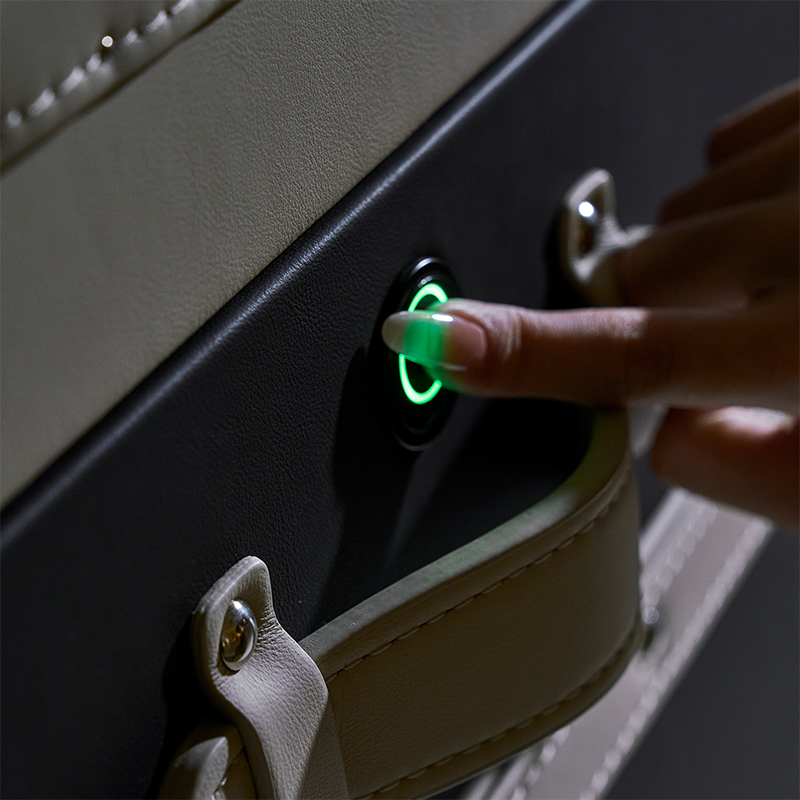
- آليات قفل مستقلة على مقصورات الأرشيف: تشغل القطع ذات القيمة الاستثمارية مستوى ثانويًا مؤمّنًا، ومميزًا ماديًا عن مناطق الوصول اليومي.
مقارنة بين أساليب الخزانات: المخصصة مقابل الكتالوجية
| المعلمة | برنامج مخصص | عرض الكتالوج القياسي |
|---|---|---|
| كيمياء البطانة | جلد مدبوغ خالٍ من الكبريت، تم التحقق من درجة حموضته، معتمد لمقاومة التشويه | عادةً ما يكون نسيجًا غير مسمى؛ حالة الكبريت غير معروفة |
| مواصفات الأرز | خشب الأرز الإسباني، محتوى رطوبة < 8%، طبقة مضادة للأكسدة مدمجة | قاعدة من خشب الصنوبر أو MDF مع حشوة برائحة الأرز فقط |
| زجاج مضاد للأشعة فوق البنفسجية | زجاج مقوّى مضاد للأشعة فوق البنفسجية، < 1% UV-T عند 380 نانومتر | زجاج عائم قياسي؛ لا يوجد تصنيف للأشعة فوق البنفسجية |
| التوسع | نظام Modular Ring Roll، تكديس عمودي، أبعاد موحدة | تصميم صينية ثابت؛ لا يوجد امتداد معياري |
| قفل الأرشيف | قفل مستقل لكل مستوى | قفل خارجي واحد، لا يوجد فصل للمستويات |
تمثل العلامات التجارية مثل ببين آند زورويج و وولف ديزاينز لأنظمة تخزين المجوهرات الطرف الأكثر صرامة في سوق الكتالوجات. تقدم ببين آند زورويج بشكل خاص نموذج استشارة مخصص وعمق تقسيم داخلي مناسب للمجموعات على مستوى كارتييه وفان كليف آند أربلز؛ بينما تقدم وولف ديزاينز بنية معيارية تناسب هواة الجمع الذين يتوقعون توسعًا متكررًا. الفارق الأساسي على مستوى المادة هو عمق البطانة الداخلية وتوفر معيار مقاومة التشويه المعتمد. من حيث الخدمات، يتمثل الفارق في ما إذا كان التخصيص مصممًا بشكل حقيقي حول تصميم معين أو مجرد اختيار من قائمة محددة مسبقًا — وهو اختلاف كبير في الممارسة، على الرغم من أنه نادرًا ما يظهر في أوصاف المنتج.
للحماية طويلة الأمد لقيمة القطع ذات الدرجة الاستثمارية، تحمل كيمياء البطانة ومواصفات التحكم في المناخ وزنًا أكبر من مصدر العلامة التجارية وحده.
بروتوكول الترحيل التدريجي: الانتقال من صندوق المجوهرات إلى نظام العرض المنسق
لماذا تفشل معظم عمليات الترحيل في مرحلة النقل
الخطأ الأكثر شيوعًا هو مادي. يقوم جامع القطع بنقل القطع من صندوق فوضوي إلى خزانة جديدة دون تسلسل النقل بشكل صحيح، وخلال عملية الانتقال - التي تستغرق أحيانًا ساعات - تتشارك القطع من عائلات معدنية مختلفة أسطح عرض مؤقتة: ورق مناديل، صواني مسطحة، قماش مخملي يُستخدم بشكل طارئ. تحدث أحداث الأكسدة بهدوء في تلك الفترة، حتى قبل إغلاق النظام الجديد بشكل صحيح.
الخطأ الشائع الثاني هو إهمال تنظيف القطع قبل وضعها. أي كبريت متبقٍ، أو زيوت جلدية، أو رطوبة منقولة من بيئة التخزين القديمة ستُحكم إغلاقها في المناخ الدقيق الجديد والأكثر إحكامًا، مما يسرع التشويه في الظروف التي صُممت بالضبط لمنعه. تصبح الخزانة الجديدة متواطئة في الضرر.
بروتوكول الهجرة: ست مراحل
المرحلة 1: التدقيق والتصنيف (قبل شراء أي خزانة)
قم بإنشاء المصفوفة ذات الأعمدة الأربعة: نوع المعدن، نوع الحجر، مستوى الهشاشة، وتكرار الوصول. بالنسبة لمجموعة تضم أكثر من ثمانين قطعة، ينتج عن ذلك حوالي أربع إلى ست مجموعات مميزة تتطابق مباشرة مع المقصورات الفعلية. لا تختصر هذه المرحلة. إنها تحدد مواصفات التخطيط الداخلي الذي ستطلبه، ولا يمكن لأي كمية من الأجهزة المميزة تعويض تخطيط خاطئ.
المرحلة 2: الحصول على الخزانة والتحقق منها قبل نقل أي قطعة
تأكد من البطانة المعتمدة لمقاومة التشويه، ومواصفات المحتوى الرطوبي لخشب الأرز الإسباني، وتصنيف زجاج الحماية من الأشعة فوق البنفسجية كتابيًا من المورد. ثم قم بتركيب الخزانة واترك الجزء الداخلي يتوازن مع درجة حرارة الغرفة لمدة 48 ساعة قبل وضع أي مجوهرات فيها. تسمح هذه الفترة الزمنية لطبقة خشب الأرز بتثبيت محتواها الرطوبي بالنسبة لمناخك الداخلي المحدد – وهو تفصيل تتجاهله معظم تعليمات التركيب تمامًا.
المرحلة 3: تنظيف كل قطعة قبل وضعها
- سلاسل الذهب عيار 18 قيراط: تمسح بقطعة قماش من الألياف الدقيقة خالية من الوبر؛ لا تستخدم محلول تنظيف إلا عند الضرورة القصوى؛ تأكد من جفافها تمامًا قبل وضعها.
- الخواتم من الحجر الطبيعي: امسح الحجر والإعداد بشكل منفصل؛ تجنب غمر الأحجار المسامية مثل الزمرد، والأوبال، والفيروز؛ اسمح لها بالجفاف بالهواء لمدة 30 دقيقة في درجة حرارة الغرفة قبل الوضع.
- الدبابيس العتيقة بالمينا أو المعجون: تنظيف جاف فقط باستخدام فرشاة ناعمة؛ تجنب الرطوبة بالقرب من الإعداد تحت أي ظرف من الظروف.
المرحلة 4: تسلسل الوضع حسب تفاعل المعدن
ضع المعادن الأقل تفاعلية أولاً، مع السماح لكل درج بالإغلاق والإحكام قبل فتح التالي:
- البلاتين والذهب عالي العيار (الأقل تفاعلاً) ← حجرات مستوى الأرشيف أولاً.
- الذهب الأصفر والوردي عيار 18 قيراطًا ← المستوى المتوسط، حجرات السلاسل الفردية.
- الذهب الأبيض ← منفصل عن الذهب الأصفر، مع وضع فاصل من جلد الغزال بينهما.
- الفضة الإسترليني ← الأبعد عن طبقة الأرز، أو في حجرة مخصصة لامتصاص الكبريت.
- القطع العتيقة ذات المعادن المختلطة ← معزولة بشكل فردي في صواني معيارية مع قماش حاجز.
المرحلة 5: التمييز بين مسارات الوصول اليومي ومسارات الأرشيف
قطع الارتداء اليومي — الخاتم الخاتم الذي يُلبس كل صباح، الطوق الذهبي البسيط الذي يُمد اليد إليه دون تفكير — تنتمي إلى الحجرات الأمامية سهلة الوصول والمفتوحة. قطع الاستثمار والأرشيف — قلادة من الياقوت ذات قيمة، خاتم من الألماس الأبدي تم شراؤه بنية طويلة الأجل — تنتمي إلى الطبقة الثانوية المغلقة. يجب فتح هذه الطبقة عمدًا، وليس عرضيًا.
هذا الفصل ليس مجرد تنظيم. إنه يحمي قطع الأرشيف من التلف التدريجي الناتج عن التداول اليومي الحتمي، ويطيل بشكل كبير الفترات الفاصلة بين التنظيف الاحترافي، مما يقلل من مخاطر التعرض على المدى الطويل.
المرحلة 6: التسجيل، التصوير، وتحديد إيقاع الصيانة
قبل إغلاق الخزانة للمرة الأولى، قم بتصوير كل حجرة بالتسلسل. هذا يخلق مرجعًا أساسيًا للتأمين، وتوثيق المصدر، أو إعادة الترتيب المباشر إذا تم تفكيك النظام جزئيًا للسفر أو التنظيف العميق.
حدد إيقاعًا للصيانة: كل ستة أشهر، افتح كل درج وتفحص بحثًا عن علامات الصدأ المبكرة، واستبدل أي حشوات ماصة للكبريت إن وجدت. طبقة خشب الأرز الإسباني لا تتطلب الاستبدال — فهي تستفيد ببساطة من تهوية الخزانة لمدة تتراوح بين ساعتين وأربع ساعات مرة واحدة كل اثني عشر شهرًا، مع فتح الأبواب، في بيئة مستقرة ومنخفضة الرطوبة.
التعامل مع احتياجات الرطوبة للأحجار اللينة جنبًا إلى جنب مع القطع المعدنية
هذا هو الجانب الأكثر تطلبًا من الناحية التقنية في أي مجموعة مختلطة. تتطلب الأحجار اللينة والمسامية — الزمرد، الأوبال، الفيروز — رطوبة محيطة أعلى من 40% رطوبة نسبية لتجنب الجفاف والتشقق السطحي. ومع ذلك، تستفيد معظم القطع المعدنية من رطوبة أقل من 55% رطوبة نسبية لمنع التآكل. هذه ليست متطلبات متناقضة. إنها تحدد منطقة.
التداخل، 45-55% رطوبة نسبية، يمكن تحقيقه بداخلية أرز إسباني محددة جيدًا وحشية خزانة محكمة الإغلاق. إنه يمثل التكوين الوحيد الذي تتوافق فيه الفئتان حقًا داخل نفس العلبة — بشرط أن تشغلا حجرات منفصلة وأن يكون الأرز قد تم تحضيره بشكل صحيح.
عندما تتضمن المجموعة أوبالًا أو فيروزًا غير معالج، فإن حجرة مخصصة مع مخزن صغير للرطوبة السلبية هي الاستجابة الهندسية المناسبة. يقوم المرطب الميكانيكي بإدخال الكثير من التباين في مساحة محدودة للغاية؛ بينما يكون التخزين السلبي للرطوبة من خلال الأرز المحضر والبناء المحكم أكثر استقرارًا وأبسط بكثير في الصيانة.
التصميم من أجل التوسع المستقبلي دون إعادة التخطيط
بنية لفائف الخواتم المعيارية المبنية على أبعاد أساسية موحدة تعني أن اقتناء قطعة جديدة يؤدي إلى إضافة صينية بدلاً من إعادة تنظيم كاملة. يضمن تحمل التكدس الذي يقل عن 0.5 مم لكل طبقة أن التجميع المكون من خمس طبقات يبقى مستقرًا — لا اهتزاز، ولا تلف بالضغط على القطع الموجودة بالأسفل.
اطلب الخزانة مع مسار التوسع المخطط له مسبقًا. اعرف مسبقًا أي الحجرات ستنمو بمرور الوقت — عادةً الخواتم والسلاسل القصيرة — وأي منها سيبقى ثابتًا، مثل القلائد الطويلة والدبابيس في مستوى الأرشيف. هذا التخطيط المسبق يعني أنه في غضون ثمانية عشر شهرًا، عندما تستوعب المجموعة عشرين قطعة جديدة، يستقبلها النظام دون تعطيل ودون الحاجة إلى الاعتذار.
هناك انضباط خاص في المجموعات المحفوظة بشكل صحيح — ليس زهد التقييد، بل وضوح معرفة أين توجد كل قطعة بالضبط، وماذا تتطلب، ولماذا تم اختيارها. نظام التخزين المصمم وفقًا لهذا المعيار لا يقتصر على الحماية فحسب. بل ينظم، وفي التنظيم، يكرم بهدوء الحكم الكامن وراء كل اقتناء.
- دليل المقتنين لخزانة تخزين كوهيبا
- أنظمة منظم المجوهرات: صواني وصناديق وخزائن (2026)
- صندوق المجوهرات الفاخر: دليل شراء نهائي للإمارات العربية المتحدة
- كم تكلف أثاث التخزين الفاخر حقًا في دبي؟ دليل صادق
- أفكار منظم القلائد والأقراط: تخزين خالٍ من التشابك (2026)
- صندوق مجوهرات المهر: رمز الالتزام المقدس في الإمارات العربية المتحدة

اترك تعليقًا
This site is protected by hCaptcha and the hCaptcha Privacy Policy and Terms of Service apply.