
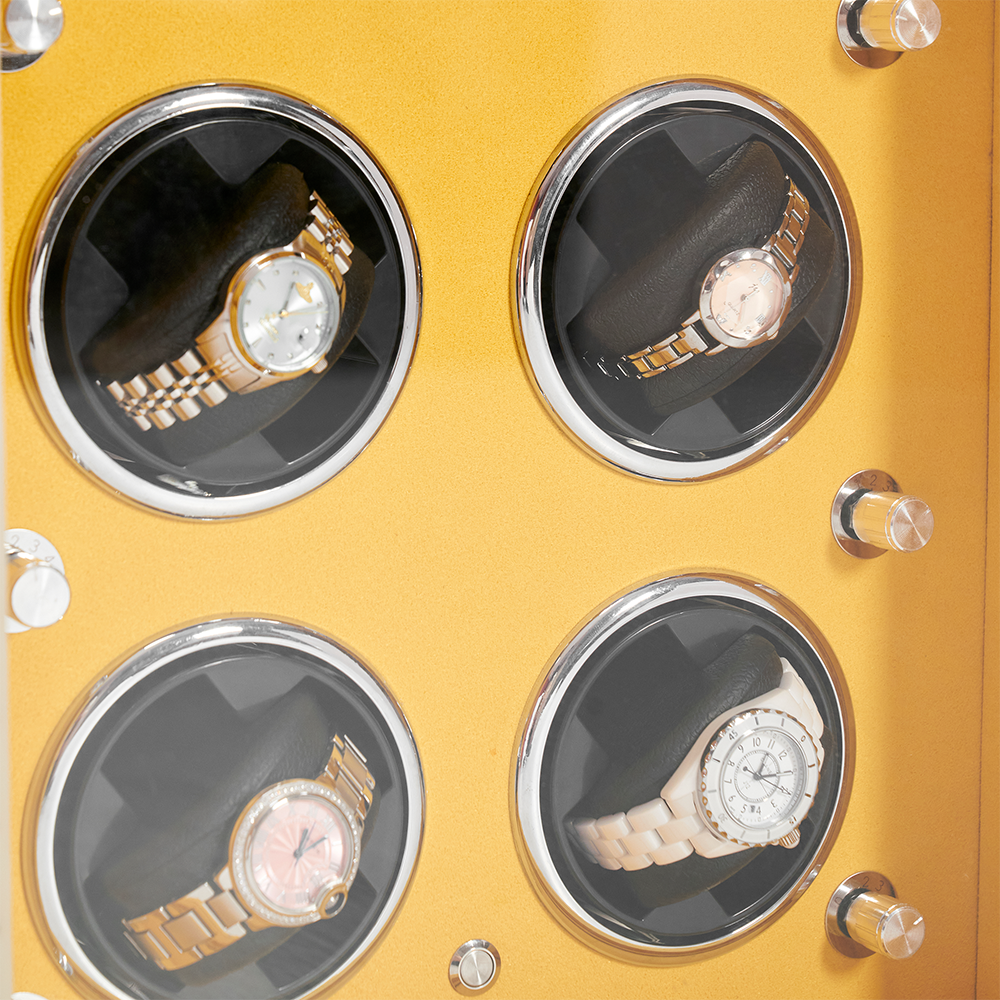
خزانة لف الساعة الأوتوماتيكية: محركات صامتة، وحماية من التداخل الكهرومغناطيسي، ومساحة تخزين مصممة خصيصًا للساعات المتعددة لهواة الجمع المميزين
خزانة تدوير الساعات ليست مجرد جهاز للراحة. بالنسبة لهواة جمع الساعات الذين يحتفظون بثلاث حركات ميكانيكية دقيقة أو أكثر — ساعة "باتيك فيليب 5167A" بجوار ساعة "أي دبليو سي برتغالييه كرونوغراف"، وساعة "رولكس سبمارينر" مقابل ساعة "جيجر لوكولتر ريفرسو" — تعتبر الخزانة بيئة محكمة، والمحرك الموجود في قلبها إما أصل أو عبء. المقاييس الحرجة هي ثلاثة أضعاف: مستوى ضوضاء أقل من 25 ديسيبل لوضعها بجانب السرير، برنامج TPD (عدد الدورات في اليوم) يمكن ضبطه بشكل مستقل لكل عيار، وهيكل حماية مؤكد من المجال الكهرومغناطيسي EMI لا يهدد تنظيم الحركة أو العلب الداخلية المضادة للمغناطيسية المصنوعة من الحديد الناعم. هذه المعايير الثلاثة — وليس التشطيب، وليس جودة المفصلات، وليس سمك الزجاج — هي التي تفصل خزانة التدوير المصممة خصيصًا عن صندوق العرض المزود بمحرك مثبت في داخله.
دليل هذا التكليف
- معيار سيراي — المعايير الفنية، رسم خرائط النقطة العمياء الكهرومغناطيسية، الأعراض ← المواصفات ← التحقق
- تقنية المحركات الصامتة: تصنيفات الديسيبل، دقة TPD، وتدهور الضوضاء على المدى الطويل
- الهيكل الداخلي واختيار المواد: ألياف الكربون، الزجاج المقسّى، ووسائد الساعات المصنوعة من الجلد المدبوغ
- مطابقة اتجاه الدوران ودورات الراحة لعيارات IWC، باتيك فيليب، ورولكس
معيار سيراي
| المواصفات الفنية | المعيار | النتيجة |
|---|---|---|
| مستوى الضوضاء (المحرك تحت الحمل) | ≤ 22 ديسيبل (A) تقاس على بعد 1 متر | غير قابلة للاكتشاف في غرفة النوم ليلاً؛ أقل من همهمة نظام التدفئة والتهوية وتكييف الهواء المحيطة |
| نطاق TPD لكل محطة | 500 – 1,800 TPD، قابلة للبرمجة بشكل مستقل | تغطي عيار IWC Cal. 79230 (650–800 TPD) مروراً بعيار Patek Cal. 324 (650–800 TPD) وصولاً إلى عيار Rolex Cal. 3235 (650–800 TPD اسمياً، وتتحمل حتى 1,050 TPD) |
| أوضاع اتجاه الدوران | في اتجاه عقارب الساعة / عكس اتجاه عقارب الساعة / ثنائي الاتجاه (متناوب)، لكل محطة | تتلقى كل حركة البرنامج الصحيح أحادي الاتجاه أو المتناوب بدون تلوث متقاطع |
| دورة الراحة / النوم | فترات راحة قابلة للبرمجة: 4 ساعات، 8 ساعات، 12 ساعة، 24 ساعة | تمنع الإفراط في لف الزنبرك الرئيسي في الساعات ذات آليات التثبيت غير الانزلاقية |
| مخرجات EMI (المجال الحركي) | ≤ 1 ميكروتسلا عند سطح وسادة الساعة | أقل من العتبة لمغنطة مكونات الحركة (IEC 60424 / ISO 764 مستوى خطر إزالة المغنطة: > 4.8 ميكروتسلا مستمر) |
| هيكل حماية EMI | بطانة من معدن Mu-metal أو فولاذ السيليكون ذو الحبيبات الموجهة حول غلاف المحرك | يخفف المجال المغناطيسي المتردد المتولد بواسطة المحرك قبل أن يصل إلى الحركة |
| أبعاد الخزانة (متعددة الوظائف ببابين) | 570 × 620 × ارتفاع 650 ملم | ست محطات لف أو أكثر ضمن مساحة قائمة بذاتها مناسبة لغرف تبديل الملابس في الفلل |
| منصة المحرك | مجموعة تروس DC منخفضة الاهتزاز، معزولة حراريًا عن هيكل الخزانة | تزيل الرنين الهيكلي الذي يضخم الضوضاء المحسوسة من خلال الألواح الخشبية أو الزجاجية |
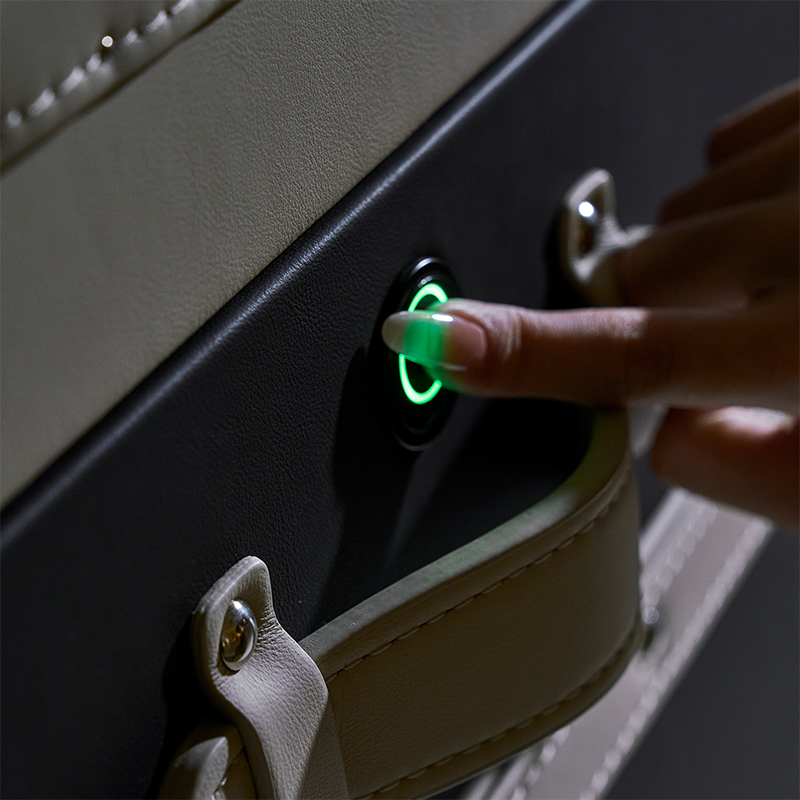
| القفل / الوصول | مفتاح ميكانيكي + طبقة حيوية اختيارية | تحكم في الوصول بدرجة قبو خاص؛ لا يوجد انبعاثات تردد لاسلكي رقمية عند نقطة القفل |
الأعراض ← المواصفات ← التحقق (النقطة العمياء الكهرومغناطيسية - فجوة المحتوى لدى المنافسين)
| الأعراض (فشل ملحوظ) | المواصفات / الآلية | التحقق |
|---|---|---|
| تتقدم حركة الساعة (+5 إلى +15 ثانية/يوم) بعد الاستخدام المطول لمدوّر الساعة | مجال تيار متردد ضال من محرك غير محمي يقوم بمغنطة الرافعة، أو عجلة الهروب، أو محور التوازن | الاختبار: سجل سعة + معدل جهاز توقيت الساعات قبل وبعد 30 يومًا من استخدام المدوّر؛ تحقق متقاطع مع بروتوكول إزالة المغنطة IEC 60424 |
| العلبة الداخلية المضادة للمغناطيسية من الحديد الناعم (جيجر لوكولتر، أي دبليو سي) لا تظهر أي حماية ضد EMI التيار المتردد منخفض التردد تحت 1 ميجاهرتز | دروع الحديد الناعم تحمي المجالات المستمرة / الثابتة فقط؛ مجال محرك التيار المتردد عند 50-60 هرتز يتجاوز فعالية الحديد الناعم | قياس المجال عند سطح وسادة الساعة باستخدام مقياس غاوس للتيار المتردد؛ الهدف ≤ 1 ميكروتسلا مستمر |
| تُعاد الساعة من الصيانة ممغنطة على الرغم من تخزينها في مدوّر يدعي "مضاد للمغناطيسية" | لا يوجد رقم ميكروتسلا منشور، ولا توجد مادة حماية محددة من قبل الشركة المصنعة | اطلب تقرير اختبار إزالة المغنطة IEC 764 / ISO 764 أو قراءة مقياس غاوس للتيار المتردد الداخلي من المورد |
| تزداد ضوضاء المدوّر بعد 12-18 شهرًا من التشغيل المستمر | تدهور مواد التشحيم للتروس في غلاف المحرك غير المهوى؛ التدوير الحراري في مناخ الخليج يسرع فقدان اللزوجة | إعادة قياس dB(A) على بعد 1 متر عند فترة خدمة 12 شهرًا؛ مقارنة بالخط الأساسي للمصنع |
الجدول أعلاه هو مجموعة المواصفات الحاكمة. نقطتان توضيحيتان تستحقان التركيز: حماية EMI من خلال بطانة Mu-metal أو فولاذ السيليكون هي المعلمة الوحيدة الأكثر نقصًا في تحديد المواصفات في سوق لفافات الساعات — ينشر المنافسون أرقام الضوضاء ونطاقات TPD بشكل روتيني، لكن قراءات μT عند سطح وسادة الساعة لا تُكشف أبدًا تقريبًا. يقوم فريق المشتريات والتركيب في Sirae بالتحقق من مستويات المجال أثناء تشغيل الخزانة قبل تسليمها للعميل.
تقنية المحركات الصامتة: تصنيفات الديسيبل، دقة TPD، وتدهور الضوضاء على المدى الطويل
لماذا 25 ديسيبل هي عتبة الإقامة
الأذن البشرية في حالة راحة في غرفة نوم هادئة تسجل الصوت المحيط بين 20 و 30 ديسيبل (A). محرك مدوّر يعمل عند 28-32 ديسيبل (A) — وهو المعيار لصناديق التدوير من الفئة الكتالوجية — يتداخل مع هذا الهدوء بطريقة تُحس قبل أن تُسمع بوعي: همهمة ميكانيكية خافتة، منخفضة ومستمرة، تؤسس نفسها تدريجيًا كوجود في الغرفة. بالنسبة لهواة الجمع الذين يضعون خزاناتهم في جناح رئيسي أو غرفة تبديل ملابس على طريق شاطئ جميرا، أو في فيلا في جميع أنحاء الإمارات، فإن العتبة المهمة هي 22 ديسيبل (A) على بعد متر واحد — وليس الرقم 30 ديسيبل الذي يظهر في معظم صفحات المنتجات.
بنية المحرك: مجموعة تروس DC وعزل حراري
تستخدم الخزائن التي يتم تنسيقها وتكليفها من خلال Sirae منصة محرك ذات تروس تيار مستمر (DC) ذات اهتزاز منخفض. يتم شحذ المراحل الميكانيكية بدقة بدلاً من صبها، مما يقلل من ضوضاء الدوران عند المصدر - وهو تمييز تلاحظه على الفور عند وضع مقياس SPL معاير بجانب الوحدة العاملة. يقع غلاف المحرك على حامل فرعي معزول حرارياً يفصله تمامًا عن هيكل الخزانة. تزداد أهمية هذه التفاصيل بشكل خاص في الخليج، حيث يؤدي فرق درجة الحرارة الموسمي بين الداخل المكيف والهواء الساخن الخارجي إلى انكماش دقيق في الألواح الخشبية والزجاج ليلاً، مما يضخم أي اهتزاز ينتقل عبر الهيكل بدلاً من الهواء.
تدهور الضوضاء على المدى الطويل وعامل مناخ الخليج
على مدى اثني عشر إلى ثمانية عشر شهرًا من التشغيل المستمر، يمكن أن تفقد مواد التشحيم في علبة تروس محرك محكمة الغلق وغير مهواة لزوجتها — يصبح الزيت أرق، ويزداد صوت شبكة التروس بشكل طفيف، ويرتفع رقم dB(A). في البيئة الداخلية بدبي، حيث يخلق التبريد بالأنابيب دورات رطوبة منخفضة تتراوح بين 30 و 40% رطوبة نسبية، يسرّع التدوير الحراري هذه العملية بشكل ملحوظ. النهج في Sirae واضح: إعادة قياس مستوى الضوضاء عند فترة خدمة الاثني عشر شهرًا، باستخدام نفس مستوى dB(A) الأساسي الذي تم تحديده عند التركيب. أي قراءة تتجاوز 3 dB فوق مواصفات المصنع تؤدي إلى صيانة غلاف المحرك قبل أن يصبح التغيير محسوسًا لهواة الجمع المقيمين.
دقة TPD وبرمجة المحطة المستقلة
TPD (عدد الدورات في اليوم) هي أكثر المواصفات اقتباساً وأقلها شرحاً في فئة لفافات الساعات. الرقم المطبوع في صفحة المنتج هو عادة أقصى إخراج للمحرك، وليس المعدل الفعلي المؤكد تحت الحمل — وهو تمييز نادراً ما يظهر في أوصاف الكتالوجات ولكنه يهم بشكل كبير في الممارسة العملية. الحركة التي تتطلب 650 TPD والتي تتلقى بدلاً من ذلك 1400 TPD لن تتضرر على الفور. ومع ذلك، على مر السنين، ستعمل باستمرار ضد قابض الانزلاق الخاص بها، مما يضع ضغطاً غير ضروري على آلية التثبيت بطريقة لا يمكن لأي فترة خدمة أن تعكسها بالكامل. المحطات القابلة للبرمجة بشكل مستقل — كل منها بنطاق TPD مؤكد يتراوح من 500 إلى 1800، مؤكد تحت الحمل — هي المواصفات الصحيحة لمجموعة ساعات متعددة حيث تحمل كل حركة متطلبات طاقة مختلفة.
الهيكل الداخلي واختيار المواد: ألياف الكربون، الزجاج المقسّى، ووسائد الساعات المصنوعة من الجلد المدبوغ
تنسيق خزانة الباب المزدوج: 570 × 620 × ارتفاع 650 مم
خزانة تدوير الساعات متعددة الوظائف ذات البابين — وهي القطعة المرجعية للتكاليف التي تتضمن ست محطات أو أكثر في Sirae — يبلغ قياسها 570 × 620 ملم عند القاعدة بارتفاع 650 ملم. هذا الحجم محسوب بعناية. فهو يشغل سطح خزانة تبديل الملابس أو يستقر على رف مخصص داخل خزانة مدمجة دون الحاجة إلى تعديل هيكلي. يفتح كلا البابين للكشف عن محطات تدوير يمكن الوصول إليها بشكل مستقل، مع فواصل علوية وسفلية تفصل الساعات في الدوران النشط عن تلك المحفوظة للعرض أو التخزين الثابت.
المواد الهيكلية ومنطقها الوظيفي
اختيار المواد في خزانة التدوير ليس جمالياً بحتاً. كل عنصر يؤدي دوراً محدداً يمكن التحقق منه.
- ألواح تقوية ألياف الكربون — تقاوم التغير الأبعاد المتعلق بالرطوبة بشكل أفضل من القشرة الخشبية الصلبة في البيئات التي تتأرجح فيها الرطوبة النسبية بين 40 و 70% خلال الانتقال الموسمي؛ الصلابة المتأصلة تقلل أيضاً من تردد الرنين لهيكل الخزانة، مما يساهم بشكل كبير في البنية الشاملة منخفضة الضوضاء.
- ألواح الزجاج المقسّى — محددة بحد أدنى 5 ملم لتقليل انتقال الاهتزاز الناجم عن الزجاج من الحامل الفرعي للمحرك؛ مقوّاة لتحمل التلامس العرضي في البيئات المنزلية دون المساس بالوضوح البصري.
- بطانة Mu-metal أو فولاذ السيليكون الموجه الحبيبات حول غلاف المحرك — عنصر حماية EMI الموصوف في معيار سيراي أعلاه؛ غير مرئي في الخزانة النهائية، ولكنه قابل للتحقق بالكامل من خلال قياس المجال أثناء التشغيل.
- البطانة الداخلية الناعمة — نسيج عالي الجودة على جميع أسطح التلامس، تم اختياره خصيصاً لمنع التآكل السطحي على المعدن المحيط بالعلبة أثناء الإدخالات والإزالة المتكررة التي يتطلبها الاستخدام اليومي.
وسادة الساعة المصنوعة من الجلد المدبوغ: القطر، الصلابة، ومنطق مقاومة الدوران
تعتبر وسادة الساعة المصنوعة من الجلد المدبوغ هي نقطة الاتصال الوحيدة بين الخزانة والساعة — وغالباً ما تكون محددة بشكل غير كافٍ في أدبيات المنتجات. ربما هذا الإغفال ليس مفاجئاً؛ فالوسائد لا تُصوَّر بشكل درامي مثل الزجاج وألياف الكربون. ومع ذلك، فإن المعايير ذات الصلة دقيقة:
- قطر الوسادة واستدقاقها: مُصممة لاستيعاب الساعات الرياضية المجهزة بسوار (رولكس أويستر، آي دبليو سي برتغالييه فولاذ) وكذلك علب ساعات اللباس الرفيعة دون حركة جانبية مفرطة أثناء الدوران.
- الصلابة (مقياس الصلابة): صلبة بما يكفي لتثبيت العلبة بإحكام خلال تغيير الاتجاه، وليست صلبة جداً لدرجة أنها تنقل الاهتزازات الدقيقة إلى ظهر العلبة.
- مادة السطح: جلد مدبوغ أصلي، وليس ألياف دقيقة — يمتص الوبر الاهتزاز عند نقطة التلامس ولن يؤدي إلى تآكل أسطح العلبة المصقولة أو المصقولة على فترات طويلة من الاستخدام المستمر.
- لسان مضاد للدوران أو حلقة قبض: يمنع الساعة من الحركة على الوسادة أثناء تغيير الاتجاه، وهي اللحظة الميكانيكية الأكثر احتمالاً لجذب طرف سوار الساعة عبر إطار الوسادة وترك علامة عليه.
سيلاحظ هواة جمع الساعات الذين يتناوبون بين صناديق Wolf Watch Winder للسفر وخزانة مجهزة في المنزل فوراً أن هندسة الوسائد وصلابتها تختلف اختلافاً كبيراً بين الشركات المصنعة. يحدد برنامج تكليف Sirae تكوين الوسادة حسب نوع الساعة بدلاً من التعامل معها كملحق عام.
مطابقة اتجاه الدوران ودورات الراحة لعيارات IWC، باتيك فيليب، ورولكس
شرح وضع الاتجاه: باتجاه عقارب الساعة (CW)، عكس عقارب الساعة (CCW)، وثنائي الاتجاه المتناوب
توجد أوضاع الدوران ثنائية الاتجاه / أحادية الاتجاه / المتناوبة لأن عيارات الحركة الأوتوماتيكية تختلف في طريقة لفها. يدور دوار معظم الحركات الأوتوماتيكية في اتجاه واحد أو كلا الاتجاهين حسب ما إذا كانت تحمل آلية أحادية أو ثنائية الاتجاه. تشغيل حركة أحادية الاتجاه على برنامج ثنائي الاتجاه يهدر نصف دورة دوران كاملة — لا تتلقى الحركة أي طاقة خلال المرحلة المعاكسة، ويشغل الدوار العائد القابض الانزلاقي دون داع. على مر السنين، يتراكم هذا الاحتكاك بدون غرض.
الأنماط الثلاثة الهامة:
| الوضع | التطبيق الصحيح |
|---|---|
| باتجاه عقارب الساعة (CW فقط) | حركات بدوار أحادي الاتجاه (نادرة في العيارات الحديثة؛ بعض الأوتوماتيكيات العتيقة) |
| عكس عقارب الساعة (CCW فقط) | عيارات رولكس القديمة معينة؛ تحقق من ورقة مواصفات العيار |
| متناوب ثنائي الاتجاه | باتيك فيليب كاليبر 324 SC، IWC كاليبر 79230، رولكس كاليبر 3235 — غالبية الأوتوماتيكيات الحديثة ثنائية الاتجاه |
باتيك فيليب 5167A (عيار 324 SC FUS)
عيار 324 SC FUS المستخدم في ساعة أكوانوت 5167A هو حركة ذاتية التعبئة مزودة بدوار مركزي يدور في كلا الاتجاهين. احتياطي الطاقة المنشور يبلغ حوالي 45 ساعة. برنامج اللفاف الموصى به لمحاكاة الاستخدام اليومي:
- الوضع: ثنائي الاتجاه متناوب
- عدد الدورات في اليوم (TPD): 650 – 800 دورة في اليوم
- دورة الراحة: 8 ساعات لكل فترة 24 ساعة (يمنع التعشيق المستمر للدوار ضد القابض الانزلاقي)
توجيهات باتيك الخاصة، التي تم التواصل بها تاريخياً عبر شبكة خدماتهم، تحذر من برامج تتجاوز 900 TPD على فترات طويلة لعيار سلسلة 324.
كرونوغراف IWC البرتغالي (عيار 79230 / 89360)
عيار IWC 79230 - وتطوره، عيار 89360 المستخدم في المراجع الحالية - يُلف بشكل ثنائي الاتجاه. يعني احتياطي الطاقة الذي يبلغ 44 ساعة أن الساعة غير المرتدية ليوم كامل واحد ستتطلب لفا نشطا لتبقى تعمل. البرنامج الموصى به:
- الوضع: ثنائي الاتجاه متناوب
- عدد الدورات في اليوم (TPD): 650 – 900
- دورة الراحة: 6–8 ساعات
العلبة الداخلية المصنوعة من الحديد الناعم من IWC — وهي قياسية في مراجع ساعات الطيار واختيارية في مراجع مختارة من ساعات البرتغالي — توفر حماية ضد المجالات المغناطيسية الساكنة DC ولكن، كما هو مذكور في معيار سيراي، لا تخفف المجالات الكهرومغناطيسية AC منخفضة التردد المتولدة بواسطة محركات اللف غير المحمية. هنا، يعتبر درع EMI على مستوى الخزانة هو الحل الصحيح. الاعتماد على الحماية السلبية للحركة وحدها يمثل فجوة كبيرة في إدارة المخاطر.
رولكس (عيار 3235 و 3135)
تستخدم رولكس دوار Perpetual، وهي آلية تعبئة ذاتية ثنائية الاتجاه. عيار 3235 — الموجود في إنتاج Submariner و Datejust و Day-Date الحالي — والعيار الأقدم 3135 يتشاركان هندسة تعبئة مماثلة:
- الوضع: ثنائي الاتجاه متناوب
- عدد الدورات في اليوم (TPD): 650 – 1,050 (حركات رولكس قوية ضد المبالغة المعتدلة في المواصفات؛ قابض الانزلاق في آلية Perpetual مصمم بشكل جيد)
- دورة الراحة: يوصى بـ 8–12 ساعة للتخزين في الخزانة بين مرات الارتداء
عزل البرامج في خزانة متعددة المحطات
يجب أن يكون جامع الساعات الذي يدير ساعة Patek 5167A وساعة IWC Portugieser في نفس الخزانة قادراً على ضبط كل محطة بشكل مستقل. خزانة تطبق إعداد TPD عالمياً واحداً — وهو أمر شائع في صناديق الساعات المتعددة ذات المستوى المبتدئ — إما أن تلف ساعة IWC بشكل غير كافٍ أو تفرط في دورة ساعة Patek. البرمجة المستقلة لكل محطة ليست ميزة راحة. إنها الحد الأدنى الميكانيكي لمجموعة من العيارات المختلطة، ولا يمكن لأي قدر من التجهيزات الجذابة تعويض غيابها.
البرامج المرجعية ليست ثابتة. عندما ينضم مرجع جديد إلى المجموعة - برنامج متوافق مع Orbita Winder لساعة Jaeger-LeCoultre Reverso Tribute، على سبيل المثال، أو إعداد لـ F.P. Journe Automatic - يعيد فريق تركيب Sirae النظر في برنامج الخزانة بالكامل أثناء استشارة ما بعد الرعاية. يتم التعامل مع العلاقة بين الخزانة والمجموعة على أنها مستمرة، وليست حدث شراء واحدًا.
ملاحظة حول مقارنة أساليب اللفافات في السوق
تنتج Buben & Zorweg بعضًا من أشهر أثاث لفافات الساعات في سوق الشرق الأوسط وشمال إفريقيا - تظهر قطعهم في المساكن الخاصة في دبي والرياض بتكرار كبير. تحتل منتجات Wolf Watch Winder النطاق المتوسط من خزائن جامعي الساعات الجادة وتوفر برمجة TPD موثوقة. تتميز الخزائن المصممة حسب الطلب والمتاحة من خلال Sirae بالجمع بين ثلاثة معايير نادرًا ما يتم تحسينها في وقت واحد من خلال أي عرض كتالوج فردي: أرضية ضوضاء مؤكدة أقل من 22 ديسيبل (A)، وبرمجة TPD مستقلة لكل محطة مع اختيار اتجاهي، ومواصفات درع EMI التي يتم قياسها بدلاً من ضمنيًا. نادرًا ما تنشر عروض الكتالوج القياسية في سوق اللفافات - بما في ذلك البدائل في الفئة المرموقة - قراءات مقياس غاوس AC عند سطح الوسادة. هذا المقياس المحدد هو الذي يهم حركات Rolex و Jaeger-LeCoultre، حيث يكون خطر المغنطة من حقول المحرك هو الشاغل التشغيلي، وليس اللغة التسويقية الواسعة للامتثال المضاد للمغناطيسية.
يعكس فرق السعر بين الخزانة المخصصة بجودة المقتنيات وعرض الكتالوج القياسي بعدد محطات مماثل هذه الاختيارات الهندسية بدقة: مواصفات منصة المحرك، ومواد الحماية، وتكوين الوسادة، وتوفر خدمة ما بعد البيع في السوق. بالنسبة للمنزل في دبي أو في جميع أنحاء الإمارات العربية المتحدة، يتضمن برنامج Sirae للطلبات التسليم والتركيب ومعايرة البرنامج - وليس تسليمًا من قبل ساعي.
لتكليف خزانة لفافة ساعات تتناسب تمامًا مع مجموعتك - عيار بعيار، محطة بمحطة - ندعوك لترتيب استشارة خاصة في صالة عرض دبي الخاصة بنا على طريق شاطئ جميرا. تقع Sirae في الطابق الأول من مجمع الشفار، أم سقيم 1، وهو مكان مصمم لمحادثة هادئة وموجهة بالمواعيد بدلاً من حركة المشاة العامة. يمكن مناقشة خزانة لف الساعات متعددة الوظائف ذات البابين والمجموعة الكاملة من برامج اللفافات المخصصة - المتاحة للعملاء في جميع أنحاء الإمارات العربية المتحدة، وبمواعيد للمساكن في جميع أنحاء منطقة الشرق الأوسط وشمال إفريقيا والمملكة العربية السعودية - بسرية تامة مع فريق التركيب الرئيسي لدينا. لترتيب موعد زيارتك أو للتحدث مع فريقنا مباشرة، نرحب بك للاتصال بخط VIP على +971 55 886 6180، أو الكتابة إلى info@siraecasa.com، أو استكشاف برنامج التكليف الحالي على https://www.siraecasa.com.
ما هو صندوق الساعة الأوتوماتيكي؟
صندوق الساعة الأوتوماتيكي - ويسمى أيضًا صندوق لفاف الساعة - هو صندوق تخزين مزود بلفافات آلية تحافظ على تشغيل الساعات ذاتية التعبئة أثناء راحتها. على عكس صندوق الساعة الثابت، فإنه يحافظ على الشد على كل زنبرك رئيسي بحيث تظل التعقيدات مضبوطة. على مستوى الخزانة، يصبح صندوق الساعة الأوتوماتيكي قطعة مخصصة: محركات صامتة، دروع EMI، ومبيتات مبطنة بالجلد المدبوغ لمجموعة كاملة.
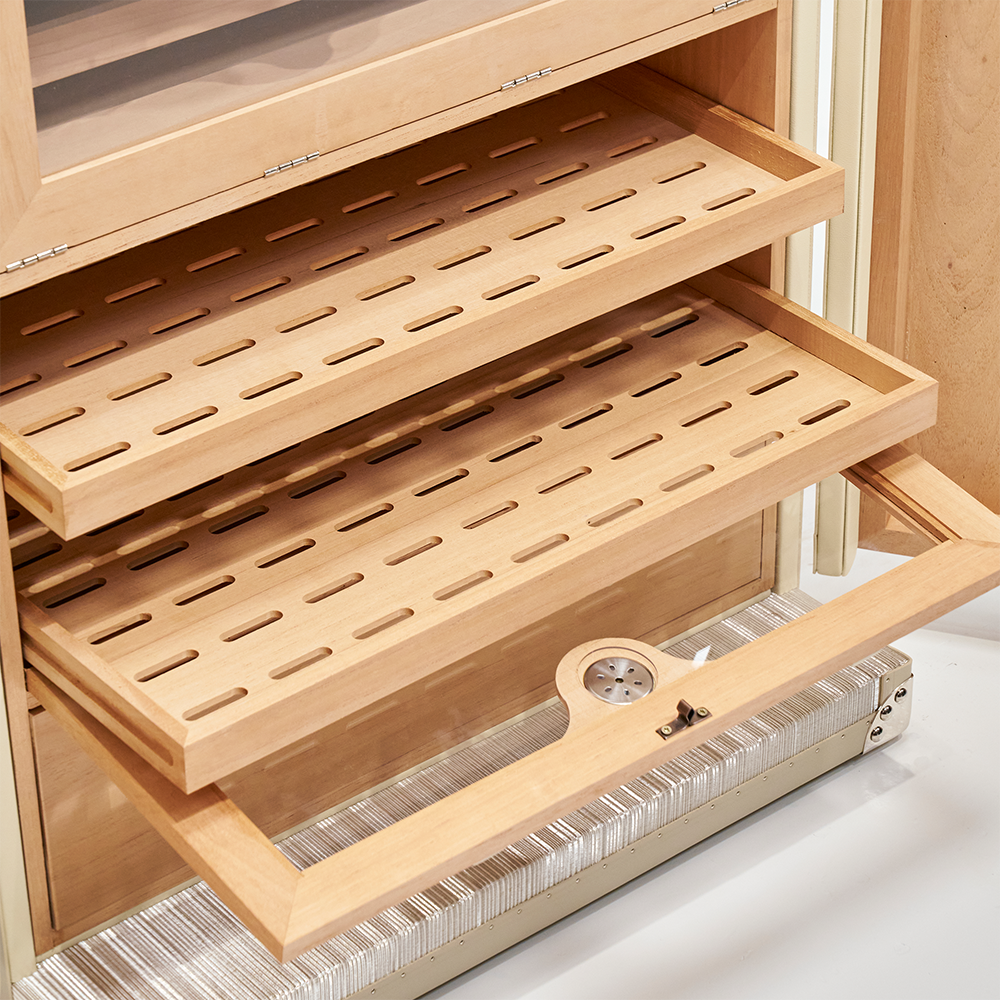

اترك تعليقًا
This site is protected by hCaptcha and the hCaptcha Privacy Policy and Terms of Service apply.