
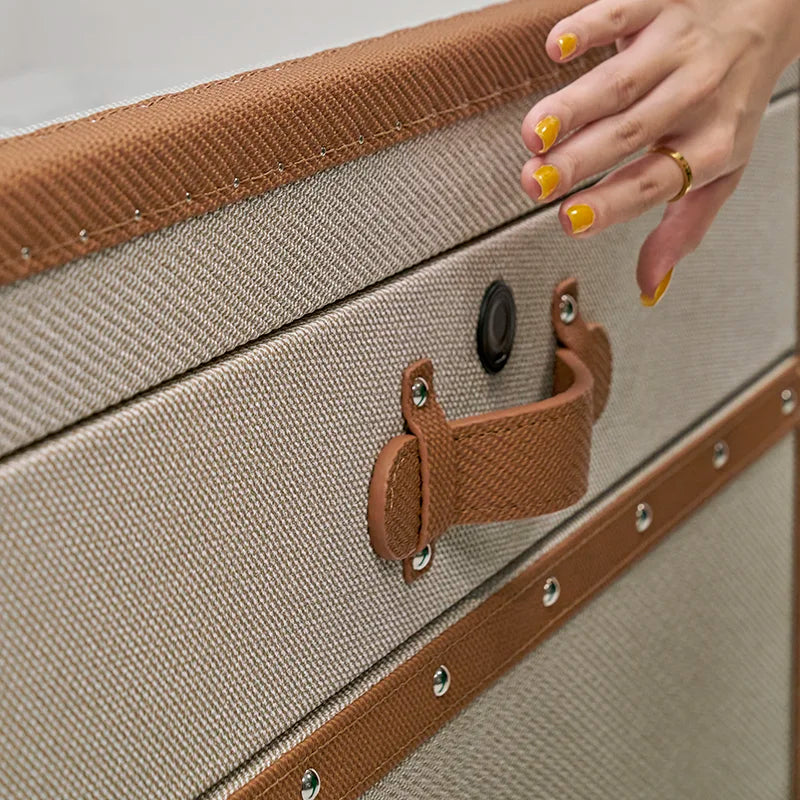
الخزنة المخفية خلف المرآة: دليل للأمن السري في المنزل العصري
بالنسبة للجامع المميز، لا يقتصر الأمان على الردع فقط. إنه فن من فنون التقدير. الخزنة المخفية، المدمجة بسلاسة خلف مرآة، تتجاوز حماية الأصول التقليدية تمامًا. إنها تحول الضرورة الوظيفية إلى ميزة معمارية صامتة، مما يحافظ على قدسية ونقاء غرفة تبديل الملابس الخاصة، أو الجناح الرئيسي، أو جدار المعرض. هذا هو الأمان الذي لا يُعلن عن نفسه أبدًا، مصمم لأولئك الذين يقدرون الخصوصية باعتبارها الرفاهية القصوى.
يستكشف هذا الدليل مبادئ تكليف مثل هذا الحل، من الميكانيكا المعقدة للإخفاء إلى المواصفات الحرجة، والتي غالبًا ما يتم تجاهلها، للخزنة نفسها.
- معيار سيراي: التحقق من الأمان الحقيقي بعد الإخفاء
- لماذا الإخفاء بالمرآة: فن الحماية غير المرئية
- الحلول المتكاملة: المرايا المنزلقة مقابل الأبواب المخفية
- اعتبارات رئيسية: آليات القفل وبروتوكول التثبيت
معيار سيراي
الحكم الفني: يجمع حل الأمان المخفي الحقيقي بين آلية مرآة مصممة بدقة (على سبيل المثال، الانزلاق، المفصلات) وجسم خزنة مصنف ماديًا، وليس مجرد صندوق معدني مزخرف. يتطلب التحقق من مقاومة معتمدة للدخول القسري والحريق، وهو معيار غالبًا ما يكون غائبًا في عروض السوق الشاملة.
التمييز بين منتج إخفاء بسيط ومنشأة أمنية مكلفة يكمن في الأداء القابل للتحقق. بينما تركز العديد من عناصر الكتالوج بشكل جيد على التمويه، فإنها غالبًا ما تهمل سلامة الخزنة نفسها. نهج سيراي، على النقيض من ذلك، يولي الأولوية لتفويض مزدوج: التكامل الجمالي الخالي من العيوب والحماية المادية التي لا تساوم.
| العَرَض | المواصفات أو الآلية | التحقق |
|---|---|---|
| صندوق مخفي لا يقدم مقاومة حقيقية. | الحل المخصص يدمج جسم خزنة معتمد وعالي الأمان. | يتحقق فريق التركيب من لوحة تصنيف الأمان أو الحريق الرسمية للخزنة أثناء التسليم. |
| آلية القفل تتعطل في حالة انقطاع التيار الكهربائي. | وصول احتياطي: مفتاح ميكانيكي يدوي، طاقة بطارية مستقلة للأقفال الإلكترونية. | اختبار النظام أثناء التشغيل، بما في ذلك سيناريوهات انقطاع التيار الكهربائي المحاكاة. |
| آلية الانزلاق تصدر ضوضاء أو تهتز. | منزلقات كروية دقيقة بسعة تحميل معايرة. | عرض مادي لتشغيل صامت بلمسة واحدة في صالة عرضنا في دبي. |
يضمن هذا المعيار أن يوفر الحل راحة البال الحقيقية، ويحمي الأصول من الاكتشاف العرضي والهجوم القوي المتعمد.
السر وراء المرآة: حالة الإخفاء بالمرآة
الخلاصة: تستخدم حلول الإخفاء بالمرآة التثبيت المتدفق، غالبًا ضمن معيار مسمار الجدار 14-1/2 بوصة، لإنشاء واجهة سلسة. يخفي هذا حجرة آمنة دون تغيير الخطوط المعمارية للغرفة بأي شكل من الأشكال.
يكمن الجاذبية الأساسية للخزنة المخفية خلف المرآة في قدرتها الكامنة على الاندماج في الخلفية. في فيلا دبي المصممة بدقة، يمكن أن تكون الخزنة التقليدية وجودًا مزعجًا وغير متناسق. على النقيض من ذلك، فإن حل المرآة يعزز المساحة بالفعل. يمكن أن يعمل كمرآة تبديل ملابس بطول كامل أو ميزة جدارية زخرفية، كل ذلك مع حماية ما هو الأكثر قيمة.
يتعلق هذا النهج بالحفاظ على الانسجام الجمالي المطلق. سواء في خزانة ملابس داخلية بسيطة أو غرفة نوم رئيسية مجهزة بشكل كلاسيكي، تظل الآلية غير مرئية تمامًا. تصبح المرآة نقطة محورية في الغرفة، وتسحب العين بأناقة بعيدًا عن وظيفتها الثانوية الوقائية. إنه أمان من خلال التضليل - بيان أنيق وواثق بالخصوصية.
ما وراء الخزنة: مرايا منزلقة، أبواب مخفية، وحلول متكاملة
الحكم الفني: تعمل أنظمة المرايا المنزلقة، مثل تلك المستوحاة من BlumSafe، على منزلقات كروية شبه صامتة للوصول المتكرر وبأقل احتكاك، بينما تؤمن أبواب الإخفاء الكاملة، مثل تلك من Hide-A-Way Doors، غرفًا بأكملها باستخدام مفصلات مخفية شديدة التحمل و إطار خشبي صلب كبير.
يعتمد الاختيار بين المرآة المنزلقة والباب المخفي بالكامل كليًا على حالة الاستخدام. بالنسبة لمجموعة خاصة داخل جناح رئيسي، حيث يكون الوصول اليومي إلى الساعات والمجوهرات أمرًا بالغ الأهمية، توفر المرآة المنزلقة التوازن المثالي بين الراحة والتقدير. تكون الحركة سلسة، شبه صامتة، مما يسمح بالوصول دون إزعاج هدوء المكان. تم تصميم هذه الأنظمة عادةً للتثبيت داخل تجاويف الجدران الموجودة، مما يقلل من الحاجة إلى أعمال هيكلية كبيرة.
على النقيض من ذلك، يخدم باب المرآة المخفي غرضًا مختلفًا وأكثر عمقًا. إنه لا يخفي خزنة فحسب، بل يخفي مساحة كاملة - غرفة آمنة، أو مكتب خاص، أو قبو أكبر. تم تصميم هذه الأبواب كأبواب كاملة ومُعلقة مسبقًا تحل محل باب قياسي، مصممة للاندماج بشكل مثالي وغير مرئي مع الجدار المحيط. بينما هي أقل ملاءمة للوصول المتكرر المطلوب لخزانة لف الساعات، فإنها توفر مستوى لا مثيل له من الخصوصية لمنطقة بأكملها.
✍️ رؤية الخبراء: العامل الحاسم في أي آلية انزلاقية أو مفصلية هو التسامح. أو بالأحرى، شبه غيابه. يظهر النظام عالي الجودة صفر ترهل، وحركة صامتة، وملاءمة مثالية ومتدفقة عند الإغلاق. يتحقق ذلك من خلال الهندسة الدقيقة والمواد المختارة للأداء في المناخ المتطلب للخليج، مما يضمن ثباتًا لا يتزعزع على الرغم من الحرارة والرطوبة. —— مختبر صيانة سيراي.
التكليف والتركيب: آليات القفل والتكيف المكاني
الحكم الفني: توفر خزائن الإخفاء الحديثة ثلاثية من تقنيات الوصول — قفل RFID، فتح قفل تطبيق Bluetooth، و القفل البيومتري — لكل منها ملفات موثوقية مميزة في ظل ظروف مثل فقدان الطاقة أو فشل الشبكة.
يعد اختيار آلية القفل الصحيحة خطوة حاسمة في تكليف خزنة مخفية. تقدم كل تقنية مجموعة فريدة من الاعتبارات للجامع.
تقييم تقنيات الوصول
- أقفال القياسات الحيوية: توفر أجهزة قراءة بصمات الأصابع عالية الجودة وصولاً فوريًا بدون مفتاح، وهي آمنة ومريحة للغاية. تعتمد موثوقيتها على جودة المستشعر ومصدر طاقة ثابت، وعادة ما تكون بطارية داخلية طويلة الأمد مع مؤشر طاقة منخفض واضح ونقطة اتصال طاقة طوارئ خارجية.
- قفل RFID: تستخدم هذه الطريقة بطاقة أو شريحة خفية للوصول. وهي موثوقة للغاية وتعمل بشكل مستقل عن الشبكات أو بطاريات الهواتف الذكية. تكمن نقطة ضعفها الوحيدة في الأمان المادي لبطاقة الوصول نفسها.
- فتح قفل تطبيق Bluetooth: يوفر هذا تحكمًا مريحًا عبر الهاتف الذكي ويتيح ميزات قوية مثل سجلات الوصول. ومع ذلك، فإنه يقدم تبعية لبطارية الهاتف، واستقرار التطبيق، واتصال Bluetooth. تخفف الأنظمة ذات السمعة الطيبة من ذلك من خلال توفير تحذيرات بانخفاض البطارية وبروتوكولات فتح آمنة من الفشل قبل نفاد طاقة الوحدة بالكامل بوقت طويل.
توفر الحلول الأكثر قوة، بالطبع، طرق وصول متعددة، مما يضمن أنك لن تكون محبوسًا أبدًا. على سبيل المثال، يوفر الماسح البيومتري المقترن بمفتاح ميكانيكي يدوي خفي كلاً من الراحة الحديثة واليقين التماثلي.
خلال عملية التكليف، يجري فريق التركيب الرئيسي لدينا تقييمًا شاملاً للموقع لضمان تكامل الحل المختار بسلاسة مع مسكنك. يتضمن ذلك التحقق من الملاءمة الهيكلية، والتخطيط لتركيب هادئ وسري، وتقديم تسليم شامل يغطي جميع ميزات التشغيل والأمان.
لإنشاء حل أمان مخفي لمجموعتك الخاصة، ندعوك لجدولة استشارة خاصة مع المتخصصين لدينا. يتم تنظيم عملنا من صالة عرضنا في دبي وتكليفه لعملاء مميزين في جميع أنحاء الإمارات العربية المتحدة، والشرق الأوسط وشمال أفريقيا، والمملكة العربية السعودية. يرجى توجيه استفساراتك إلى خط كبار الشخصيات لدينا على الرقم +971 55 886 6180 أو عبر البريد الإلكتروني على info@siraecasa.com. تقع صالة العرض في الطابق الأول من مجمع الشفار، شارع شاطئ جميرا، أم سقيم 1، دبي، مع إمكانية المشاهدة عن طريق المواعيد الخاصة. يمكن العثور على مزيد من التفاصيل على https://www.siraecasa.com.
الأسئلة المتكررة
هل يمكن تركيب خزنة بشكل سري دون إحداث إزعاج كبير؟
نعم. في معظم المساكن في الإمارات العربية المتحدة، يمكن إضافة خزنة بشكل سري دون إحداث إزعاج كبير، لأن العمل يتكيف مع نجارتك الموجودة بدلاً من إعادة بناء الغرفة. يمكن أن يتم تركيب خزنة مدمجة مقاومة للحريق والسرقة في تجويف الجدار خلف مرآة منزلقة أو مفصلية لغرفة تبديل الملابس، أو تركيبها بشكل متساوٍ داخل خزانة ملابس، أو دمجها في درج خزنة مدمجة في خزانة مخصصة ومصنفة للحفظ. تكتمل معظم التركيبات في زيارة موقع واحدة هادئة، دون هدم هيكلي كبير وبأقل قدر من الإصلاح. تُكلف سيراي هذه التركيبات المخفية في جميع أنحاء دبي والإمارات العربية المتحدة، حيث يتم تحديد حجم الخزنة والآلية لمساحتك خلال مسح خاص.

اترك تعليقًا
This site is protected by hCaptcha and the hCaptcha Privacy Policy and Terms of Service apply.