
Indian Bridal Jewellery Storage in the UAE: A Guide for Kundan & Jhumka
A Collector's Guide: Preserving Indian Bridal Jewellery in the UAE
The intrinsic value of Indian bridal jewellery transcends its material worth. Pieces of Kundan jewellery, heirloom Jhumka earrings, and sacred Temple jewellery are not merely adornments; they are vessels of heritage, carrying the emotional weight of legacy from one generation to the next. For discerning collectors in the UAE, however, stewarding this legacy presents a unique environmental challenge. The region's persistent high heat and humidity are formidable adversaries to delicate craftsmanship.
Simply storing these treasures is insufficient; they require active preservation. The traditional methods that suffice in cooler, drier climates often fail, and in some cases, actively harm precious metals and gemstones here. Understanding the science of climate control is paramount to ensuring the provenance and brilliance of your collection endures.
Guide to This Commission
- The Science of Jewellery Degradation in a Gulf Climate
- Preservation Challenges of the UAE Climate
- A Material-Specific Approach: Storing Kundan, Jhumka, and Temple Jewellery
- Beyond the Traditional Box: Professional Climate-Controlled Solutions
The SIRAE Standard
The Bottom Line: Jewellery degradation in coastal, high-heat environments is driven by three primary factors: high relative humidity (RH), airborne saline particulates, and volatile organic compounds (VOCs) off-gassing from improper storage materials.
The Threat of Relative Humidity
High ambient moisture is the principal catalyst for tarnishing and material breakdown. When RH levels consistently exceed 50%, a microscopic film of water can form on surfaces, creating an electrolyte that accelerates chemical reactions on metals. For pieces like Kundan, this moisture can creep behind the gemstone settings, compromising the delicate foil work.
The Peril of Oxidation and Corrosion
Oxidation is the chemical reaction that causes metals to tarnish or corrode. In the presence of humidity and atmospheric pollutants common in coastal cities, this process is significantly expedited. Even high-purity 24k Gold, while resistant to simple tarnishing, can be affected when alloyed or when its delicate foil backings are exposed to prolonged dampness in an enclosed space, leading to a loss of lustre and structural integrity.
Micro-Abrasions and Material Fatigue
Improper storage materials, particularly those that are not chemically inert, pose a significant risk. Traditional Velvet boxes can become problematic; the fabric itself is hygroscopic, meaning it absorbs and holds moisture from the air, creating a microclimate of dampness directly against the jewellery. Furthermore, dust and microscopic debris trapped in the pile can cause micro-abrasions on polished surfaces with every movement.
Jewellery Preservation in the UAE Climate: The Unique Challenge of Heat and Humidity
Technical Verdict: Ambient relative humidity (RH) frequently exceeding 60% combined with temperatures over 30°C and saline coastal air accelerates the oxidation of gold foil in Kundan and Polki settings and compromises the organic components and adhesives in traditional jewellery.
The climate of Dubai and the wider Gulf region is fundamentally hostile to the long-term integrity of fine jewellery. The challenge is not merely heat or humidity in isolation, but their relentless combination, often compounded by airborne salinity near the coast. This environment creates a perfect storm for accelerated ageing.
When a piece is moved from a cool, air-conditioned villa into the ambient outdoor humidity, even for a short time, microscopic condensation can form on its surfaces. Over time, this repeated cycle of moisture exposure stresses the materials. Traditional storage solutions, designed for more temperate European or North Indian climates, are simply not engineered to counteract this persistent environmental assault.
A Material-Specific Approach: Storing Kundan, Jhumka, and Temple Jewellery
Technical Verdict: The hygroscopic nature of traditional velvet, satin, and leather boxes traps ambient moisture, fostering mould and accelerating chemical degradation on Kundan foil, Temple jewellery alloys, and the intricate, hollow structures of Jhumka earrings.
Not all Indian bridal jewellery shares the same vulnerabilities. A sophisticated preservation strategy requires a nuanced understanding of the unique materials and construction techniques of each style.
Kundan and Polki Jewellery
The defining characteristic of Kundan and Polki jewellery is the use of highly refined gold foil to secure uncut gemstones. This foil is exceptionally delicate and susceptible to moisture damage. When stored in a damp environment, the lack of air circulation causes the gold to oxidise, leading to discolouration that irreversibly dulls the piece's brilliance. The foil can lift or corrode, loosening the stones and destroying the heirloom's value.
Temple Jewellery
Characterised by its robust forms, often crafted from solid gold and depicting deities, Temple jewellery is less fragile than Kundan. However, its intricate carvings and three-dimensional motifs create countless crevices where dust, oils, and moisture can accumulate. If not stored in a clean, dry environment, these trapped contaminants can lead to a gradual loss of lustre and become extremely difficult to remove without professional intervention.
Jhumka Earrings
The beloved bell shape of Jhumka earrings often involves complex, multi-layered construction, sometimes with hollow elements. This complexity is their greatest vulnerability. Moisture can become trapped within the internal structure, causing corrosion from the inside out. This is a particular concern for inherited pieces, where the signs of internal degradation may not be visible until significant damage has occurred.
Beyond the Traditional Box: Professional Climate-Controlled Solutions
Technical Verdict: Professional storage solutions actively regulate internal relative humidity to a stable 35-45%, utilising inert, non-reactive linings like microfiber suede to eliminate the risk of contact-based chemical reactions and prevent micro-abrasions common in passive storage.
For collections of significant value, moving beyond passive storage is not a luxury, but a necessity. The issues of mould-prone velvet boxes and the stagnant, humid air of bank vaults can be entirely circumvented with modern preservation technology.
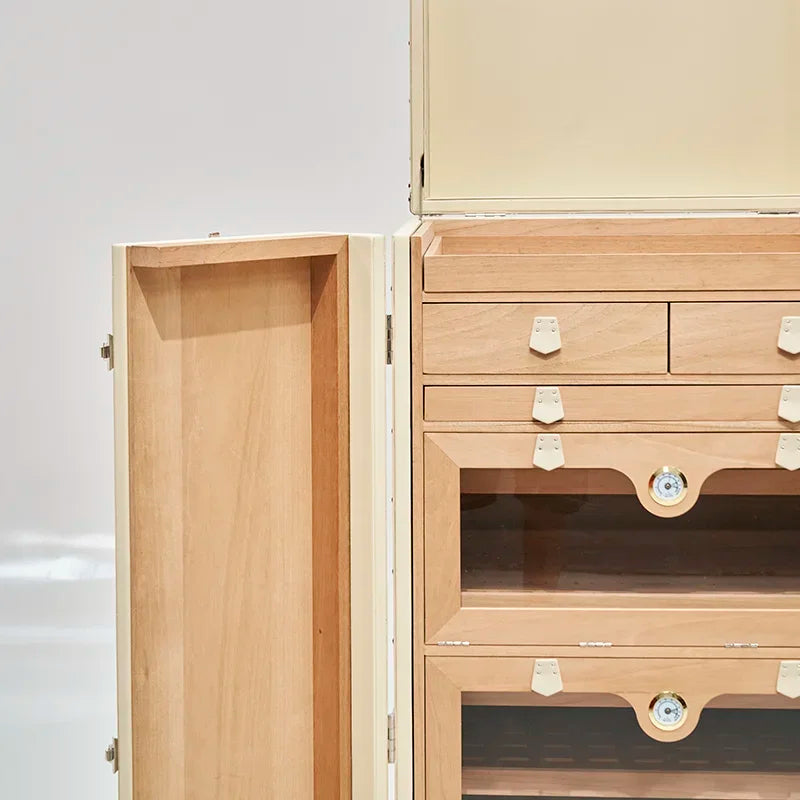
The professional alternative is a climate-controlled storage cabinet, often referred to as an electronic dry cabinet. These systems are engineered to maintain a constant, optimal level of humidity, actively removing excess moisture from the internal environment. This provides a stable atmosphere that halts oxidation in its tracks, creating a sanctuary for your most precious heirlooms. This directly addresses the risk of oxidation seen in pieces stored long-term in bank safe deposit boxes.
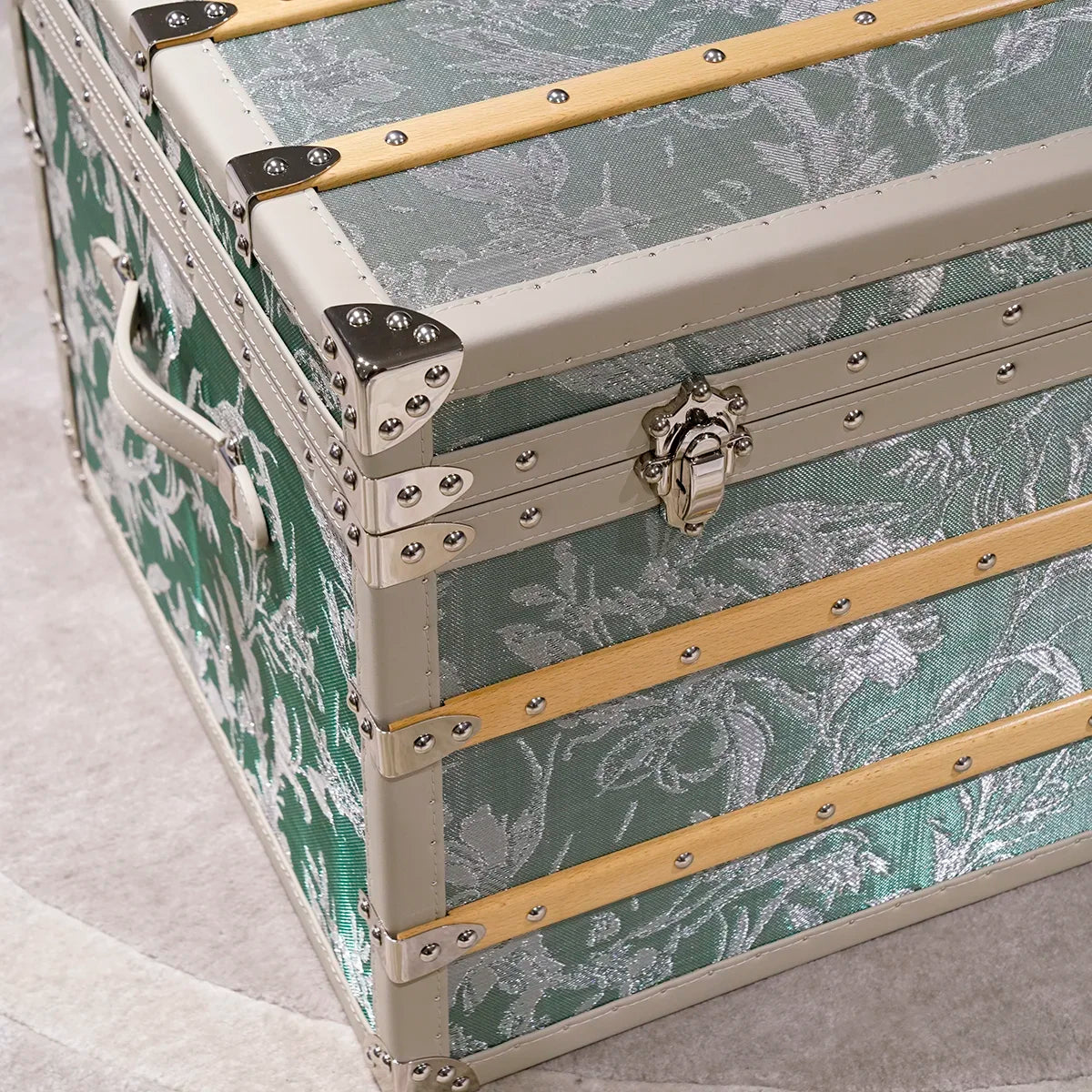
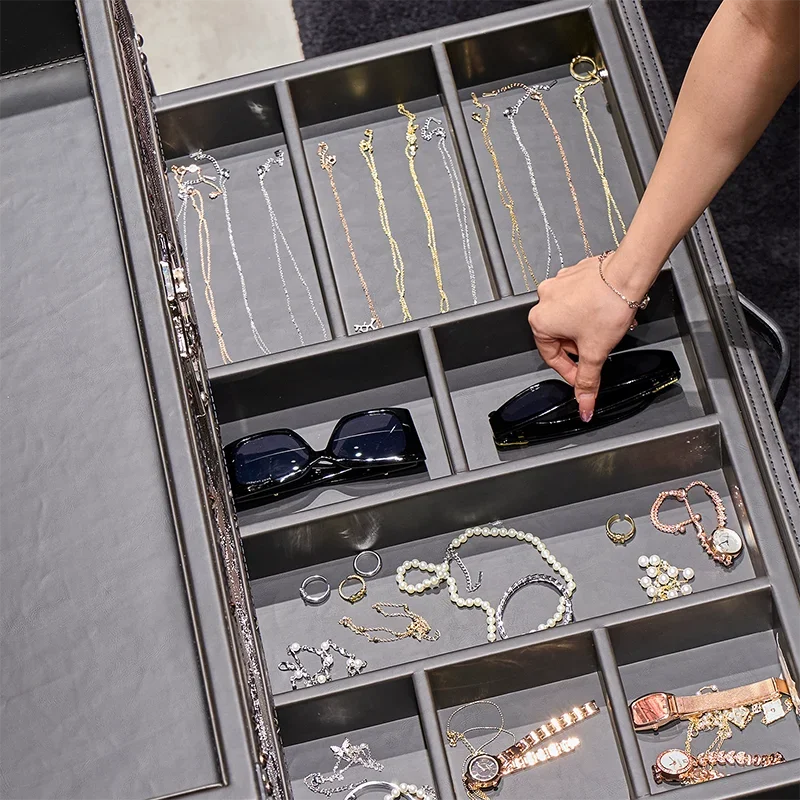
A commissioned cabinet offers a sanctuary within the home, combining impenetrable security with an environment that actively preserves. Lined with chemically inert materials like microfiber suede, these solutions ensure that the only thing touching your jewellery is a soft, non-reactive surface. This provides the ideal breathable, secure, and climate-stabilised environment for ensuring that pieces passed down to you can one day be passed to the next generation in pristine condition.
The stewardship of a family’s legacy deserves a standard of care that honours its profound significance. By embracing a preservation-grade approach, collectors can ensure their most treasured pieces remain as brilliant as the day they were crafted, secure against the challenges of time and climate.
https://www.siraecasa.com
How should bangles and jhumkas be stored?
Bangles belong in a dedicated bangle storage box with padded rods that keep sets stacked in wearing order without scratching, while jhumkas need an earring box with individual cushioned wells so the delicate domes and pearl drops never bear weight. For a complete bridal trousseau, a commissioned chest combines bangle rods, jhumka trays and flat kundan compartments in one secure piece.

Leave a comment
This site is protected by hCaptcha and the hCaptcha Privacy Policy and Terms of Service apply.