The Biometric Jewellery Armoire: Blending Instant Access with Fortress-Grade Security
The ritual of selecting a piece of jewellery is a deeply personal moment. It is an intimate dialogue between collector and creation, a quiet reflection. But this quietude demands an unspoken promise: absolute security. The modern answer is found not in a clumsy key or a forgotten code, but in the biometric jewellery armoire—a sophisticated fusion of instantaneous, fingerprint-activated access and uncompromising physical protection, designed to integrate seamlessly into the sanctuary of a private residence.
Here, we explore the defining characteristics of a truly collection-grade biometric armoire. We will look beyond mass-market offerings to examine the meticulous engineering and artistry required to not just store, but to truly safeguard a legacy.
Guide to This Commission
- The Sirae Standard: Core Principles of Biometric Security
- Intelligent Biometrics: Instant Access and Ultimate Security
- From Material to Mechanism: The Construction of a Luxury Armoire
- A Collector's Guide: Selecting the Right Armoire
The Sirae Standard: Core Principles of Biometric Security
The Bottom Line: A collection-grade biometric system is defined not by a single feature, but by a precise orchestration of elements. These include its core sensor technology, its minimal False Acceptance and Rejection Rates (FAR/FRR), the resilience of its redundant power sources, and its crucial integration with certified physical security enclosures.
Understanding Sensor Technology
At the very heart of any biometric fingerprint sensor lies its singular ability: to read and verify a unique biological marker. It's a complex task. Many mass-market units employ basic optical sensors, which are, in essence, tiny cameras capturing a simple two-dimensional image. While functional for everyday use, their performance can be compromised by something as simple as a trace of dust or moisture on a fingertip.
Commissioned-grade systems, by contrast, rely on a more sophisticated method. They utilise advanced capacitive sensors. Rather than seeing a picture, these sensors feel the fingerprint, measuring the minute electrical differences between its ridges and valleys. This creates a complex, three-dimensional digital map—one that is significantly more difficult to deceive and far more reliable under real-world conditions. This is the level of technology crucial for ensuring that access is immediate, yet security remains absolute.
Multi-Modal Access and Failsafes
True security architecture is prescient. It anticipates every eventuality, especially something as mundane as a power interruption. A superior biometric safe is therefore never, under any circumstances, reliant on a single mode of entry.
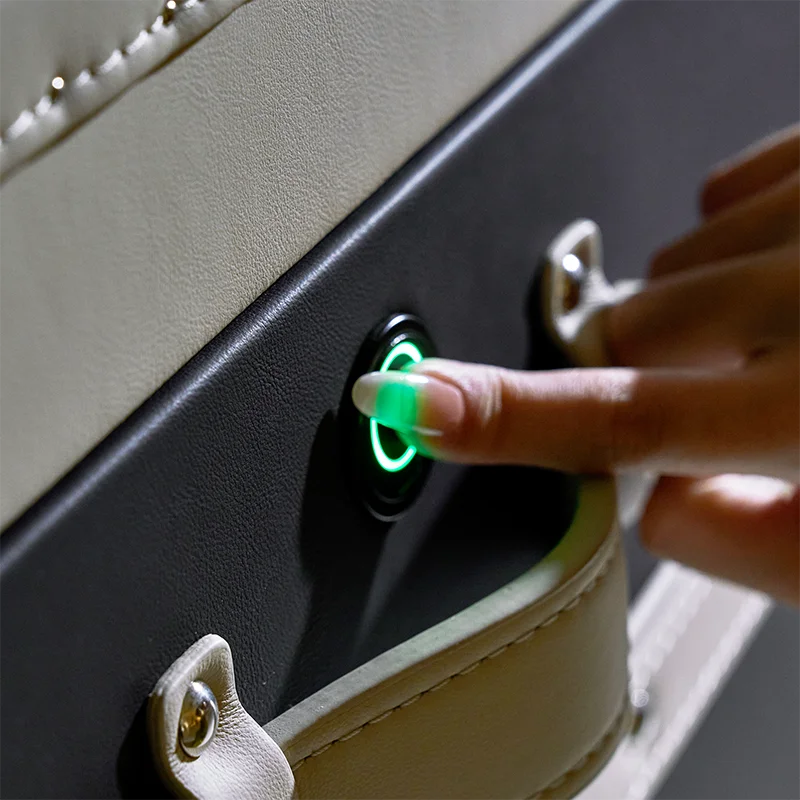
- Primary Access: The biometric sensor provides sub-second entry for the authorised custodian.
- Secondary Access: A discreet smart touchscreen keypad allows for a digital PIN, offering trusted access to family members or staff without requiring their biometric data to be enrolled.
- Tertiary Access: A high-security mechanical key override, concealed from view, ensures access is possible even in the event of complete electronic failure. Additional power contingencies, like a discreet external battery contact point, provide a final layer of unwavering resilience.
✍️ Expert Insight: The industry metric for biometric reliability is the False Acceptance Rate (FAR). It is a stark measure of integrity. While consumer-grade electronics may have a FAR of 1 in 10,000, systems specified for high-value asset protection demand a much stricter standard. To be precise, they require a rate of 1 in 100,000 or better, a figure that ensures the statistical improbability of unauthorised access is all but an impossibility. —— Sirae Preservation Lab.
The Integration of Physical and Digital Security
A sophisticated electronic lock, for all its intelligence, is rendered meaningless if the physical enclosure is vulnerable. The cool, responsive biometric interface must be the gateway to a structure truly engineered for defence. This means pry-resistant doors that seal with a satisfying finality, plates of cold-hardened steel, and robust locking bolt mechanisms that engage on multiple sides, creating a unified, immovable barrier against physical assault.
Intelligent Biometrics: Instant Access and Ultimate Security for Your Jewellery
Technical Verdict: The technical signature of a collection-grade biometric system is unmistakable: laboratory-rated sensors capable of storing over one hundred unique fingerprints, sub-second recognition speeds, and seamless integration with multi-point steel bolt-work. This is all underpinned by redundant power and mechanical key overrides for absolute, unquestionable reliability.
The true measure of a personal vault is found not merely in its resolute denial of access to others, but in the seamless, intuitive welcome it extends to its custodian. It is the difference between simple function and perfect performance. Where standard safes, including those from brands like RPNB, offer convenience, a commissioned piece provides certainty. The sensor technology must be of a grade that performs flawlessly, recognising an authorised print with a quiet immediacy, free from the frustration of repeated attempts—a common, jarring failing in lesser systems.
Advanced systems can store a multitude of fingerprints, allowing a principal client to discreetly grant access to a spouse or trusted family member. This is managed through an interface of elegant simplicity, ensuring that control over the collection remains absolute, yet gracefully flexible. The age-old risks of a misplaced key or a forgotten code simply dissolve, placing access, quite literally, in the owner's hands.
From Material to Mechanism: The Construction of a Luxury Fingerprint Armoire
Technical Verdict: The synthesis of aesthetic and security is a matter of precision and principle. It is achieved through CNC-milled steel bodies, fortified with certified fire/burglar-rated protection and secured by multi-point solid steel locking bolts. The interior tells a different story, one of preservation, with linings of non-reactive materials like archival-grade microsuede or the deep, soft pile of a velvet lining.
A biometric armoire destined for a private villa in Dubai or the wider MENA region must be far more than a secure container. It must be a piece of fine furniture. Here, the crucial integration of uncompromising security engineering and master craftsmanship takes place. The cold, harsh reality of the steel core is entirely concealed within cabinetry that speaks the language of the surrounding interior architecture—finished in the deep grain of rare wood veneers, the supple texture of hand-stitched leather, or the mirror-like sheen of a lustrous lacquer.
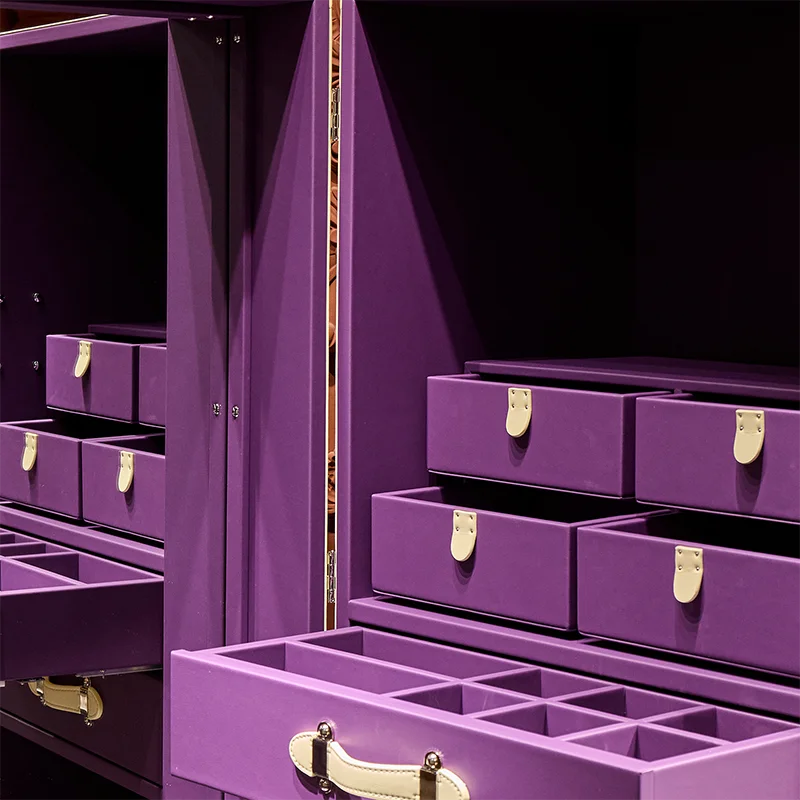
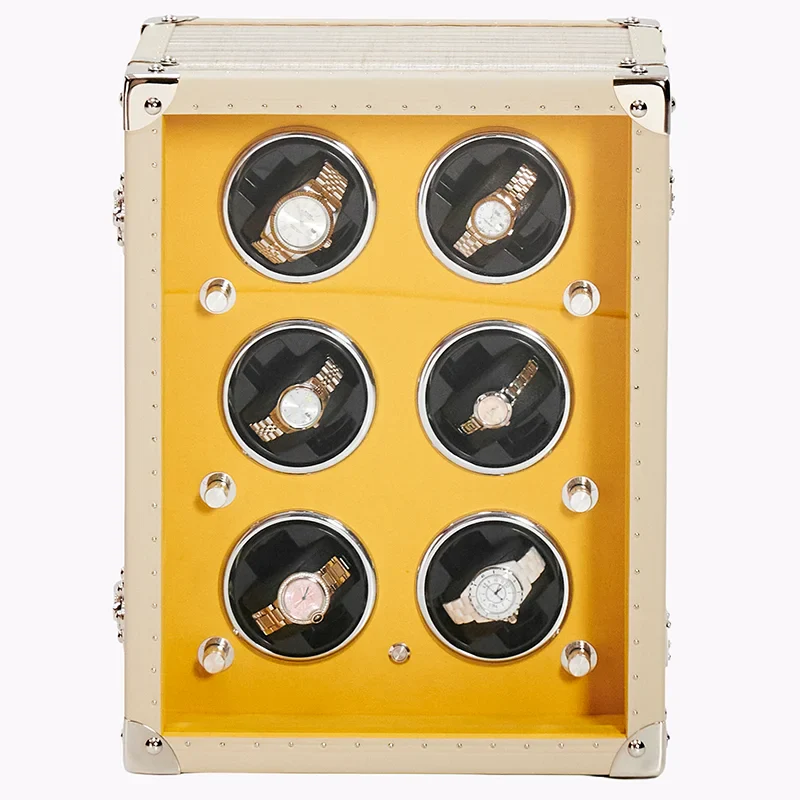
The interior is just as critical. While many standard units make do with materials like PU leather, a collection-grade armoire employs archival-quality linings chosen with scientific care. Plush, soft velvets, technical Alcantara, or specific microsuedes are selected for their perfect chemical neutrality and gentle touch, preventing the faintest of micro-abrasions on delicate precious metals and the facets of gemstones over decades of storage. Every drawer, every divider, every watch cushion is meticulously crafted to provide a soft, secure repository, insulating each piece from shock and movement.
A Collector's Guide: Selecting the Right Armoire for Your Collection and Security Needs
Technical Verdict: The selection process is a careful balancing of priorities. The criteria must weigh the reliability of the biometric system against certified physical security ratings (such as UL or VdS), consider the potential for interior customisation for specific assets like watches and necklaces, and finally, confirm the presence of robust failsafe mechanisms for power outages.
Choosing the right biometric armoire begins with an honest, intimate assessment of the collection it is destined to protect. The scale and nature of your assets—from treasured heirloom necklaces and delicate rings to a growing collection of haute horlogerie—will naturally dictate the interior configuration. While off-the-shelf solutions offer fixed compartments, a commissioned programme allows for an entirely bespoke interior, with drawers dimensioned with millimetre precision for specific, cherished pieces.
Furthermore, one must consider the potential level of physical threat. For irreplaceable assets, specifying a unit with certified fire/burglar-rated protection is simply non-negotiable. This independent, third-party verification provides the ultimate assurance that the armoire can withstand extreme temperatures and a determined physical attack—a level of resilience far beyond the capabilities of any simple residential safe. It is by harmonising these security fundamentals with an aesthetic that elevates your living space that the armoire transcends its function. It becomes not just a vault, but a cherished part of the daily ritual of adornment.
A truly superior security solution announces its presence through quiet confidence and flawless performance, becoming an invisible yet indispensable guardian of a family's legacy.


Leave a comment
This site is protected by hCaptcha and the hCaptcha Privacy Policy and Terms of Service apply.