
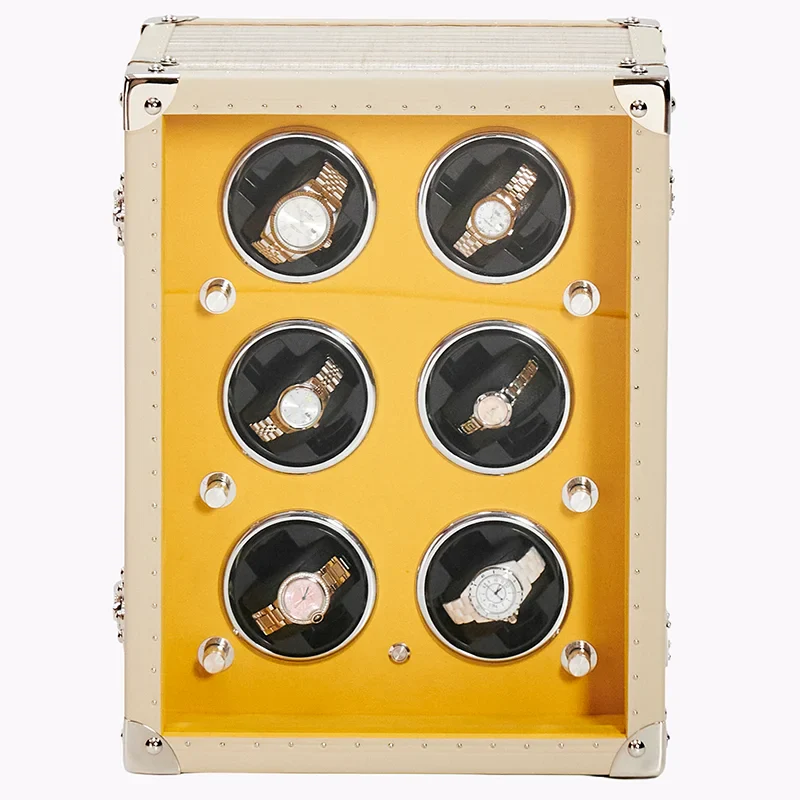
A Connoisseur’s Guide to the Watch Winder as the Ultimate Gift
For the discerning collector, a fine automatic timepiece is more than an instrument for measuring hours. It is a repository of heritage, a marvel of mechanical artistry, and a marker of personal legacy. To gift such an individual a luxury watch winder is to offer not merely an accessory, but a statement of profound understanding—an acknowledgement that the preservation of a masterpiece is as vital as its acquisition. It is an investment in the continuity of a collection’s mechanical soul.
This guide explores the principles behind selecting a winder that transcends utility, becoming an integral part of a connoisseur’s ritual.
Guide to This Commission
- The SIRAE Benchmark: Principles of Mechanical Preservation
- Why the Watch Winder is the Ultimate Gift for a Collector
- Selecting a Winder by Material, Technology, and Heritage
- An Appreciation of Top-Tier Watch Winder Brands
The SIRAE Benchmark: Principles of Mechanical Preservation
Technical Verdict: The primary function of a collection-grade watch winder is to maintain optimal mainspring tension, ensure consistent lubricant distribution across the escapement and gear train, and shield the movement from harmful vibrations and magnetisation, thereby preserving its isochronism and long-term value.
Understanding Mechanical Stress and Lubrication
An automatic watch movement is a delicate ecosystem of micro-components, entirely reliant on specialised oils for its seamless operation. When a watch lies dormant, gravity coaxes these viscous lubricants to migrate away from critical points, like the jewel pivots and escapement pallets.
This leads to increased friction upon restarting, which can cause premature wear. A correctly calibrated winder ensures continuous, gentle motion that maintains lubricant migration at an optimal, life-sustaining level. It safeguards the calibre's delicate balance and can even extend service intervals.
The Imperative of Correct Rotational Programming
Not all automatic movements are created equal. Each calibre possesses a specific requirement for Turns Per Day (TPD) to keep its mainspring sufficiently wound without inducing unnecessary stress. Over-winding can strain the sensitive clutch mechanism, while under-winding fails to keep the watch in its most accurate state of tune.
This is precisely why programmable TPD and directional settings (clockwise, counter-clockwise, or bi-directional) are not features of luxury. They are fundamental requirements for the responsible stewardship of a fine watch collection.
Mitigating Vibration and Magnetisation
The environment in which a watch rests is as critical as the winder itself. Low-grade motors can transmit insidious micro-vibrations directly into the movement. This is a tangible threat, potentially affecting the sensitive balance wheel and compromising timekeeping accuracy.
Furthermore, unshielded electronics can generate magnetic fields that disrupt the hairspring, the very heart of the watch. A superior winder is built around a platform of acoustic and magnetic isolation, often utilising the near-silent hum of German quiet motors and precise engineering to create a true sanctuary for the timepieces it holds.
Why the Watch Winder is the Ultimate Gift for a Collector
The Bottom Line: A watch winder elevates a collection from static display to a state of perpetual readiness. It preserves the mechanical integrity of complex calibres, eliminates the inconvenience of resetting functions, and embodies a profound commitment to the art of horology.
Beyond Convenience: The Ritual of Readiness
For a collector, the ability to choose any timepiece on a moment’s notice—perfectly set, running, and alive—is a profound luxury. A winder transforms this desire into a quiet reality. It eliminates the tedious, and for some intricate pieces, complex ritual of resetting the time, date, and myriad complications. This is especially true for perpetual calendars, where a lapsed power reserve can necessitate an unwelcome visit to a watchmaker.
The true value resonates in the peace of mind it brings. It signifies that each piece is not merely stored, but is being actively and intelligently cared for. The gesture of gifting a winder shows a deep appreciation for the recipient’s passion, understanding that their time is as valuable as the timepieces they collect.
Preserving the Legacy Within the Movement
A fine watch is often an heirloom, an asset intended to traverse generations. A winder is the instrument that ensures this journey remains mechanically sound. By keeping the movement in a state of gentle, consistent operation, it prevents lubricants from coagulating and components from seizing. It preserves the watch not as a static object but as a living piece of engineering, ready for its next chapter.
Gifting a winder is therefore an act of true foresight. It is a contribution to the longevity of a family’s legacy, ensuring that a Patek Philippe or Audemars Piguet passed from one generation to the next is not only cosmetically pristine but also mechanically perfect.
Selecting a Winder by Material, Technology, and Heritage
Technical Verdict: The selection criteria for a collector-grade winder prioritise silent, programmable Swiss or German motor technology, archival-quality interior materials like Alcantara or Nappa leather, and casework crafted with the same precision as the timepieces it houses, often incorporating lacquered wood or carbon fibre inlays.
The Technological Heart
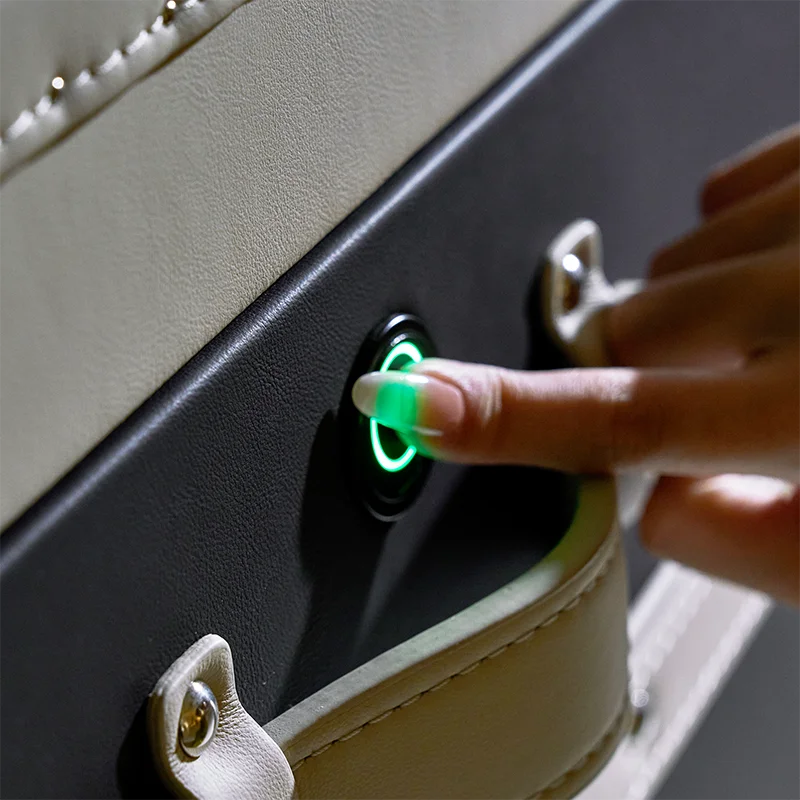
The motor and its control unit are the core of any winder. One should seek out systems offering precise, customisable TPD and directional settings, which can be programmed for each individual watch. Technology like SwissKubik represents a benchmark in this field, often featuring the quiet convenience of Bluetooth connectivity for seamless adjustment via a smartphone application. The motor itself should be virtually silent, a hallmark of superior German or Swiss engineering, ensuring it can reside in a dressing room or study without creating any ambient noise.
The Tactile and Material Dialogue
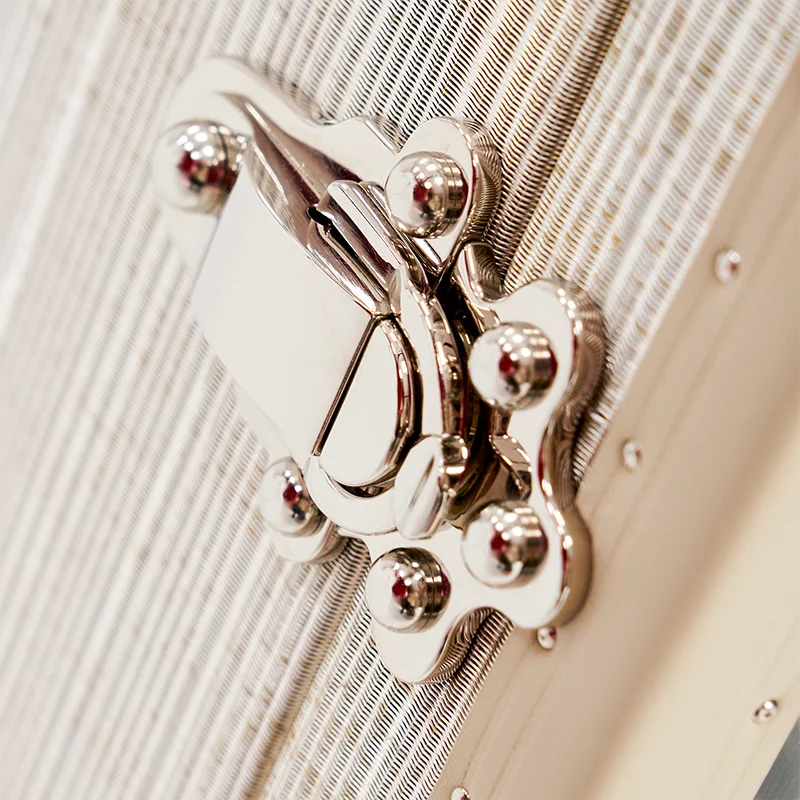
The materials that house the collection are of equal importance. The exterior should complement the owner’s aesthetic, whether that is the timeless warmth of hand-polished wood veneers or the cool, technical appeal of woven carbon fibre.
The interior, however, is a matter of pure preservation. Cushions and linings must be crafted from soft, non-reactive materials such as high-grade microsuede, Alcantara, or the supple grain of Italian Nappa leather. These surfaces prevent micro-abrasions on polished cases and bracelets and ensure the environment remains chemically inert, protecting precious metals and exotic straps from harm.
The Significance of European Craftsmanship
There is a tangible difference between a mass-produced accessory and a winder born from a tradition of European craftsmanship. Houses with a heritage in fine cabinetmaking or leatherwork bring a level of artistry and material understanding that simply cannot be replicated. When considering a gift, discerning the origin—be it Italian leather expertise, German mechanical precision, or Austrian design—lends the object a narrative and an assurance of quality that resonates with the ethos of luxury watchmaking itself.
An Appreciation of Top-Tier Watch Winder Brands
Technical Verdict: Esteemed brands in the watch winder space are defined by their national heritage and technical specialisation; Buben&Zörweg is recognised for its Austrian avant-garde engineering and multi-functional objects of time, while Scatola del Tempo is revered for its pioneering Italian history and mastery of sartorial leather craft.
The Austrian Vanguard: Buben&Zörweg
Known for its bold, architectural designs and uncompromising German-Austrian engineering, Buben&Zörweg creates "objects of time" that often integrate multiple functions, such as humidors or certified safes. Their winders are celebrated for their technical precision, often featuring advanced control panels and the use of modern materials like brushed aluminium and carbon fibre alongside the tactile softness of Nappa leather. For a collection that includes robust, modern sports watches and grand complications, their blend of security and display is a uniquely compelling proposition.
The Italian Pioneer: Scatola del Tempo
As the originator of the very first watch winder, Scatola del Tempo holds an unparalleled place in horological history. Their philosophy is rooted in the artisanal traditions of Italy, with workshops near Lake Como producing winders wrapped in the finest calfskin leathers. Their aesthetic is one of understated, sartorial elegance. For a connoisseur of classic dress watches from houses like Patek Philippe, a Scatola del Tempo winder offers a true connection to heritage, its soft lines and exquisite leatherwork providing a perfectly harmonious home.
Commissioned Cabinetry for the Established Collector
For the individual whose collection numbers from four to over a dozen pieces, or who requires a solution integrated into the design of a private study or dressing suite, the ultimate expression is a commissioned winding cabinet. Such a programme allows for complete personalisation—from the number of winders to the integration of drawers for jewellery or humidors for cigars. This is the preferred route for collectors with large-cased timepieces, such as Panerai or Royal Oak Offshore models, ensuring ample clearance and a presentation befitting the collection's impressive scale. It is a solution that speaks not of a product, but of a personal environment curated for a life of passion.
A watch winder of true quality is more than a gift. It is a silent custodian, a testament to a shared understanding that the greatest luxuries in life deserve to be preserved with diligence and grace.
- The Automatic Watch Winder Cabinet: Silent Motors, EMI Shielding, and Commissioned Multi-Watch Storage for the Discerning Collector
- The Collector's Compendium: Luxury Watch Winder Cabinet Alternatives to Wolf 1834
- The Commissioned 12-Watch Winder Safe: A Guide to Unifying Collection Care and Private Security

Leave a comment
This site is protected by hCaptcha and the hCaptcha Privacy Policy and Terms of Service apply.