
Jewellery Cabinet or Certified Safe? A Guide for Private Collections
A private collection often needs two different forms of protection: thoughtful organisation for pieces worn regularly, and certified security for assets whose value or insurance conditions require it. These needs should not be confused.
What a jewellery cabinet does well
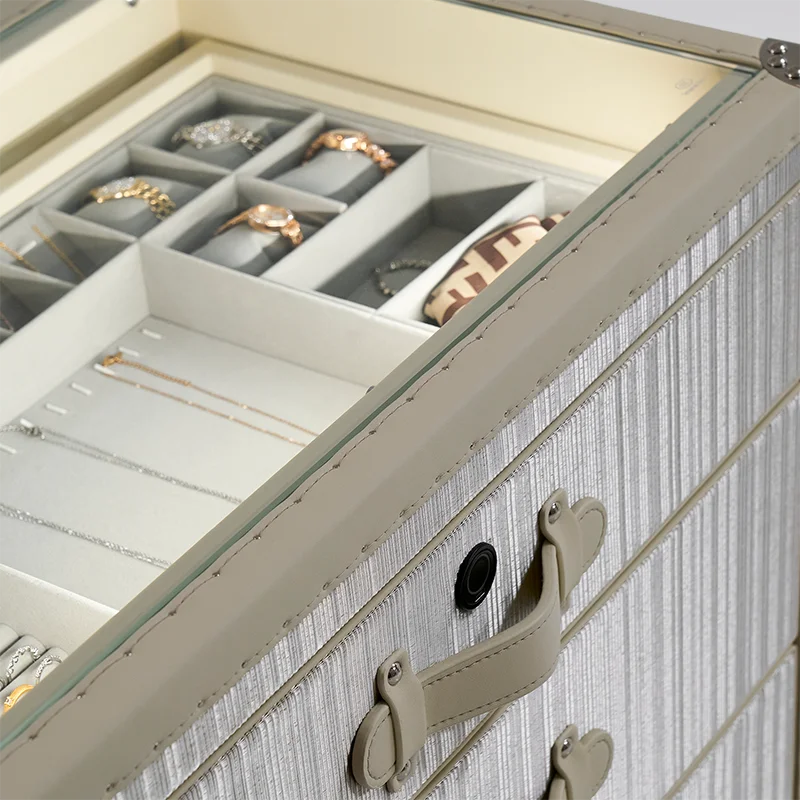
A well-planned cabinet keeps rings, necklaces, watches and personal objects separated, visible and easy to return after wear. Drawers, cushions, lighting and a lock can make daily routines more orderly while reducing tangling, scratching and casual access.
What only a certified safe can claim
Burglary resistance, fire performance and insurable value limits depend on independent test standards, installation and the insurer’s written requirements. Weight, a fingerprint reader or a reinforced-looking door are not substitutes for certification. Request the certificate, grade, lock specification and installation method from the safe supplier.
A practical two-layer approach
Many collectors use a cabinet for the working collection and a separately installed certified safe for the highest-value or rarely worn pieces. The cabinet can be planned around the room and daily ritual; the safe can be selected around documented risk and insurance requirements.
The SIRAE role
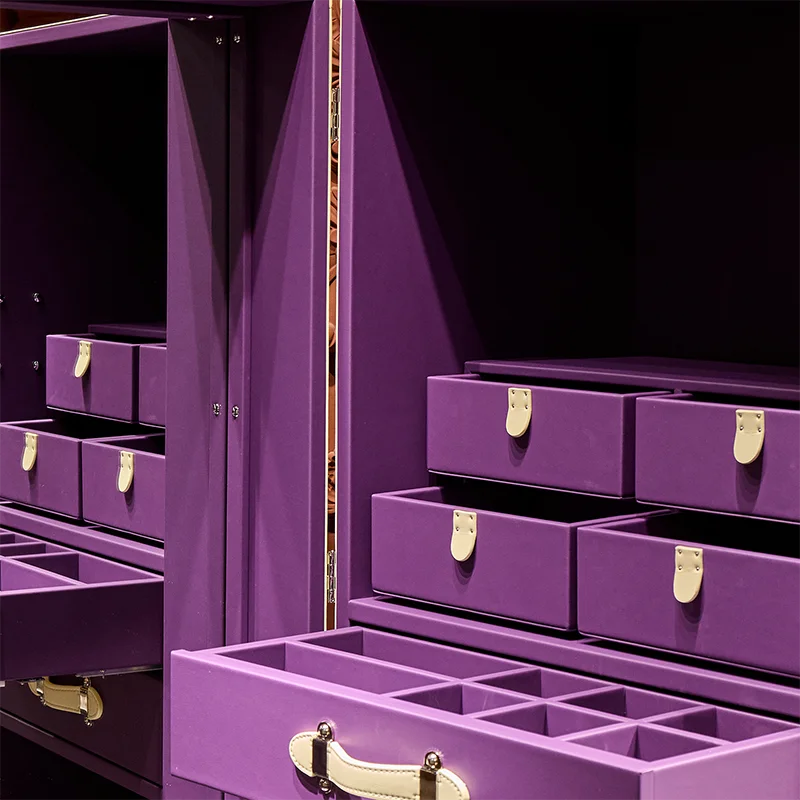
SIRAE focuses on the furniture layer: considered proportions, machine-woven copper wire or microfiber leather according to the model, organised interiors and optional lockable access. Co-creation can refine dimensions, colour and internal layout, but it does not convert the piece into a rated safe.
Speak with SIRAE
Visit the SIRAE showroom in Dubai or contact info@siraecasa.com to discuss the collection, preferred layout and placement. Co-created pieces typically require 4–8 weeks for production after the specification is approved.

Leave a comment
This site is protected by hCaptcha and the hCaptcha Privacy Policy and Terms of Service apply.