
شراء وتخزين أجود أنواع النبيذ والمشروبات الروحية في الإمارات العربية المتحدة: التراخيص والجمارك والتخزين (2026)
شراء وتخزين النبيذ الفاخر والمشروبات الروحية في الإمارات: التراخيص، الجمارك والتخزين
شراء النبيذ الفاخر في الإمارات العربية المتحدة قانوني تمامًا للمقيمين البالغين غير المسلمين — الأسئلة التي تستحق الإجابة الصحيحة هي من أين تشتريه، ما هي القواعد المطلوبة عند نقطة الشراء والحدود، وكيف تخزنه بمجرد وصوله إلى المنزل. المناخ الخليجي قاسٍ على المجموعة: الفيلا الساخنة، المشرقة، والمكيفة هي أسوأ بيئة يمكن أن يوجد فيها صندوق بوردو أو قنينة ويسكي سكوتش قديم. يحدد هذا الدليل الإطار الحالي لعام 2026 للشراء القانوني والمرخص، ومخصصات الجمارك في المطار، ومن أين يشتري المقيمون المرخصون، وشروط التخزين التي يحتاجها القبو الجاد. هذه معلومات عامة للبالغين، وليست نصيحة قانونية.
هل لا تزال بحاجة إلى ترخيص كحول في دبي؟
إجابة سريعة: بالنسبة لمعظم المقيمين البالغين غير المسلمين الذين يشترون من تجار التجزئة المرخصين في دبي، لم يعد مطلوبًا ترخيص شخصي منفصل للمشروبات الكحولية عند الدفع — فمنذ إصلاح عام 2023، تقدم بطاقة الهوية الإماراتية صالحة (وتؤكد أن عمرك 21 عامًا أو أكثر) في MMI أو African + Eastern. يُصدر للسياح تصريح مؤقت مجاني للمشروبات الكحولية عند نقطة الشراء مقابل جواز سفر. يظل الوضع كما هو في عام 2026، ولكن القواعد تختلف باختلاف الإمارات وتتغير بشكل دوري.
تم تخفيف نظام الترخيص الشخصي للمشروبات الكحولية الذي طالما حكم شراء المنازل في دبي عام 2023. حيث كان المقيمون في السابق يحملون بطاقة ترخيص فعلية لشراء الكحول للاستخدام المنزلي، يبيع تجار التجزئة المرخصون الآن للبالغين غير المسلمين الذين تم التحقق منهم عند تقديم الهوية الإماراتية، والتصريح نفسه — حيث لا يزال يصدر — مجاني ورقمي. ويغطي الزوار تصريح كحول سياحي مجاني يصدر في المتجر، وصالح طوال مدة الزيارة النموذجية، مقابل جواز سفر بختم دخول صالح.
هذه هي النقطة الوحيدة التي تخطئ فيها معظم مقالات السفر، لذا تجدر الإشارة بوضوح: تخفيف متطلبات الترخيص يتعلق بـالاحتياكات الإدارية، وليس بالقانون الأساسي. يظل الكحول مقصورًا على البالغين غير المسلمين الذين تبلغ أعمارهم 21 عامًا فما فوق، ويباع فقط من خلال القنوات المرخصة، ويكون حيازته قانونية فقط عند الحصول عليه بطريقة قانونية. الشراء خارج هذا الإطار — التوريد غير الرسمي، والبائعون غير المرخصين — يحمل مخاطر قانونية حقيقية بغض النظر عن مدى سهولة تجربة البيع بالتجزئة الآن.
يرجى ملاحظة: تختلف قوانين الكحول باختلاف الإمارة وتتغير بشكل دوري — دبي وأبوظبي والإمارات الشمالية تضع كل منها قواعدها الخاصة، والشارقة منطقة جافة. تأكد دائمًا من الوضع الحالي من مصادر حكومة الإمارات العربية المتحدة الرسمية (u.ae) وتجار التجزئة المرخصين قبل الشراء أو النقل أو التخزين. هذه المقالة معلومات عامة للبالغين، وليست نصيحة قانونية.
أين يشتري المقيمون المرخصون النبيذ الفاخر والمشروبات الروحية؟
الخلاصة: تاجران التجزئة الرئيسيان المرخصان غير التجاريين في دبي هما MMI (Maritime & Mercantile International) وAfrican + Eastern، وكلاهما يحمل النبيذ الفاخر والشمبانيا والمشروبات الروحية الفاخرة ويوفران خدمة التوصيل للمنازل داخل المناطق المرخصة. مناطق السوق الحرة عند وصول المطار هي قناة قانونية ثانية ضمن مخصصات الجمارك. أبوظبي لديها تجار تجزئة مرخصون خاصون بها؛ الشارقة لا تبيع أي شيء.
بالنسبة للمقتنيات، فإن البيع بالتجزئة المرخص هو المكان الذي يمكن فيه التحكم الفعلي في المصدر والحالة. يخزن تجار التجزئة ذوو السمعة الطيبة المخزون في مستودعات مكيفة، ويوفرون النبيذ الفاخر بمصادر يمكن تتبعها، ويمكنهم تقديم المشورة بشأن قطع ما قبل العرض والقطع المخصصة - وهذا أمر مهم أكثر بكثير لزجاجة بورغندي بقيمة 400 يورو منه لزجاجة عادية. يلخص الجدول أدناه القنوات القانونية وما يناسبه كل منها.
| القناة | من يمكنه استخدامها | الأفضل لـ | ملاحظات |
|---|---|---|---|
| MMI / African + Eastern (تجار التجزئة في دبي) | المقيمون غير المسلمين (هوية الإمارات)؛ السياح (تصريح مجاني) | النبيذ الفاخر، الشمبانيا، المشروبات الروحية الفاخرة، مخزون القبو | توصيل للمنازل داخل المناطق المرخصة؛ تخزين مكيف في المصدر |
| السوق الحرة عند وصول المطار | البالغون غير المسلمين القادمون من الخارج | بضع زجاجات ضمن المخصصات | تخضع للحد الجمركي أدناه؛ أعلن عنها إذا طُلب منك |
| الأماكن المرخصة (داخل المكان) | البالغون غير المسلمين 21+ | الاستهلاك داخل المكان فقط | ليست طريقة لبناء قبو منزلي |
| تجار التجزئة المرخصون في أبوظبي | المقيمون/الزوار غير المسلمين | نفس الفئات، قواعد خاصة بالإمارة | تأكد من المتطلبات المحلية |
| الشارقة | لا أحد | — | إمارة جافة؛ لا بيع أو خدمة أو حيازة |
ملاحظة حول السعر والضريبة: تم تعليق ضريبة البلدية بنسبة 30٪ على الكحول في دبي في بداية عام 2023، ثم أعيد فرضها اعتبارًا من 1 يناير 2025، مع التزام الموزعين الرئيسيين علنًا باستيعاب معظمها أو كلها بدلاً من تمريرها إلى أسعار الرفوف. الاستنتاج العملي للمجمع هو تحديد الميزانية مقابل سعر الرف الحالي لدى بائع تجزئة مرخص بدلاً من مقابل العناوين الرئيسية، لأن تأثير التمرير كان مكتومًا عمدًا.
ما هي مخصصات الجمارك الإماراتية للكحول؟
الحكم الفني: يجوز للبالغ غير المسلم القادم إلى الإمارات العربية المتحدة من الخارج إحضار ما يصل إلى 4 لترات من الكحول أو 24 علبة بيرة (كل منها تصل إلى 355 مل) للاستخدام الشخصي، معفاة من الرسوم الجمركية. لا يتم الجمع بين المخصصين — بل يكون أحدهما أو الآخر. تخضع الكميات التي تتجاوز المخصصات للرسوم الجمركية (المقدرة عادة بنسبة 50٪) بالإضافة إلى ضريبة القيمة المضافة، ويجب الإفصاح عن الكحول إذا طلب منك ذلك. لا يُسمح للمسلمين باستيراد الكحول بغض النظر عن جنسيتهم.
هذا هو الحد الأقصى القانوني لتعبئة المجموعة عبر المطار، وهو متواضع بمعايير الجامع: أربعة لترات تعادل حوالي خمس زجاجات سعة 750 مل قياسية. إنه مسار معقول لزجاجة مخصصة محددة تم شراؤها في الخارج، لكنه ليس طريقة لتزويد قبو - هذا ما هو مخصص للبيع بالتجزئة المحلي المرخص. احمل الإيصال الأصلي لأي شيء ذي قيمة، حافظ على الزجاجات مغلقة أثناء النقل، ومرر الكحول عبر القناة الجمركية الصحيحة بدلاً من الممر الأخضر "لا شيء للإفصاح عنه" إذا كنت غير متأكد.
| البند | الحد الأقصى | ملاحظات |
|---|---|---|
| الكحول (نبيذ/مشروبات روحية) | ما يصل إلى 4 لترات | للاستخدام الشخصي، للبالغين غير المسلمين فقط |
| البيرة | ما يصل إلى 24 علبة (≤355 مل لكل علبة) | بديل لمخصصات الأربعة لترات، وليس إضافة عليها |
| الجمع بين الاثنين | غير مسموح به | اختر الكحول أو البيرة، وليس كليهما |
| فوق المخصصات | رسوم (عادةً ~50%) + ضريبة القيمة المضافة | الإفصاح؛ يتم تقييمها في الجمارك |
| دخول الشارقة | غير مسموح به | لا يجوز إدخال الكحول إلى الإمارة |
ينطبق نفس الانضباط الذي ينطبق على أي إعلان ذي قيمة عالية هنا: التقييم الصادق، والتعبئة المختومة، والمسار الورقي الواضح يقلل من الاحتكاك. إذا كنت تسافر بانتظام بزجاجات مخصصة، فإن دليلنا المصاحب حول الإعلان عن الأشياء الثمينة عند الحدود يتعامل مع عملية الجمارك كمسألة لوجستية بدلاً من القلق.
لماذا المناخ الخليجي هو التهديد الحقيقي للمجموعة
إجابة سريعة: الحرارة والضوء والاهتزاز وتقلبات الرطوبة تؤثر سلبًا على النبيذ الفاخر والمشروبات الروحية — وفيلا دبي تجمع كل أربعة. تعمل مكيفات الهواء الداخلية على تجفيف الجو (غالبًا ما تكون الرطوبة النسبية حوالي 25%) بينما تتجاوز الرطوبة الخارجية الساحلية 80%؛ الزجاج المواجه للغرب يرفع درجات الحرارة الداخلية؛ والرف المفتوح في غرفة مشرقة هو أسوأ مكان يمكن أن توضع فيه زجاجة محفوظة. التخزين المستقر، البارد، المظلم، والقليل الاهتزاز هو ما يحمي القيمة.
النبيذ هو الأكثر هشاشة من الاثنين. الزجاجات المغلقة بالفلين تحتاج إلى أن تظل رطبة، ولهذا السبب يتم تخزينها على جانبها؛ الغرفة الجافة والحارة تتسبب في انكماش الفلين، وتسمح بدخول الهواء وتأكسد النبيذ. الحرارة تسرع الشيخوخة بشكل غير متوقع ويمكن أن "تطبخ" الزجاجة بالكامل. الأشعة فوق البنفسجية والضوء الاصطناعي القوي يفسدان النبيذ أسرع من الانحراف الطفيف في درجة الحرارة، ولهذا السبب يكون القبو مظلمًا. وتقلبات درجات الحرارة — الدورة اليومية لنظام تكييف الهواء الذي يعمل ويتوقف مقابل حرارة الخليج — أكثر ضررًا من درجة حرارة ثابتة تبعد درجة أو درجتين عن المثالية.
المشروبات الروحية أكثر مقاومة ولكنها ليست غير متأثرة. زجاجة الويسكي أو الكونياك المختومة لن تعتق في الزجاجة بالطريقة التي يعتق بها النبيذ، لكن الحرارة والضوء القوي لا يزالان يزيلان الروائح ويغيران اللون، ومن الأفضل تخزين المشروبات الروحية عالية التركيز في وضع رأسي حتى لا يفسد الكحول الفلين. بالنسبة لكلتا الفئتين، الدرس هو نفسه: العدو هو الغرفة المفتوحة والمشرقة وذات الدورة المناخية، والحل هو حاوية تعزلها.
| الحالة | النبيذ الفاخر (للتخزين) | المشروبات الروحية (المختومة) | لماذا يهم |
|---|---|---|---|
| درجة الحرارة | مثالية ثابتة ~12-15 درجة مئوية | باردة، مستقرة، أقل من ~21 درجة مئوية | الحرارة والتقلبات تسرع و "تطبخ"؛ الثبات أفضل من الكمال |
| الرطوبة | ~60-70% رطوبة نسبية | أقل أهمية | الجفاف الشديد يقلص الفلين؛ الرطوبة الشديدة تفسد الملصقات |
| الضوء | مظلم؛ لا أشعة فوق بنفسجية/شمس مباشرة | مظلم؛ تجنب الضوء القوي | الأشعة فوق البنفسجية تفسد أسرع من الانجراف الطفيف في درجة الحرارة |
| الاهتزاز | منخفض؛ غير مضطرب | منخفض | يزعج الرواسب، ويقطع عملية التعتيق |
| وضع الزجاجة | مغلقة بالفلين على جانبها | عمودية | يحافظ على رطوبة الفلين (النبيذ) / بعيدًا عن الفلين (المشروبات الروحية عالية التركيز) |
كيف يحل خزانة المشروبات مشكلة التخزين
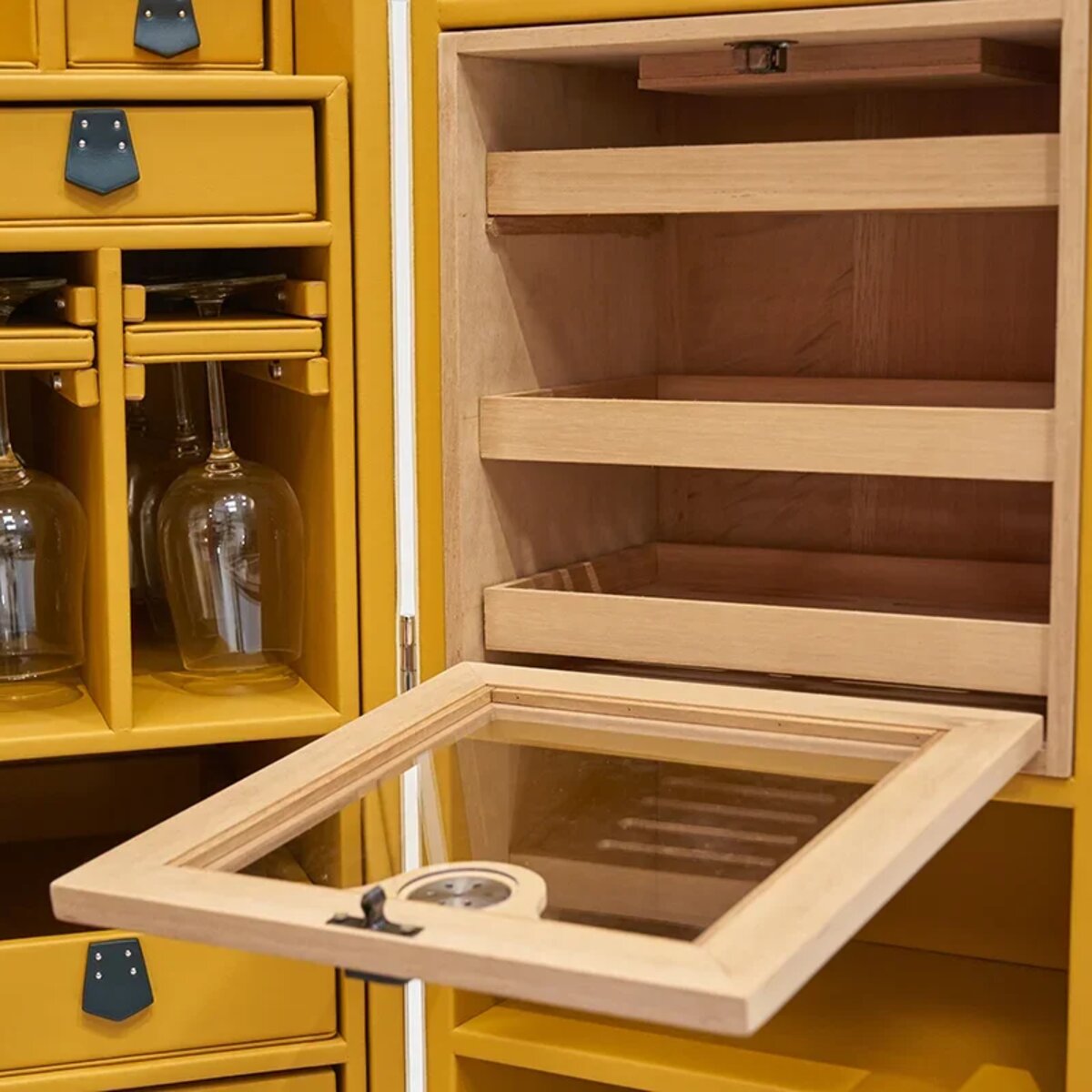
الخلاصة: عدد قليل من المنازل الخليجية يمكنها بناء غرفة قبو ذات درجة حرارة متحكم بها، وعربة بار مفتوحة في مجلس مشمس هي عكس ما تحتاجه المجموعة. توفر خزانة البار أو خزانة المشروبات المصممة جيدًا المسار الأوسط العملي — تخزين مغلق، مظلم، منظم، مدروس مناخياً مع عرض أنيق، يحافظ على الزجاجات بعيدًا عن الضوء المباشر، بعيدًا عن أسوأ دورة تكييف الهواء، وموضوعة أفقيًا أو رأسيًا بشكل صحيح.
الخزانة ليست وحدة تبريد، وهذا الدليل لا يدعي خلاف ذلك — ولكن للمجموعة العاملة اليومية، فإنها تحل معظم ما يهم. الأبواب المغلقة تحمي الزجاجات من الأشعة فوق البنفسجية والضوء المحيط. موقع مدروس في الغرفة — بعيدًا عن الزجاج المواجه للغرب، وبعيدًا عن المطبخ وحرارته واهتزازاته — يخفف من تقلبات درجة الحرارة. تتيح الرفوف الداخلية للنبيذ ذي الفلين أن يوضع على جانبه والمشروبات الروحية أن تقف عموديًا، كل حسب ما ينبغي أن يكون عليه. وهي تفعل كل هذا بتكتم: خزانة عالية الجودة تبدو كقطعة أثاث فاخرة، وليس كعرض لمحتوياتها، مما يناسب الاعتدال المتوقع في المنزل الخليجي.
الشكل الذي تختاره يتبع الغرفة. خزانة بار سيفرين - فضي مطفي هي خزانة قائمة بذاتها، مغلقة بالكامل، تحافظ على تشكيلة النبيذ والمشروبات الروحية بعيداً عن الضوء خلف أبواب صلبة — مناسبة تماماً لغرفة استقبال رسمية أو مجلس حيث يجب أن يكون العرض هادئاً. لمساحة معيشة تعمل أيضاً كمنطقة إعلامية، خزانة بار مايسترو الإعلامية - أسود تدمج تخزين المشروبات في تصميم الغرفة بحيث تظل المجموعة منظمة وغير مزعجة. عندما يكون الهدف أخف — ركن شاي ومقبلات بدلاً من قبو جاد — خزانة بار الشاي إمبرس - وردي زهر توفر نفس مبدأ التخزين المغلق والمنظم بأسلوب أكثر رقة. لمزيد من التفاصيل حول الأشكال وأماكن رؤيتها، راجع دليلنا حول أين تشتري خزانة بار في دبي.
التخزين المسؤول والقانوني في المنزل
إجابة سريعة: حيازة المشروبات في المنزل قانونية عندما يتم الحصول على المحتويات من خلال قنوات مرخصة من قبل شخص بالغ غير مسلم — لذا فإن قرار التخزين يتعلق بالقدر نفسه بـ المصدر والتقدير بقدر ما يتعلق بدرجة الحرارة. احتفظ بالإيصالات وسجلات بائع التجزئة المرخص، وخزّن الكحول بعيدًا عن أنظار الأطفال والضيوف الذين لا يناسبهم، ولا تنقل أبدًا حاويات مفتوحة في السيارة، وتذكر أن قواعد عدم التسامح مطلقًا مع القيادة تحت تأثير الكحول تنطبق لحظة مغادرتك المنزل.
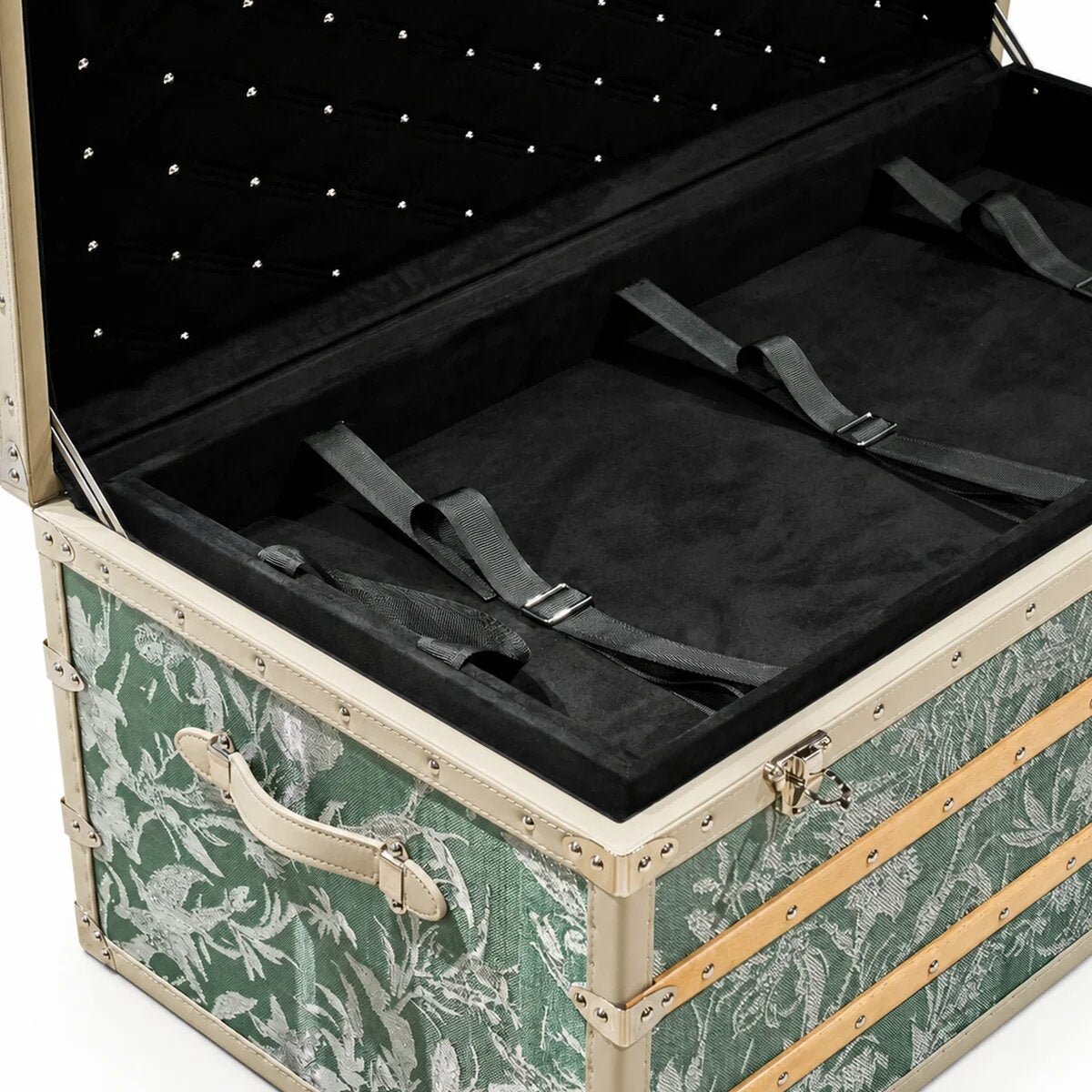
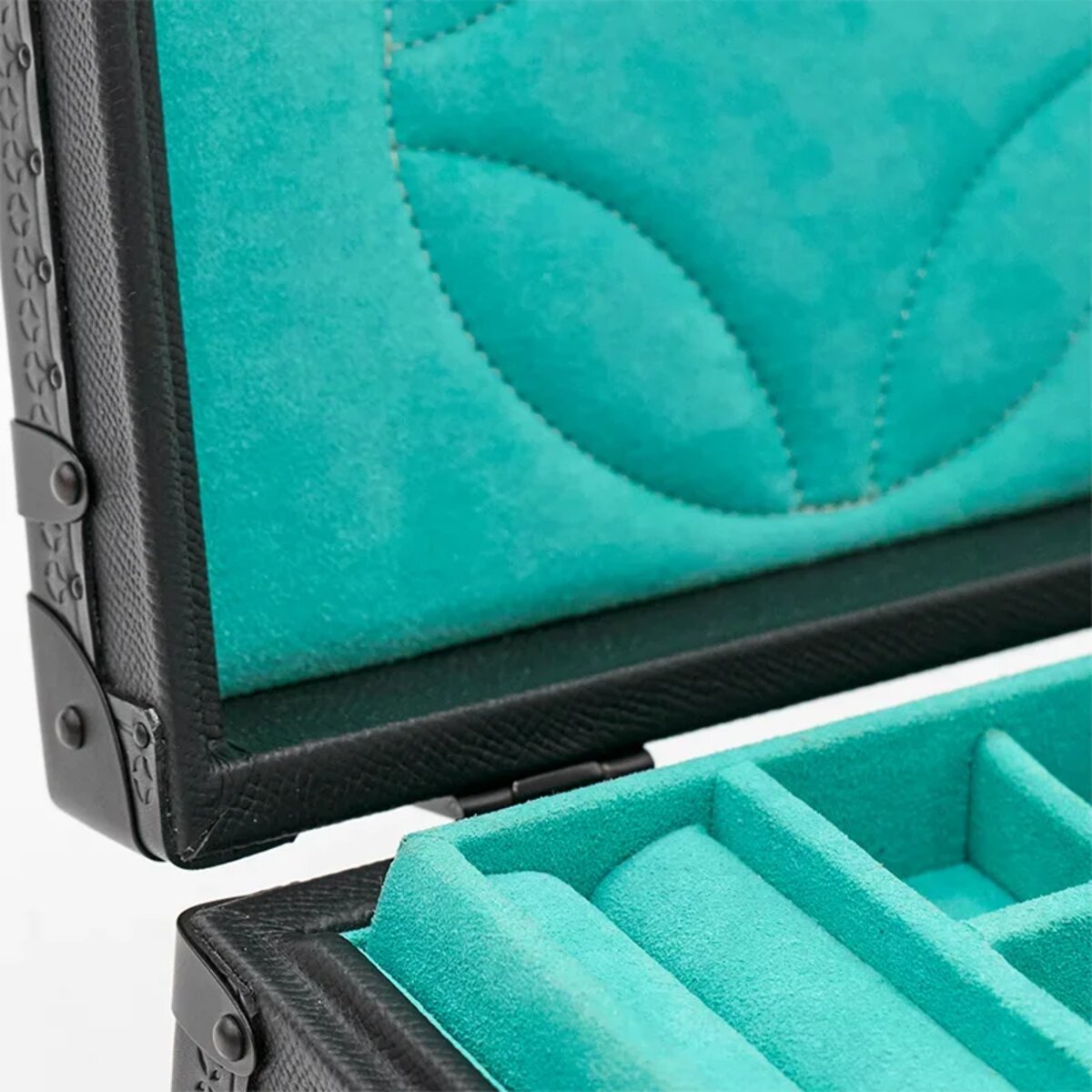
المنظور عالي الجودة يتعامل مع خزانة المشروبات كما يتعامل مع صندوق المجوهرات أو علبة الساعة: كحاوية تنظم وتحمي وتحافظ على الخصوصية. خزانة مغلقة قابلة للقفل تحافظ على مجموعة قانونية بشكل سري في منزل متعدد الأفراد وبعيداً عن متناول القصر — وهي مسؤولية أساسية وليست تعديلاً اختيارياً. كما أنها تحافظ على الأوراق مرتبة: تخزين سجلات الشراء بجانب المجموعة هو نفس الانضباط في إثبات الملكية الذي يطبقه المجمع الجاد على أي أصول.
توجد تذكيران خارج الخزانة ولكن ضمن القانون. أولاً، الحد القانوني لنسبة الكحول في الدم للقيادة في الإمارات العربية المتحدة هو صفر — لا توجد كمية مسموح بها، والعقوبات شديدة — لذا فإن بار المنزل مخصص للمنزل. ثانياً، لا يجوز نقل الكحول إلى الشارقة على الإطلاق. لا يوجد أي من هذا قيد عندما يُفهم؛ إنه ببساطة يؤطر الحيازة المسؤولة والقانونية، وهي النوع الوحيد الذي يتناوله هذا الدليل. للأسئلة الأوسع حول أثاث التخزين المخصص وعالي الجودة، تغطي الأسئلة الشائعة حول أثاث التخزين الفاخر المخصص في دبي التكليف والمواد وأوقات التسليم.
أسئلة متكررة
هل لا يزال المقيمون بحاجة إلى ترخيص كحول لشراء النبيذ في دبي في عام 2026؟ بالنسبة لمعظم المقيمين البالغين غير المسلمين، لم يعد مطلوبًا ترخيص شخصي منفصل للمشروبات الكحولية عند نقطة الشراء. فمنذ إصلاح عام 2023، يبيع تجار التجزئة المرخصون مثل MMI و African + Eastern للبالغين غير المسلمين الذين تم التحقق منهم والذين تبلغ أعمارهم 21 عامًا فما فوق عند تقديم بطاقة الهوية الإماراتية، وأي تصريح يصدر يكون مجانيًا ورقميًا. التخفيف إداري — يظل الكحول مقصورًا على القنوات المرخصة والبالغين غير المسلمين. تختلف القواعد باختلاف الإمارات وتتغير بشكل دوري، لذا تأكد من الوضع الحالي مع بائع التجزئة والمصادر الرسمية لدولة الإمارات العربية المتحدة قبل الشراء.
كم كمية الكحول التي يمكنني إدخالها إلى الإمارات عبر المطار؟ يجوز لغير المسلم البالغ القادم من الخارج إحضار ما يصل إلى 4 لترات من الكحول أو 24 علبة بيرة (كل منها تصل إلى 355 مل) للاستخدام الشخصي، معفاة من الرسوم الجمركية — حوالي خمس زجاجات نبيذ قياسية. لا يمكن دمج المخصصين؛ تختار أحدهما أو الآخر. الكميات التي تتجاوز المخصصات تخضع للرسوم الجمركية (المقدرة عادة بحوالي 50%) بالإضافة إلى ضريبة القيمة المضافة ويجب الإفصاح عنها. لا يُسمح للمسلمين باستيراد الكحول بغض النظر عن جنسيتهم، ولا يجوز حمل أي شيء إلى الشارقة، وهي إمارة جافة.
ما هي الظروف المثالية لتخزين النبيذ في الإمارات؟ يُحفظ النبيذ الفاخر بشكل أفضل في درجة حرارة باردة ثابتة تتراوح بين 12 و15 درجة مئوية تقريباً، عند رطوبة نسبية تتراوح بين 60 و70%، في الظلام، مع اهتزاز منخفض، ومع وضع الزجاجات المغلقة بالفلين على جانبها للحفاظ على رطوبة الفلين. في الخليج، التحدي العملي هو الاستقرار: تعمل أجهزة التكييف الداخلية على تجفيف الجو وتعمل وتتوقف بشكل دوري، بينما تضيف الغرفة المشمسة حرارة وأشعة فوق بنفسجية. تحمي البيئة المتسقة التي تبتعد درجة أو درجتين عن المثالية المجموعة بشكل أفضل من درجة الحرارة المثالية التي تتقلب، ولهذا السبب تعد الخزانة المغلقة والمظلمة والموضوعة بعيدًا عن الزجاج ومصادر الحرارة مهمة.
هل خزانة البار بديل لقبو النبيذ ذي درجة الحرارة المتحكم بها؟ بالنسبة لقبو استثماري جاد طويل الأجل، فإن الوحدة أو الغرفة المخصصة ذات التحكم في المناخ هي المعيار الفني. خزانة البار أو المشروبات هي الحل العملي للمجموعة اليومية التي تحتفظ بها معظم المنازل: فهي توفر تخزينًا مغلقًا، مظلمًا، منظمًا، مدروسًا مناخيًا يحمي الزجاجات من الأشعة فوق البنفسجية، ويعدل تقلبات التكييف من خلال التوضع الدقيق، ويتيح للنبيذ الاستلقاء وللمشروبات الروحية الوقوف بشكل صحيح. كما أنها تحافظ على مجموعة قانونية سرية وبعيدة عن متناول القصر - وهي أولويات الحماية والتنظيم والخصوصية ذات الجودة العالية.
قم بزيارة صالة عرض سيراي في دبي
سواء كنت تشتري نبيذًا فاخرًا في الإمارات للمرة الأولى أو تنظم مجموعة موجودة، فإن قرار التخزين يستحق أن يُتخذ شخصيًا. الفرق بين الرف المفتوح وخزانة المشروبات عالية الجودة يُشعر به في إحكام الباب المغلق، وثبات الرفوف، وأناقة النجارة - وهي صفات لا يمكن للصورة أن تنقلها. احجز موعدًا خاصًا في صالة عرض سيراي، مجمع الشفار، أم سقيم 1، دبي. اتصل على +971 55 886 6180 أو راسلنا عبر البريد الإلكتروني على info@siraecasa.com، وسيقوم فريقنا بمطابقة خزانة بار أو مشروبات تناسب مجموعتك، وغرفتك، وواقع المناخ الخليجي.

اترك تعليقًا
This site is protected by hCaptcha and the hCaptcha Privacy Policy and Terms of Service apply.