
شحن المجوهرات والأشياء الثمينة دوليًا من الإمارات العربية المتحدة: البريد السريع المؤمن عليه مقابل الحمل اليدوي (2026)
شحن المجوهرات دوليًا من الإمارات العربية المتحدة: شركة شحن مؤمنة مقابل حمل يدوي
يعد شحن المجوهرات دوليًا من الإمارات العربية المتحدة قرارًا متعلقًا بالحراسة قبل أن يكون قرارًا لوجستيًا - وأكبر خطأ هو افتراض أن بوليصة شحن البريد السريع القياسية ستحمي قطعة تبلغ قيمتها ستة أرقام بنفس الطريقة التي تحمي بها جهاز كمبيوتر محمول. لن تفعل ذلك. تحد شركات النقل القياسية مسؤوليتها أو تستبعدها عن المجوهرات والأشياء الثمينة؛ القيمة التي تكتبها في النموذج ليست القيمة التي تغطيها. يوضح هذا الدليل المسارات الثلاثة الحقيقية - شركة شحن مؤمنة قياسية، ولوجستيات أمنية متخصصة، وحمل يدوي منضبط - إلى جانب الأوراق الجمركية، وشروط القيمة المعلنة، والتأمين الشامل ضد جميع المخاطر الذي يحدد أيها مناسب لقطعتك ووجهتك وجدولك الزمني.
هل يمكنك شحن المجوهرات دوليًا باستخدام شركة شحن قياسية؟
إجابة سريعة: يمكنك تسليم طرد لـ فيديكس أو دي إتش إل، ولكن الحماية التي تتخيلها هي إلى حد كبير وهم. تحد حسابات البريد السريع القياسية المسؤولية عن المجوهرات عند مبلغ افتراضي منخفض جدًا - فيديكس، على سبيل المثال، تحد المسؤولية والقيمة المعلنة على شحنات المجوهرات بحوالي 1000 دولار أمريكي ما لم يكن لديك برنامج ذو قيمة عالية متعاقد عليه - والقيمة "المعلنة" التي تدخلها هي الحد الأقصى لتعرض الناقل، وليست بوليصة تأمين.
هذه هي النقطة الأكثر سوء فهمًا في شحن الأشياء الثمينة إلى الخارج. القيمة المعلنة والتأمين ليسا نفس الشيء. القيمة المعلنة هي الحد الأقصى لما سيدفعه الناقل إذا ثبتت مسؤوليته عن الخسارة أو الضرر - وتستبعد شروط الناقل أو تقيد بشدة تلك المسؤولية عن البضائع الثمينة في المقام الأول. يسمح برنامج القيمة المعلنة من فيديكس (FedEx Declared Value Advantage) بأرقام أعلى (تصل إلى حوالي 100,000 دولار أمريكي محليًا و 25,000 دولار أمريكي لوجهات دولية مختارة)، ولكنه متاح فقط لأصحاب الحسابات التجارية المؤهلين على أساس تعاقدي، وليس للمقيم الذي يرسل قطعة شخصية.
بالنسبة لقطعة متواضعة - قطعة أزياء، هدية تقل قيمتها عن 3000 درهم إماراتي - يعد استخدام شركة شحن قياسية مع تأمين طرف ثالث كافٍ خيارًا دفاعيًا. أما بالنسبة لأي شيء تصفه بالمجوهرات الراقية، أو ساعة ذات قيمة، أو ذهب استثماري، فإن بوليصة الشحن القياسية هي الأداة الخاطئة. الاستجابة الصحيحة هي إما لوجستيات أمنية متخصصة أو حمل يدوي منضبط، وكلاهما مشمول أدناه.
يرجى ملاحظة: تتغير حدود مسؤولية شركات النقل، وبرامج القيمة المعلنة وقواعد البنود المحظورة وتختلف حسب المسار. تأكد دائمًا من شروط القيمة المعلنة الحالية مباشرة مع شركة النقل الخاصة بك، وتأكد من قواعد تصدير وإعادة دخول الإمارات العربية المتحدة مع جمارك الإمارات العربية المتحدة (ICP) على u.ae قبل الشحن أو السفر.
البريد السريع المؤمن مقابل الخدمات اللوجستية الأمنية المتخصصة مقابل الحمل اليدوي
خلاصة القول: يجب مطابقة المسار مع قيمة القطعة وملف المخاطر الخاص بها. يناسب البريد السريع المؤمن القياسي العناصر منخفضة القيمة وغير الثمينة. أما الخدمات اللوجستية الأمنية المتخصصة - Malca-Amit، Brink's، Ferrari Group - فهي موجودة خصيصًا للمجوهرات والألماس والذهب عالي القيمة، وتوفر تغطية عبور بمسؤولية كاملة، وتخزين في خزائن، ومعالجة جمركية. ويناسب الحمل اليدوي القطع التي سترتديها أو تحتفظ بها في متناول يدك، ضمن حدود الإقرار الجمركي الشخصي.
المسارات الثلاثة ليست قابلة للتبديل؛ فهي تجيب على أسئلة مختلفة. تقارن المقارنة أدناه هذه المسارات كقرار شراء بدلاً من الافتراض التلقائي.
| العامل | البريد السريع المؤمن القياسي (فيديكس/دي إتش إل) | الخدمات اللوجستية الأمنية المتخصصة (Malca-Amit / Brink's / Ferrari) | الحمل اليدوي (تسافر بها) |
|---|---|---|---|
| نطاق القيمة المناسبة | منخفضة - عادةً أقل من بضعة آلاف درهم إماراتي | عالية إلى فائقة الارتفاع - لا يوجد سقف عملي | قطع شخصية؛ تخضع لإقرار بقيمة 60,000 درهم إماراتي |
| مسؤولية الناقل الافتراضية على المجوهرات | منخفضة جدًا (على سبيل المثال، حوالي 1,000 دولار أمريكي) ما لم يتم التعاقد عليها | مسؤولية كاملة أو محدودة بموجب ترتيب، صادرة عن شركة التأمين | لا ينطبق - تأمين سفرك/منزلك هو الذي يحكم |
| تأمين النقل الشامل ضد جميع المخاطر | اشترِ بشكل منفصل من وسيط | مدمج أو مخصص عن طريق وسيط داخلي | تأكد من أن البوليصة تغطي النقل وأثناء التنقل |
| الأوراق الجمركية يتم التعامل معها بواسطة | أنت (فاتورة تجارية، إقرار تصدير) | المتخصص، كمتعامل مع الجمارك | تعلن عند الحدود (الهيئة الاتحادية للهوية والجنسية والجمارك وأمن المنافذ/أفسح) |
| سلسلة الحضانة | مفتوحة - العديد من المتعاملين | مغلقة، مؤمنة، مخزنة في خزائن | حاضن واحد - أنت |
| الأفضل لـ | قطع الأزياء، هدايا منخفضة القيمة | المقتنيات العائلية، الألماس الفاخر، الذهب، مجموعات الساعات | مجموعة سفر منسقة تُلبس أو تُحمل |
يعود سبب اعتماد شركات التشغيل المتخصصة كمسار راسخ لتجارة الألماس والمجوهرات إلى كونها تتحمل المسؤولية الكاملة عن الشحنات أثناء النقل (أو مسؤولية محدودة إذا كنت مغطى بالفعل)، وتصدر أدلة تأمين معتمدة من قبل الضامن، وتعمل كمنزل جمركي - managing the export declaration and import clearance that a standard courier leaves entirely to you. For a single irreplaceable piece or a collection moving between residences, that closed chain of custody is the product, not an upsell.
ما هي الأوراق الجمركية والقيمة المعلنة التي تحتاجها؟
الحكم الفني: يعتبر شحن الأشياء الثمينة خارج الإمارات العربية المتحدة تصديرًا رسميًا. يتم الإعلان عن كل شحنة للجمارك الإماراتية؛ ستحتاج إلى فاتورة تجارية توضح البنود وقيمتها الحقيقية، وإقرار جمركي للتصدير، وبشكل حاسم، فهم للرسوم الجمركية وضريبة القيمة المضافة للوجهة، والتي سيفرضها المستلم، وليس الإمارات العربية المتحدة. إن التقليل من القيمة لتجنب الرسوم يقلل أيضًا من تعويض التأمين الخاص بك، لذا فإن التقييم الصادق هو انضباط قانوني ومالي.
تُعد الأوراق هي النقطة التي تتوقف عندها معظم شحنات المجوهرات عبر الحدود. الجانب الإماراتي نظيف نسبيًا: الذهب والمجوهرات المصدرة خارج دول مجلس التعاون الخليجي معفاة عمومًا من ضريبة القيمة المضافة عند توثيقها وشحنها ماديًا بشكل صحيح، ولكن يجب أن يكون إقرار التصدير والفاتورة التجارية مرتبين. عادةً ما تكمن المشكلة في الوجهة، حيث قد يواجه المستلم رسوم استيراد، وضريبة القيمة المضافة المحلية أو ضريبة المبيعات، وبالنسبة للقطع ذات القيمة العالية أو العتيقة، أسئلة حول إثبات المصدر.
| المستند / التفاصيل | لماذا هو مهم | ملاحظة Sirae |
|---|---|---|
| الفاتورة التجارية (القيمة الحقيقية) | أساس إعلان التصدير، رسوم الوجهة والتأمين | قيمة بصدق؛ الإعلان بقيمة أقل يحد من مطالبتك |
| إقرار جمركي للتصدير الإماراتي | مطلوب لكل شحنة مغادرة | يتعامل متخصص اللوجستيات مع هذا؛ يتركها سعاة البريد لك |
| شهادة تأمين على النقل الشامل ضد جميع المخاطر | تغطي الخسارة والسرقة والتلف من الباب إلى الباب | تأكد أنها تغطي النقل وسلسلة النقل التي تستخدمها |
| شهادة تقييم / تثمين | تؤكد القيمة للجمارك وشركات التأمين | احتفظ بتقييم دائم للقطع التي تسافر |
| فواتير الشراء / المصدر | تسهل إعادة الاستيراد وتدقيق الذهب عيار عالي أو القطع الأثرية | رقمنة وتخزينها مع التقييم |
| تقدير رسوم الاستيراد / ضريبة القيمة المضافة للوجهة | يدفع المستلم هذا، وليس الإمارات العربية المتحدة | تحقق من قواعد الوجهة قبل الشحن |
| إقرار شخصي (في حالة الحمل اليدوي) | يجب الإعلان عن 60,000 درهم إماراتي أو أكثر من الأشياء الثمينة عند مغادرة الإمارات العربية المتحدة | أرسل عبر خدمة "أفسح" التابعة للهيئة الاتحادية للهوية والجنسية والجمارك وأمن المنافذ قبل السفر |
إذا كنت تحمل الأمتعة يدويًا بدلاً من شحنها، فإن القاعدة ذات الصلة هي الإقرار الشخصي: يجب على أي مسافر يغادر (أو يدخل) الإمارات العربية المتحدة ومعه 60,000 درهم إماراتي أو أكثر نقدًا، أو ذهبًا، أو مجوهرات، أو أحجار كريمة ثمينة - مجتمعة - أن يعلن عنها. نغطي تفاصيل ذلك في دليلنا حول السفر بأشياء ثمينة إلى إعلان الجمارك الإماراتية، والمبدأ هو نفسه في كلا الاتجاهين: أعلن بصدق، احتفظ بالسجل المؤرخ، واحمل تقييماتك.
تأمين النقل الشامل ضد جميع المخاطر: الجزء الذي يحميك بالفعل
إجابة سريعة: التأمين — وليس القيمة المعلنة — هو ما يعوضك إذا فُقدت قطعة أو سُرقت أو تلفت أثناء النقل. بالنسبة للمجوهرات عالية القيمة، تعد بوليصة تأمين النقل الشاملة ضد جميع المخاطر (من الباب إلى الباب، تغطي السرقة والاختفاء الغامض والتلف) هي الحماية المهمة، سواء تم ترتيبها من خلال وسيط لوجستي متخصص، أو شركة التأمين الخاصة بالمجوهرات الخاصة بك، أو تغطية بحرية/عبور مستقلة.
الكلمة التي تفصل الحماية الحقيقية عن الراحة الزائفة هي ضد جميع المخاطر. بوليصة "المخاطر المسماة" تغطي فقط الأحداث المذكورة فيها؛ أما بوليصة "ضد جميع المخاطر" فتغطي الخسارة بغض النظر عن كيفية حدوثها باستثناء الاستثناءات الصريحة، وهذا ما تتطلبه القطعة التي لا يمكن تعويضها. تصدر شركات التشغيل المتخصصة أدلة تأمين معتمدة من الضامن كجزء من الخدمة؛ إذا استخدمت شركة شحن بدلاً من ذلك، فإنك تشتري هذه التغطية بشكل منفصل من وسيط أو من بوليصة مجوهراتك الحالية - وتقرأ الصياغة، لأن معظم بوالص السفر والمجوهرات تتطلب أن تسافر الأشياء الثمينة في حقيبة المقصورة، لا المشحونة أبدًا، وقد تستبعد العناصر التي تُترك دون مراقبة.
ثلاثة فحوصات قبل أن تغادر أي قطعة ثمينة يديك: تأكد من أن البوليصة تغطي الوضع المحدد الذي تستخدمه (البريد السريع مقابل المتخصص مقابل السفر الشخصي)؛ تأكد من أن القيمة المعلنة على الشحنة تتطابق مع القيمة المؤمن عليها في البوليصة؛ وتأكد من أن الشهادة سارية المفعول طوال فترة التسليم من الباب إلى الباب، بما في ذلك أي فترة تخزين في الخزانة. الفجوة في أي من هذه الثلاثة هي حيث يتم رفض المطالبات.
الحقيبة هي الثابت: حراسة صلبة ومقسمة أثناء العبور
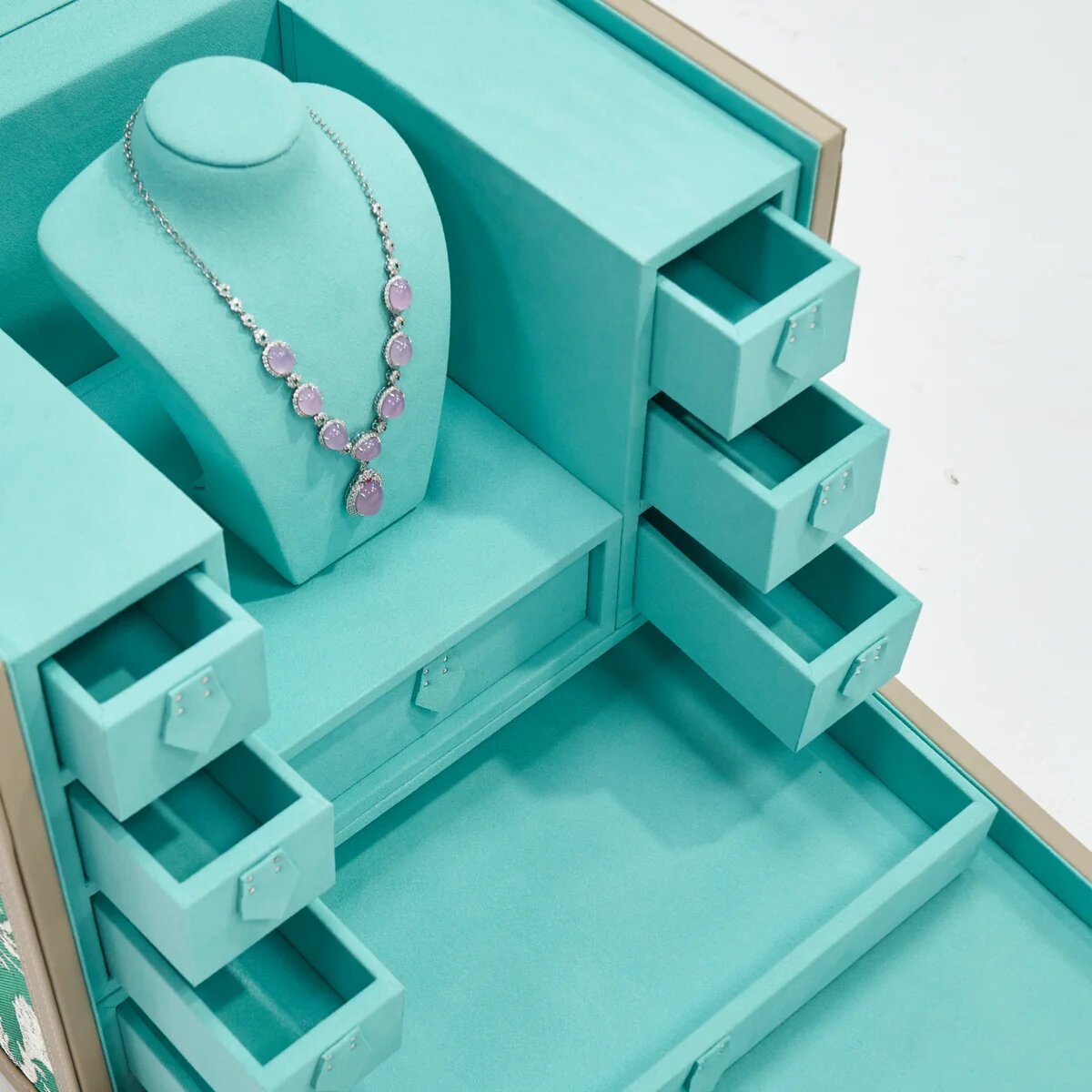
خلاصة القول: سواء تم شحن قطعة مع متخصص أو سافرت في حقيبتك اليدوية، يجب أن تنتقل داخل حقيبة صلبة ومقسمة - ليست حقيبة ناعمة، ولا فضفاضة في الأمتعة. فالضغط والصدمات وحزام الأشعة السينية لا ترحم؛ فالمقصورات المعزولة المبطنة بالشمواه تمنع السلاسل من التشابك، والأحجار من التكسر، والإطارات من الخدش ضد المعدن الآخر. أما القطع التي لا تسافر، فيجب أن توضع في حراسة آمنة في المنزل، وليس في نفس الدرج الذي تركته فيه.
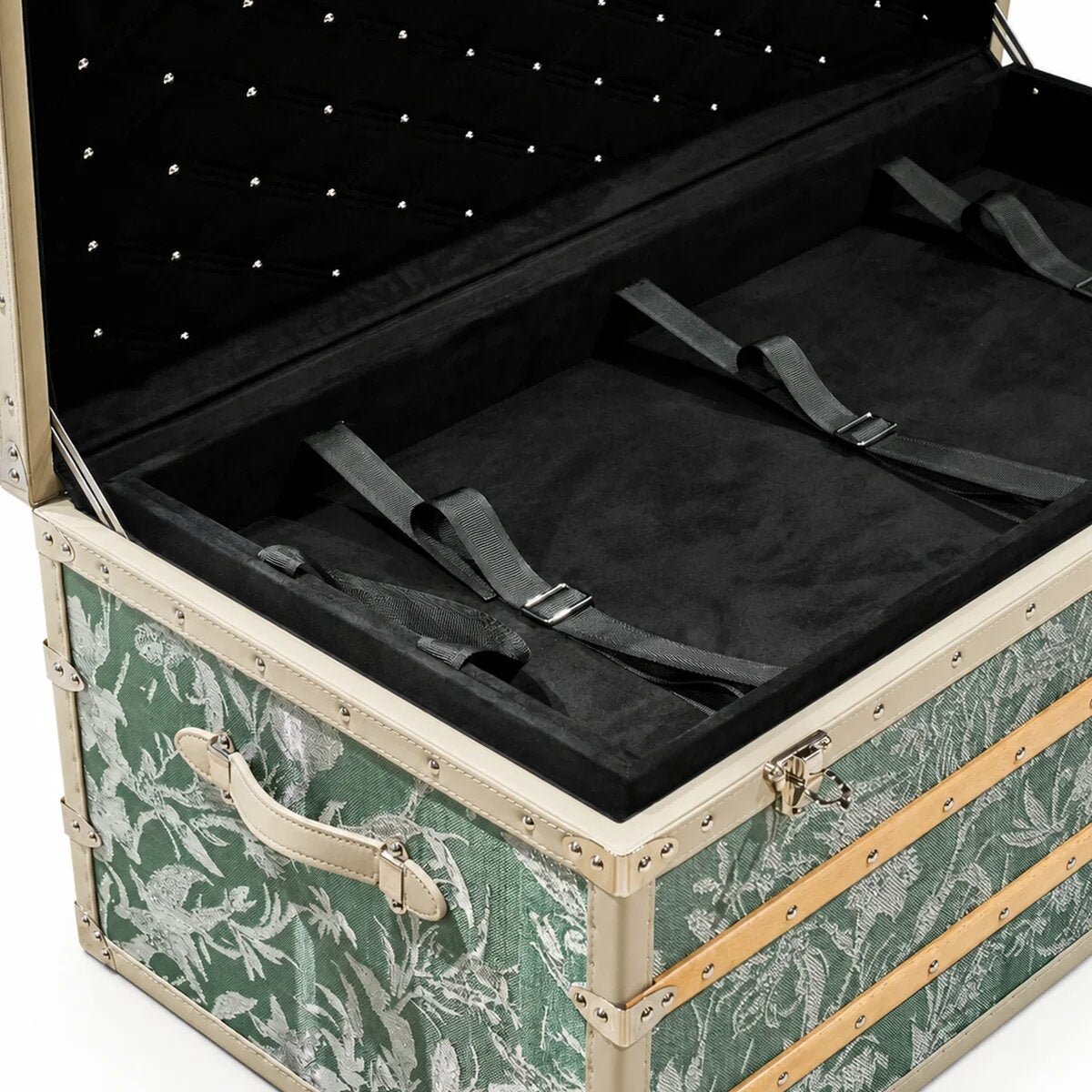
هذا هو الجسر الذي يربط الشحن والحمل اليدوي. يضمن اللوجستيات المتخصصة المسار؛ بينما تضمن الحقيبة القطعة. بالنسبة للحمل اليدوي - وهو المسار الذي يستخدمه معظم المقيمين في الخليج بالفعل للمجوهرات التي ينوون ارتداءها - فإن الانضباط هو الحمل دائمًا، وعدم الشحن أبدًا، والحمل في حقيبة منظمة بحجم يسمح بها حمل المقصورة. تم تصميم حقيبة المجوهرات الراقية للسفر - أسود لهذا الغرض بالضبط: هيكل صلب، مقصورات فردية مبطنة بالشمواه للساعات والمجوهرات الصغيرة، وأبعاد تسمح بحملها في المقصورة. بالنسبة للرحلات الطويلة أو المجموعات الأكبر، تزيد حقيبة المجوهرات اليدوية - أحادية اللون من السعة مع الحفاظ على صلاحية حملها في المقصورة، بنفس بنية المقصورة ذات درجة الحراسة. لمعالجة أوفى لاختيار بين الأشكال، راجع دليلنا حول أفضل حقيبة مجوهرات فاخرة للسفر للمسافر الخليجي.
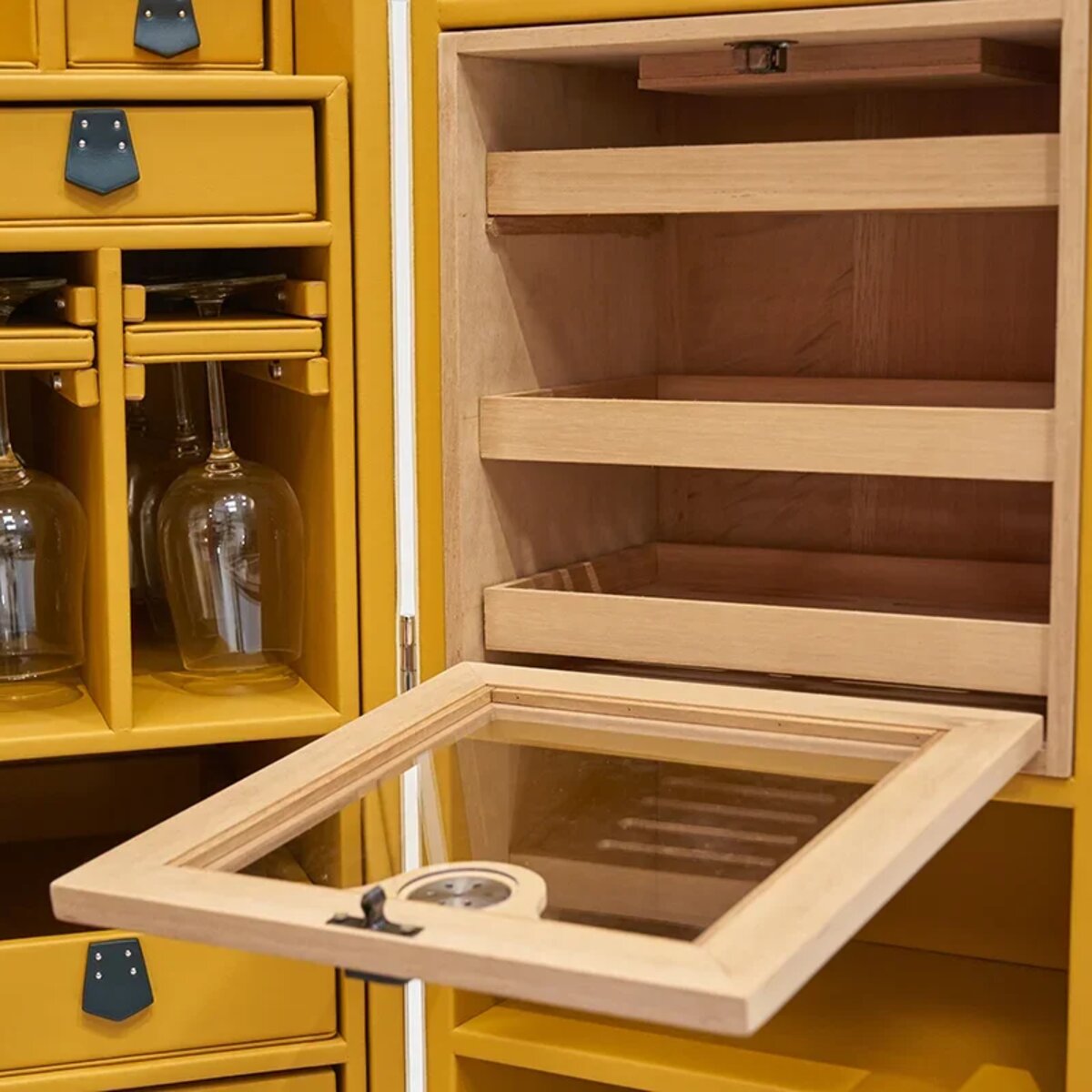
النصف الآخر من القرار هو ما يبقى في المنزل. مجموعة سفر مختارة ترافقك؛ المقتنيات العائلية، القطع المميزة، الذهب الاستثماري الذي لن ترتديه في هذه الرحلة تبقى في حراسة آمنة في المنزل. في مناخ دبي، يعني هذا أكثر من مجرد درج: الرطوبة الساحلية التي تزيد عن 80% تتأرجح مقابل درجات حرارة داخلية مكيفة تقترب من 25% تؤدي إلى تآكل الفضة، وتجفيف الجلد، وإجهاد الحركات الميكانيكية. خزانة مغلقة ببصمة بيومترية مثل خزانة مجوهرات العنبر - ذهب الرمال تحتفظ بالمجموعة المقيمة في ظروف متحكم بها بينما تكون قطع السفر بعيدًا - وإليها تعود. يغطي الأسئلة الشائعة حول تخزين الأشياء الثمينة في المنزل في الإمارات العربية المتحدة جانب الحراسة المنزلية بالكامل.
كيفية الاختيار: مسار قرار حسب القيمة والوجهة
إجابة سريعة: أقل من بضعة آلاف درهم إماراتي وغير ثمينة - شركة شحن قياسية مؤمنة بتغطية طرف ثالث مناسبة. مجوهرات ثمينة، ألماس، ذهب أو ساعة فاخرة - استخدم خدمات لوجستية أمنية متخصصة مع تأمين نقل بمسؤولية كاملة، أو احملها بنفسك في حقيبة صلبة ضمن قاعدة إعلان 60,000 درهم إماراتي. المتغيرات الحاسمة هي القيمة، وعدم إمكانية الاستبدال، وما إذا كنت سترتدي القطعة، ونظام الاستيراد للوجهة.
التسلسل العملي قصير. أولاً، قيّم القطعة بصدق وتحقق مما إذا كانت بوليصة المجوهرات الحالية الخاصة بك تغطي النقل بالفعل. ثانيًا، اسأل ما إذا كنت سترتديها أو تستخدمها بالفعل أثناء الرحلة - إذا كانت الإجابة نعم، فإن حملها يدويًا في حقيبة صلبة مسموح بها في المقصورة عادة ما يكون المسار الأسهل. ثالثًا، إذا كانت ذات قيمة عالية ويتم شحنها بدون مرافق، فافترض استخدام مشغل متخصص وتأكد من شهادة التأمين الشامل وضرائب الوجهة قبل الحجز. رابعًا، بالنسبة للقطع التي لا تفي باختبار "هل سأرتديها"، اتركها في حراسة منزلية آمنة بدلاً من حمل أو شحن مخاطر بدون فائدة.
تحذير واحد حول الوجهة يستحق الإشارة إليه مبكرًا: تأكد مما إذا كانت وجهتك تعامل القطعة كعنصر شخصي أو كسلعة مستوردة خاضعة للرسوم الجمركية - يمكن قراءة الساعة التي تم صيانتها حديثًا على أنها جديدة - واحتفظ بالإقرار والتقييم المؤرخين حتى تكون إعادة الدخول إلى الإمارات العربية المتحدة نظيفة مثل المغادرة.
الأسئلة الشائعة
هل يمكنني شحن المجوهرات دوليًا من الإمارات العربية المتحدة مع فيديكس أو دي إتش إل؟ يمكنك إرسال طرد فعليًا، لكن مسؤولية شركات الشحن القياسية عن المجوهرات محدودة جدًا بشكل افتراضي - حوالي 1000 دولار أمريكي لفيديكس ما لم يكن لديك برنامج متعاقد عليه للقيم العالية - والقيمة المعلنة هي الحد الأقصى لمسؤولية الناقل، وليست تأمينًا. بالنسبة للعناصر منخفضة القيمة وغير الثمينة ذات التغطية المنفصلة من طرف ثالث، فإن استخدام شركة شحن قياسية أمر معقول. أما للمجوهرات الفاخرة، والألماس، والذهب، أو الساعات الثمينة، فاستخدم خدمات لوجستية أمنية متخصصة أو احملها يدويًا في حقيبة صلبة بدلاً من ذلك.
ما الفرق بين القيمة المعلنة وتأمين العبور؟ القيمة المعلنة هي الحد الأقصى الذي ستدفعه شركة النقل إذا ثبتت مسؤوليتها عن الخسارة أو الضرر - وتحد شروط شركات النقل بشدة المسؤولية عن البضائع الثمينة، لذلك يمكن أن يكون الرقم مضللاً. تأمين النقل ضد جميع المخاطر هو بوليصة منفصلة تعوضك بالفعل عن الخسارة أو السرقة أو التلف من الباب إلى الباب، ضمن استثناءاتها. تتطلب الشحنات عالية القيمة تغطية حقيقية ضد جميع المخاطر؛ يجب أن تتطابق القيمة المعلنة في بوليصة الشحن مع القيمة المؤمن عليها في البوليصة.
هل يجب عليّ الإعلان عن المجوهرات التي أقوم بشحنها أو حملها خارج الإمارات العربية المتحدة؟ الشحن هو تصدير رسمي: يتم الإعلان عن كل شحنة لجمارك الإمارات العربية المتحدة بفاتورة تجارية وإقرار تصدير، وعادة ما يتعامل معها مشغل لوجستي متخصص. إذا كنت تحملها يدويًا بدلاً من ذلك، تنطبق القاعدة الشخصية - يجب الإعلان عن 60,000 درهم إماراتي أو أكثر نقدًا، أو ذهبًا، أو مجوهرات، أو أحجار كريمة مجتمعة عبر منصة "أفسح" التابعة للهيئة الاتحادية للهوية والجنسية والجمارك وأمن المنافذ عند مغادرة (أو دخول) الإمارات العربية المتحدة. وبشكل منفصل، قد تفرض الدولة الوجهة رسوم استيراد خاصة بها أو ضريبة القيمة المضافة عند الوصول.
هل يجب أن تسافر المجوهرات الثمينة في مقصورة الطائرة أم في الأمتعة المشحونة؟ دائمًا في المقصورة، لا تُشحن أبدًا. تمر الحقائب المشحونة عبر العديد من الأيدي ومسؤولية شركات الطيران منخفضة؛ تتطلب معظم بوالص تأمين السفر والمجوهرات أيضًا حمل الأشياء الثمينة في المقصورة وقد تلغي التغطية بخلاف ذلك. احمل القطع في حقيبة صلبة ومقسمة تفتح بشكل مسطح للتفتيش الأمني السريع، واحتفظ بتقديرك وسجل الإعلان معك.
شحن الأشياء الثمينة من الإمارات العربية المتحدة: خطط لها في صالة عرض سيراي
سواء كنت تشحن المجوهرات دوليًا من الإمارات العربية المتحدة عبر مشغل متخصص أو تحمل مجموعة مختارة يدويًا في حقيبتك، فمن الأفضل حل مسألة الحراسة شخصيًا: أي حقيبة سفر تحمل ساعاتك وخواتمك في المقصورة، وأي خزانة بيومترية تحتفظ بالمجموعة التي تبقى في المنزل. الفرق بين الحاوية الكافية والحاوية ذات درجة الحراسة يكمن في حركة القفل، ونعومة الشمواه في المقصورة المبطنة، وختم الباب المغلق - وليس في الصورة الفوتوغرافية.
احجز موعدًا خاصًا في صالة عرض Sirae، مجمع الشفار، أم سقيم 1، دبي. اتصل على 971558866180+ أو اكتب إلى info@siraecasa.com، وسيقوم فريقنا بإرشادك خلال أشكال حقائب السفر الصلبة، وخيارات الحمل اليدوي، والحراسة المنزلية المطابقة لمجموعتك، ونمط سفرك، والطرق التي تشحن بها.

اترك تعليقًا
This site is protected by hCaptcha and the hCaptcha Privacy Policy and Terms of Service apply.