
DIFC Wills & Your Valuables: Estate Planning and Custody for UAE Expats (2026)
DIFC Wills & Your Valuables: Estate Planning and Custody for UAE Expats
A DIFC will is the instrument that lets a non-Muslim expatriate in the UAE decide who inherits their jewellery, watch collection and other UAE-situated assets — rather than leaving that decision to the default succession rules an onshore court would otherwise apply. For collectors of fine jewellery and watches, the stakes are particular: a scattered, unappraised collection is the part of an estate that goes wrong most often, even when the paperwork is otherwise in order. This guide explains why expats register a DIFC will, which will types cover movable valuables, how to schedule a collection properly, and why documented custody during life makes the whole estate cleaner to administer.
Why Non-Muslim Expats Need a DIFC Will
Quick Answer: Without a registered will, a non-Muslim expatriate's UAE-situated assets can fall to be distributed under the default succession rules applied by onshore UAE courts — a fixed-share, forced-heirship framework that may not match your intentions. A DIFC will lets you opt into common-law-style testamentary freedom: you choose your beneficiaries and exactly which pieces they receive.
The Dubai International Financial Centre (DIFC) operates a dedicated wills register for non-Muslims through the DIFC Courts Wills Service (formerly the DIFC Wills & Probate Registry). It is, in effect, an opt-in mechanism. By registering, an eligible non-Muslim elects to have their UAE assets pass under principles of freedom of testamentary disposition — leaving an estate to whomever they choose — instead of the default distribution that would otherwise apply.
Eligibility is straightforward: you must be a non-Muslim, at least 21 years old, and either own assets in the UAE or have minor children residing in Dubai or Ras Al Khaimah. You do not need to be a UAE resident; registration can be completed remotely, including by video conference, which suits internationally mobile families. There is also an Abu Dhabi route — the Abu Dhabi Judicial Department (ADJD) Civil Family Court operates its own register for non-Muslims — so the choice of forum depends on where your assets and family sit.
The practical point for a collector is this: jewellery, watches and art are movable personal assets, often the most valuable and the most portable part of an estate, and frequently the least documented. A registered will is what converts your intentions about those pieces into something a court can administer.
Please note: This article is general information for collectors, not legal advice. Will types, eligibility and procedures change. Always confirm current rules with a DIFC-registered wills practitioner or directly with the DIFC Courts (difccourts.ae) before acting.
The Will Types — and Which Cover Movable Valuables
The Bottom Line: The DIFC Courts Wills Service offers five will types. For jewellery and watch collections — which are movable personal property — the Full Will is the relevant instrument, because it covers all movable and immovable assets in a single document. The template wills (Property, Financial Assets, Business Owners) are narrower and do not, on their own, dispose of a personal collection.
A collection of fine jewellery and watches is "movable property," and only some of the five will types reach it. The table below maps each type to what it covers and whether it carries your collection.
| Will type | What it covers | Covers a jewellery / watch collection? |
|---|---|---|
| Full Will | All movable and immovable UAE assets in one document; can appoint guardians; may extend to foreign assets | Yes — this is the instrument for a personal collection |
| Property Will | Up to five UAE real-estate properties (or shares) | No — real estate only |
| Financial Assets Will | Up to ten UAE bank / investment accounts | No — cash and accounts only |
| Business Owners Will | Up to five UAE company shareholdings | No — corporate interests only |
| Guardianship Will | Appointment of guardians for minor children | No — guardianship only |
The distinction matters because the cheaper template wills are tempting and incomplete. A Property Will or Financial Assets Will leaves your watch collection untouched — those movable pieces would fall outside the document entirely. For a collector, the Full Will is almost always the correct foundation, because it is the type capable of naming and bequeathing specific movable items.
Within a Full Will, you can do more than say "all my jewellery to my daughter." You can bequeath named pieces to named beneficiaries — the signet watch to one child, the diamond rivière to another — provided each piece is described clearly enough to be identified. That clarity is a function of how well you have scheduled the collection, which is the next problem to solve.
How to Schedule a Jewellery & Watch Collection in an Estate
Technical Verdict: A collection is only as administrable as its schedule. To pass cleanly through probate, each significant piece should be itemised, valued by a current appraisal, and supported by provenance — invoices, certificates, service records. A vague "my jewellery" clause invites dispute; a numbered schedule with valuations and identifying detail does not.
"Scheduling" simply means attaching to (or referencing alongside) your will a clear, itemised list of the pieces it disposes of. For a collector, this is the single highest-leverage piece of estate work, because it removes the two things that most often derail a movable-asset estate: ambiguity about what existed, and disagreement about what it was worth.
A workable schedule for fine jewellery and watches captures three things for each piece: valuation (a dated, independent appraisal), identification (so the executor and beneficiaries know exactly which item is meant), and provenance (the chain of documents proving ownership and authenticity). The checklist below sets out what to record.
| Schedule element | What to record | Why it matters in probate |
|---|---|---|
| Itemisation | Each significant piece listed and numbered; sets grouped sensibly | Lets a will bequeath named items without ambiguity |
| Valuation | Current independent appraisal, dated, with appraiser details | Establishes estate value; avoids beneficiary disputes |
| Identification | Make, model, reference/serial, gem report numbers, hallmarks, photographs | Lets an executor match the schedule to the physical piece |
| Provenance | Original invoices, gem-lab certificates, service history, box and papers | Proves ownership and authenticity; protects value |
| Location & custody | Where each piece is kept; access method; who holds keys/credentials | Lets the executor actually locate and secure the assets |
The link between this schedule and your DIFC will is direct. The will names the beneficiaries and broad gifts; the schedule lets an executor identify and value what is being given. Keep appraisals current — values for watches and gem-set jewellery move — and review the schedule whenever you acquire, sell or gift a significant piece. For the insurance and valuation side of this in a UAE context, our guide to jewellery insurance and valuation in the UAE covers appraisal certificates and replacement values in more detail.
A scheduled collection is the difference between an executor who can act and one who is reduced to guessing — sorting unmarked pieces from drawers, chasing missing certificates, and trying to prove what a watch was worth without papers.
The Bridge: Documented Custody During Life Makes Succession Clean
Quick Answer: The hardest probate problem with a collection is not legal — it is physical. Pieces scattered across drawers, hotel safes and several home safes, with appraisals filed somewhere else entirely, are slow and contentious to administer. A collection kept in one secure, climate-stable, lockable enclosure — with its inventory and appraisals held alongside it — is far easier to value, secure and transfer.
Everything above assumes an executor can find the collection, match it to the schedule, and confirm the pieces are intact and authentic. That is a custody question, and it is where good estate planning quietly succeeds or fails. The estates that administer well are the ones where the collection, its inventory and its paperwork live in one documented place during the owner's lifetime — not assembled in a hurry afterwards.
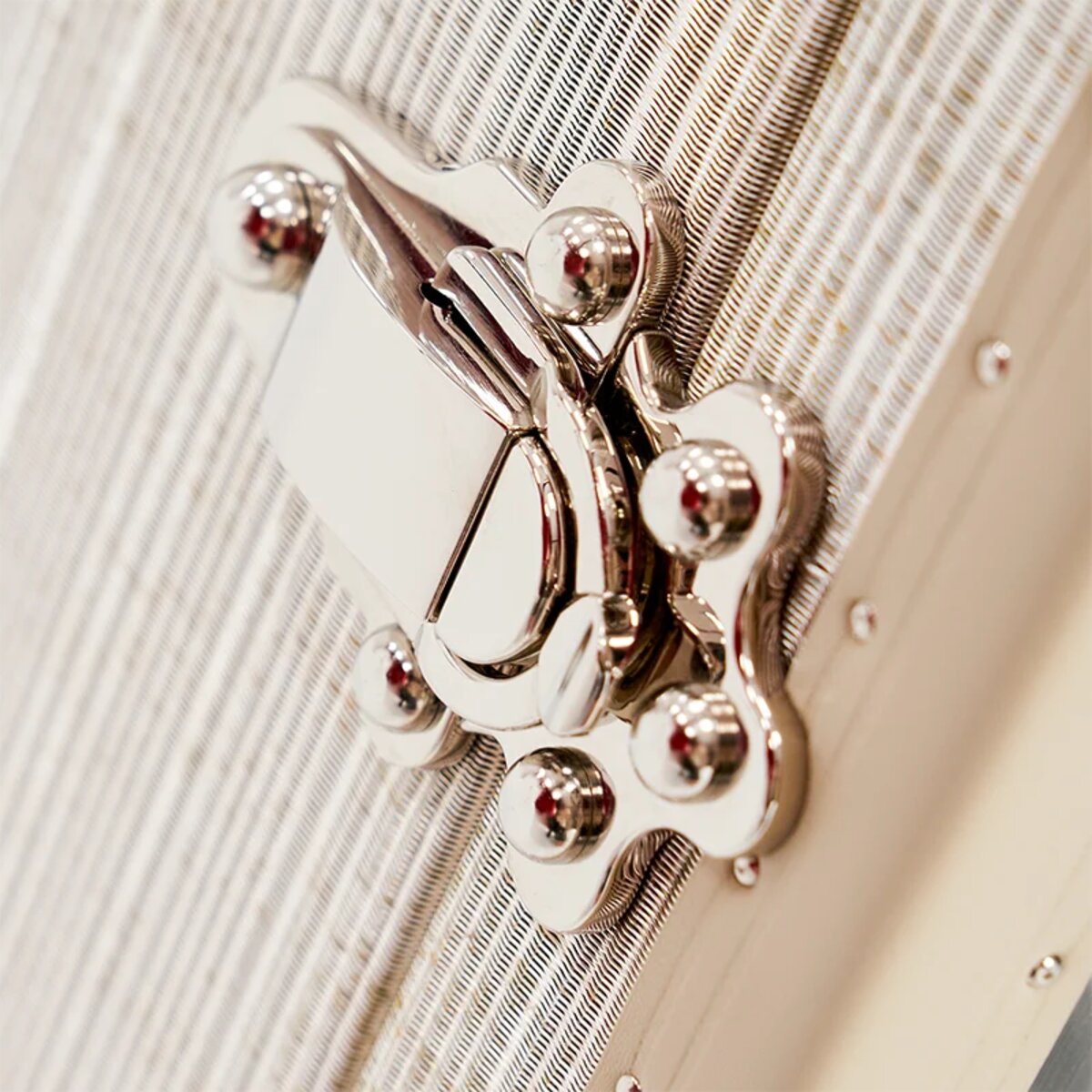
This is the practical case for treating a single, secure enclosure as the documented custody point for the estate. A locked, metered cabinet does three estate-relevant things at once: it keeps the physical pieces together and accounted for; it holds the appraisals and inventory beside the items they describe; and its access record — who can open it, by which credential — is itself part of the custody chain an executor will rely on. The Amber Jewelry Cabinet - Dune Gold is built for exactly this: biometric access, a zoned suede-lined interior, and a sealed construction that moderates Dubai's humidity swing — so the collection that anchors your will, and the documents that describe it, stay in one defensible place.
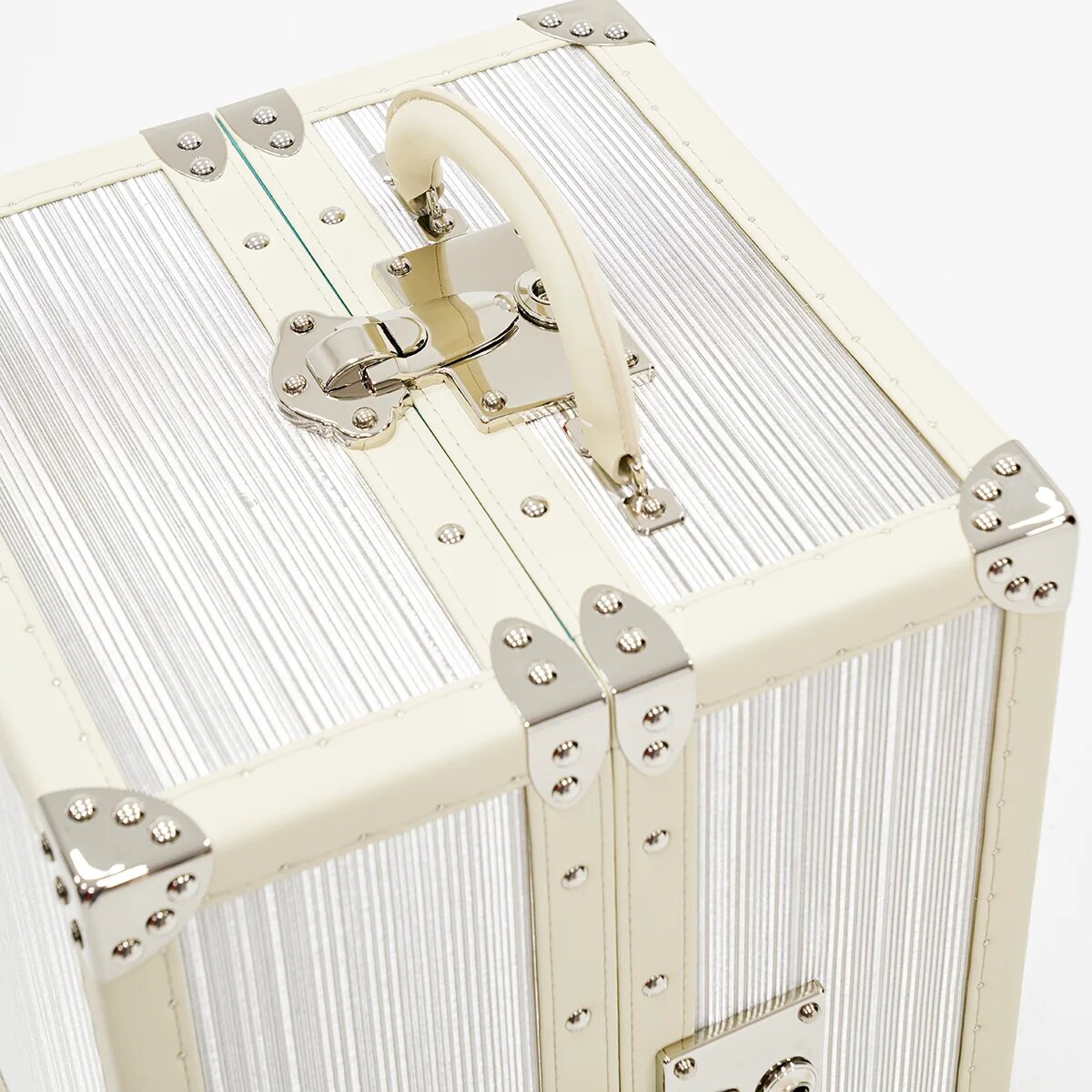
The same logic extends across a collection. A dedicated watch box keeps a watch collection — often the most actively traded and serial-numbered part of an estate — isolated, presented and easy to inventory against its schedule; the Signature Watch organizer - Frosted Silver holds each movement in an individual slot, which makes a watch-by-watch reconciliation simple. For the broader jewellery collection, a dedicated cabinet such as the Celeste Jewelry Cabinet - Diamond Mist Blue keeps necklaces, rings and earrings zoned and separated, so an itemised schedule maps cleanly onto physical compartments rather than a tangle.
This is not about morbidity; it is about administrability. A collection that is inventoried, appraised and held in one stable, lockable enclosure is one an executor can secure on day one — and one a beneficiary receives intact. For the security and storage fundamentals behind this, see our home valuables storage FAQ.
A Practical Estate-Readiness Checklist for Collectors
The Bottom Line: Estate-readiness for a collection comes down to four moves: register the right will, schedule the collection properly, keep custody documented and consolidated, and review it all on a cadence. Each is simple; together they convert a vulnerable collection into an administrable estate asset.
The point of the checklist is sequence. A will with no schedule is hard to administer; a perfect schedule with no will has no legal effect; both fail if the pieces themselves are scattered and undocumented. Work the steps in order.
- Confirm the route. Decide whether a DIFC Courts will, an Abu Dhabi (ADJD) will, or both fits where your assets and family sit — and take advice from a DIFC-registered wills practitioner.
- Register a Full Will. For a movable collection, the Full Will is the instrument that can name and bequeath specific pieces.
- Schedule the collection. Itemise, value, identify and document provenance for each significant piece, per the table above.
- Consolidate custody. Keep the collection, its inventory and its appraisals together in one secure, climate-stable, lockable enclosure.
- Record access. Note who holds keys or biometric credentials, and ensure your executor knows how the collection is secured and where the documents sit.
- Insure to value. Align cover with current appraisals so the estate value and the insured value agree.
- Review on a cadence. Revisit the will, schedule and valuations after any significant acquisition, sale, gift — and at least every few years.
Handled this way, the part of the estate that usually causes the most friction — the portable, high-value, lightly documented collection — becomes one of the most orderly. For the day-to-day security practices that sit underneath this, our jewellery storage and security FAQ is a useful companion.
Frequently Asked Questions
Do non-Muslim expats in the UAE actually need a DIFC will? For most collectors, yes. Without a registered will, a non-Muslim's UAE-situated assets can fall to be distributed under the default succession rules an onshore court applies — which may not reflect your wishes. A DIFC Courts will lets eligible non-Muslims opt into common-law-style testamentary freedom over their UAE assets, including movable items like jewellery and watches. It is not legal advice from us; confirm your specific position with a DIFC-registered wills practitioner before acting.
Which DIFC will type covers a jewellery and watch collection? The Full Will. Of the five DIFC will types, only the Full Will covers all movable and immovable assets in one document, so it is the instrument that can dispose of a personal collection and bequeath named pieces to named beneficiaries. The template wills are narrower: a Property Will covers real estate, a Financial Assets Will covers bank and investment accounts, a Business Owners Will covers company shareholdings, and a Guardianship Will only appoints guardians for minor children.
How should I list my jewellery and watches in a will? Through a clear, itemised schedule rather than a vague "all my jewellery" clause. For each significant piece, record a current independent valuation, identifying detail (make, model, reference or serial number, gem-report numbers, photographs) and provenance — original invoices, certificates and service history. Note where each piece is kept and how it is secured. A numbered, valued, well-documented schedule lets an executor identify and value the collection without guesswork, which is what keeps probate clean and disputes rare.
Does how I store my collection affect estate administration? Significantly. The collection an executor can administer quickly is the one held in one secure, climate-stable, lockable enclosure, with its inventory and appraisals kept alongside the pieces. Items scattered across drawers, several safes and hotel rooms — with paperwork filed elsewhere — are slow and contentious to value and secure. A documented custody point keeps the physical pieces, their schedule and their access record together, so the part of the estate that usually causes the most friction becomes the most orderly.
Protect Your Collection at the SIRAE Showroom in Umm Suqeim
A DIFC will sets out who receives your collection; documented custody is what makes that collection findable, valued and intact when the time comes. The difference between a drawer and a custody-grade enclosure — the lock action, the seal of a closed door, the way appraisals sit beside the pieces they describe — is felt in person, not in a photograph. Book a private appointment at the SIRAE showroom, Al Shafar Complex, Umm Suqeim 1, Dubai. Call +971 55 886 6180 or write to info@siraecasa.com, and our team will help you match a biometric jewellery cabinet, watch box or display cabinet to the collection your estate plan describes.


Leave a comment
This site is protected by hCaptcha and the hCaptcha Privacy Policy and Terms of Service apply.