
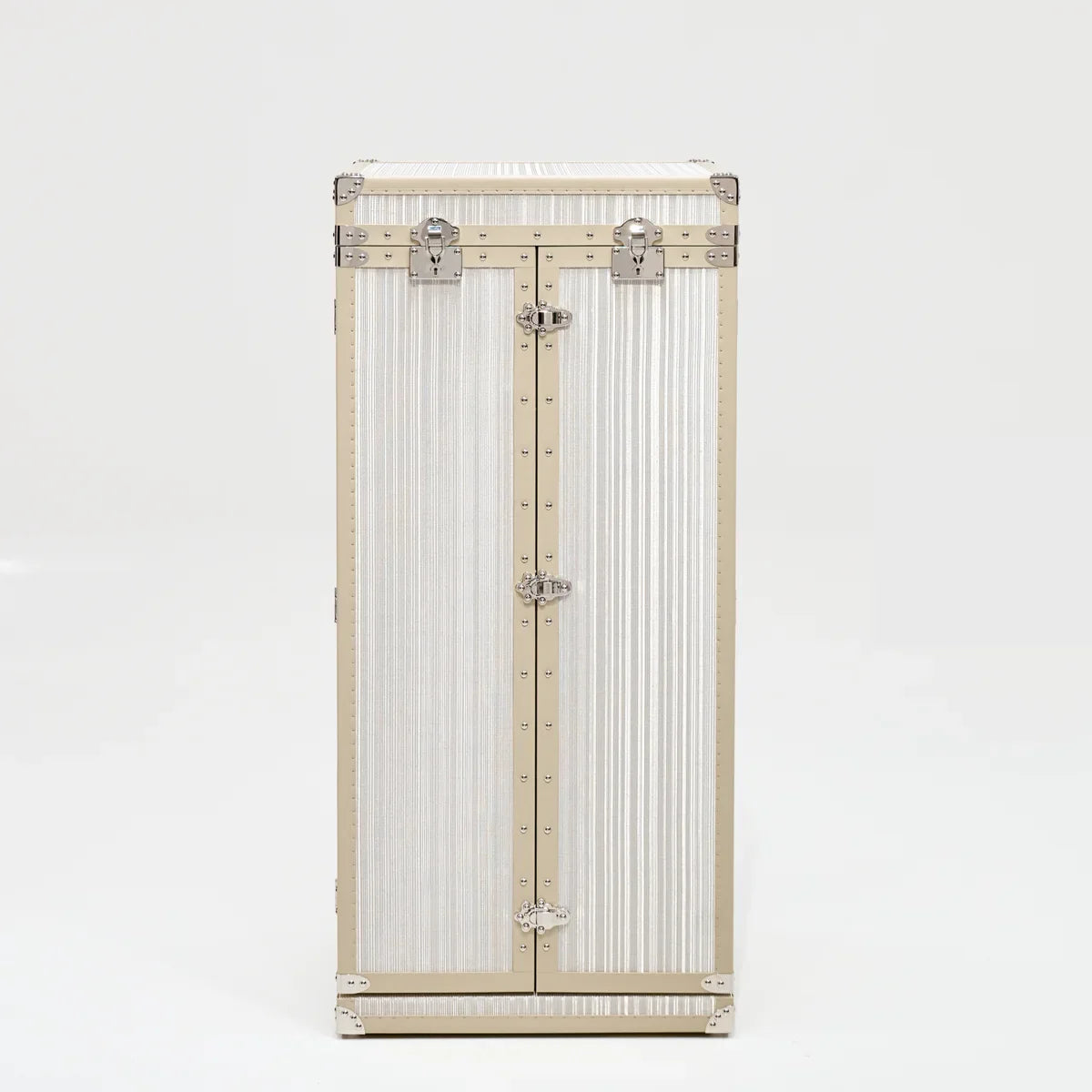
خزانة المجوهرات المصممة بمرآة: الدليل الشامل لهواة جمع المجوهرات في دول مجلس التعاون الخليجي
دليل لطلب خزانة مجوهرات مصممة بمرآة للمنازل في دول مجلس التعاون الخليجي
بالنسبة للجامع المتميز في منطقة الخليج، فإن خزانة المجوهرات ليست مجرد قطعة أثاث؛ بل هي خزنة ومعرض خاص وبيان عن الإرث الشخصي. إنها تتجاوز مجرد التنظيم لتصبح عنصرًا أساسيًا في غرفة التجهيز، حيث تحمي ليس فقط الأصول الثمينة، ولكن أيضًا القصص التي تمثلها، في مواجهة المتطلبات المناخية الفريدة للمنطقة. يتطلب اختيار مثل هذه القطعة فهمًا دقيقًا للحرفية والأمان وعلم المواد.
يستكشف هذا الدليل الخصائص المميزة لخزانة المجوهرات ذات الجودة العالية للمقتنيات، من علم الحفظ إلى فن التكامل المكاني داخل الفيلا الحديثة.
دليل هذا الطلب
- معيار سيراي: المبادئ الأساسية لحفظ المجوهرات
- خزائن المجوهرات المصممة: تقاطع الفن والاستثمار والهوية
- فك رموز الرفاهية: المواد، الحرفية التراثية، والأمن الذكي
- التكامل المكاني: اختيار الخزانة المثالية للفيلا العربية الحديثة
معيار سيراي: المبادئ الأساسية لحفظ المجوهرات
الرأي الفني: تُعرّف خزانة المجوهرات ذات الجودة العالية للمقتنيات بقدرتها على إنشاء بيئة دقيقة ومستقرة، باستخدام مواد مثل جلد الشمواه المصنوع من الألياف الدقيقة المقاوم للصدأ، وتضمين نظام تحكم آمن للوصول البيومتري، وتوفير خيارات لتنظيم الرطوبة النسبية الفعال لحماية الأحجار الكريمة العضوية الحساسة من الحرارة والرطوبة المستمرة في مناخ الخليج.
سلامة المواد وحيادها الكيميائي
المواد التي تلامس مجوهراتك ذات أهمية قصوى. غالبًا ما تستخدم المنتجات المتاحة في الأسواق العامة أقمشة ومواد لاصقة معالجة يمكن أن تبعث أبخرة حمضية، مما يسرع من عملية التشويه وتدهور المواد الحساسة مثل اللؤلؤ والعاج. القطعة المصممة حسب الطلب تعطي الأولوية للاستقرار الكيميائي.
ابحث عن التصميمات الداخلية المبطنة بـبطانة شمواه من الألياف الدقيقة المستوردة عالية الجودة أو الجلود الخاملة، والمخيطة يدويًا بدقة. يجب أن تكون الهيكل الأساسي وأي ألواح قشرة خشبية صلبة محكمة الغلق بطلاء ثابت منخفض المركبات العضوية المتطايرة لمنع التفاعل الكيميائي مع المعادن الثمينة والأحجار الكريمة على مدى عقود من التخزين.
الأمن المتقدم والوصول السري
الأقفال القياسية غير كافية لمجموعة ذات قيمة عالية. المعيار لخزائن المجوهرات الحديثة هو الوصول ببصمة الإصبع البيومترية. توفر هذه التكنولوجيا طبقة أمان سلسة وشخصية للغاية، مما يزيل خطر فقدان أو نسخ المفاتيح.
بالإضافة إلى آلية القفل نفسها، ضع في اعتبارك البناء المادي. تتميز الخزائن عالية الجودة بإطارات مقواة، ومفصلات مخفية مصممة بدقة من النحاس الصلب، وغالبًا ما تكون مزودة بقدرة تثبيت سرية، مما يربط القطعة بهيكل منزلك لتحقيق أقصى درجات راحة البال.
✍️ رؤية الخبراء: المحرك الأساسي لبهتان الفضة هو مركبات الكبريت المحمولة جوًا، والتي تتسارع بفعل الرطوبة العالية. تخلق الخزانة محكمة الإغلاق ذات البطانة الخاملة كيميائيًا حاجزًا فيزيائيًا، مما يبطئ بشكل كبير من معدل الأكسدة ويحافظ على اللمعان الأصلي لقطعك. —— مختبر سيراي للحفظ.
التحكم في المناخ والرطوبة
بالنسبة للمجموعات التي تشمل اللؤلؤ أو الأوبال أو المرجان أو القطع الأثرية ذات المكونات العضوية، فإن الحماية السلبية ليست كافية. تتطلب هذه المواد الحساسة نطاقًا محددًا من الرطوبة النسبية لمنع الجفاف والتشقق وفقدان اللمعان في مواجهة الظروف البيئية القاسية.
يوفر نظام التحكم المتكامل في درجة الحرارة والرطوبة حلاً فعالاً. تتيح هذه الميزة، التي غالبًا ما توجد في الخزائن الأكثر تطورًا المصممة حسب الطلب، تحديد منطقة معينة داخل الخزانة للحفاظ على مناخ دقيق، مما يضمن الاستقرار والقيمة على المدى الطويل لأكثر مقتنياتك حساسية.
خزائن مجوهرات مصممة: تقاطع الفن والاستثمار والهوية
الخلاصة: تُعد خزانة المجوهرات المصممة بمثابة قطعة فنية عملية تعكس جماليات المالك وانضباطه في التجميع، مما يحول دورها من وحدة تخزين بسيطة إلى ميزة مركزية في غرفة ملابس خاصة أو جناح رئيسي.
بالنسبة للجامع الجاد، فإن طقس اختيار المجوهرات هو لحظة شخصية عميقة. ترفع الخزانة المصممة ببراعة هذه الممارسة اليومية. إنها ليست قطعة يتم اختيارها من كتالوج، بل هي قطعة مصممة خصيصًا تتناغم مع اللغة المعمارية لمسكنك.
يجب أن يكون الوجود الخارجي للخزانة مدروسًا بقدر وظيفتها الداخلية. التشطيبات بالمواد النادرة هي أحد المسارات؛ وآخر يكمن في الحرفية المبتكرة. على سبيل المثال، فإن واجهة الأسلاك النحاسية المنسوجة يدويًا المملوكة تضفي بعدًا نسيجيًا فريدًا، مما يحول القطعة إلى بيان جمالي هام. هذا هو المكان الذي تؤكد فيه الخزانة هويتها المزدوجة: وعاء أمان هائل يظهر كعمل فني مصمم حسب الطلب، كما يتضح من القطع في مجموعة Aurum Loom.
فك رموز الرفاهية: المواد، الحرفية التراثية، والأمن الذكي
الرأي الفني: تتميز الدور التراثية مثل [Buben&Zörweg](/blogs/news/the-automatic-watch-winder-cabinet-silent-motors-emi-shielding-and-commissioned-multi-watch-storage-for-the-discerning-collector) أو [Agresti](/blogs/news/a-commissioned-jewellery-cabinet-for-your-riyadh-walk-in-closet-beyond-storage-to-private-gallery) باستخدامها فن الترقيع التراثي والآليات المصممة بدقة. على النقيض من ذلك، فإن "سيراي" رائدة في استخدام هيكل صناديق الأسلاك النحاسية الصلبة، وهي تقليد حرفي حديث يوفر سلامة هيكلية استثنائية مع توقيع جمالي فريد.
فلسفة الحرفية المتقنة
عند النظر في أعلى مستويات خزائن المجوهرات، يتجاوز المرء مقارنة الميزات البسيطة. ينتقل الحديث إلى فلسفة الورشة والتراث. فبينما تُحتفى بعض الدور بحرفية النجارة الكلاسيكية، فإن نهج سيراي يعتمد على الفن النقي والعمل اليدوي لنسج أسلاك النحاس في سطح هيكلي يشبه النسيج. ترفض هذه الطريقة التوحيد الصناعي، وتركز بدلاً من ذلك على حوار معاصر بين الحرفية المعدنية والرفاهية الراقية.
الاختيار لا يتعلق بالأفضل، بل بالرواية التي تتوافق مع مجموعتك الشخصية وتصميمك الداخلي. ستقدم القطعة المصممة جيدًا مجموعة مختارة من القشور والتشطيبات الفاخرة القادرة على خلق حوار سلس مع أثاثك الحالي، مما يضمن أن الخزانة تبدو امتدادًا طبيعيًا لمساحتك الخاصة.
الهندسة الداخلية للمجوهرات الراقية
تتطلب المجموعة ذات القيمة العالية، والتي تحتوي على قطع مهمة من دور مثل كارتييه أو فان كليف أند آربلز، تصميمًا داخليًا مخصصًا. ببساطة، لا تكفي المقصورات القياسية للعقود الكبيرة المفصلة، أو الدبابيس الدقيقة، أو الساعات المهمة.
يتضمن التصميم الحقيقي تصميم الهندسة الداخلية حول قطعك المحددة. وهذا يشمل: * ارتفاعات أدراج قابلة للتخصيص: أدراج أعمق مبطنة بقماش ناعم غير كاشط للعقود والأساور الكبيرة. * فواصل متخصصة: أقسام مقسمة بدقة للأقراط والخواتم والأساور لمنع التلامس والخدوش الدقيقة. * شاشات عرض عمودية: ألواح عمودية مبطنة لعرض الدبابيس أو العقود الطويلة والوصول إليها دون تشابك. * وحدات لف الساعات مدمجة: لهواة جمع الساعات الراقية، يضمن القسم المخصص المزود بوحدات لف قابلة للبرمجة أن الساعات الأوتوماتيكية جاهزة دائمًا للارتداء.
العنصر المرآة: أكثر من مجرد انعكاس
المرآة مكون وظيفي حيوي. في خزانة فاخرة، يجب أن تكون هذه مرآة بطول كامل وشفافة للغاية توفر انعكاسًا لا تشوبه شائبة ودقيق الألوان دون تشويه. هذه النقاء البصري ضروري عند تنسيق المجوهرات الفاخرة مع الزي، مما يضمن رؤية التفاعل الحقيقي للألوان والضوء. يجب أن يكون تصميم الباب وآلية المفصلات متينًا، مما يسمح بتشغيل سلس وهادئ دون أي ترهل بمرور الوقت، حتى مع مرآة ثقيلة وعالية الجودة.
التكامل المكاني: اختيار الخزانة المثالية للفيلا العربية الحديثة
الخلاصة: يجب أن توازن خزانة المجوهرات المثالية للفيلا المعاصرة في دول مجلس التعاون الخليجي بين الحضور الجمالي المهيب والأمان المتقن، لتتكامل بسلاسة مع تدفق غرفة النوم الرئيسية، أو الصالة الخاصة، أو غرفة الملابس المصممة بالكامل.
تُعد الفيلا العربية الحديثة مساحة ذات أبعاد سخية ورفاهية منسقة بعناية. يجب ألا تبدو خزانة المجوهرات وكأنها فكرة لاحقة، بل عنصرًا معماريًا مدروسًا. يعتبر موقعها وحجمها أمرًا بالغ الأهمية. يمكن أن تصبح القطعة القائمة بذاتها، مثل خزانة Aurum Loom Island، نقطة محورية رائعة في غرفة الملابس، بينما يمكن لخزانة طويلة وأنيقة من مجموعة Heritage Luxe أن تثبت جدارًا، وتضيف مرآتها عمقًا وإضاءة إلى المساحة.
يجب أن تبدأ عملية التكليف دائمًا باستشارة في الموقع تراعي المساحة والإضاءة ولوحة الألوان الداخلية الموجودة. في دبي، يمكن أن تبدأ هذه الرحلة في صالة العرض الخاصة بنا على [شارع جميرا بيتش](/blogs/news/an-eid-al-adha-gift-beyond-jewellery-a-heritage-armoire-for-her-collection)، حيث يمكن تجربة الصفات اللمسية للمواد بشكل مباشر. الهدف هو إنشاء قطعة لا توضع في غرفة فحسب، بل تنتمي إليها، مما يعزز الإحساس العام بالملاذ والأسلوب الشخصي الذي يميز الإقامة الفاخرة الحقيقية.
تعد خزانة المجوهرات المصممة حسب الطلب هي الحارس الأخير لمجموعة، تحفة فنية توفر أقصى ضمان للأمان والحفظ. إنها استثمار في الاستمتاع الهادئ والإدارة طويلة الأجل لأثمن مقتنياتك.
ما هي خزانة مجوهرات مرآة؟
تجمع خزانة المجوهرات المرآة بين مرآة بطول كامل أو مرآة زينة مع تخزين مجوهرات مخفي خلفها — أدراج، وخطافات وصواني مخبأة في جسم الخزانة. إنها توفر مساحة في غرفة التجهيز وتحافظ على القطع خالية من الغبار بينما تتضاعف كمرآة لتصفيف الشعر. تضيف الإصدارات المصممة حسب الطلب حجيرات قابلة للقفل، وبطانة مضادة للصدأ وإضاءة معايرة للون الحجر.

اترك تعليقًا
This site is protected by hCaptcha and the hCaptcha Privacy Policy and Terms of Service apply.