
صندوق المجوهرات مقابل خزانة المجوهرات: دليل جامعي التحف لتخزين آمن وفاخر
صندوق المجوهرات مقابل خزانة المجوهرات: دليل الجامع للحفاظ على الأصول
بالنسبة للجامع المميز، لا يمثل التمييز بين صندوق المجوهرات وخزانة المجوهرات مسألة دلالات، بل مسألة نية استراتيجية. فبينما يخدم أحدهما طقوس الزينة اليومية، فإن الآخر هو أداة إرث، مصمم للحفظ الآمن ونقل الأصول التي لا يمكن تعويضها. إن فهم هذا الاختلاف الجوهري هو الخطوة الأولى نحو الإشراف الحقيقي على المجموعات، لا سيما لأولئك الذين تمتد أنماط حياتهم عبر مساكن متعددة في مناخات متطلبة مثل دبي ومنطقة الشرق الأوسط وشمال إفريقيا الأوسع.
يوضح هذا الدليل المبادئ الأساسية التي تحدد هاتين الفئتين، ويوجه الجامع نحو حل يتوافق ليس فقط مع ممتلكاته، بل مع فلسفته الكاملة للملكية.
دليل هذا التكليف
- معيار سيراي: المبادئ الأساسية للحفاظ على المجوهرات
- صندوق المجوهرات مقابل خزانة المجوهرات: التعريف والحجم والاختلافات الأساسية
- القرارات القائمة على السيناريو: الوصول اليومي، السفر الآمن، وعرض المجموعة
- دليل الجامع: المادية، الأمن، والبرامج المخصصة
معيار سيراي: المبادئ الأساسية للحفاظ على المجوهرات
الحكم الفني: التهديدات الرئيسية للمجوهرات الراقية هي الصدمة الفيزيائية، والتدهور الكيميائي الناتج عن التلامس الجوي، والإجهاد الميكانيكي الناتج عن التخزين غير السليم، مما يؤدي إلى فقدان كبير في القيمة من خلال الخدوش والتآكل وتفكك الأحجار.
تخفيف التهديدات البيئية
في المناطق ذات الحرارة العالية والرطوبة المتقلبة، لا تقتصر مواد التخزين الخاصة بك على الجماليات. إنها خط الدفاع الأول ضد التدهور المتسارع. المعادن عرضة لـ الأكسدة، في حين أن الأحجار الكريمة المسامية مثل اللؤلؤ والأوبال يمكن أن تجف أو يتغير لونها إذا لم يتم الاحتفاظ بها في بيئة دقيقة مستقرة. توفر الخزانة المغلقة حاجزًا فائقًا ضد هذه التحديات المحيطة مقارنة بصندوق مكتب بسيط.
علم البطانة الداخلية
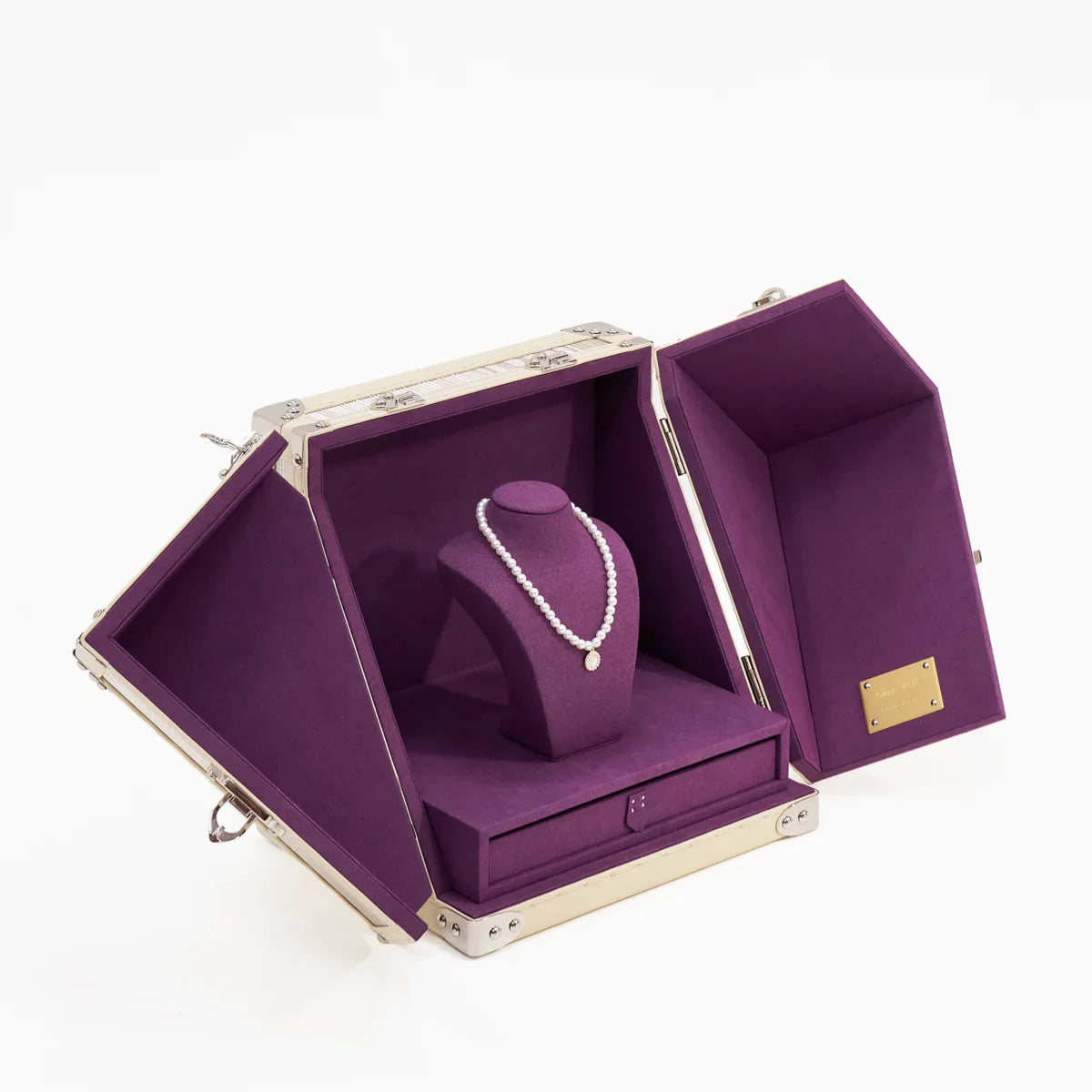
يؤثر اختيار المواد الداخلية بشكل مباشر على سلامة الأسطح المصقولة على المدى الطويل. يمكن للمخمل التجاري أن يتساقط أليافه، وفي الظروف الرطبة، قد يحتوي على الرطوبة. مادة كيميائية خاملة وعالية الجودة ضرورية.
✍️ رؤية الخبراء: تعاني المعادن والأحجار الكريمة الثمينة من التآكل الدقيق الناتج عن التلامس مع الأسطح الصلبة أو حتى جزيئات الغبار. بطانة من الألياف الدقيقة غير المتساقطة والمضادة للتآكل أو بطانة الكانتارا هي المعيار المهني لتقليل هذا التآكل التراكمي الذي يقلل من القيمة. —— مختبر سيراي للحفاظ على المجوهرات.
منع الضرر الميكانيكي
بالإضافة إلى المخاوف البيئية، يشكل الضرر الميكانيكي الناتج عن السلاسل المتشابكة، والإعدادات غير المؤمنة، والتأثير أثناء النقل خطرًا كبيرًا. التقسيم الصحيح ليس مجرد ترتيب بسيط؛ إنه ميزة هندسية حرجة تعزل كل قطعة، وتمنعها من إلحاق الضرر بجيرانها. يصبح هذا المبدأ بالغ الأهمية عندما تكون المجموعة في حالة حركة.
صندوق المجوهرات مقابل خزانة المجوهرات: التعريف والحجم والاختلافات الأساسية
الخلاصة: صندوق المجوهرات هو ملحق مكتبي لتنظيم مجموعة صغيرة من العناصر المستخدمة بشكل متكرر، بينما خزانة المجوهرات هي قطعة أثاث أمنية، غالبًا ما تكون محمولة، مصممة لحفظ مجموعة كاملة.
تعريف صندوق المجوهرات
صندوق المجوهرات هو قطعة للراحة. عادة ما يوضع على طاولة الزينة أو داخل غرفة الملابس، والغرض منه هو توفير وصول فوري وغير معقد للقطع للارتداء اليومي. تعطى الأولوية في تصميمه للتنظيم — لفائف الخواتم، والأقسام الصغيرة، وخطافات القلائد — على الأمن العالي أو التحكم في المناخ. بينما تقدم الأمثلة الفاخرة من علامات تجارية مثل Buben&Zörweg حرفية ممتازة، يظل دورها الأساسي هو دور المنظم، وليس الخزنة.
خزانة المجوهرات: أداة إرث
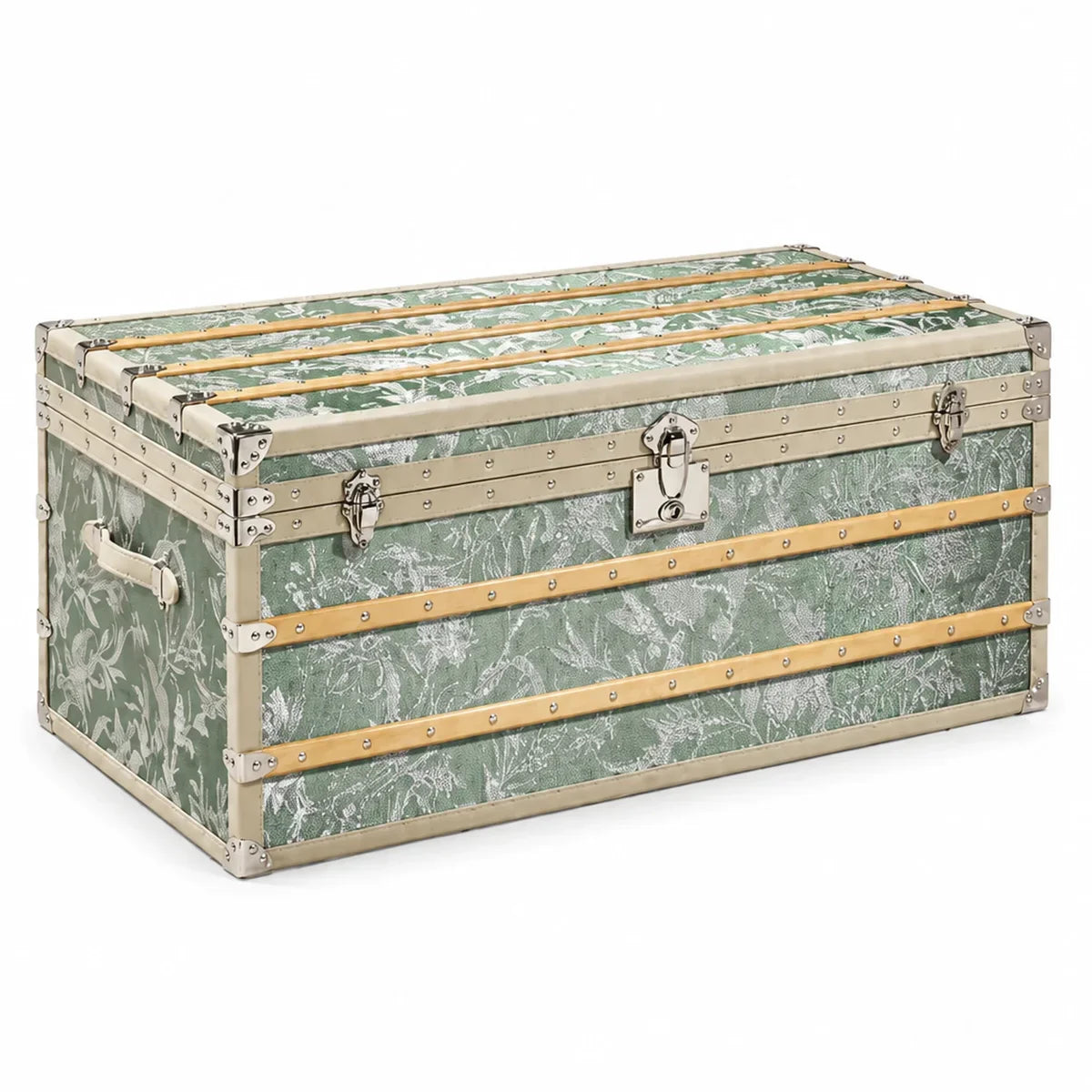
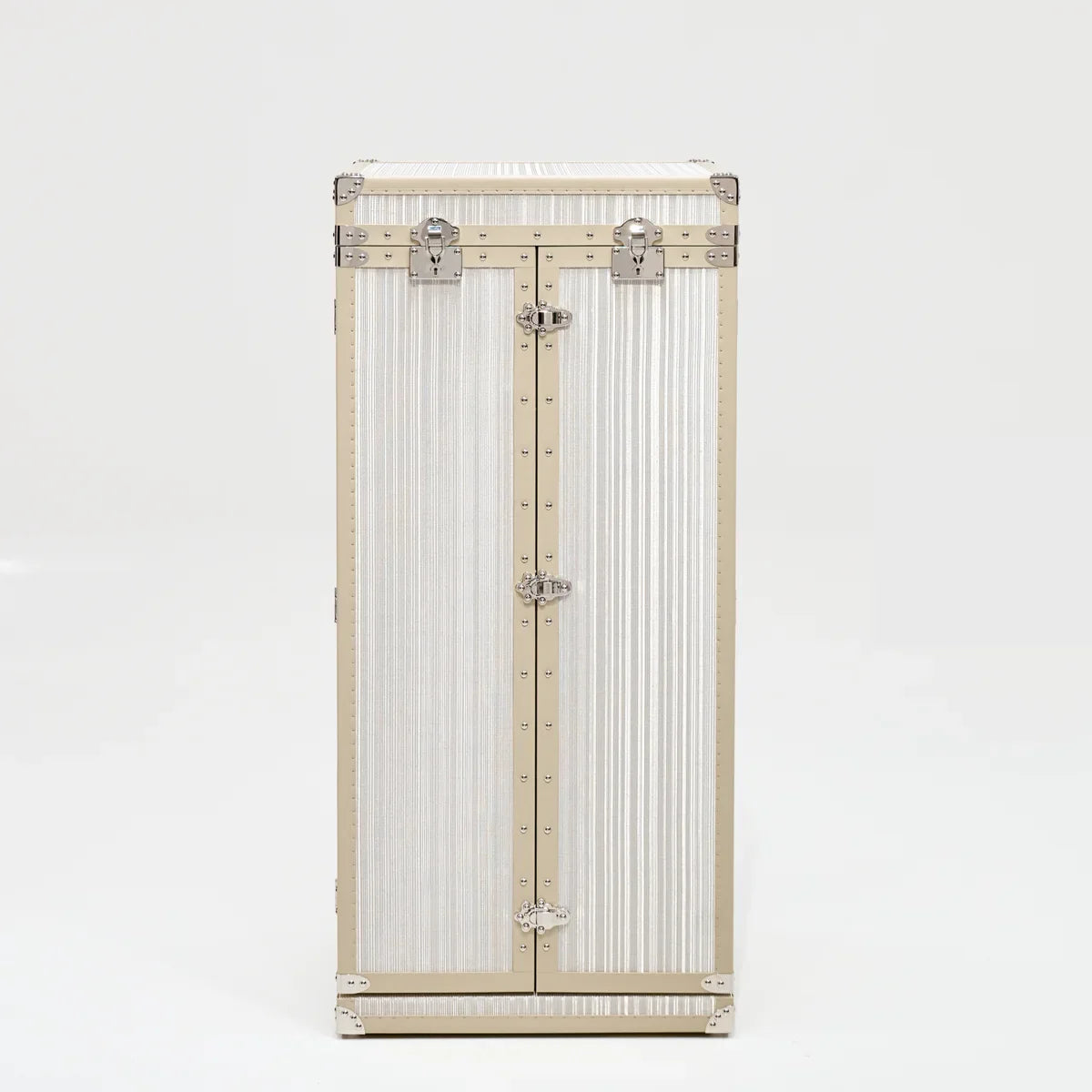
تعود أصول خزانة المجوهرات إلى العصر الذهبي للسفر، وقد ابتكرتها دور تاريخية مثل Louis Vuitton Malle Joaillerie و Goyard لنقل مجموعات كاملة بأمان عبر القارات. اليوم، تطور هذا المفهوم. خزانة المجوهرات الحديثة هي خزنة قائمة بذاتها، قطعة أثاث هندسية دقيقة مصممة لكل من الأمان الثابت داخل المسكن والنقل الآمن بين العقارات. تتميز ببنيتها القوية، وآليات القفل المتقدمة، وسعتها المقاسة بالمجموعات، وليس بالقطع الفردية.
القرارات القائمة على السيناريو: الوصول اليومي، السفر الآمن، وعرض المجموعة
الحكم الفني: يتم تحديد الاختيار بين الصندوق والخزانة بثلاثة عوامل: قيمة المجموعة، وتكرار السفر بين المساكن، والحاجة إلى أمن متكامل مقابل التنظيم البسيط.
الطقوس اليومية: دور الصندوق
بالنسبة للجامع الذي يحتاج إلى عدد قليل من القطع لتكون متاحة بسهولة داخل جناحه الخاص، فإن صندوق المجوهرات المصمم بشكل جميل هو الأداة المناسبة. إنه يسهل طقوس الصباح للاختيار وطقوس المساء للعودة. إنه كائن حميم، مصمم للمساحة الشخصية والاستخدام الفوري. ومع ذلك، فإن قيوده تكمن في طبيعته الثابتة والحد الأدنى من الأمان، مما يجعله غير مناسب للأصول الكبيرة أو السفر.
النقل بين المساكن وأمن المجموعة
بالنسبة للجامع الذي يتنقل بين مسكنه الرئيسي في دبي ومنازل أخرى حول العالم، فإن خزانة المجوهرات هي الحل المنطقي الوحيد. هذا يلبي بشكل مباشر الحاجة إلى وعاء آمن وموحد لنقل الأصول عالية القيمة دون الاعتماد على حقائب متفرقة وأقل أمانًا. تم تصميم الخزانة لتحمل قسوة الطيران الخاص واللوجستيات الفاخرة، مما يضمن وصول المجموعة بأكملها كما غادرت. إنها تستبدل القلق من التخزين المتناثر بالاطمئنان إلى مستودع واحد محصن.
علاوة على ذلك، داخل المنزل، تعمل الخزانة كخزنة لا مركزية. يمكن عرضها كقطعة فنية في جناح رئيسي أو تأمينها داخل خزانة ملابس، مما يوفر طبقة حماية مستقلة عن الخزنة المنزلية الرئيسية.
دليل الجامع: المادية، الأمن، والبرامج المخصصة
الحكم الفني: بالنسبة للأصول من فئة الجامعين، يجب أن تعطي المواصفات الأولوية لأجهزة الأمن المعتمدة، والمواد الداخلية الخاملة كيميائيًا، ونظام التخزين المعياري بالكامل الذي يمكن تصميمه ليناسب قطعًا محددة من دور مثل باتيك فيليب أو غراف.
ما وراء الجماليات: أهمية المواد الأساسية
بينما تقدم العديد من العلامات التجارية الفاخرة تشطيبات جلدية وخشبية فاخرة، فإن المقياس الحقيقي للخزانة يكمن في سلامتها الهيكلية وجودة مكوناتها غير المرئية. تستخدم القطع من فئة الجامعين، مثل تلك التي تنتجها Agresti أو من ورش عمل متخصصة، مواد مختارة للأداء. وهذا يشمل أجهزة نحاسية صلبة لا تصدأ في مناخات الخليج الرطبة، وبطانات داخلية تحمي بنشاط من التآكل والخدوش.
تتجاوز المحادثة بالنسبة للجامع الرفيع المستوى الواجهات السطحية لتصل إلى الهندسة الأساسية — كيفية ربط الحقيبة، وكيفية إغلاق الغطاء، وكثافة الهيكل الأساسي. هذه هي العناصر التي توفر راحة البال الحقيقية.
الأمن المتكامل والتخصيص
بالنسبة للمجموعة الكبيرة، فإن الأقسام القياسية غير كافية. يجب أن تتميز الخزانة المخصصة بتصميم داخلي معياري بالكامل، مما يسمح بتكوين الصواني والإضافات بدقة للاستحواذات المحددة، من خواتم الكوكتيل الكبيرة إلى القلائد العائلية الرقيقة. هذا يمنع الحركة ويضمن احتواء كل قطعة بشكل مثالي.
يجب أن يكون الأمن أيضًا اعتبارًا أساسيًا. بالنسبة لأولئك الذين يسعون إلى دمج خزانة داخل خزنة منزلية أكبر أو استخدامها كخزنة مستقلة، فإن الآليات المتقدمة غير قابلة للتفاوض. وهذا يشمل ماسحات بصمات الأصابع البيومترية، وأقفال المفاتيح عالية التعقيد، ولأعلى مستوى من الضمان، حلول مبنية وفقًا لمعيار معترف به مثل شهادة أمان VdS، وهي معيار في الهندسة الأمنية الأوروبية. هذه الميزات تحول قطعة جميلة إلى جهاز أمني قوي.
البرنامج المخصص: التعبير المطلق عن الملكية
الذروة في إدارة المجموعة هي الخزانة المخصصة. هذا يتجاوز اختيار اللون أو التشطيب. إنه يتضمن استشارة عميقة لتصميم حل تخزين من الألف إلى الياء، مصمم خصيصًا للأبعاد الدقيقة لأثمن قطعك والمتطلبات الأمنية المحددة لنمط حياتك. بالاعتماد على تراث سيراي في صناعة الأسلاك النحاسية المنسوجة يدويًا، تصبح القطعة المخصصة بيانًا معماريًا، حيث الواجهة نفسها نسيج فريد ملموس من المعدن والضوء. يضمن هذا المستوى من التخصيص، من التصميم الداخلي إلى ضوابط الوصول البيومترية، أن الحل ليس مجرد اقتناء، بل هو امتداد حقيقي للمجموعة نفسها.
الإشراف الحقيقي على المجموعة هو انضباط بعيد النظر، حيث يتم التعامل مع أدوات الحفظ بنفس الجدية التي يتم بها التعامل مع الأصول التي تحميها.

اترك تعليقًا
This site is protected by hCaptcha and the hCaptcha Privacy Policy and Terms of Service apply.