
The Luxury Jewellery Box: A Definitive Buying Guide for the UAE
A jewellery box is the one piece of furniture that touches every valuable you own, every day. Yet most guides written for European or American homes ignore the two facts that define jewellery ownership in the Emirates: collections here are heavier in high-karat gold and full bridal sets, and the Gulf climate punishes any storage that gets humidity control wrong. This guide covers what the generic advice covers — materials, sizes, linings, locks — and then goes where it doesn't: what actually works in a UAE villa or apartment, and when a box stops being enough.
First, Map the Collection You Actually Own
Before comparing boxes, take an honest inventory — not just of what you have, but of how it is worn and acquired here in the Gulf:
- Daily rotation — the rings, studs and chains you reach for every morning. These need open, visible, reachable storage at dressing height.
- Occasion sets — full parures, bridal gold, statement pieces worn a few times a year. These need padded isolation and, above a certain value, lockable storage.
- Heirloom and bridal gold — 21k and 22k pieces, mahr gifts, wedding sets. Softer high-karat gold scratches more easily than 18k and deserves individually lined compartments, a point most Western sizing guides never make.
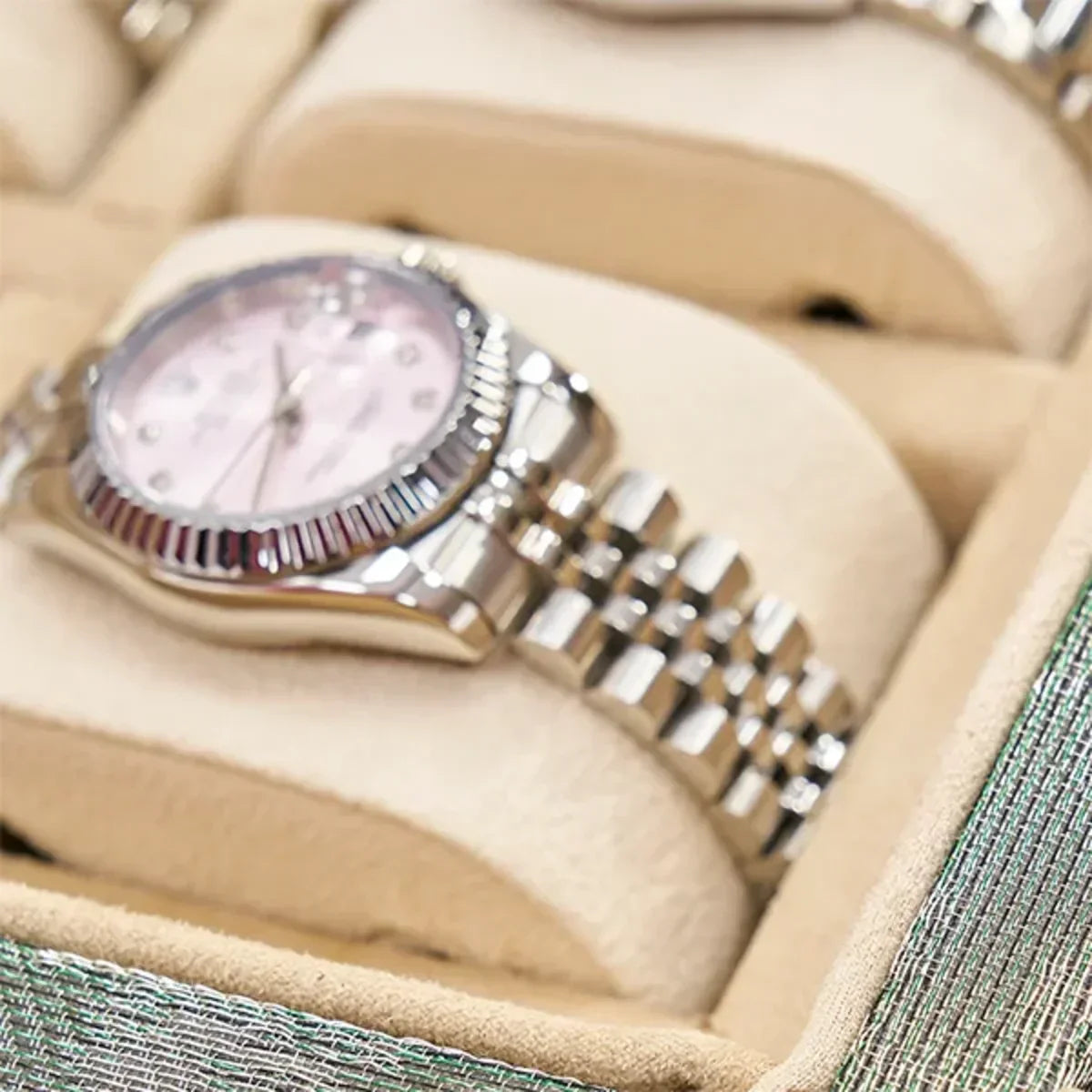
- Watches and high-value items — once these enter the picture, you are choosing between a box and a secured cabinet or safe, which we compare separately.
A useful rule: if more than a third of your collection is occasion or heirloom tier, a single box is already the wrong format — skip ahead to the upgrade path.
Materials: What Lasts in the Gulf
The finest jewellery boxes are built from stable hardwoods — walnut, mahogany, ebony — chosen for tight grain and resistance to warping. In the UAE that resistance matters more than appearance: interiors swing between chilled air-conditioning and 45°C summer heat, and a poorly seasoned softwood box will move with every swing, eventually gaping at the lid seam.
What to look for:
- Solid hardwood or quality veneers over engineered cores. Engineered cores are actually more dimensionally stable under AC cycling than some solid timbers — construction quality matters more than the word "solid".
- Piano-lacquer or oil finishes that seal the timber on all six faces, not just the visible ones. An unsealed base is how humidity gets in.
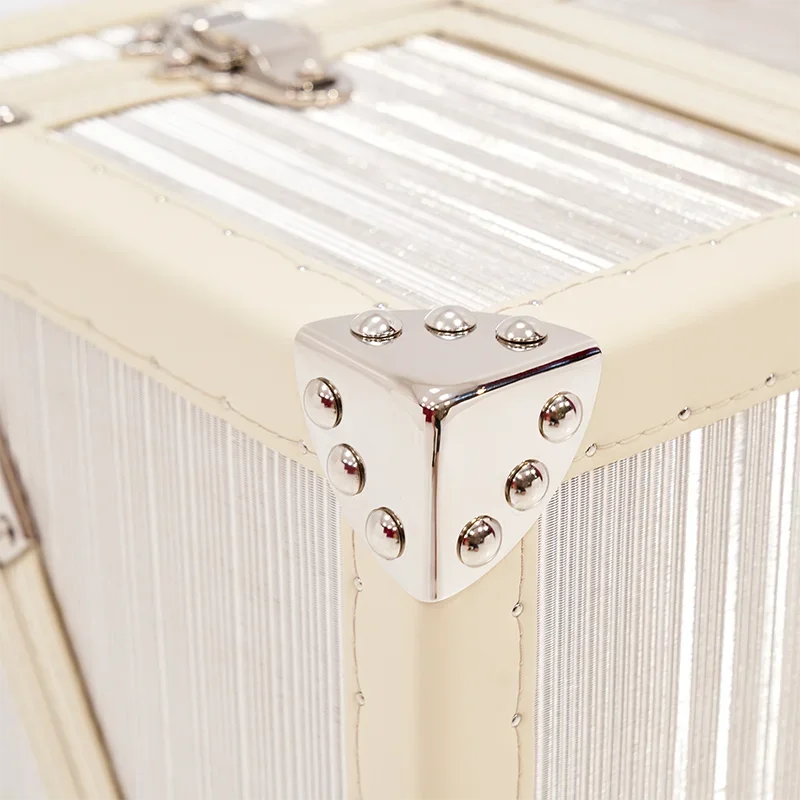
- Leather-wrapped builds — full-grain or hand-stitched leather over hardwood — handle Gulf conditions well and age gracefully. Our guide to choosing a leather jewellery box in Dubai covers the leather-specific questions.
- Avoid bare metal interiors and untreated pine: the first condenses moisture when moved between temperature zones, the second moves too much.
The Lining Is Not Decoration — It Is the Protection System
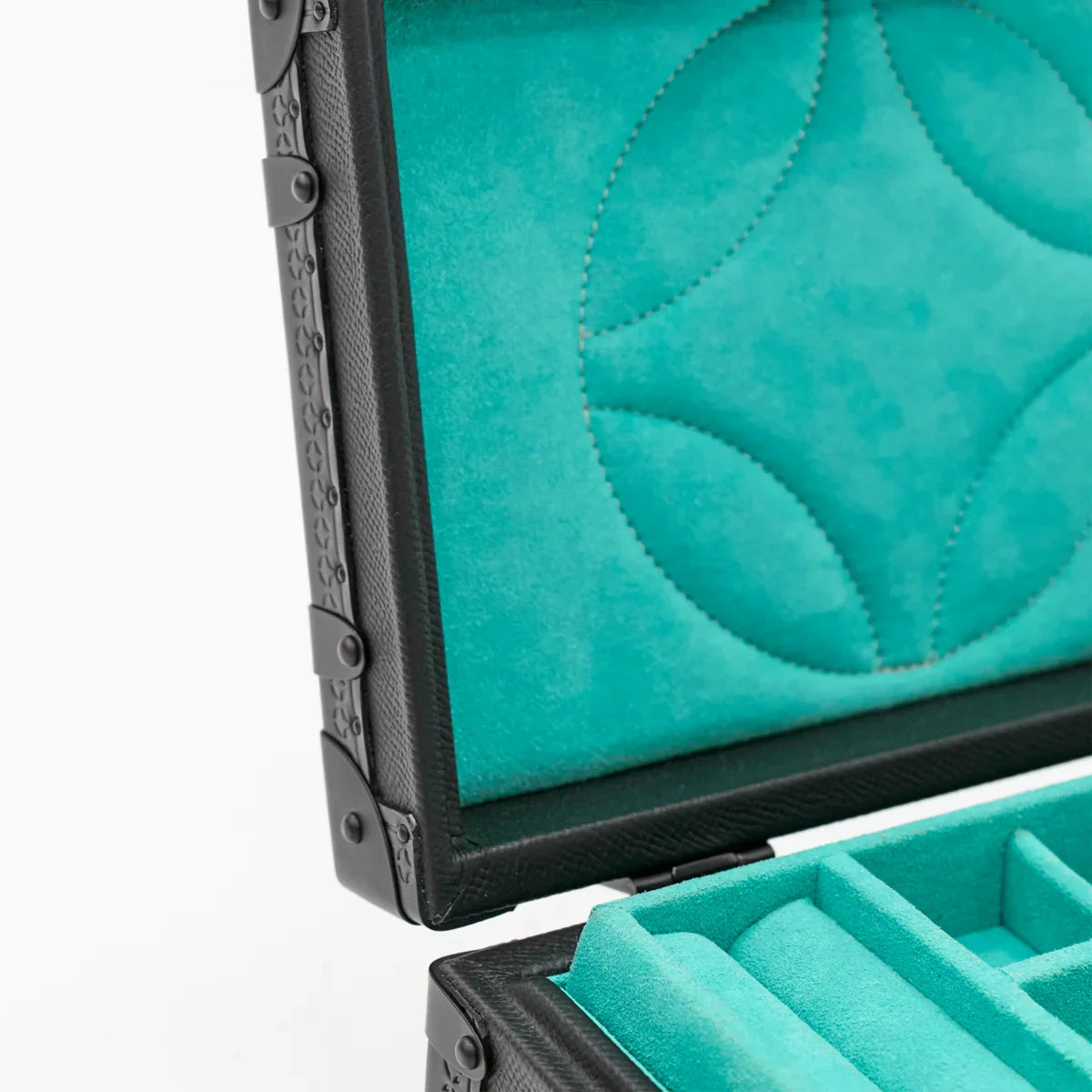
The lining does three jobs: it cushions against scratches, it absorbs the skin oils and residues that accelerate tarnish, and it keeps pieces from touching each other. The materials that do this well are anti-tarnish microsuede, dense velvet, and suede-finish synthetics — the same families used in jeweller display trays.
Two UAE-specific notes:
- Silver tarnishes faster here. Coastal humidity plus sulphur compounds in urban air accelerate the reaction. An anti-tarnish lining slows it meaningfully; our home jewellery storage and preservation guide covers the full routine, metal by metal.
- Check the lining is fitted, not glued in wrinkles. A lining that lifts at the corners is the most reliable tell of a low-grade box, whatever the exterior looks like.
Sizes, Honestly Explained
Size charts in most guides describe small decorative boxes. For a working collection, think in formats rather than centimetres:
- Petite boxes and travel cases (roughly 20–30 cm) — daily rotation and travel. One layer, ring rolls, a few compartments.
- Multi-tier boxes (30–45 cm) — the classic luxury jewellery box: two to four lift-out trays, necklace hooks in the lid, drawers below.
- Jewellery chests and trunks (45 cm and up) — furniture-scale pieces with six or more drawers, often with bangle rods and watch trays. Our comparison of jewellery trunks versus boxes explains when the jump makes sense.
- Armoires and cabinets — standing furniture with mirrors, full-length necklace drops and lockable sections, covered in our mirrored jewellery armoire guide.
The single most common buying mistake we see in commissions is sizing to the current collection. Gold is gifted at every Eid, wedding and birth in this region; buy one format larger than today's inventory needs.
Security: The Honest Tiers
- Tier 0 — no lock. Fine for daily costume rotation, nothing else.
- Tier 1 — key or combination lock. Deters casual access; will not stop determined theft. What to look for is covered in our lockable jewellery box guide for GCC homes.
- Tier 2 — biometric cabinet. Fingerprint access, anchored weight, discreet placement inside wardrobes.
- Tier 3 — rated safe. For bullion, full bridal sets and watch collections; at this point you are buying security furniture, not a box — see jewellery safe versus lockable box for the decision line.
Insurers in the UAE increasingly ask where jewellery is kept overnight. If the answer is "Tier 0 box on the dresser", expect that conversation to affect the premium.
Cultural Fit: Bridal Sets, Mahr and Mixed Collections
A jewellery box bought for a GCC household often has to hold a bridal trousseau — bangle sets in volume, jhumkas and heavy earrings, layered necklaces — alongside everyday pieces. That argues for bangle rods, deep earring wells and flat parure trays rather than the shallow Western ring-and-stud layouts. We cover the specifics in our guides to Indian bridal jewellery storage in the UAE and heirloom jewellery boxes as wedding gifts.
The Upgrade Path — and Where to Start
Most collectors move through the same sequence: a multi-tier box in the first years, a jewellery trunk or chest as the collection compounds, then a jewellery cabinet or safe once watches and bridal gold concentrate real value. There is no shame in starting with a well-made petite box — the mistake is staying there three Eids too long.
For a sense of how these formats look at commission grade, our jewellery box collection shows current pieces across each tier.
Frequently Asked Questions
What is the best lining for a jewellery box?
Anti-tarnish microsuede or dense velvet. Both cushion against scratches and absorb the skin oils that accelerate tarnish; anti-tarnish treatments additionally slow the sulphur reaction that blackens silver — a meaningful benefit in humid coastal cities like Dubai.
What size jewellery box should I buy?
Map your collection first: daily rotation fits a petite 20–30 cm box; a mixed collection needs a 30–45 cm multi-tier box; bridal gold and growing collections justify a chest or cabinet. In the Gulf, where gold is gifted at every major occasion, buy one format larger than your current inventory.
Are wooden jewellery boxes better than leather ones?
Both work when properly built. Stable hardwoods with sealed finishes resist the UAE's air-conditioning cycles; leather-wrapped hardwood builds perform equally well and age distinctively. What matters more than the shell is a fitted anti-tarnish lining and compartments matched to your pieces.
When is a jewellery box not enough?
When any single category — watches, bridal sets, bullion — concentrates serious value, or when your insurer asks about overnight storage. At that point move up the security tiers: a lockable box, then a biometric cabinet, then a rated safe.
Commissioning a piece that will hold a generation of gold deserves a conversation, not a checkout. Visit our private showroom on the first floor of Al Shafar Complex, Jumeirah Beach Road, Umm Suqeim 1 — viewings are by appointment, arranged on our VIP line (+971 55 886 6180) or at info@siraecasa.com. Explore the full collection at https://www.siraecasa.com.

Leave a comment
This site is protected by hCaptcha and the hCaptcha Privacy Policy and Terms of Service apply.