

Selling Gold & Jewellery in Dubai: Where, How Pricing Works & the Best Price (2026)
Selling Gold & Jewellery in Dubai: Where to Go, How Pricing Works & Getting the Best Price
Selling gold in Dubai is refreshingly transparent compared with most cities — the price is published twice a day, every karat is hallmarked, and a reputable buyer will test and weigh your pieces in front of you. Yet many first-time sellers still walk away disappointed, for a single reason: they expect to recover what they paid, when the market pays only for the gold itself. This guide sets out exactly how the figure is calculated, where to sell across the city, how to avoid being short-changed at the scale, and — because you rarely part with the whole collection — how to secure the cash and the pieces you keep once the deal is done.
What Is Your Gold Actually Worth When You Sell?
Quick Answer: Your jewellery is worth its karat rate × its weight in grams, measured against Dubai's daily gold rate — nothing more romantic than that. The Dubai Gold & Jewellery Group (DGJG) publishes a retail rate twice a day, derived from the London gold fix and the AED/USD exchange rate. It is entirely public, so you can check it before you leave home and arrive knowing roughly what your pieces are worth.
Because the rate is set per karat, the first thing any buyer establishes is purity. A 21K chain and an 18K bracelet of identical weight fetch very different sums, and the gap is fixed, not negotiable. The table below shows a recent reference snapshot — useful for orientation, though the live number is what counts on the day.
| Karat | Recent DGJG reference rate (per gram)* | Typically found in |
|---|---|---|
| 24K | ~AED 487 | Bars, coins, investment gold |
| 22K | ~AED 447 | Indian and Gulf bridal jewellery |
| 21K | ~AED 426 | Most everyday Gulf gold jewellery |
| 18K | ~AED 366 | European, branded and gem-set pieces |
*Illustrative, late June 2026 — rates move daily; confirm the live DGJG figure before you sell.
A worked example makes it concrete. A 30-gram 22K bangle at roughly AED 447 per gram represents about AED 13,410 in gold content. That gold figure is the ceiling; what you actually receive sits just beneath it, for reasons covered next. If you are weighing whether to sell now or hold — or to rotate the proceeds back into bullion — our companion guide to buying gold in Dubai covers the buy-side of exactly the same daily rate.
Why You Won't Get Back What You Paid
The Bottom Line: When you bought the piece, you paid for gold plus craftsmanship; when you sell it, you are paid for the gold only. The making charges baked into your original purchase — typically 5–8% on simple pieces and 15–25% on intricate, hand-finished work — are not recovered on resale. This is the single biggest surprise sellers meet, and understanding it in advance turns disappointment into a clear-eyed decision.
On top of that, a buyer applies a small margin to cover refining and resale. In practice this is commonly around 2–5% below the day's rate, though specialist "cash for gold" outlets will sometimes pay closer to the published rate for high-purity, hallmarked pieces that need little reworking. So our 22K bangle, worth about AED 13,410 in gold, might settle near AED 13,000 with a buyer taking roughly 3% — and none of the making charge you paid years ago comes back.
Gemstones are a separate conversation entirely. If a piece carries diamonds or coloured stones, those are usually valued apart from the gold and rarely credited at full retail — a buyer of scrap gold is not a buyer of certified diamonds. For an important gem-set piece, you will often do better selling the stone through a specialist than folding it into a gold-weight transaction. The practical lesson: sell for the gold when the piece is essentially gold, and treat stones as their own asset.
Where to Sell Gold & Jewellery in Dubai
Quick Answer: The honest answer to where to sell gold in Dubai is "wherever you can compare several offers against the same day rate." The classic venues are the Deira Gold Souk, Gold & Diamond Park, Meena Bazaar / Bur Dubai, established jewellers, and specialist cash-for-gold outlets. Each suits a different kind of seller, and because the underlying rate is public, the difference between them is mostly margin, convenience and how they handle stones.
| Venue | Best for | What to expect |
|---|---|---|
| Deira Gold Souk | Comparing many buyers quickly | Dozens of established shops side by side; haggling is normal |
| Gold & Diamond Park | A calmer, indoor setting | Manufacturers and jewellers; good for gem-set pieces |
| Meena Bazaar / Bur Dubai | 22K bridal and Indian gold | Buyers fluent in high-karat work and bridal sets |
| Established jewellers | Pieces bought there originally | Buy-back or trade-in, often the smoothest route |
| Specialist "cash for gold" | High-purity, hallmarked scrap | Can pay closest to the day rate; verify the scale first |
The advantage of a dense market such as the Souk is leverage: with several reputable buyers within a few steps of one another, you can take the same pieces to two or three counters and let the day's rate keep everyone honest. Wherever you go, a reputable buyer will give you a written breakdown — weight, karat, rate and any deductions — and will not object to you walking next door to compare.
How to Get the Best Price — and Avoid Being Short-Changed
Technical Verdict: Getting the best price when you sell gold jewellery in Dubai is less about hard bargaining and more about insisting on a transparent process. A reputable buyer tests karat purity by XRF analyser or acid test and weighs your pieces on a calibrated, sealed scale in front of you — and all gold sold in the UAE is hallmarked for purity by an accredited assay office, the Dubai Central Laboratory. Watch both the test and the weighing; they are where value is gained or quietly lost.
| Check | What to insist on | Why it matters |
|---|---|---|
| The rate | Confirm the live DGJG rate before you arrive | Your anchor for judging every offer |
| The test | Watch the XRF or acid karat test | Confirms the purity you are paid on |
| The scale | Calibrated, sealed, weighed in front of you | Weight drives the entire sum |
| Gemstones | Valued separately and stated in writing | Rarely credited at full retail value |
| The breakdown | A written note of weight, karat, rate, deductions | Lets you compare offers like-for-like |
Two small disciplines protect most of your money. First, separate your pieces by karat before you go, so a 21K chain is not weighed and paid at an 18K rate by convenience. Second, never let jewellery leave the counter or your sightline during testing. A seller who watches the test, watches the scale settle, and reads the written breakdown is rarely the seller who gets short-changed.
Tax, Paperwork & ID: What to Bring
Quick Answer: Bring your Emirates ID or passport — a reputable buyer will ask for identification and should hand you a written breakdown of the transaction. On tax, the headline is reassuring but worth confirming: investment-grade gold of 99% purity or higher, such as bars and coins, is 0%-rated, and selling your own used personal jewellery to a registered dealer is generally handled under the profit-margin scheme, so you typically are not charged 5% VAT on the gold value of personal pieces.
Keep the paperwork. A written breakdown is your proof of a clean, properly valued sale, useful if a piece was insured or part of an estate, and helpful for your own records if you are rotating value between gold and other assets. Because tax treatment depends on your exact circumstances and the dealer's registration, treat the points above as orientation and confirm the specifics with the Federal Tax Authority before a significant sale — particularly if you are selling in volume rather than parting with a few personal pieces.
After the Sale: Securing the Cash and the Pieces You Keep
The Bottom Line: Selling can mean walking out of the Souk with significant cash in hand — and you rarely sell the whole collection. So two custody problems begin the moment the deal closes: securing the proceeds you intend to reinvest, and protecting the pieces you have deliberately kept. Plan secure transport away from the market, and give both the cash and the retained jewellery a lockable, metered home enclosure rather than a bedside drawer.
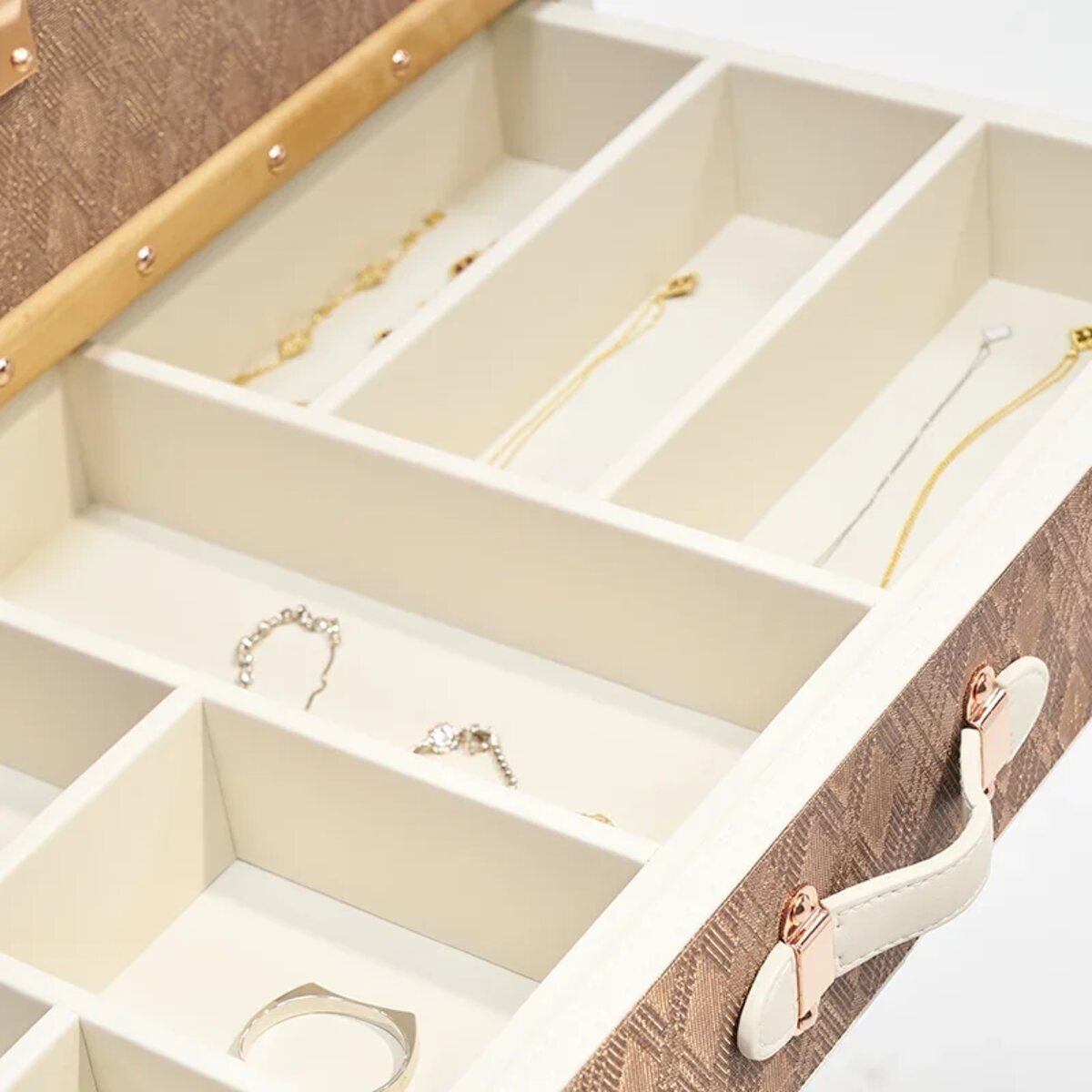
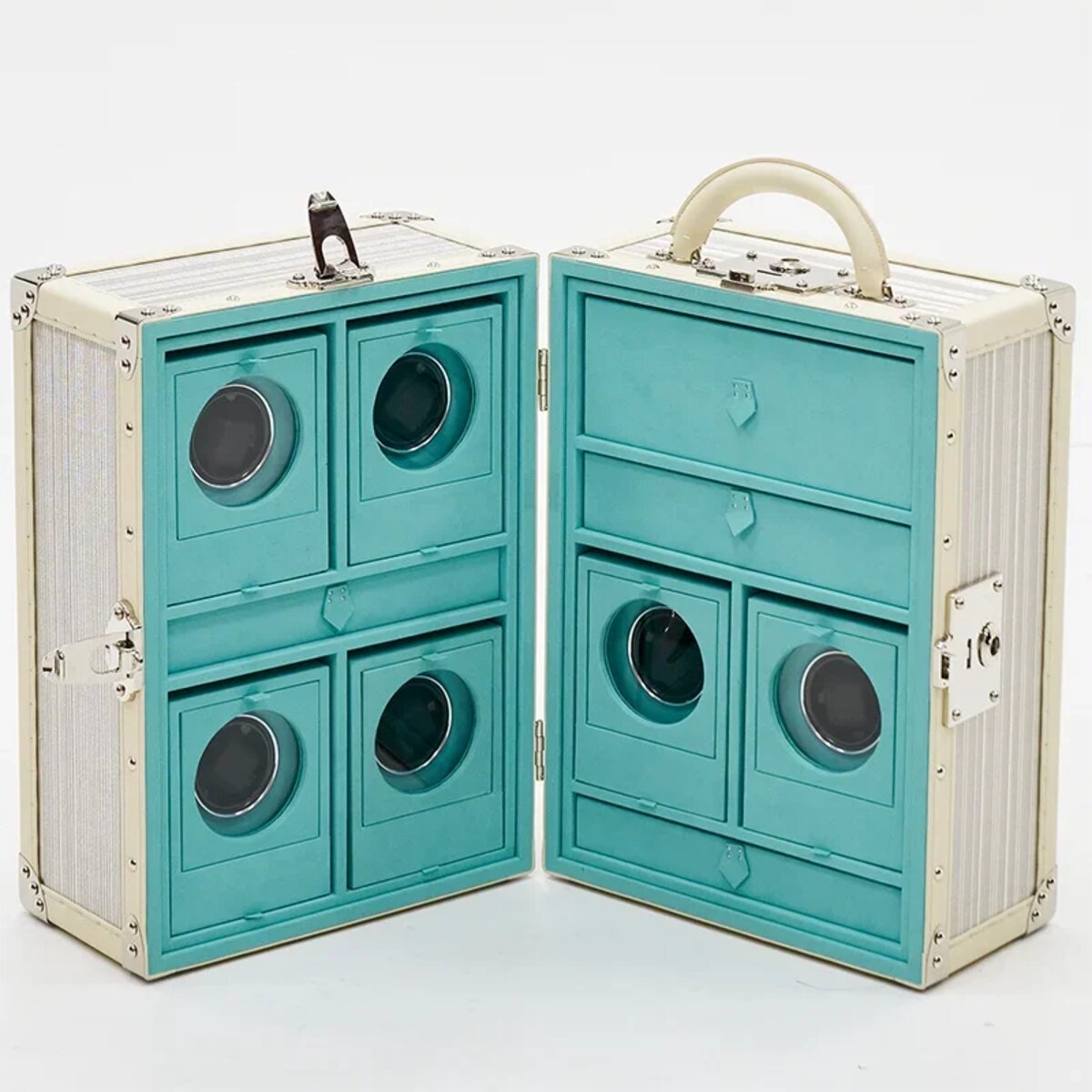
The keeping problem is easy to underrate in this climate. Dubai's swing between humid coastal air and dry, air-conditioned interiors tarnishes the silver in gold-set pieces and dulls pearls left loose in a drawer — slow, quiet damage that erodes the value of exactly the heirlooms you chose not to sell. A sealed, organised enclosure holds a steadier microclimate than an open drawer ever can. SIRAE's The Amber Jewelry Cabinet - Dune Gold brings biometric locking and a fitted interior to a permanent home collection, while The Timeless Jewelry Box - Noir offers a softer, leather-lined home for the everyday pieces you reach for often.
For the longer view, our guides go deeper: storing gold jewellery for the 2027 gold peak looks at holding rather than selling, how to store gold jewellery and prevent tarnish covers the day-to-day care that keeps pieces sale-ready, and home safe vs bank vault for jewellery in the UAE weighs where the most valuable pieces — and any cash — should ultimately live.
Please note: Gold rates move continuously and buyers' margins differ; confirm the live DGJG rate and any tax treatment with the Dubai Gold & Jewellery Group and the UAE Federal Tax Authority (tax.gov.ae) before you sell. Treat this guide as orientation, not financial advice.
Frequently Asked Questions
How is the price calculated when I sell gold in Dubai? Your price is the per-gram rate for your jewellery's karat multiplied by its weight, set against Dubai's daily gold rate. The Dubai Gold & Jewellery Group publishes that rate twice a day, derived from the London gold fix and the AED/USD exchange rate, and it is public — so you can check it before you go. A buyer tests the purity and weighs the pieces, then usually pays a small margin below the day's rate to cover refining and resale. The making charges you paid at purchase are not part of the calculation.
Why won't I get back what I paid for my gold jewellery? Because you are paid for the gold content only, not for the craftsmanship. When you bought the piece you paid for gold plus making charges — typically 5–8% on simple pieces and 15–25% on intricate work — and those charges are not recovered when you sell. On top of that, a buyer usually pays around 2–5% below the day's rate, and any gemstones are valued separately and rarely credited at full retail. The gold-weight value is your realistic ceiling, and the resale figure sits just beneath it.
Where is the best place to sell gold in Dubai? The best place is wherever you can compare several offers against the same published day rate. The Deira Gold Souk concentrates many established buyers in one area, which makes comparison easy; Gold & Diamond Park, Meena Bazaar in Bur Dubai, and established jewellers are all sound options, and specialist cash-for-gold outlets can pay closest to the rate for high-purity, hallmarked pieces. Bring your Emirates ID or passport, watch the testing and weighing, and insist on a written breakdown of weight, karat, rate and deductions.
Do I pay VAT when selling my personal gold jewellery in Dubai? Generally no. Investment-grade gold of 99% purity or higher, such as bars and coins, is 0%-rated, and selling your own used personal jewellery to a registered dealer is usually handled under the profit-margin scheme, so you are typically not charged 5% VAT on the gold value of personal pieces. Tax treatment depends on your circumstances and the dealer's registration, however, so confirm the specifics with the UAE Federal Tax Authority at tax.gov.ae before any significant sale.
Visit the SIRAE Showroom in Dubai
Selling gold in Dubai is the transparent part; deciding what to keep — and protecting it properly once you have — is the discipline that holds value over the long term. The difference between a drawer and a sealed, metered enclosure is felt in the steadiness of the interior across a full day's AC cycle, in the way a biometric door closes, and in pearls and gold-set silver that stay bright rather than dulling. Book a private appointment at the SIRAE showroom, Al Shafar Complex, Umm Suqeim 1, Dubai. Call +971 55 886 6180 or write to info@siraecasa.com, and our team will match a cabinet or box to the collection you have chosen to keep.

Leave a comment
This site is protected by hCaptcha and the hCaptcha Privacy Policy and Terms of Service apply.